Hyperuricemia, the condition characterized by elevated levels of uric acid in the blood, serves as the primary metabolic precursor to gout. When uric acid concentrations exceed the solubility threshold, it crystallizes into monosodium urate, which deposits within synovial joints, triggering the intense inflammatory response known as a gout flare. While pharmacological intervention and strict dietary management remain the cornerstones of clinical treatment, the role of regular physical activity has become a subject of increasing interest among rheumatologists and patients alike.
The Science of Physical Activity and Uric Acid Levels
For decades, the standard medical advice for gout patients emphasized rest during acute episodes, often leading to a sedentary lifestyle that can inadvertently worsen long-term health outcomes. Recent data published in journals such as Metabolites have sought to clarify the physiological link between exercise, serum uric acid, and gout incidence.
The findings are nuanced: current scientific evidence does not definitively prove that exercise alone can lower serum uric acid levels directly. Unlike urate-lowering therapies (ULTs) such as allopurinol or febuxostat, which chemically inhibit the production of uric acid, physical activity functions through different metabolic pathways. While exercise does not necessarily "flush" or eliminate uric acid from the bloodstream in a mechanical sense, it addresses the systemic metabolic dysfunctions—such as insulin resistance and obesity—that are comorbid with gout.
Understanding the Role of Walking
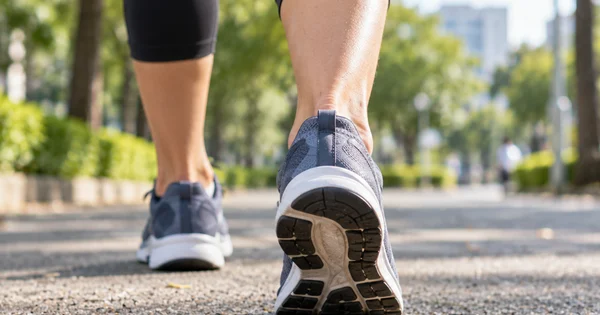
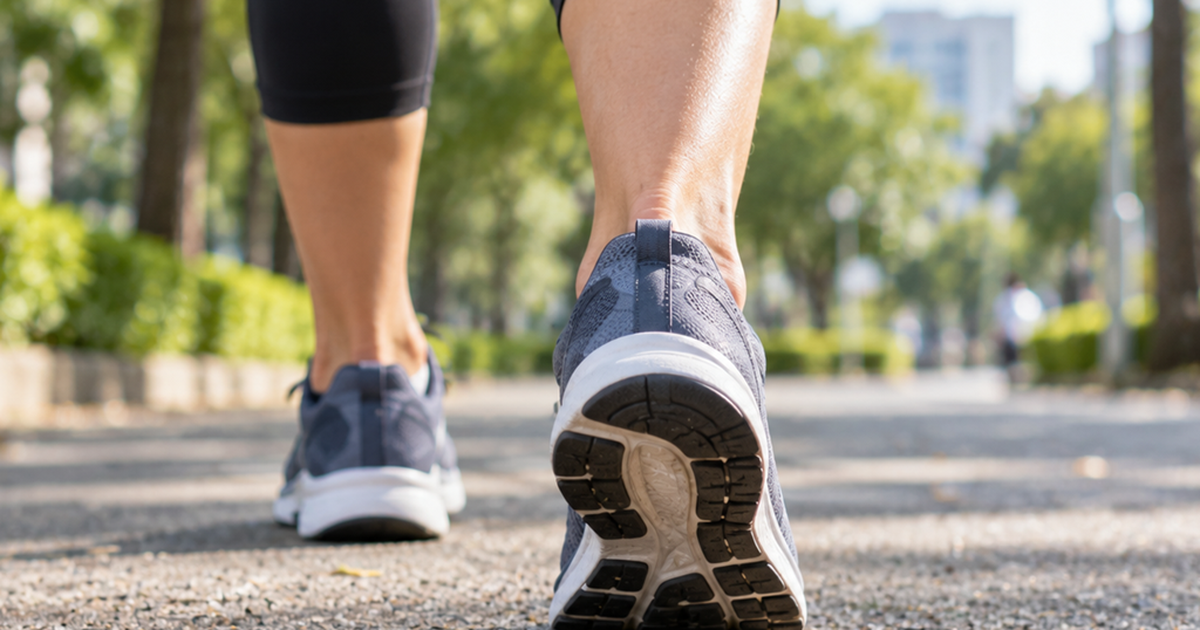
Walking is frequently cited as the most accessible form of aerobic exercise for patients with chronic conditions. It is low-impact, requires minimal equipment, and can be scaled according to an individual’s pain threshold. For the millions of individuals managing gout, walking offers a sustainable way to maintain physical fitness without placing undue stress on the weight-bearing joints that are most commonly affected by crystalline deposits, such as the metatarsophalangeal joint of the big toe, the ankles, and the knees.
Chronology of Management: From Acute Flare to Remission
To effectively incorporate movement into a gout management plan, patients must distinguish between the acute phase and the intercritical (asymptomatic) phase.
The Acute Phase (Flare-up):
During an acute attack, the joint is typically characterized by intense pain, erythema (redness), edema (swelling), and localized heat. During this period, weight-bearing activities are strictly contraindicated. The inflammatory process is at its peak, and any mechanical load on the joint will exacerbate tissue damage and prolong the duration of the flare. Clinical guidelines consistently recommend rest, elevation, and pharmacological management with NSAIDs, colchicine, or corticosteroids during these windows.
The Transition Period:
As the acute inflammation subsides and the patient enters the recovery phase, physical activity should be reintroduced gradually. Medical professionals recommend starting with very short intervals—roughly 10 to 15 minutes—of gentle movement. This prevents joint stiffness and muscle atrophy that can occur during prolonged periods of immobility.
The Intercritical Phase (Remission):
This is the optimal time for sustained physical activity. Regular, moderate-intensity exercise during this period helps control body weight, which is a critical risk factor for gout. Excess adipose tissue is known to contribute to systemic inflammation and higher serum uric acid levels. By maintaining a healthy weight through consistent walking or swimming, patients can significantly reduce the frequency of future flares.
Supporting Data and Metabolic Implications
The prevalence of gout has been rising globally, with epidemiological studies suggesting a strong correlation between lifestyle factors and metabolic syndrome. Data from the National Health and Nutrition Examination Survey (NHANES) consistently highlights that obesity is one of the strongest predictors of gout.
A meta-analysis of physical activity and metabolic health suggests that individuals who engage in at least 150 minutes of moderate-intensity aerobic activity per week see a reduction in systemic inflammatory markers. While these markers (such as C-reactive protein) are not synonymous with uric acid levels, their reduction creates a more favorable internal environment that is less prone to the rapid onset of gouty arthritis.
Furthermore, medical experts emphasize that the benefit of walking is as much about psychological health and mobility maintenance as it is about chemical balance. Chronic gout patients often develop a fear of movement (kinesiophobia) due to the unpredictability of pain. Establishing a routine helps rebuild confidence in joint functionality.

Expert Perspectives and Clinical Recommendations
Rheumatologists emphasize that exercise should never replace medication for those who have been prescribed uric acid-lowering therapy. The primary goal of treatment is to maintain serum uric acid levels below 6 mg/dL (or 5 mg/dL in patients with advanced tophaceous gout). Exercise acts as a complementary pillar to this clinical strategy.
According to guidelines from the American College of Rheumatology, the management of gout requires a multi-faceted approach:
- Pharmacological Control: Consistent use of prescribed medications to dissolve existing crystals and prevent new formations.
- Nutritional Modification: Reducing intake of high-purine foods (red meat, shellfish) and fructose-sweetened beverages.
- Physical Activity: Incorporating low-impact movement to improve cardiovascular health and facilitate weight management.
Broader Implications for Long-Term Health
The implications of incorporating walking into a gout management plan extend beyond the joint itself. Patients with gout are at a statistically higher risk for cardiovascular disease, hypertension, and chronic kidney disease. By choosing a low-impact exercise regimen, patients are effectively mitigating these secondary risks.
The "move it or lose it" philosophy applies uniquely to the gout patient. Because gout often affects the lower extremities, the resulting pain can lead to a gait compensation pattern—a change in the way a person walks to avoid pain—which in turn places excessive pressure on the hips and lower back. By maintaining mobility through low-impact exercise, patients can avoid these secondary musculoskeletal complications.
Strategic Implementation for Patients
For those looking to begin or maintain a walking program, the following clinical guidelines are suggested:
- Consultation: Always obtain clearance from a primary care physician or rheumatologist before beginning a new exercise program, especially if there is significant joint damage.
- Footwear: Use supportive, cushioned footwear to minimize ground reaction forces on the joints.
- Gradual Progression: Start with flat surfaces and short durations. Avoid hiking on uneven terrain until the patient has reached a period of long-term remission.
- Monitoring: Keep a log of activity alongside pain levels. If a particular walking session correlates with increased joint tenderness, scale back the intensity or duration.
- Hydration: Proper hydration is essential for kidney function and the excretion of uric acid. Ensure adequate water intake before, during, and after physical activity.
Conclusion
While walking is not a cure for gout, it is an essential component of a holistic management strategy. By improving metabolic health, aiding in weight control, and maintaining joint range of motion, regular low-impact exercise allows patients to regain control over their physical health. The key to success lies in the balance between rest during acute flare-ups and consistent, sustainable movement during periods of remission. As the medical community continues to study the long-term benefits of lifestyle interventions, it is clear that physical activity remains a powerful tool in the fight against the systemic inflammation of gout.