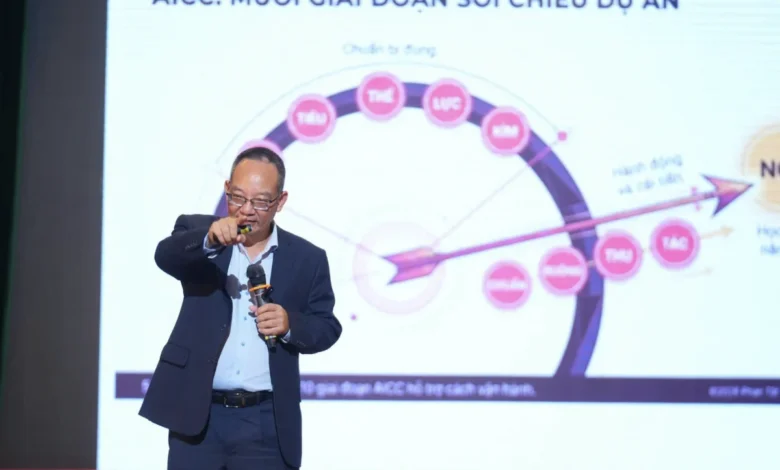
The intersection of artificial intelligence, organizational culture, and employee mental health has emerged as a critical focal point for modern corporations. According to the "Industry Report on Internal Communication and Corporate Culture (ICC) 2026," unveiled on September 26 at the Deep Insight 2026 conference in Hanoi, the rapid acceleration of workplace automation is fundamentally altering the psychological landscape of the modern workforce. As businesses strive to increase efficiency through AI integration, the findings suggest that the human cost of this transition—manifesting as chronic stress and burnout—has become an urgent, systemic challenge.
The Human Cost of Rapid Digitization
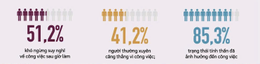
The ICC 2026 report, which synthesized responses from 211 participants including employees, management executives, and internal communications professionals, paints a concerning picture of contemporary work environments. The data indicates that 51.2% of respondents struggle to disconnect from work-related thoughts after hours, a phenomenon often referred to as "psychological detachment failure." Furthermore, 41.2% reported experiencing regular, high-level stress, while a significant 28.7% are actively contemplating resignation or seeking alternative employment.
Perhaps most revealing is the intensity of these feelings: 85.3% of those surveyed stated that their mental state has directly impacted their productivity, while 62.8% identified overwhelming workloads and rigid deadlines as the primary stressors. While the report authors acknowledge that these figures represent a specific cohort rather than the entire global labor force, the consistency of these trends across industries suggests a pervasive shift in how employees perceive their professional value versus their operational utility.
The Paradox of AI-Driven Efficiency
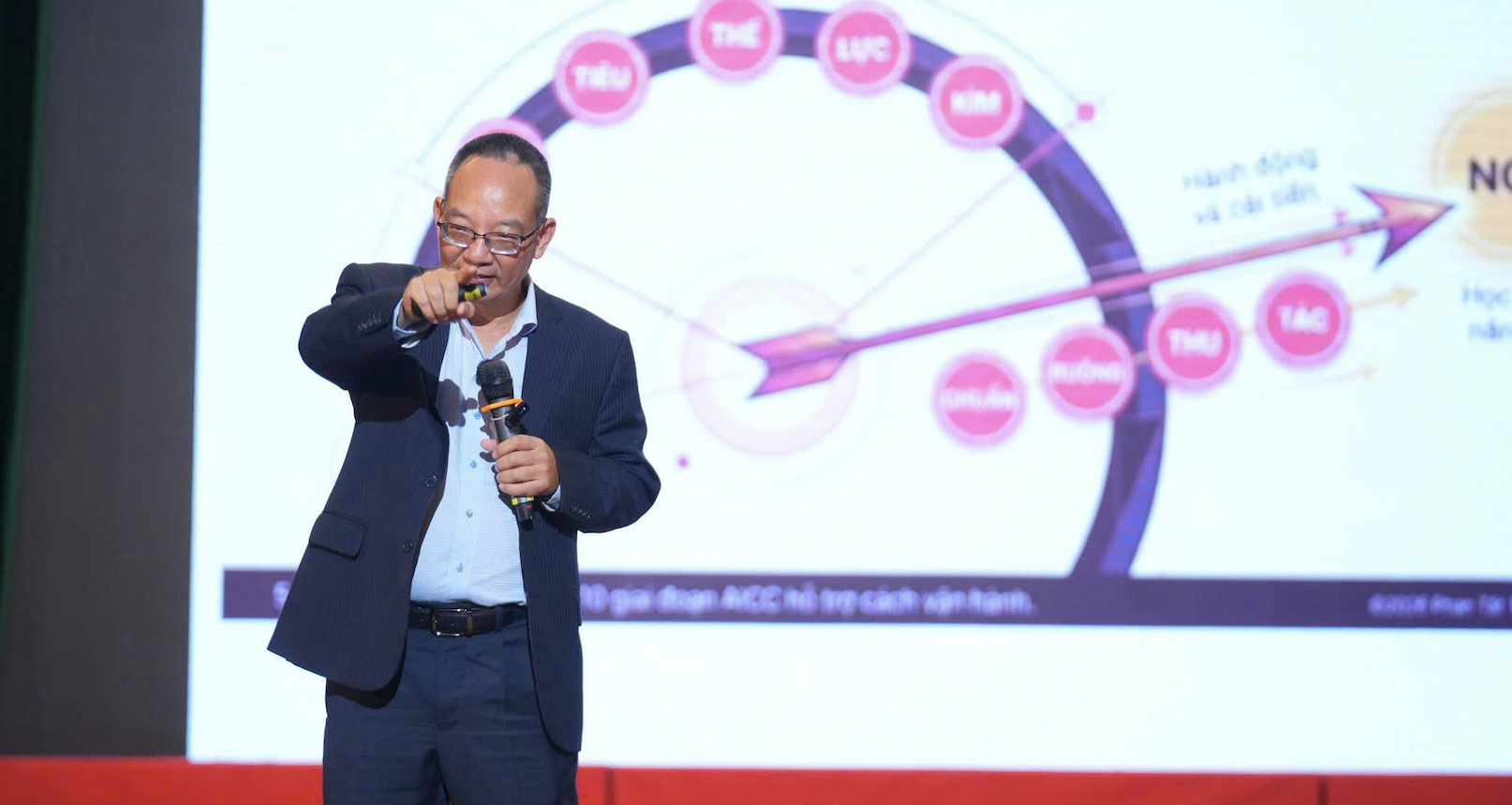
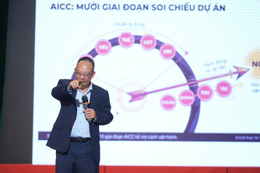
The central theme of the Deep Insight 2026 conference was "Supply Growth," a concept that interrogated whether the human workforce can keep pace with the exponential speed of AI-driven productivity. Dr. Phan Tat Thu, Chairman of KNV Group, introduced a compelling paradox during the sessions: while AI enables individuals to produce more content, write faster, and process data at unprecedented scales, the time saved is rarely reinvested into employee well-being or creative development.
Instead, companies often use the reclaimed time to demand even higher output, leading to a "productivity trap." In this cycle, the more efficient an employee becomes, the higher the expectations rise, effectively negating the benefits of technological advancement and leaving workers more burdened than before. According to Dr. Thu, when organizations scale too quickly without adjusting their internal culture, they face three specific risks: the erosion of brand identity, the degradation of human-centric emotional connection, and a decline in employee trust.
Strategic Reconfiguration: A New Operational Mandate
To mitigate these risks, the report suggests a fundamental shift in how corporations approach organizational design. The recommendation is to integrate mental health metrics directly into the decision-making processes for workflow design, performance management, and leadership development.
Ms. Dinh Thi Thuy, a senior executive at MISA, shared a case study during the conference that illustrated the potential for a balanced approach. Historically, her firm utilized approximately 300 consultants to serve 200,000 customers. With the client base now expanding to 500,000, the support staff has only grown to 400 individuals. This optimization was achieved by automating high-frequency, repetitive tasks such as pricing updates, invoicing, and payment collection.
However, Ms. Thuy emphasized that this transition is not merely about procuring software; it requires a rigorous reassessment of roles. "AI implementation is not just about equipping staff with tools," she noted. "Companies must clearly define which tasks are suitable for AI, which require human oversight, and how to redesign processes to ensure human-AI synergy." Her approach advocates for digitizing data, clarifying workflows, and upskilling staff to act as supervisors and quality controllers rather than manual operators. Leaders, she stressed, must lead by example, directly engaging with these technologies to foster a culture of confidence rather than fear.
Psychological Implications and the Role of Management
From a psychological perspective, the impact of these changes is profound. Associate Professor Dr. Truong Quang Lam, a lecturer at the University of Social Sciences and Humanities (VNU Hanoi), argued that persistent pressure and a lack of organizational recognition can lead to the gradual "erosion" of the self. When employees equate their personal value solely with meeting AI-inflated performance metrics, failures can lead to severe crises of identity and self-worth.
Dr. Lam asserted that while businesses are not traditional mental health clinics, they bear a significant responsibility for the environments they create. "The role of management is not to diagnose or treat individual psychology, but to foster an environment where employees feel heard," he stated. "Recognizing behavioral changes, providing proactive support, and connecting employees with appropriate resources are essential components of modern management."
Comparative Industry Context
The findings from the ICC 2026 report align with a broader global shift in corporate structure. Recent industry precedents, such as the emergence of firms operating with only a handful of human managers overseeing hundreds of "AI employees" and thousands of physical retail locations, demonstrate that the future of work will be defined by the ratio of human oversight to automated output.
The 2026 data suggests that companies failing to address the "human element" in this equation will likely experience higher attrition rates, lower employee engagement, and long-term erosion of their corporate culture. As AI becomes a foundational pillar of enterprise, the most successful firms will likely be those that view their human workforce not as a bottleneck, but as the core strategic asset that requires deliberate, empathetic, and sustainable management.
Moving Forward: A Synthesis of Technology and Humanity
As we look toward the latter half of the decade, the integration of AI will undoubtedly continue to accelerate. The key takeaways from the Deep Insight 2026 conference underscore a vital truth: the faster a business moves, the more it must invest in the stability of its internal human connections.
The consensus among the experts at the conference was clear: "The faster we go, the more we need each other." This sentiment suggests that the future of corporate success lies in the ability to harmonize high-speed automated workflows with high-touch human support systems. Businesses that prioritize transparency, clear communication, and the mental well-being of their teams will be the ones that effectively leverage AI to create value, rather than merely creating volume.
The path forward, as outlined by the report, involves a multi-faceted strategy:
- Cultural Alignment: Ensuring that the adoption of AI is accompanied by internal communication that highlights the benefits to the employee, not just the company’s bottom line.
- Continuous Feedback Loops: Establishing mechanisms for employees to voice concerns regarding their workload and the impact of new technologies on their daily tasks.
- Human-Centric Leadership: Training managers to recognize the signs of burnout and to prioritize the quality of work over the quantity of hours spent.
- Strategic Upskilling: Providing employees with the education needed to master AI tools, thereby reducing the stress associated with the fear of displacement.
In conclusion, while AI offers the promise of unprecedented growth, its long-term viability in the workplace depends on the human foundation it is built upon. The challenges highlighted in the ICC 2026 report serve as a call to action for leaders across all sectors to ensure that as they automate, they do not lose the essential human qualities that drive innovation, loyalty, and sustainable growth. The era of the "AI-augmented workforce" is here, but its success will be defined by how well we manage the people who make it possible.