Cashion diamond chain resumes operations after two-month hiatus and implements revised acquisition policies

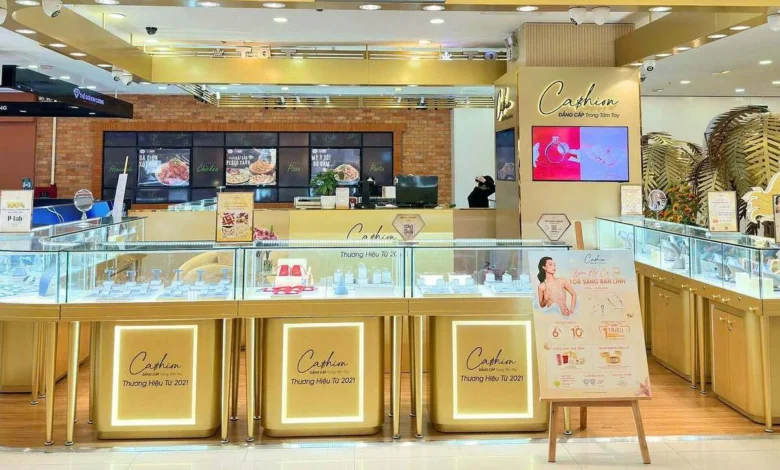
Cashion, a prominent retail chain specializing in diamonds and luxury goods, has officially resumed operations across its network as of September 19, following a strategic two-month closure. The company, which maintains a significant physical presence in major shopping centers across ten Vietnamese cities, including Ho Chi Minh City, Hanoi, Da Nang, and Hai Phong, utilized this period to undergo a comprehensive internal restructuring. Alongside its return to the market, Cashion has introduced a revised set of procurement and buy-back policies, aiming to streamline operations and provide greater clarity for its customer base amidst a volatile precious metals and gemstone market.
A Period of Strategic Restructuring
The decision to pause operations in mid-July was described by Cashion management as a necessary response to an unprecedented period of instability within the luxury goods sector. The company had initially shuttered its storefronts to navigate shifting market conditions and to recalibrate its business model. This pause was not merely a reaction to external pressures but a deliberate effort to align the brand’s operational framework with the realities of a rapidly evolving diamond trade.
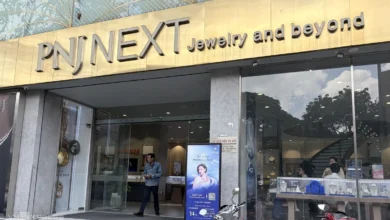
During the two-month hiatus, the retail landscape underwent significant turbulence. In early July, the market faced a wave of customer panic selling, driven by rumors concerning the quality of diamonds circulating in the local market. These concerns were exacerbated by official regulatory investigations into jewelry trading practices, which directly implicated several local gold and jewelry shops, as well as the prominent PNJ-Lab. This climate of uncertainty forced many retailers to re-evaluate their risk management protocols, with Cashion being one of the few brands that opted for a complete temporary cessation of services to ensure that its inventory and procurement processes met the highest standards of transparency.
Updated Procurement and Buy-Back Policies
Central to Cashion’s return is the implementation of a bifurcated buy-back policy, which distinguishes between transactions based on their date of origin. This segmentation is designed to manage the company’s financial obligations while maintaining consumer trust.
For invoices generated prior to July 19, Cashion will continue to honor the conditions and rates established at the time of the original purchase. Recognizing the potential for financial strain, the company has structured the repayment of these buy-back values into five distinct installments, distributed over a four-month timeframe. This approach reflects a commitment to fulfilling prior obligations while managing the liquidity required to restart a nationwide retail network.
For transactions occurring from July 19 onwards, the company has adopted a more flexible and evaluative approach. Products will be subject to a thorough assessment upon submission to the store. Depending on the outcome of this inspection, Cashion will either offer to buy back the item or provide an opportunity for the customer to exchange the product for another item, based on a mutually agreed-upon value. Following the verification process, the company will notify the client regarding the final valuation, ensuring that all subsequent trades are conducted under current, verified market standards.
The Evolution of the Cashion Business Model
Founded in February 2024 with an initial registered capital of 2 trillion VND, Cashion was conceived to operate at the intersection of diamond retail and the luxury goods exchange market. The company was established by "Nguoi Ban Vang" (The Gold Seller), a business entity that, at its inception, maintained deep-rooted ties with the Phu Nhuan Jewelry Joint Stock Company (PNJ).
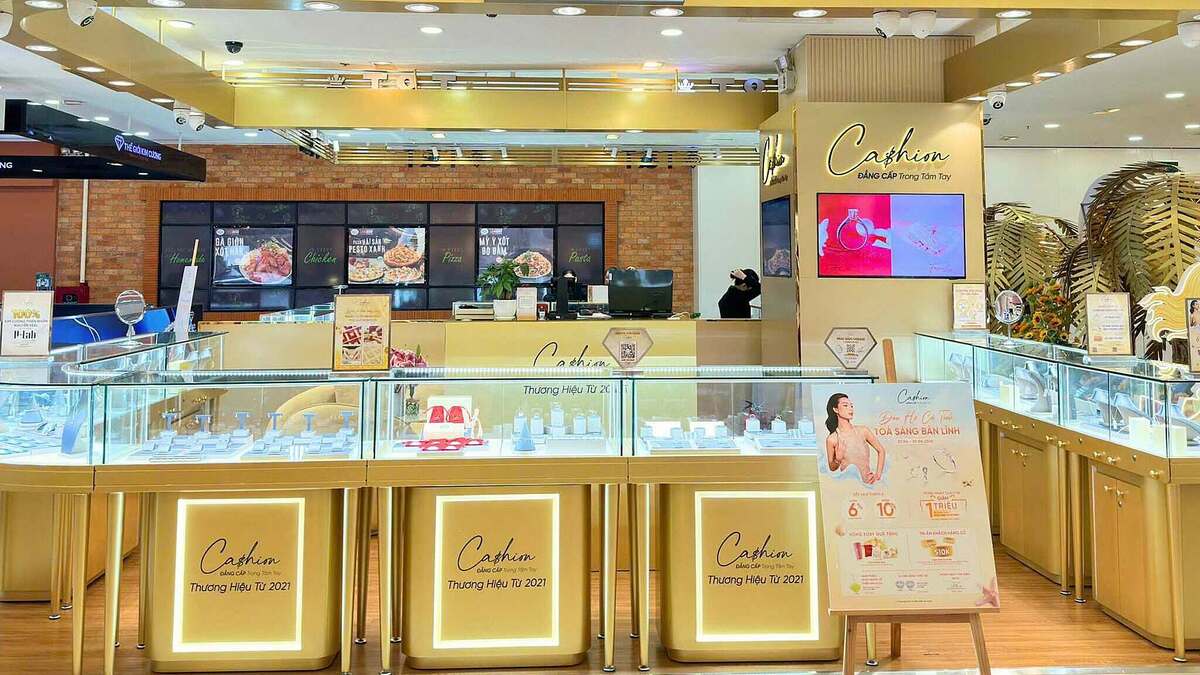
Historically, PNJ held nearly 20% of the equity in Nguoi Ban Vang. The partnership was initially framed as a strategic investment to diversify PNJ’s service portfolio and expand its ecosystem to cater to a specific segment of customers interested in the resale value of luxury assets. Under this arrangement, Nguoi Ban Vang utilized retail floor space within selected PNJ stores to deploy its services, and PNJ provided the necessary financing to support the operational growth of the venture under standard commercial terms.
However, as Nguoi Ban Vang expanded its scope—most notably with the launch of the Cashion brand in early 2025—the strategic alignment between the two entities began to fray. PNJ, the nation’s largest jewelry retailer, noted that the expansion into a business model that directly competed with its core retail operations created a conflict of interest. PNJ management expressed that the activities of Cashion were no longer congruent with the parent company’s long-term investment objectives.
The Severing of Ties and Market Impact
In January of this year, PNJ officially announced a total divestment from Nguoi Ban Vang. This decision effectively ended the relationship between the two entities, with PNJ clarifying that Cashion is no longer a partner, subsidiary, or affiliate, and is entirely separate from the PNJ ecosystem. This separation marked a significant turning point for Cashion, necessitating the independent operational strategy that led to the restructuring and the recent two-month suspension.
The broader implications of this transition are significant. The luxury goods market in Vietnam, particularly the diamond segment, has historically lacked the standardized, transparent resale mechanisms found in Western markets. Cashion’s attempt to formalize the buy-back and trade-in process is a critical experiment in professionalizing the secondary market for high-value items. By implementing rigid inspection protocols and a structured valuation process, the company is attempting to mitigate the reputational risks associated with the recent "panic selling" events that plagued the industry earlier this year.
Future Outlook and Analytical Perspective
From an analytical standpoint, Cashion’s return to the market signifies more than just the reopening of storefronts; it represents a test of consumer confidence in a post-scandal environment. The diamond trade is heavily reliant on the perception of long-term value. When that perception is shaken by rumors or regulatory scrutiny, the ability of a retailer to provide clear, actionable, and fair buy-back policies is the primary mechanism for restoring stability.
The company’s decision to phase out payments for pre-July 19 invoices over four months is a calculated risk. It acknowledges the company’s current cash flow position while demonstrating to creditors and customers that it intends to remain a viable entity. If Cashion can successfully navigate the complexities of its new procurement policies and regain its footing without the financial backing of its former affiliate, it may serve as a case study for other independent luxury retailers looking to survive in an increasingly scrutinized market.
Moreover, the market remains highly attentive to how Cashion manages the quality verification of the diamonds it accepts. By moving toward a model where each item is evaluated at the point of entry, Cashion is effectively positioning itself as a guarantor of quality—a necessity in an industry currently struggling with transparency issues. The coming months will be decisive for the brand as it attempts to re-establish its market share and prove that its business model can withstand the scrutiny of both regulators and a cautious consumer base.
In conclusion, the reopening of Cashion is a major development for the Vietnamese jewelry sector. The company has moved to distance itself from its past, shed its historical affiliations, and adopt a more rigorous, albeit more cautious, operational stance. While the challenges of the past two months have been significant, the structural changes now in place suggest a long-term commitment to surviving in a competitive and demanding economic landscape. Whether these measures are sufficient to win back the trust of the discerning luxury consumer remains to be seen, but for now, the industry is watching closely to see if Cashion can lead the way toward a more regulated and transparent secondary market for diamonds.