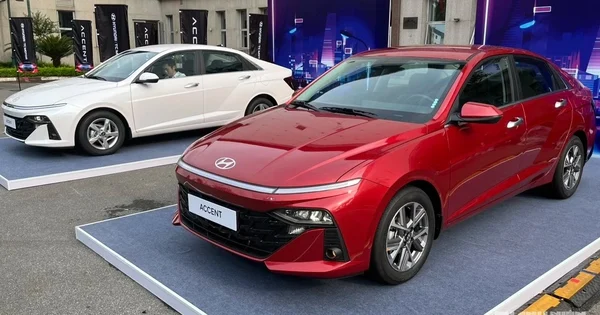
For years, the B-segment sedan has served as the bedrock of the Vietnamese automotive market, representing the quintessential entry point for first-time buyers and the workhorse of the nation’s ride-hailing services. However, a paradox has emerged in the industry: despite aggressive, sustained price cuts and unprecedented promotional campaigns from manufacturers, sales volumes for these once-dominant vehicles are entering a period of significant contraction. This downward trend, which has persisted throughout 2026, signals a structural shift in consumer behavior and a fundamental change in the competitive landscape of the Vietnamese automotive sector.
A Market Under Pressure: The Anatomy of the Sales Slump
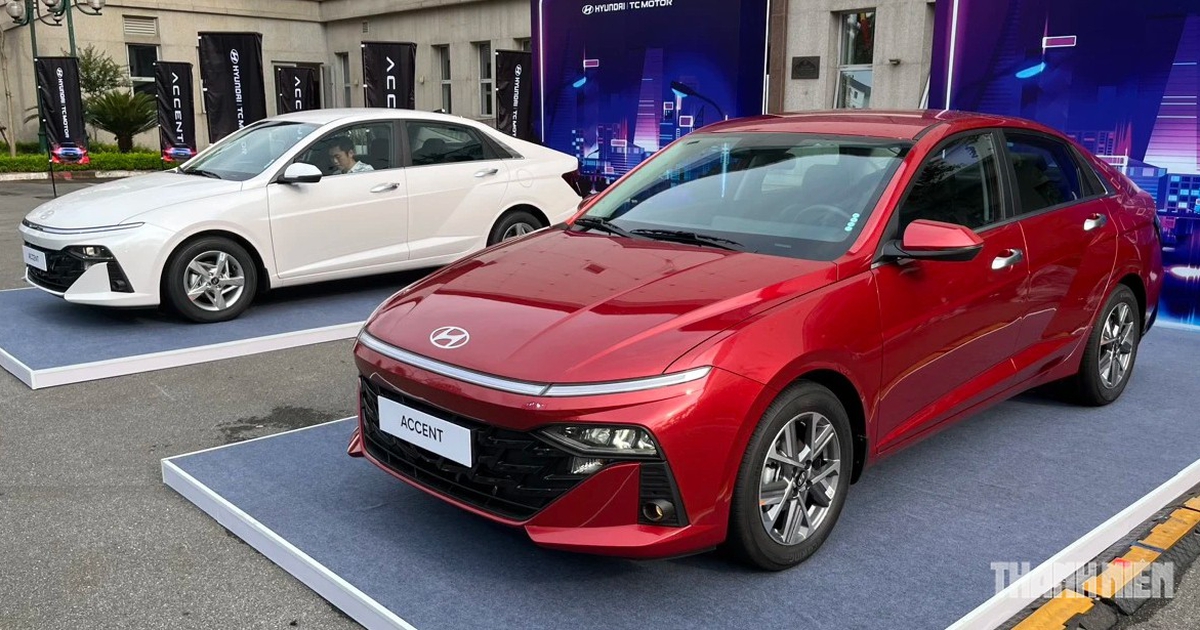
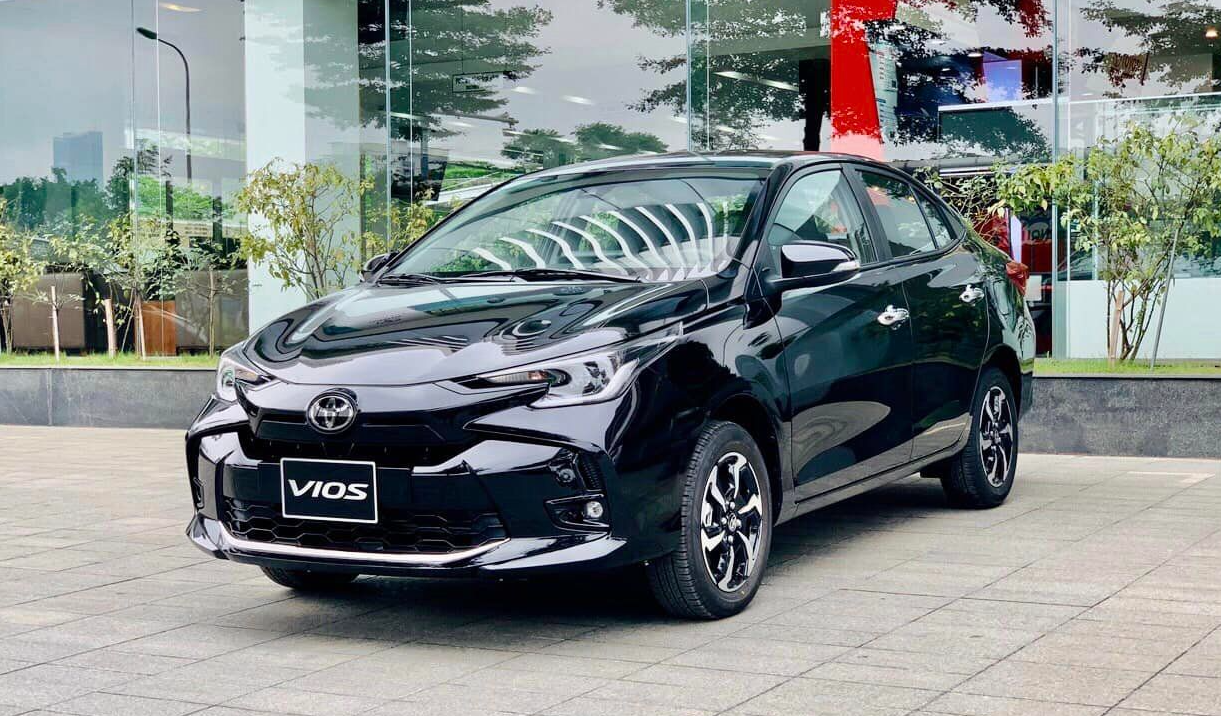
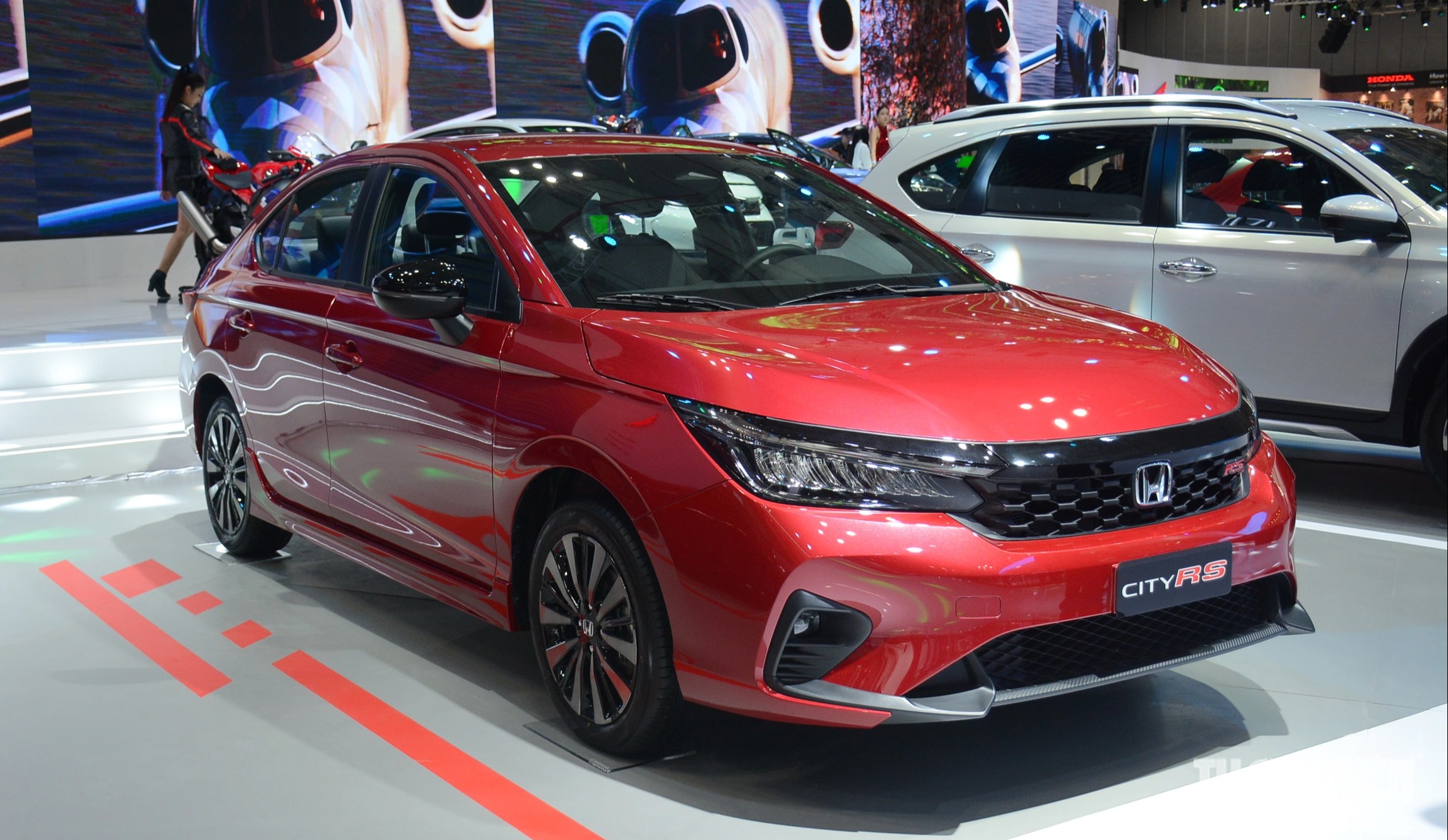
The current state of the B-segment sedan market is characterized by a "race to the bottom" in terms of pricing. Major players, including the Honda City, Toyota Vios, Hyundai Accent, KIA Soluto, Mitsubishi Attrage, and newcomers like the Skoda Slavia, have all been embroiled in a cycle of heavy discounting. Manufacturers have shifted from modest incentives—such as covering 50% of registration fees—to aggressive 100% registration fee subsidies, effectively slashing retail prices by 45 to 60 million VND.
In some cases, the discounts have been even more dramatic. The Hyundai Accent has seen price reductions reaching up to 89 million VND, while the Mitsubishi Attrage has been positioned with a starting price range of 331.5 to 453 million VND to remain competitive. Even the KIA Soluto, historically the most affordable option in the segment, has undergone further price adjustments by THACO AUTO to stave off losing further market share.
Despite these measures, the data is stark. In August 2026, total sales for the entire B-segment sedan category reached only 1,626 units, representing a staggering 43.2% decline compared to July 2026. This figure marks the lowest monthly sales performance for the segment since the beginning of the year. Cumulatively, for the first eight months of 2026, total sales for B-segment sedans priced under 600 million VND reached 17,955 units, a 19.6% drop (or 4,367 units fewer) compared to the same period in the previous year.
The Shift in Consumer Priorities: The Rise of High-Ground Clearance
The primary catalyst for this decline is not merely a lack of affordability, but a shift in the perceived value proposition. Historically, a budget of 500 to 600 million VND almost automatically funneled consumers into a B-segment sedan. Today, however, the market offers a much broader spectrum of choices within the same financial envelope.
The rise of the SUV, crossover, and MPV segments has fundamentally altered the decision-making process for the average Vietnamese household. Modern consumers are increasingly prioritizing utility over the traditional sedan form factor. Features such as higher ground clearance, which is essential for navigating urban flooding and rough road conditions, along with more flexible cabin configurations and improved cargo capacity, have made high-ground-clearance vehicles significantly more attractive.
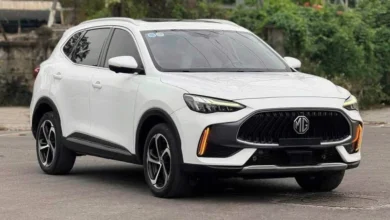
Market analysis indicates that competition is no longer confined to the traditional rivalry between the Toyota Vios, Honda City, and Hyundai Accent. These sedans are now fighting a losing battle against subcompact SUVs and crossovers that are priced similarly or only marginally higher. When faced with the choice between a discounted sedan and a crossover that offers a more commanding driving position and greater lifestyle versatility, a growing number of consumers are opting for the latter.
The Evolution of the Ride-Hailing Sector
The B-segment sedan’s decline is also closely tied to the transformation of the taxi and ride-hailing industry. Previously, these vehicles were the backbone of service fleets due to their fuel efficiency, low maintenance costs, and durability. However, the rapid electrification of the market and the rise of hybrid technologies have introduced new competitors that offer even lower operating costs per kilometer.
Fleet operators are increasingly shifting their procurement strategies toward electric vehicles (EVs) and hybrid models, which offer superior long-term savings on fuel and maintenance. As a result, the B-segment sedan has lost its monopoly on the "economical choice" narrative. With ride-hailing drivers and taxi companies favoring EVs, the traditional sedan is losing the high-volume demand that once shielded it from broader market volatility.
Timeline of the 2026 Market Contraction
- Q1 2026: Initial signs of a slowdown appear as consumer demand shifts toward B-segment SUVs. Promotional campaigns are introduced to maintain momentum.
- April–May 2026: Sales figures for sedans show a plateau, prompting manufacturers to increase registration fee support to 50%.
- July 2026: Market competition intensifies as more manufacturers implement 100% registration fee waivers. Despite these efforts, month-over-month sales growth remains negative.
- August 2026: The market hits a record low, with a 43.2% drop in sales compared to July. The data confirms a clear, sustained decline for the segment.
Implications for the Automotive Industry
The current struggle of the B-segment sedan is a clear reflection of a maturing market. Vietnamese consumers are becoming more sophisticated, focusing on total cost of ownership, lifestyle suitability, and future resale value rather than just the initial purchase price.
The success of models like the Toyota Yaris Cross, Hyundai Creta, KIA Seltos, and Sonet—which have all recorded growth while their sedan counterparts falter—demonstrates that the market is not necessarily shrinking; rather, it is reallocating capital toward vehicles that offer better utility.
For manufacturers and distributors, the lesson is clear: price cuts alone cannot counteract fundamental shifts in consumer preferences. The B-segment sedan, while historically significant, is at a crossroads. To remain relevant, these vehicles must offer more than just a lower price tag. They must provide unique value propositions, such as advanced safety features, hybrid powertrains, or superior connectivity, to compete with the rising tide of high-ground-clearance vehicles.
As the industry looks toward the end of 2026, the trajectory for the B-segment sedan remains uncertain. Unless there is a significant innovation or a new approach to positioning these vehicles, they risk becoming a niche category rather than the dominant market force they once were. The transition from a "price-first" to a "value-first" consumer mindset is a definitive trend that will continue to shape the Vietnamese automotive landscape for years to come.