Vietnamese Auto Market Shifts in September 2026: Mitsubishi Triton Surges to Lead ICE Vehicle Sales Ahead of Mazda CX-5

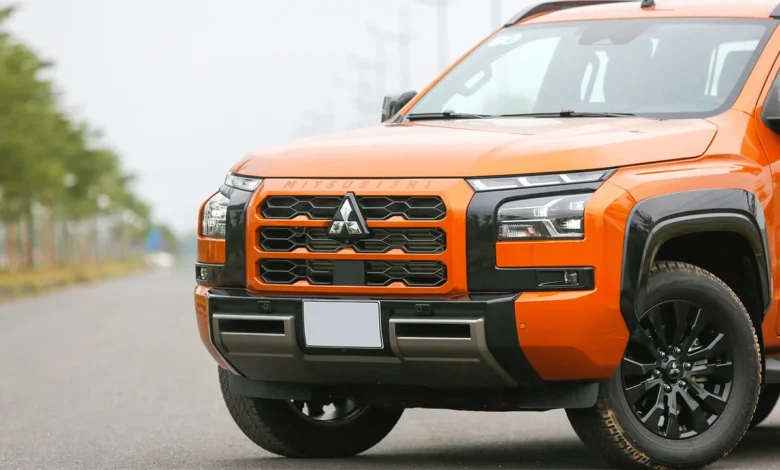
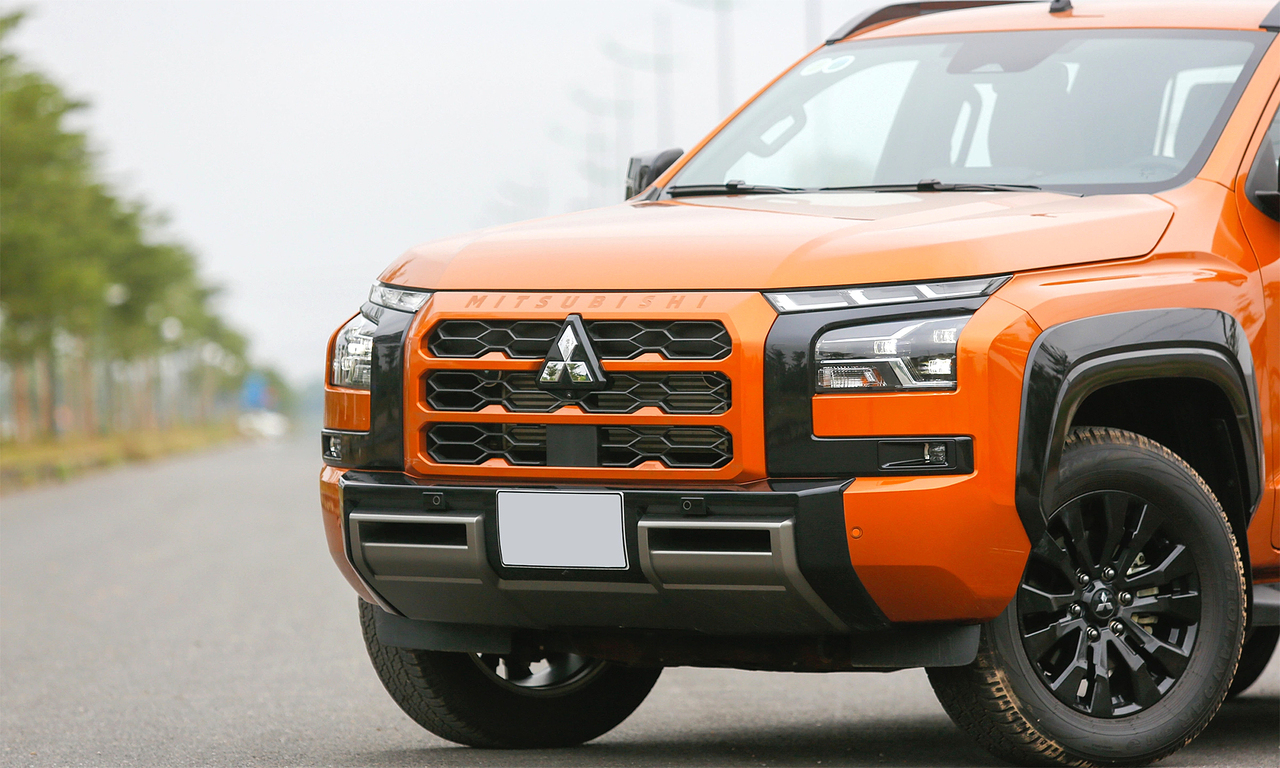
The automotive landscape in Vietnam experienced a notable realignment during the early weeks of September 2026, driven by changing consumer preferences, aggressive manufacturer incentives, and the steady introduction of upgraded model year lineups. Data compiled for the period leading up to Sunday, September 13, 2026, highlights a fiercely competitive internal combustion engine (ICE) vehicle market. Mitsubishi’s revamped lineup captured the public imagination—and substantial market share—propelling the Mitsubishi Triton to the summit of domestic ICE sales with an impressive 1,145 units sold. Hot on its heels was the ever-popular Mazda CX-5, securing second place with 1,092 units delivered to customers nationwide.
This dynamic sales period reflects broader macroeconomic trends in Southeast Asia’s burgeoning automotive hub. As supply chain stabilization meets shifting consumer demands for versatility, safety, and modern design, local dealerships have witnessed a surge in foot traffic, particularly around mid-sized pickup trucks and crossover SUVs. The competitive pressure among segment leaders underscores a maturing market where buyers weigh price-to-value ratios more critically than ever.
Market Dynamics and the Race for the Top Spot
The acceleration of sales for both the Mitsubishi Triton and the Mazda CX-5 underscores the diversity of consumer demand in Vietnam. While urban and family-oriented buyers continue to heavily favor crossover utility vehicles (CUVs) for their daily commuting and weekend travel needs, commercial operators and outdoor enthusiasts are increasingly turning toward rugged, feature-rich pickup trucks that double as comfortable daily drivers.

Mitsubishi’s strategic positioning of the Triton family has paid substantial dividends. By offering a comprehensive array of trims tailored to various budget and capability requirements, the brand successfully captured both commercial fleets and lifestyle buyers. Meanwhile, the Mazda CX-5 maintained its stronghold as a premier choice in the compact crossover segment, appealing to motorists seeking refined aesthetics, advanced driver assistance systems (ADAS), and a sophisticated interior layout without entering the luxury price tier.
Comprehensive Sales Breakdown of Top Contenders
Industry data tracking sales figures across major automotive brands through mid-September 2026 highlights the volume leaders shaping the marketplace. Beyond the front-running duel between the Mitsubishi Triton and Mazda CX-5, several other popular nameplates demonstrated resilient market performance across multiple vehicle categories.

1. Mitsubishi Triton
- Total Sales: 1,145 units
- Origin: Imported
- Segment: Mid-size Pickup Truck
- Key Variants & Pricing (VND):
- Triton 2024 2WD AT GLX: 655 million
- Triton 2024 2WD AT Premium: 782 million
- Triton 2024 4WD AT Athlete: 924 million
- Analysis: The Triton’s robust performance stems from its recent generational updates, which introduced enhanced safety architectures, improved off-road capabilities, and more aggressive styling that appeals to modern pickup truck buyers.
2. Mazda CX-5
- Total Sales: 1,092 units
- Origin: Locally Assembled (CKD)
- Segment: Compact Crossover (Segment C)
- Key Variants & Pricing (VND):
- 2.0 Deluxe: 699 million
- 2.0 Deluxe Option: 749 million
- 2.0 Luxury: 789 million
- 2.0 Premium Active: 829 million
- 2.0 Premium Sport: 849 million
- 2.0 Premium Exclusive: 869 million
- 2.5 Signature Sport: 959 million
- 2.5 Signature Exclusive: 979 million
- Analysis: As a locally assembled vehicle, the CX-5 benefits from streamlined supply chains and attractive pricing strategies, allowing Mazda to maintain a dominant presence against imported rivals.
3. Toyota Yaris Cross & Innova Cross
- Toyota Yaris Cross (B-SUV Segment, Imported):
- Version V: 650 million VND
- Version HEV (Hybrid): 728 million VND
- Toyota Innova Cross (Mid-size MPV Segment, Imported):
- Version 2.0G: 730 million VND
- Version 2.0V: 825 million VND
- Version 2.0HEV (Hybrid): 960 million VND
- Analysis: Toyota continues to secure steady volume by capitalizing on eco-conscious buyers through its hybrid electric vehicle (HEV) offerings, aligning with national goals toward reduced emissions and fuel efficiency.
4. Ford Ranger
- Total Sales: 729 units
- Origin: Locally Assembled / Imported (depending on variant)
- Segment: Mid-size Pickup Truck
- Key Variants & Pricing (VND):
- XL 2.0 4×4 MT: 669 million
- XLS 2.0 4×2 MT: 669 million
- XLS 2.0 4×2 AT: 707 million
- XLS 2.0 4×4 AT: 776 million
- Wildtrak 2.0 4×4 AT: 949 million
- Stormtrak 2.0 4×4 AT: 1.039 billion
- Wildtrak 3.0 4×4 AT: 1.093 billion
- Analysis: Though traditionally a titan in the pickup segment, the Ford Ranger faced intense competition during this specific reporting cycle, yielding the top spot to Mitsubishi while maintaining a solid baseline of nearly 730 deliveries.
5. Ford Everest
- Total Sales: 690 units
- Origin: Imported
- Segment: Mid-size SUV (Segment D)
- Key Variants & Pricing (VND):
- Active 2.0 AT 4×2: 1.129 billion
- Sport 2.0 AT 4×2: 1.209 billion
- Platinum 2.0 AT 4×2: 1.335 billion
- Platinum 2.0 AT 4×4: 1.440 billion
- Platinum+ 2.3 AT 4×4: 1.629 billion
- Analysis: The Everest remains a preferred choice for large families and corporate fleet buyers seeking rugged frame-on-frame durability combined with high-end cabin amenities.
6. Kia Seltos
- Total Sales: 686 units
- Origin: Locally Assembled
- Segment: Subcompact Crossover (Segment B)
- Key Variants & Pricing (VND):
- 1.5 AT: 579 million
- 1.5 Deluxe: 599 million
- 1.5 Turbo Deluxe: 619 million
- 1.5 Luxury: 645 million
- 1.5 Turbo Luxury: 665 million
- 1.5 Premium: 699 million
- 1.5 Turbo GT Line: 799 million
- Analysis: Kia’s competitive pricing strategy and extensive trim options make the Seltos a mainstay for urban buyers entering the SUV market.
7. Mitsubishi Xpander & Xforce
- Mitsubishi Xpander (Small MPV, CKD/Imported):
- MT: 560 million VND | AT: 598 million VND | AT Premium: 659 million VND | Cross: 699 million VND
- Total Sales: 668 units
- Mitsubishi Xforce (B-SUV, Imported):
- GLX: 605 million VND | Luxury: 665 million VND | Ultimate: 720 million VND
- Total Sales: 664 units
- Analysis: Mitsubishi’s dual-threat strategy in the family transport and subcompact SUV sectors continues to yield high cumulative volume, reinforcing the brand’s heavy footprint in the Vietnamese market.
Chronology and Industry Background
The shifts observed in September 2026 did not occur in a vacuum. Throughout the preceding quarters, the Vietnamese government and local automotive associations monitored a fluctuating macroeconomic climate marked by shifting bank interest rates for auto loans and targeted promotional campaigns by joint-venture assembly plants.
As inventory levels normalized following earlier supply chain bottlenecks, manufacturers increasingly relied on aggressive marketing pushes, extended warranty packages, and localized price reductions. Dealership networks reported that consumers have become increasingly discerning, often cross-shopping models across different segments—such as comparing B-segment crossovers with traditional small sedans or evaluating entry-level MPVs against used multi-row SUVs.

Strategic Implications and Future Outlook
The strong sales performances of the Mitsubishi Triton and Mazda CX-5 signal a broader trend: Vietnamese consumers are prioritizing tangible value, advanced safety tech, and localized availability. Locally assembled models like the Mazda CX-5 and Kia Seltos continue to leverage lower production overheads to offer competitive pricing, while imported stalwarts like the Mitsubishi Triton prove that robust vehicle redesigns can successfully command market attention despite import logistics challenges.
Industry analysts suggest that as the market approaches the final quarter of 2026—historically the peak purchasing season for Vietnamese consumers ahead of the Lunar New Year—competition will intensify further. Brands with flexible financing solutions, well-stocked inventories of popular trims, and expanding dealer networks are expected to capture the lion’s share of upcoming consumer demand.