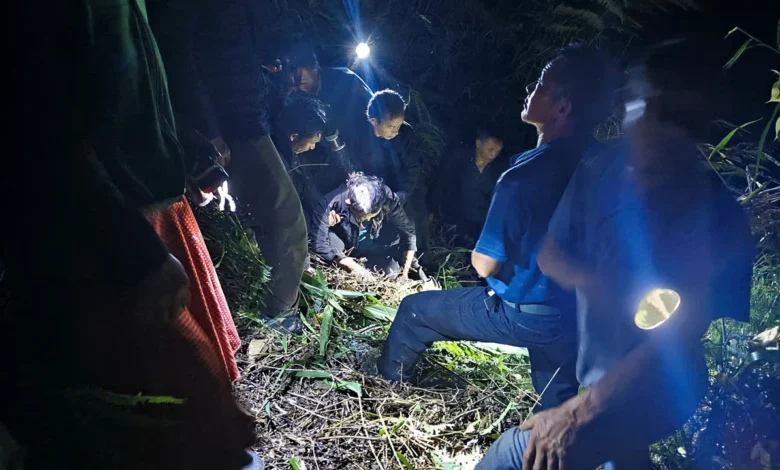
A dramatic search and rescue operation in the mountainous province of Tuyen Quang has concluded with the successful recovery of a 62-year-old man who had been missing in the forest for nearly twelve hours. The victim, identified as Mr. Thao Va Sung, a resident of Thang Ma Commune, was discovered unconscious at the bottom of a ravine following a fall that left him incapacitated and unable to call for help. The operation, which involved local authorities, military personnel, and border guards, highlighted the logistical challenges of performing search and rescue missions in the rugged, forested terrain of northern Vietnam.
Chronology of the Incident
The sequence of events began on the morning of October 25, 2026. At approximately 10:00 a.m., Mr. Sung entered the forest near the stream in Ha Gia village to gather firewood, a routine activity for many residents living in the upland areas of Tuyen Quang. However, as the afternoon progressed and the temperature began to drop, Mr. Sung failed to return to his home.
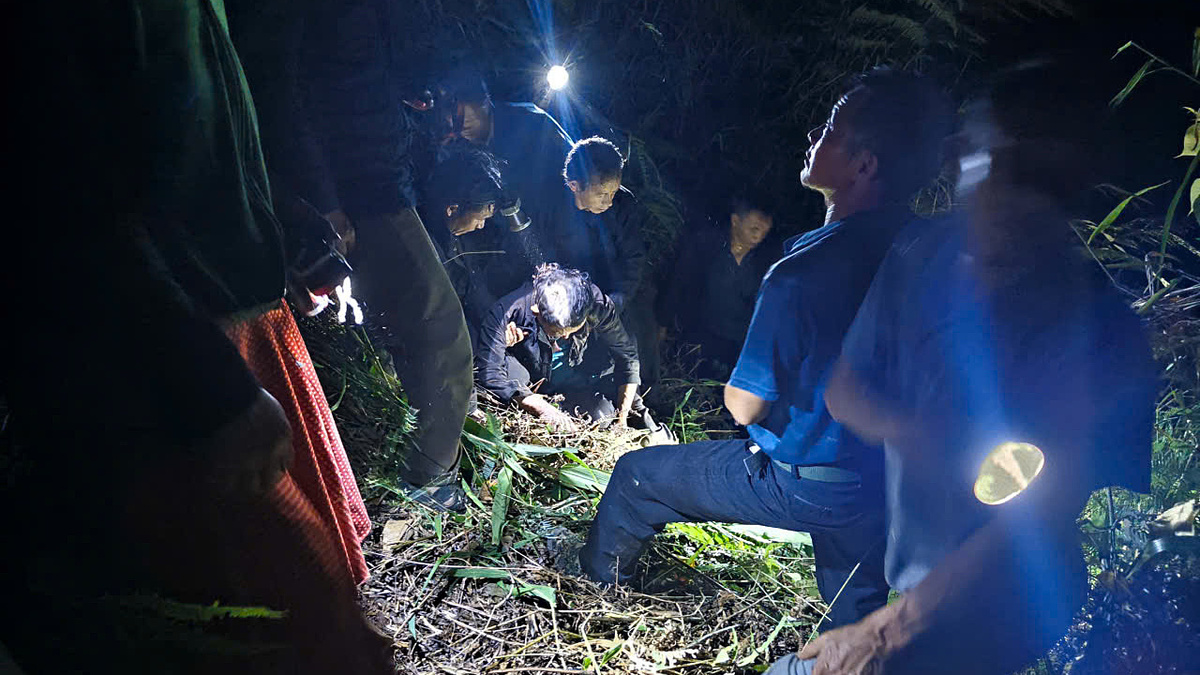
Concerned by his absence, his family initiated a search in the immediate vicinity. When their initial efforts proved unsuccessful, they promptly alerted local authorities. By early evening, a coordinated rescue mission was organized. The search party comprised 17 personnel, including members of the local military, commune police, and border guard units, all of whom possess specialized knowledge of the local geography.
The operation continued through the night, a period characterized by plummeting temperatures and limited visibility, which significantly hampered the search efforts. At approximately 9:30 p.m., searchers located Mr. Sung’s hat near the bank of a stream. This discovery proved critical, as it provided a focal point for the search teams. Thirty minutes later, at 10:00 p.m., responders found Mr. Sung lying unconscious in a ravine, approximately 400 meters from where his hat had been recovered.
Medical Status and Emergency Evacuation
Upon discovery, it was evident that Mr. Sung had suffered significant physical trauma. He presented with multiple injuries, including wounds to his head, legs, and facial area. Due to the severity of his condition and his inability to move, the rescue team had to act with extreme caution to avoid exacerbating his injuries.
The evacuation process was described by participants as highly arduous. Because the location was inaccessible to motorized vehicles, rescuers and family members constructed an improvised stretcher to carry Mr. Sung through the dense forest and across the stream. The team navigated the difficult terrain for several hours before reaching the local health station for initial stabilization. Following the emergency medical assessment, he was subsequently transferred to the Yen Minh General Hospital for specialized treatment. As of October 26, officials confirmed that Mr. Sung had regained consciousness and was receiving necessary medical care.
Geographical and Environmental Context
The incident occurred in the Tuyen Quang region, an area known for its mountainous topography, dense forests, and complex network of streams and ravines. Such regions present inherent risks for local residents who rely on the forest for subsistence, such as foraging or gathering firewood.
Geographic experts note that the limestone karsts and steep slopes common in this part of northern Vietnam are prone to slippage, particularly after periods of rain or due to loose surface soil. For individuals walking alone in these areas, a minor misstep can lead to severe injury, especially when the victim is unable to communicate their location to others. The fact that the rescue was successful within a twelve-hour window is considered a testament to the rapid response of the local community and government authorities, who mobilized immediately upon receiving the distress signal.
Analysis of Search and Rescue Operations in Remote Areas
The rescue of Mr. Sung underscores the critical importance of preparedness and inter-agency coordination in rural Vietnamese provinces. In remote areas where mobile phone reception is often non-existent, the reliance on traditional search methods—such as physical tracking and local knowledge—remains paramount.
According to standard safety protocols for forest management in Tuyen Quang, residents are consistently advised to travel in groups when entering dense forest areas and to inform neighbors or family members of their expected route and return time. When these protocols are followed, the window for effective search and rescue is significantly widened. In this case, the family’s quick decision to contact authorities once Mr. Sung missed his expected return time was the deciding factor in the success of the mission.
The involvement of 17 officials from diverse sectors—military, police, and border guards—demonstrates the "four-on-the-spot" (phuong cham 4 tai cho) motto frequently emphasized by Vietnamese disaster response agencies. This policy encourages local authorities to utilize existing resources immediately to mitigate damage and save lives before higher-level support can be requested.
Broader Implications and Safety Warnings
The provincial government of Tuyen Quang and local authorities in Thang Ma Commune have used this event to reiterate safety warnings to the public. Officials have urged citizens to exercise extreme caution when performing labor-intensive tasks in mountainous areas, particularly as the season changes and weather conditions become more unpredictable.
The incident also highlights the ongoing need for medical infrastructure in remote regions. The transition from a makeshift stretcher in the forest to professional care at the Yen Minh General Hospital emphasizes the vital role of the local health clinic as a bridge between the field and higher-level medical centers.
While the primary cause of the incident has been identified as a accidental slip on the terrain, the broader implication remains the physical toll that manual forest labor takes on the aging rural population. As many young people migrate to urban centers for work, the demographic left to manage agricultural and forestry tasks often consists of older individuals. This demographic shift necessitates increased attention to rural safety, better communication infrastructure in deep forest areas, and perhaps more robust community-based emergency response training for elderly residents.
In conclusion, the rescue of Mr. Thao Va Sung serves as both a relief to his family and a stark reminder of the dangers inherent in the rugged, isolated landscapes of northern Vietnam. The coordinated effort by the rescue teams in Tuyen Quang reflects the efficacy of local emergency response systems, yet it also serves as a catalyst for local authorities to reinforce safety guidelines for those who continue to rely on the forest for their livelihood. As Mr. Sung recovers at the hospital, the community of Thang Ma looks forward to his return, while authorities continue to monitor the conditions of the forest tracks that lead to his village.
Related posts: