Ladakh Beyond the Peaks: How Tourism Infrastructure and Gastronomy are Transforming a Himalayan Frontier

For decades, the mention of Ladakh—the high-altitude desert region tucked away in the northernmost reaches of India—evoked images of extreme isolation, rugged landscapes, and Spartan living conditions. Travelers embarking on the journey to this "Land of High Passes" were traditionally greeted with a standard set of anxieties: "What will I eat?" and "Where will I sleep?" These were not mere concerns of comfort; they were logistical hurdles in a region where oxygen levels drop, temperatures plummet, and infrastructure is constantly challenged by the harsh, high-mountain climate. However, in recent years, a quiet revolution has taken place. As tourism numbers surge and global connectivity improves, Ladakh is shedding its reputation for being a destination only for the ultra-adventurous, emerging instead as a sophisticated hub that seamlessly blends its ancient Himalayan heritage with modern hospitality standards.
The Evolution of Himalayan Hospitality
The transformation of Ladakh’s tourism sector can be traced back to the last decade, driven by increased accessibility through improved flight connectivity from New Delhi and a growing global interest in experiential travel. According to regional tourism data, Ladakh has witnessed a significant uptick in international and domestic tourist arrivals, with annual figures climbing steadily. This influx has necessitated a rapid, yet deliberate, adaptation of the local service industry.
In the past, the primary challenge for tour operators was managing visitor expectations regarding basic amenities. In remote areas like the Pangong Tso or Tso Moriri lakes, which sit at altitudes exceeding 4,000 meters, the absence of central heating, running water, and reliable communication was the norm. Today, however, the narrative has shifted. Entrepreneurs and local residents, recognizing the needs of a diverse global clientele, have invested in infrastructure that balances the sensitivity of the fragile Himalayan ecosystem with the necessity for creature comforts.
A Gastronomic Odyssey at 11,000 Feet
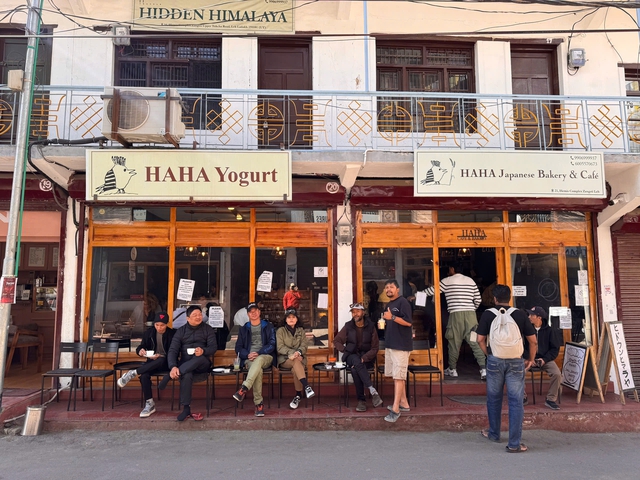
One of the most striking changes is the culinary landscape. Leh, the capital of Ladakh, has become an unlikely melting pot of global cuisines. For many years, the local diet was strictly defined by the availability of high-altitude crops and traditional Tibetan-influenced fare such as thukpa (noodle soup) and momo (steamed dumplings). While these remain staples, the contemporary scene in Leh now features restaurants serving everything from Korean kimchi stews and Japanese ramen to Italian pizza and classic Indian curries.
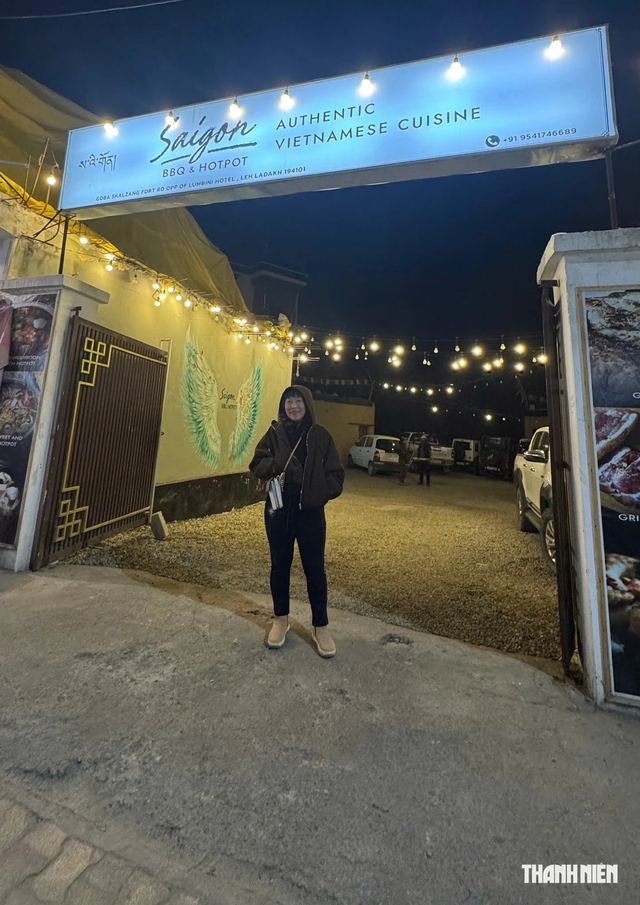
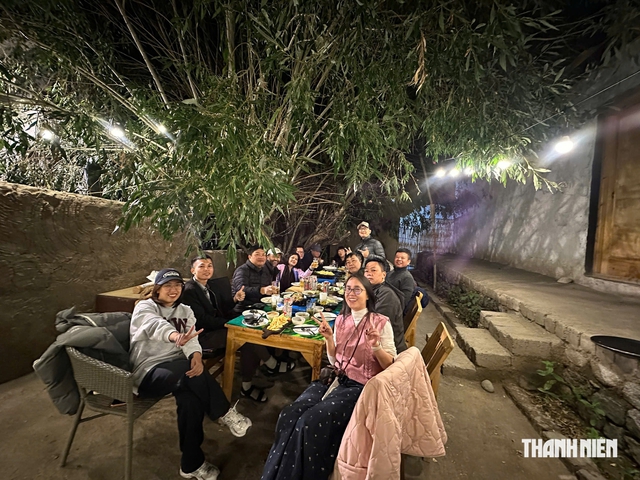
This shift is not merely a catering exercise; it represents a strategic response to the changing demographics of travelers. For instance, the presence of establishments like the "Saigon" restaurant in the heart of Leh is a testament to the growing number of Vietnamese tourists choosing Ladakh as their destination. Local business owners report that they now coordinate with suppliers in Delhi to ensure that ingredients—many of which cannot be grown in the arid, high-altitude soil of Ladakh—are transported via road and air to meet the demand.
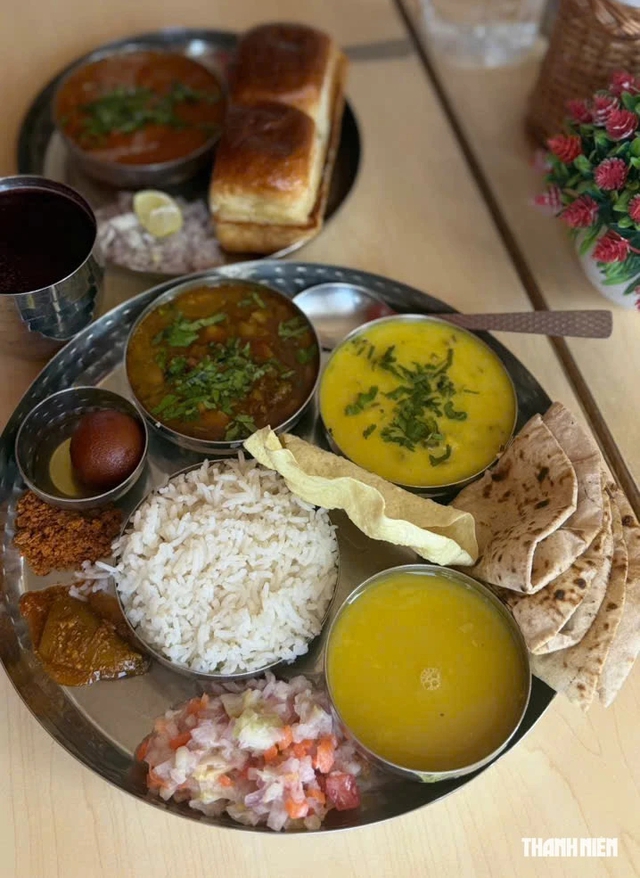
Industry experts note that this evolution in food service is a deliberate "de-risking" strategy for the tourism sector. By ensuring that travelers have access to familiar, high-quality, and nutritious meals, operators are helping visitors acclimatize better to the altitude, as nutritional stability is a key factor in preventing and managing Acute Mountain Sickness (AMS).
Modernizing Accommodation: Comfort in the Clouds
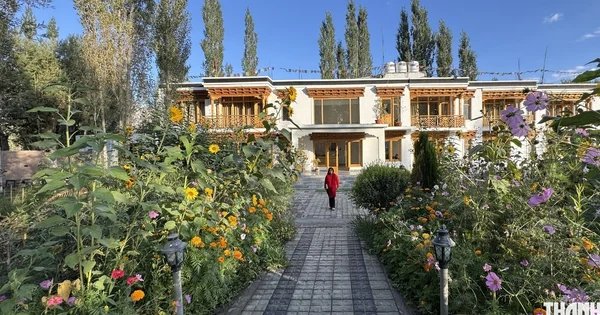
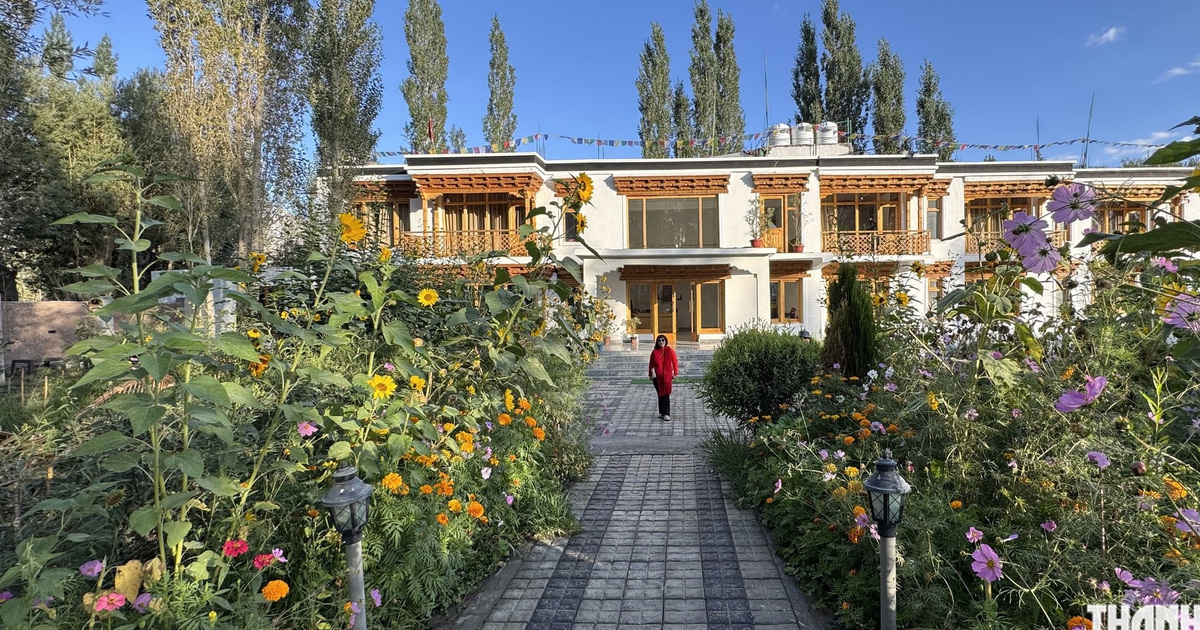
The shift in lodging is equally profound. Where once travelers were limited to basic homestays, there is now a burgeoning market for boutique hotels that prioritize both aesthetic appeal and environmental sustainability. Establishments such as the Palam Hills Hotel and the Karakoram Residency in the Nubra Valley exemplify this new standard.
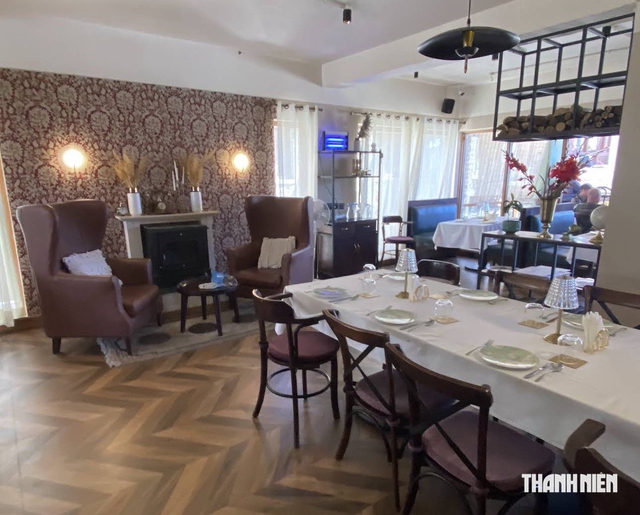
The design philosophy of these modern properties is centered on the concept of "contextual luxury." Owners, many of whom are trained architects or engineers, have designed these spaces to withstand extreme winters while providing features like heated flooring, hot water systems, and reliable Wi-Fi.
"We study what the modern traveler wants, but we insist that the architecture remains true to the Ladakhi identity," says Rigzin Wangdus, owner of the Karakoram Residency. "We spend two years or more planning a structure that respects the landscape. We want our guests to feel the warmth of the culture, not just the comfort of the room."

This commitment extends to the most remote corners of the region. Even in areas where permanent construction is difficult, operators have pioneered "tent-resort" models that provide thermal insulation and high-quality bedding. During the colder months, many of these lodges now provide guests with hot water bottles and specialized heating solutions, ensuring that the dream of "sleeping among the stars" at Pangong Lake does not come at the cost of a freezing night.
Economic and Social Implications
The rapid professionalization of the hospitality industry has had significant socio-economic impacts on the local population. It has created a diversified job market, moving beyond traditional agriculture and pastoralism into hospitality management, culinary arts, and logistics.
However, this growth brings with it a set of challenges. The dependency on supply chains from outside the region—specifically from Delhi—highlights the vulnerability of Ladakh’s infrastructure to weather-related disruptions. Furthermore, the increased water and energy consumption associated with modern hotels necessitates rigorous environmental management to prevent the degradation of the very landscape that draws tourists to the region.
Local authorities and the Ladakh Tourism Department have begun implementing guidelines to ensure that this growth remains sustainable. These include waste management protocols and water-usage restrictions, which are critical in a region where water is a precious, limited resource.
A Timeline of Transformation
- Pre-2015: Ladakh is primarily a backpacker’s destination; infrastructure is minimal, and travelers rely on rudimentary homestays and basic, local-only diets.
- 2016–2019: Improved road connectivity and increased flight frequency lead to a spike in domestic tourism. The first wave of boutique hotels emerges in Leh.
- 2020–2021: The pandemic causes a temporary halt, allowing for a strategic rethink of tourism policies, focusing on high-value, low-impact travel.
- 2022–Present: A post-pandemic surge in international travel sees the diversification of food and lodging options. Specialized tour companies (such as Letu Adventure) emerge, focusing on personalized experiences for specific nationalities, including groups from Vietnam, Korea, and Europe.
The Future of the High-Altitude Frontier
The transformation of Ladakh is a testament to the resilience and adaptability of its people. By embracing the global demand for comfort without sacrificing the soul of their land, the people of Ladakh have successfully navigated the transition from a remote outpost to a world-class destination.
For the modern traveler, the "difficult" Ladakh of the past is fading. In its place is a region that offers the rare combination of raw, untamed natural beauty and the thoughtful, sophisticated services that make such an environment accessible to a wider demographic. As the region continues to develop, the focus will likely remain on finding the delicate balance between progress and preservation, ensuring that the "Land of High Passes" remains a sanctuary for those seeking to reconnect with the majesty of the Himalayas.