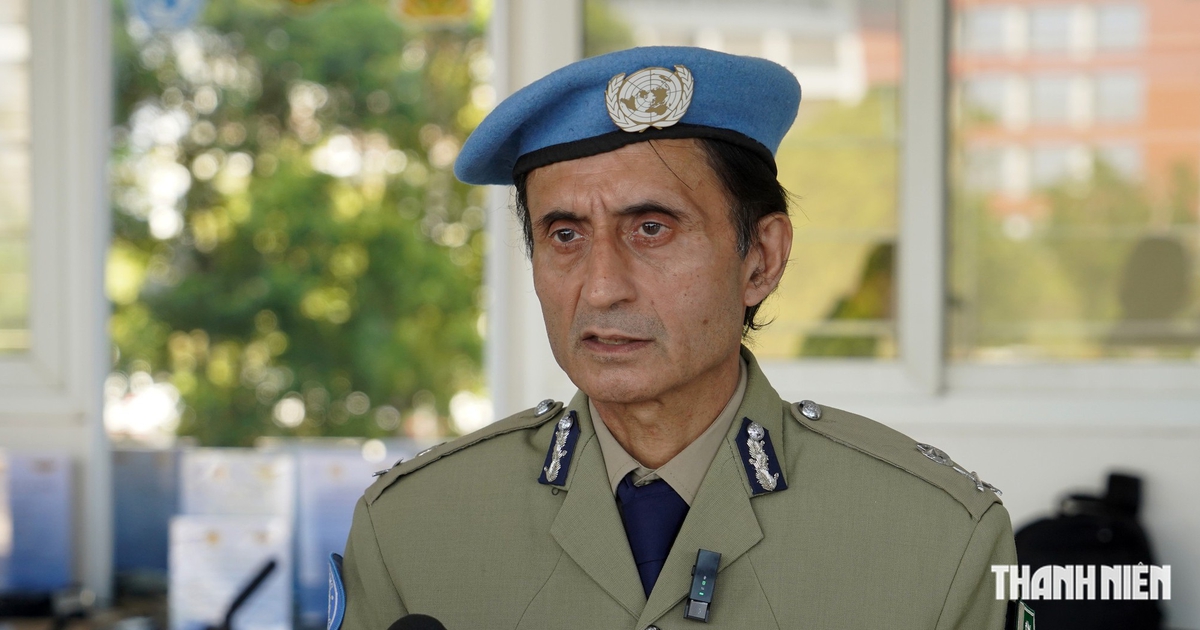
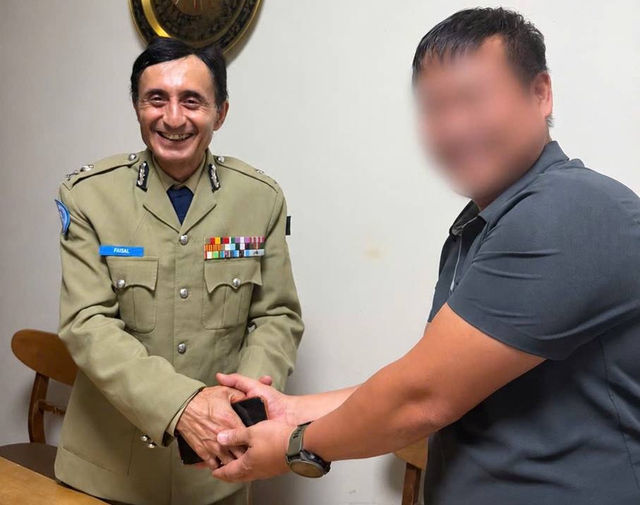
UN Police Commissioner Faisal Shahkar receives assistance from Vietnam Police to recover lost personal property

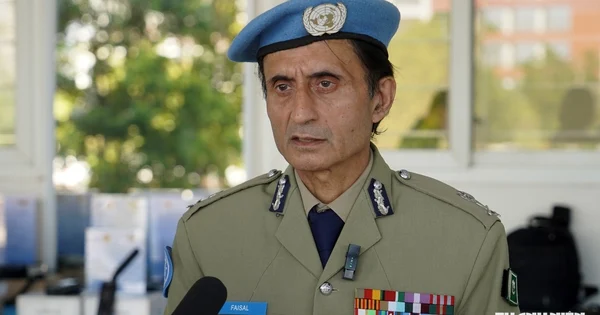
During a recent high-level diplomatic and professional visit to Vietnam, United Nations Police Commissioner Faisal Shahkar experienced an unforeseen incident that resulted in the loss of his personal mobile device. The swift and professional response of the Vietnam People’s Public Security, particularly the Hanoi Municipal Police, not only facilitated the rapid recovery of the item but also served as a testament to the operational efficiency and dedication of the local law enforcement agencies. This incident, while minor in nature, has highlighted the robust capabilities of Vietnam’s security apparatus and underscored the strengthening partnership between the United Nations and the Vietnamese Ministry of Public Security regarding international peacekeeping initiatives.
The Incident in Hoan Kiem District
The incident occurred during a morning commute in the heart of Hanoi. Commissioner Faisal Shahkar, who was in the capital for an intensive series of meetings focused on enhancing peacekeeping capabilities, was traversing the historic Hoan Kiem district. It was during this time that he inadvertently lost his iPhone 17. Recognizing the potential security risks associated with the loss of such a device—which may contain sensitive professional communication—Commissioner Shahkar immediately reported the loss to the Hoan Kiem District Police.
Upon receiving the report, the Hoan Kiem District Police initiated an emergency response protocol. Recognizing the significance of the visitor and the urgency of the situation, the unit mobilized a specialized team to verify the timeline of events and conduct a systematic search. The investigation involved a multi-agency approach, coordinating efforts between the Hoan Kiem Police, the Traffic Police Division of the Hanoi Police Department, and the Hai Ba Trung District Police.
Chronology of the Recovery Operation
The recovery process was a model of inter-departmental cooperation. By utilizing the city’s integrated traffic monitoring systems and surveillance footage from the areas identified in the Commissioner’s itinerary, the task force was able to trace the device’s movement.
The coordination was particularly complex, as it required real-time communication between the precinct-level officers and the municipal traffic command. By cross-referencing witness accounts and digital data, the officers were able to identify the individual who had discovered the device. Following a swift verification process, the property was secured and returned to Commissioner Shahkar. The entire operation, from the initial report to the successful return of the phone, was concluded with a speed that reflected the high level of training and professionalism within the Hanoi police force.
A Formal Expression of Gratitude
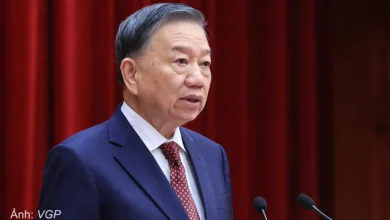
Following the successful resolution of the matter and the conclusion of his official visit, which spanned from October 5 to October 9, Commissioner Faisal Shahkar addressed a formal letter to the Minister of Public Security, General Luong Tam Quang. In his correspondence, the Commissioner expressed his profound appreciation for the assistance provided by the Hanoi police.
"The professionalism, dedication, and readiness of the officers in the Hoan Kiem, Hai Ba Trung, and the Traffic Police divisions were exemplary," the Commissioner noted in his remarks. He specifically highlighted that the conduct of the personnel throughout the duration of his stay in Hanoi left a lasting positive impression, characterizing the officers as not only efficient but deeply committed to public service and hospitality.
In response, Minister Luong Tam Quang commended the local units for their rapid and responsible intervention. The Ministry emphasized that the incident served as a practical demonstration of the professional standards, technical proficiency, and "service-oriented" philosophy that the Vietnam People’s Public Security strives to uphold.
Contextualizing the Visit: Peacekeeping Training
The recovery of the device was but a small footnote in a much more significant mission. Commissioner Faisal Shahkar’s visit to Vietnam was primarily centered on the evaluation and development of the Vietnam Peacekeeping Training Center. On October 7, the Commissioner traveled to the facility located in Hoang Hoa Tham, Hung Yen, to observe comprehensive training exercises and engage in high-level consultations regarding the deployment of Vietnamese police officers to UN missions.
Vietnam has been increasingly active in its commitment to United Nations peacekeeping operations. By participating in these missions, Vietnam contributes to global stability, conflict resolution, and the protection of civilians in volatile regions. The Commissioner’s presence was intended to assess whether the current training curricula meet the rigorous standards required for modern peacekeeping environments.
Analysis: Vietnam’s Evolving Role in UN Peacekeeping
During the visit, Commissioner Shahkar expressed his high regard for the quality of the Vietnamese peacekeeping force. He particularly praised the "determination and readiness to learn" displayed by the trainees. From an analytical perspective, this visit marks a crucial juncture for Vietnam’s international security footprint.
According to the Commissioner, Vietnam remains a relatively new entrant in the field of police peacekeeping. Because of this, the transfer of practical, field-tested knowledge from seasoned UN officials to the next cohort of Vietnamese peacekeepers is vital. The UN Police Commissioner emphasized that such knowledge sharing is not a one-way street; it involves a continuous feedback loop where returning officers provide insights that refine the training protocols for those who are yet to deploy.
The Commissioner projected that with the current trajectory of training and the integration of international best practices, the Vietnamese police forces could emerge as one of the most capable and well-prepared contingents within the UN system within the next one to two years. This would signify a major shift in Vietnam’s ability to project soft power through humanitarian and security-focused diplomacy.
Broader Implications for Law Enforcement
The incident involving the Commissioner’s lost property has broader implications for how the international community perceives Vietnam’s internal security environment. For a high-ranking UN official to receive such immediate and effective support reinforces the perception that Vietnam is a safe, stable, and highly organized nation.
Furthermore, the integration of technology—specifically the use of traffic signaling control and urban surveillance—demonstrates that the Hanoi Police Department is modernizing its infrastructure to meet the demands of a growing, globalized metropolis. The ability to coordinate across multiple administrative districts to resolve a singular issue indicates a level of bureaucratic agility that is often cited as a key indicator of institutional health.
Conclusion: Strengthening International Ties
The interaction between Commissioner Faisal Shahkar and the Vietnam People’s Public Security serves as a microcosm of broader international relations. It highlights that the efficacy of a nation’s security forces is not measured solely by its ability to manage large-scale threats, but also by its commitment to the safety and well-being of those it hosts, regardless of their status.
As Vietnam continues to expand its participation in global peacekeeping missions, the bonds formed through such interactions—both on the field of training and in the context of administrative cooperation—will prove invaluable. The Ministry of Public Security’s successful handling of this event has effectively solidified the trust and professional respect between the UN and Vietnam, paving the way for more robust collaboration in the years ahead. As Commissioner Shahkar noted, the combination of professional expertise and a spirit of service is the cornerstone of effective policing, and it is a quality that is clearly thriving within the Vietnamese ranks.