Phân khúc SUV 7 chỗ cỡ lớn tại Việt Nam đang trở nên sôi động với cuộc đổ bộ của hàng loạt mẫu xe mới

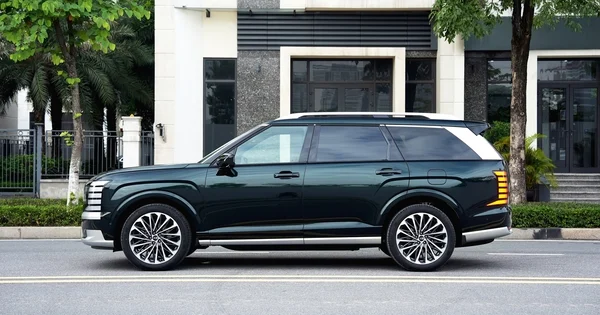
The automotive landscape in Vietnam is undergoing a profound transformation as the large-size, seven-seater SUV segment evolves from a niche market into a fiercely competitive arena. Historically defined by a limited selection of premium imports, the segment is currently experiencing a surge in activity, characterized by the influx of hybrid powertrains, pure electric vehicles (EVs), and aggressive market entries from Chinese manufacturers. This shift reflects a broader change in consumer preferences, as the Vietnamese middle and upper-middle class increasingly favor high-clearance, versatile vehicles that combine prestige, space, and modern technology.
A Historical Context: From Niche to Mainstream
A decade ago, the large seven-seater SUV segment in Vietnam was a predictable landscape. For most affluent buyers, the decision-making process was limited to a few legendary names. The Toyota Land Cruiser Prado and the Ford Explorer were the pillars of this category, representing the gold standard for full-size family transport. These vehicles were often perceived as status symbols, typically commanding price tags starting from 2 billion VND.
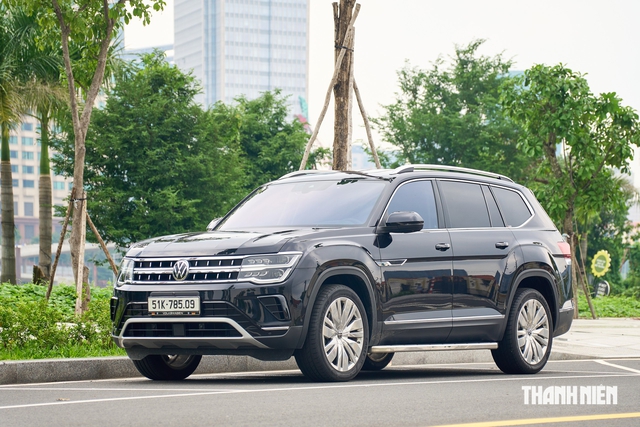
The market saw a slight diversification in 2016 with the introduction of new contenders, and later in 2021, when the Volkswagen Teramont arrived, offering a European alternative to the established Japanese and American models. Despite these additions, the segment remained relatively static, catering to a specific demographic that prioritized brand legacy and mechanical reliability over rapid technological innovation.
The Turning Point: 2023 and the Acceleration of Choice
The year 2023 served as a critical inflection point for the Vietnamese SUV market. The official distribution of the Hyundai Palisade signaled a change in the competitive dynamic, offering a high-end three-row SUV experience at a price point that made it significantly more accessible than its luxury-import counterparts. This democratization of the segment forced existing players to re-evaluate their pricing strategies and feature sets.
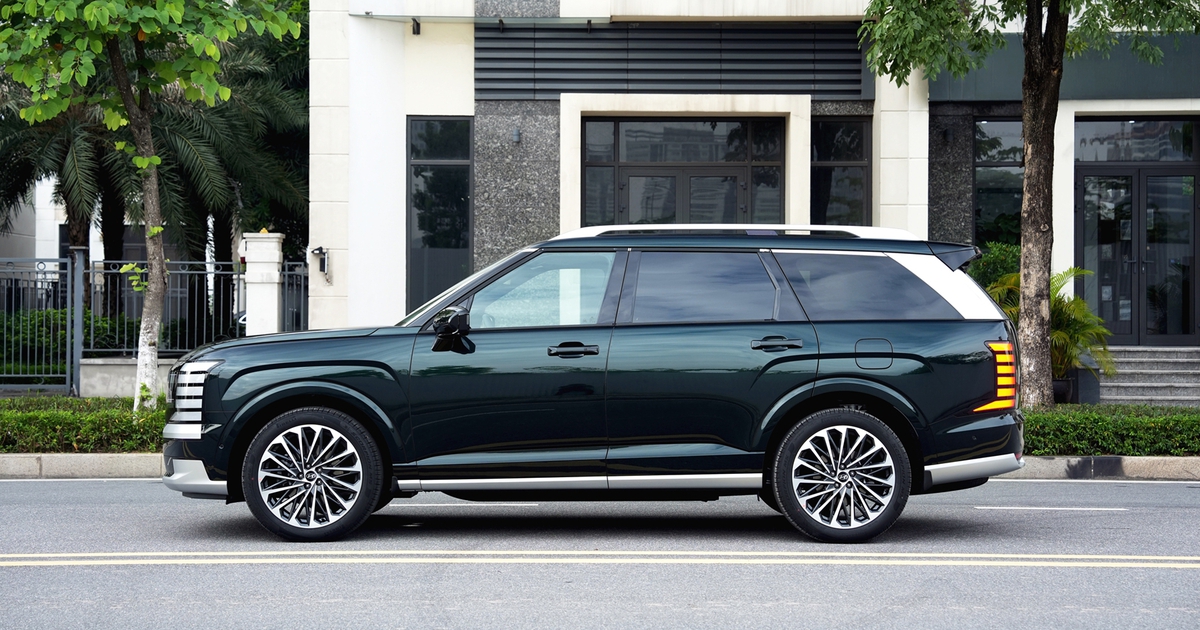
Simultaneously, the domestic manufacturer VinFast began the delivery of its flagship VF 9, representing the first serious push into the large electric SUV market. Shortly thereafter, the Chinese brand Lynk & Co entered the fray with the introduction of its sophisticated 09 model. This convergence of traditional internal combustion engine (ICE) powerhouses, hybrid innovation, and electric mobility has effectively broken the previous monopoly of the premium segment.
The 2026 Shift: Electrification and New Entrants
As of 2026, the competitive landscape has been further altered by the departure of long-standing models, such as the Ford Explorer, which has ceased official distribution. However, the void has been rapidly filled by a new wave of technologically advanced vehicles.
Volkswagen has reinforced its commitment to the market with the launch of the Teramont Pro in 2026, available in two versions priced between 2.799 billion and 2.888 billion VND. These imports from China highlight a growing trend where manufacturers utilize global supply chains to bring high-spec, feature-rich vehicles to Vietnam at competitive prices.
The most notable shift, however, is the rapid adoption of hybrid and electric propulsion. In October 2026, Hyundai unveiled the Palisade Hybrid, utilizing a 2.5-liter gasoline engine combined with an electric motor. With a starting price of 1.499 billion VND, this move effectively lowered the barrier to entry for the segment, challenging the dominance of traditional diesel-powered giants.
Furthermore, the introduction of the Mazda CX-90, with its sophisticated mild-hybrid technology, demonstrates that Japanese manufacturers are also pivoting toward electrification to remain relevant in a market that increasingly demands both performance and environmental responsibility.
Technological Diversification: The Rise of PHEVs and EREVs
The current market is no longer solely defined by size and luxury; it is defined by the underlying power delivery systems.
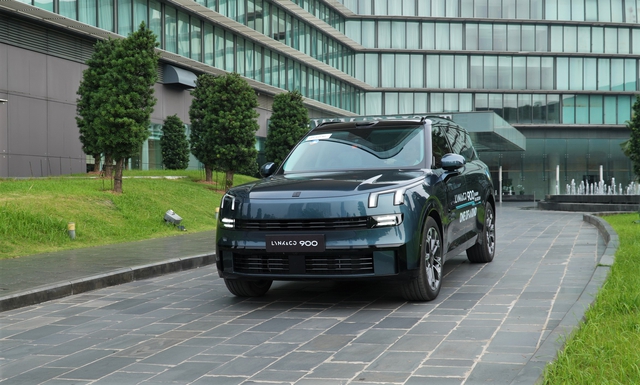
- Plug-in Hybrid (PHEV): The Lynk & Co 900, launched in mid-2026 for 3.069 billion VND, serves as a prime example of the premium PHEV segment, offering users the flexibility of electric driving for city commutes and the range of a gasoline engine for long-distance travel.
- Extended Range Electric Vehicles (EREV): Volkswagen is also looking to tap into this niche with the upcoming ID. ERA 9X. By using an electric motor supported by an onboard generator to extend range, the brand is targeting consumers who are ready to transition to EVs but remain concerned about charging infrastructure in Vietnam.
- Pure Electric: With the anticipated arrival of the BYD Ti7 (or a similar flagship SUV) by the end of 2026, the pure electric segment is expected to gain significant traction. During a recent event, BYD Vietnam representatives indicated that a large-size SUV is in the pipeline, which would position the brand as a direct challenger to both legacy premium brands and the domestic leader, VinFast.
Market Implications and Analysis
The rapid expansion of the large SUV segment is not merely a product of supply-side innovation; it is a reaction to shifting demographics. The modern Vietnamese buyer is younger, more tech-savvy, and less constrained by traditional brand loyalty. They are increasingly willing to consider Chinese, European, or Vietnamese-made vehicles if they provide superior connectivity, safety, and cabin comfort.
From an economic perspective, the entry of multiple brands into this space has created a "price ceiling" effect. As more choices emerge in the 1.5 billion to 3 billion VND range, manufacturers are finding it increasingly difficult to command the high premiums of the past without offering significant technological advantages.
Furthermore, the emphasis on hybrid and electric powertrains is a direct alignment with global sustainability goals, which are becoming more relevant in the Vietnamese regulatory environment. Manufacturers that fail to offer electrified options in their flagship lineups are at a distinct disadvantage compared to those that are aggressively marketing "green" credentials.
Future Outlook: Service and Infrastructure
While the product offerings are becoming increasingly impressive, the long-term success of these brands will depend on two critical factors: service and infrastructure. The transition to EVs and complex hybrid systems requires a robust after-sales network, including specialized technician training and reliable spare parts supply chains.
As stated by industry experts, the "wow factor" of a new vehicle can drive initial sales, but brand sustainability in the large SUV segment is built on the foundation of ownership experience. Consumers are now looking beyond the spec sheet to evaluate the total cost of ownership, the ease of maintenance, and the secondary market value of these sophisticated machines.
In conclusion, the large-size, seven-seater SUV segment in Vietnam has transitioned from a stable, predictable market into a vibrant, high-stakes competition. The influx of new technology, from hybrids to full-electric platforms, is reshaping the expectations of the Vietnamese consumer. As the race intensifies, the ultimate winner will be the buyer, who now enjoys more choices, better technology, and more competitive pricing than ever before. Whether the segment will continue to grow at this pace depends on how well manufacturers can balance the introduction of advanced technology with the essential requirement of building trust through reliable service.