Government Watchdogs Launch Comprehensive Audit into Multi-Billion Dong Riverbank Erosion Project in Phu Tho Province

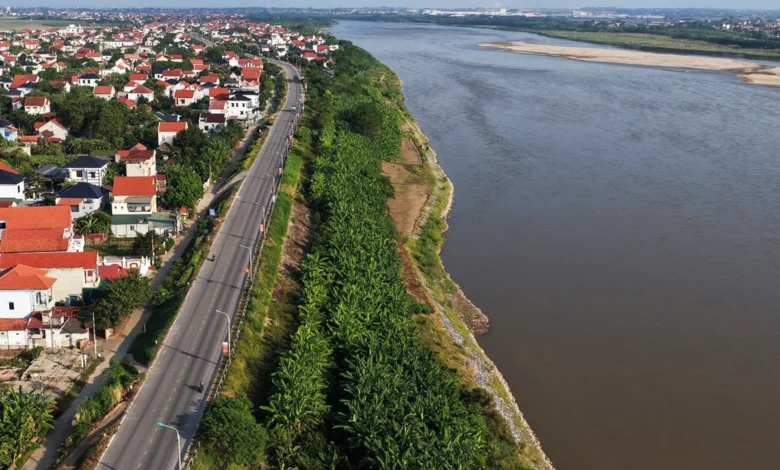
The Government Inspectorate of Vietnam has officially initiated a high-stakes investigation into the allocation, management, and utilization of financial resources for the urgent riverbank erosion control and embankment project in Ban Nguyen commune, Lam Thao district, Phu Tho province. Valued at over 46 billion VND, this critical infrastructure initiative is designed to protect local residential areas, agricultural lands, and vital transport routes running alongside the Thao River. As inspectors delve into the administrative and financial records spanning from 2023 through late 2026, the audit highlights broader concerns regarding transparency, fiscal governance, and project execution in public civil engineering works across the region.
Project Overview and Geographic Significance
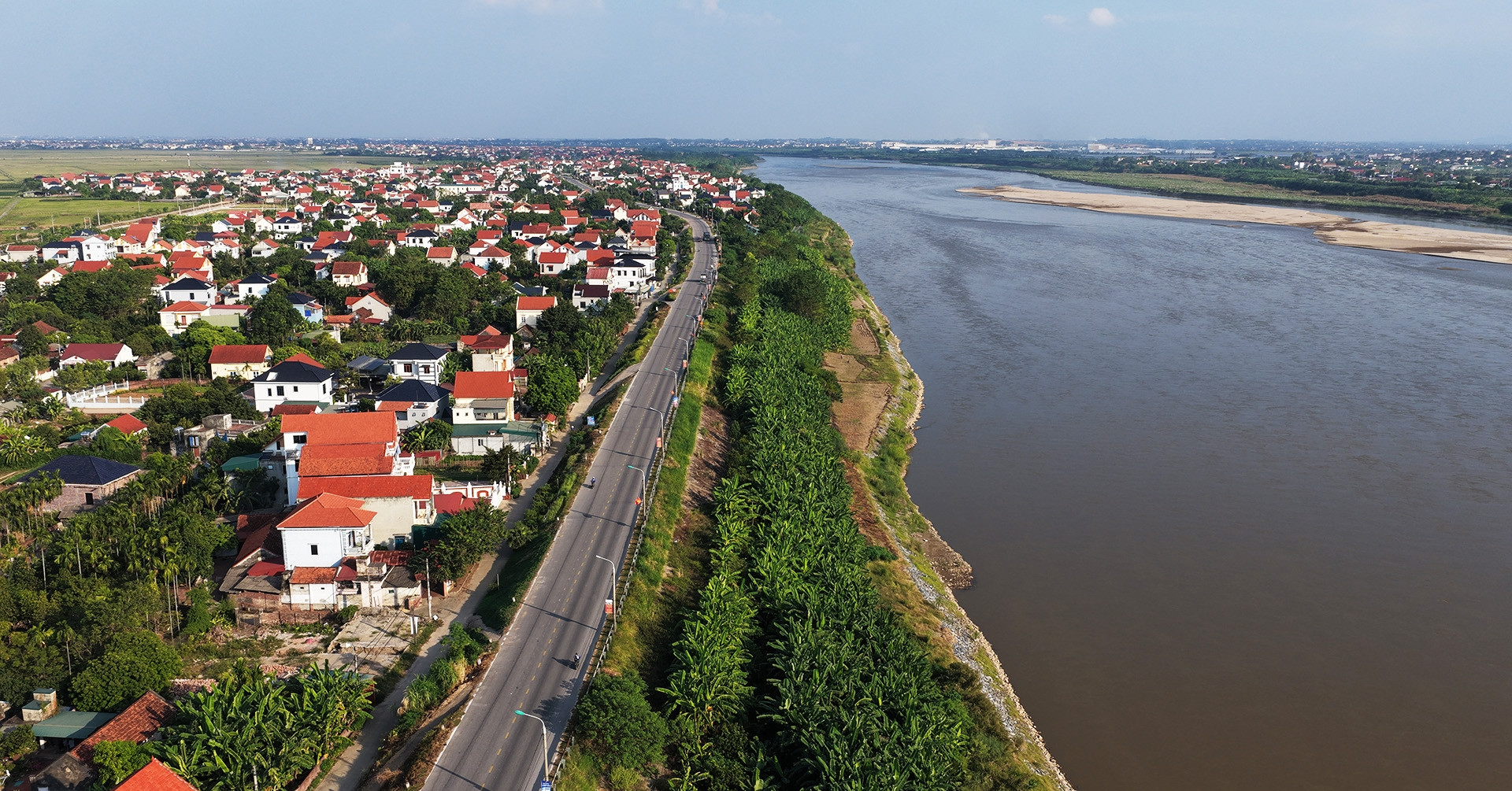
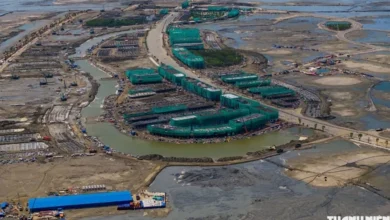
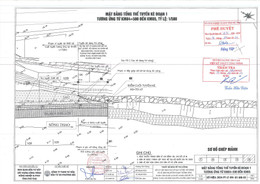
The riverbank stabilization initiative is strategically positioned along the Thao River within the administrative boundaries of Ban Nguyen commune in Lam Thao district. According to foundational project documentation, the engineering works cover two primary sections stretching from marker posts Km84+500 to Km85 and Km87 to Km89+200, achieving a combined length of approximately 2.7 kilometers.
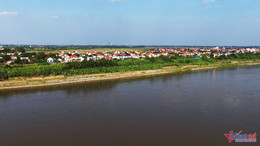
The geographical context of the project underscores its vital importance. The Thao River, a major tributary prone to dynamic hydrological shifts and seasonal flooding, has historically posed significant threats to local livelihoods. The designated project zones directly safeguard sprawling residential communities, local transport networks, and fertile agricultural fields heavily relied upon by local farmers. Without adequate reinforcement, recurring landslides and bank failures threaten not only private property and public infrastructure but also the regional agricultural economy.
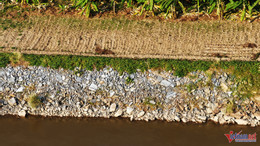
The engineering design incorporates extensive rock-armor reinforcement along the water’s edge, creating a robust barrier designed to absorb hydraulic pressures and prevent further soil displacement. Behind this stone embankment lies a network of reinforced pathways and protected earthworks, meticulously engineered to stabilize the vulnerable terrain.
Chronology of Project Development and Bidding Details
The realization of the Ban Nguyen embankment project followed a structured administrative timeline overseen by provincial authorities in Phu Tho. The chronology of development reflects standard public investment procedures in Vietnam:
- March 5, 2024: The People’s Committee of Phu Tho Province officially approved the investment policy for the riverbank erosion mitigation project, recognizing the urgent need to address escalating environmental risks along the Thao River.
- July 2024: Provincial authorities finalized and approved the comprehensive project dossier, clearing the path for detailed design and subsequent contractor selection.
- 2024 (Design and Execution Phase): The Department of Agriculture and Rural Development (DARD) of Phu Tho Province assigned the Agricultural and Rural Development Construction Investment Project Management Board to act as the primary investor.
- Contractor Selection and Financials: Following a competitive bidding process, the construction contract was awarded to a joint venture comprising Tu Lap Construction Company Limited and Construction Joint Stock Company 377. The winning bid totaled 46,147,026,000 VND (approximately 46.15 billion VND).
Funding for the massive undertaking is derived from a multi-tiered public financial framework, incorporating resources from the central government budget, provincial budgetary allocations, and other legally mobilized public funds.
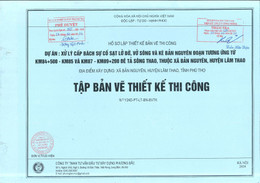
Contractual terms dictate that the construction package must be completed within 360 days, with a total contract implementation period set at 13 months, starting from the effective date of the contract. The agreement operates under a fixed-price contract model, designed to prevent cost overruns and insulate the state budget from unanticipated inflationary pressures on raw materials.
Local Perspectives and Infrastructure Efficacy
Local authorities have consistently emphasized the functional necessity of the embankment project. Speaking with news representatives, Mr. Ngo Quoc Sau, Chairman of the People’s Committee of Ban Nguyen commune, affirmed that the newly established engineering works have successfully fulfilled their primary mandate of shielding vulnerable riverbank areas and safeguarding local residents.
According to Mr. Sau, prior to the intervention, progressive soil erosion along the Thao River created constant anxiety among community members and local administrators. The local government repeatedly filed formal reports and petition documents urging competent provincial authorities to intervene. These appeals prompted specialized technical teams from provincial departments and the Ministry of Agriculture and Rural Development to conduct comprehensive on-site surveys, ultimately leading to the approval of the current remediation strategy.
Regarding the ongoing scrutiny by the Government Inspectorate, Mr. Sau clarified that while local administrations play an essential frontline role in identifying hazards and utilizing completed assets, day-to-day management of the infrastructure project dossier and capital disbursement has been strictly handled by higher-level provincial agencies. Local authorities maintain a supportive role, focusing on community integration and grassroots observation while broader administrative and financial audits proceed independently.
Scope and Mandate of the Government Inspectorate Audit
The current investigation into the Ban Nguyen project forms part of a broader supervisory initiative rolled out by the Government Inspectorate. On October 12, national inspection authorities officially announced the launch of a targeted investigation examining compliance with legal regulations governing financial allocation and capital utilization across key public works in Phu Tho province.
The designated audit period covers operations from 2023 through September 30, 2026. However, the inspection team retains the discretionary authority to examine related documentation, approvals, and expenditures predating or succeeding this specific timeframe if deemed operationally necessary to establish a complete fiscal picture.
Led by Mr. Nghiem Phu Truong, a senior inspector serving as the Head of Division 3 under Supervisory Bureau VIII of the Government Inspectorate, the inspection delegation comprises 14 seasoned professionals. The primary subject of the audit is the People’s Committee of Phu Tho Province, alongside all associated departments, agencies, and organizational units tied to the project’s financial lifecycle. The statutory timeframe for the field inspection is set at 30 working days from the official announcement date, excluding statutory holidays and weekends.
Broader Implications and Governance Framework
The intervention by the Government Inspectorate underscores a rigorous nationwide commitment to ensuring fiscal accountability, transparency, and regulatory compliance in public infrastructure spending. Riverbank stabilization and embankment projects, by nature, involve substantial capital outlays disbursed under urgent circumstances, which can occasionally expose administrative loopholes if oversight mechanisms are insufficiently robust.
By scrutinizing the financial flows, bidding procedures, and capital distribution associated with the 46-billion VND Ban Nguyen project, federal oversight bodies aim to verify that public funds have been deployed effectively and lawfully. The findings from this investigation are expected to provide critical insights into provincial project management practices, reinforcing the integrity of infrastructure development aimed at climate resilience and environmental protection in Vietnam.