Vietnam makes initial strides in mastering one of the world’s most complex technologies: Intelligent Transportation Systems.

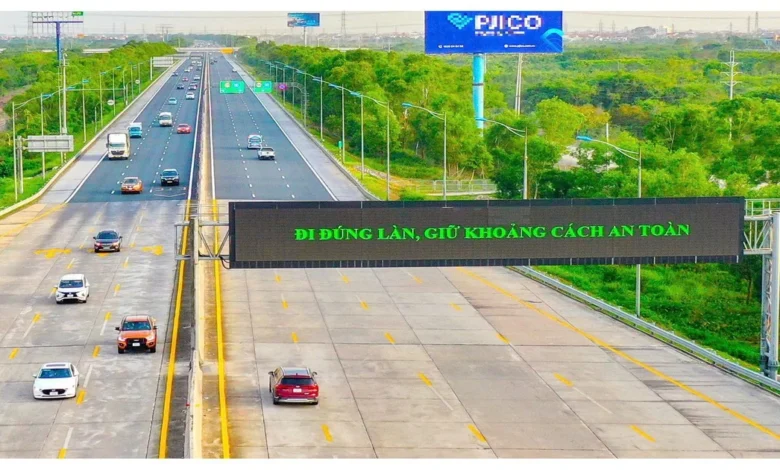
Intelligent Transportation Systems (ITS) represent far more than the simple deployment of traffic cameras, sensors, or automated signal timing. At its core, ITS constitutes a highly sophisticated, multi-layered technological ecosystem that requires seamless integration across hardware, software, and human infrastructure to manage traffic flow in dynamic, unpredictable environments. As global urban centers grapple with rising population density and escalating infrastructure demands, the ability to effectively govern these complex systems has become a critical benchmark for national technological competence. Vietnam, through sustained investment and strategic planning, has begun to transition from an adopter of foreign technology to an active participant in the deployment and mastery of these intricate frameworks.
Defining the Complexity of Intelligent Transportation Systems
The fundamental challenge of ITS lies in its "system-of-systems" architecture. Unlike isolated hardware components, a fully functional ITS network must synthesize data from thousands of endpoints—ranging from inductive loops and radar sensors to vehicle-to-infrastructure (V2I) communication modules. Research conducted by institutions such as the Fraunhofer Institute for Cognitive Systems (IKS) in collaboration with Huawei’s Munich Research Center emphasizes that ITS is inherently non-linear and cross-disciplinary.
When artificial intelligence is introduced to automate decision-making processes, the complexity deepens. Because traffic behavior is emergent—meaning a change in signal timing at one intersection can have cascading effects on traffic flow across an entire metropolitan area—traditional, siloed management approaches are often insufficient. To manage such systems reliably, engineers must ensure "trustworthy AI," where predictive models account for the high level of interaction between disparate urban components. This requires not only robust software engineering but also a deep understanding of urban planning, civil engineering, and behavioral science.
A Chronology of ITS Integration in Vietnam
Vietnam’s journey toward digitalizing its transport infrastructure has evolved significantly over the past decade and a half. The early stages were characterized by localized, pilot-based deployments, primarily focused on isolated highway segments.
- 2010: A pivotal year for the nation’s infrastructure, marking the inauguration of the Ho Chi Minh City – Trung Luong expressway. This project served as one of the first major testbeds for incorporating basic automated traffic management features in Southern Vietnam.
- 2021-2024: The focus shifted toward comprehensive integration. The Ministry of Transport accelerated the development of ITS components for the North-South Expressway project.
- April 28, 2024: The inauguration of the Cam Lam – Vinh Hao expressway represented a milestone in domestic technological mastery. It was the first project under the Phase 1 North-South Expressway initiative where Vietnam took the lead in the full design and implementation of an ITS system, including the advanced monitoring and control of the Nui Vung tunnel.
- 2025-2026: Current efforts are centered on systemic consolidation. The Ministry of Construction has issued directives to accelerate the construction of rest stops and integrated traffic management systems for the eastern segments of the North-South Expressway, specifically targeting the routes between Quang Ngai, Hoai Nhon, Quy Nhon, and Chi Thanh.
Supporting Data and Technical Requirements
The scale of the current endeavor is massive. The Cam Lam – Vinh Hao project, spanning 78.5 kilometers with an investment of approximately 8.925 trillion VND, underscores the financial and technical commitment required. However, the true complexity lies in the "ITS Core" platform—a centralized management framework mandated by the government to ensure that all expressway data can be aggregated and analyzed in real-time.
Modern ITS implementation in Vietnam now requires the installation of high-definition license plate recognition (LPR) cameras at every key junction, the deployment of redundant fiber optic communication networks to ensure data integrity, and the hardening of power systems to prevent vandalism or infrastructure failure. Data from the U.S. Department of Transportation’s ITS deployment programs—often referenced in Vietnam’s own technical assessments—highlight that the integration of hardware, software, and human operators is the most frequent point of failure in developing countries. Vietnam’s move to create a unified data warehouse aims to mitigate these risks by breaking down the "data silos" that previously hindered traffic management across different regional jurisdictions.
Official Strategic Objectives: The 2030 Vision
The Ministry of Construction and the Ministry of Transport have jointly set an ambitious target: by 2030, 100% of operational expressways in Vietnam must be connected to the central ITS Core platform. This is not merely an infrastructure goal; it is a digital transformation mandate.
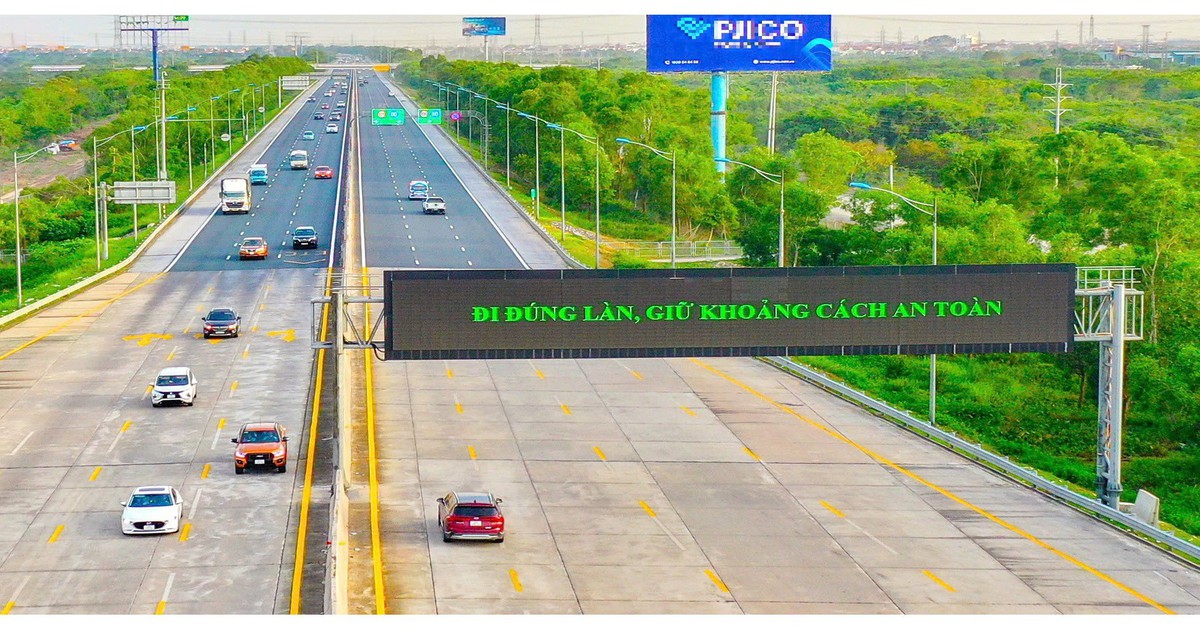
The ITS Core platform is designed to serve as the "central nervous system" for the national highway network. By utilizing Big Data and Artificial Intelligence, the system is expected to provide:
- Automated Incident Detection: Using machine learning to identify accidents or obstructions in real-time, significantly reducing emergency response times.
- Predictive Traffic Modeling: Analyzing historical and live data to forecast congestion patterns and proactively adjust traffic light cycles and speed limits.
- Cross-Sector Data Sharing: A unified interface that allows different agencies—from emergency services to public works departments—to access critical traffic data, thereby optimizing road usage and maintenance schedules.
Implications for National Development
The mastery of ITS technology holds profound implications for Vietnam’s economic and social trajectory. Firstly, from an economic standpoint, the efficiency of logistics is directly tied to the fluidity of transportation. By reducing congestion and optimizing travel times on key arterial routes like the North-South Expressway, the government aims to lower the cost of doing business, making Vietnam a more attractive destination for foreign direct investment.
Secondly, the safety implications are paramount. According to international traffic safety standards, the primary cause of highway accidents in developing nations is the lack of real-time situational awareness. By automating the monitoring of traffic flows and providing instant alerts, Vietnam’s ITS deployment is expected to significantly decrease the frequency of multi-vehicle collisions and improve the overall safety of the national transport network.
Finally, the shift toward domestic control of these systems is a strategic necessity. By developing local expertise in ITS, Vietnam reduces its dependence on foreign contractors for critical infrastructure maintenance. This capacity building fosters a domestic ecosystem of software developers, systems engineers, and data analysts capable of innovating and customizing solutions to meet the specific, often challenging, conditions of the Vietnamese landscape.
Analysis of Technical Challenges
Despite the progress, the road ahead is not without obstacles. The primary challenge remains the "interoperability gap." As different segments of the national expressway are built by various contractors, ensuring that their software architectures can "talk" to one another is a monumental task. The Ministry of Construction’s push for a standardized ITS Core is a direct response to this, but the technical burden of integrating legacy systems with new, high-speed fiber-optic networks remains high.
Furthermore, cybersecurity stands as an ever-present threat. As traffic management becomes increasingly reliant on internet-connected sensors and cloud-based data storage, the infrastructure becomes a potential target for cyberattacks. The government’s recent directives, which include mandates for redundant communication lines and secure data protocols, demonstrate an acute awareness of these risks.
Conclusion
Vietnam’s progression in the field of Intelligent Transportation Systems signifies a broader transition in its national development strategy. By moving beyond basic physical construction toward the implementation of complex, AI-driven management systems, the nation is positioning itself to handle the demands of a modern, highly mobile economy. While the path toward a fully integrated, nationwide ITS network remains complex and resource-intensive, the foundations laid by projects like the Cam Lam – Vinh Hao expressway prove that Vietnam has the capacity to manage and innovate within one of the world’s most challenging technological frontiers. The coming years will be decisive as the nation works to finalize the ITS Core and transition from fragmented management to a unified, data-driven approach to mobility.
Related posts: