Phu Quoc International Airport Officially Welcomes First Commercial Flight on New 3,300-Meter Runway Ahead of APEC 2027 Preparations

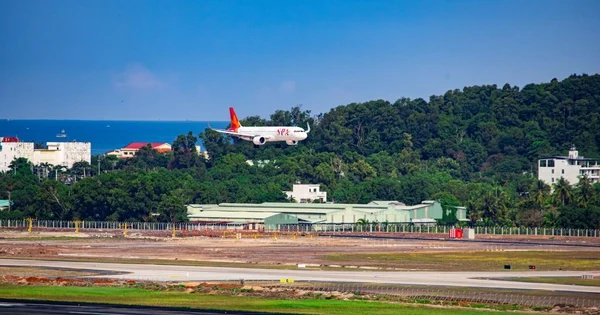
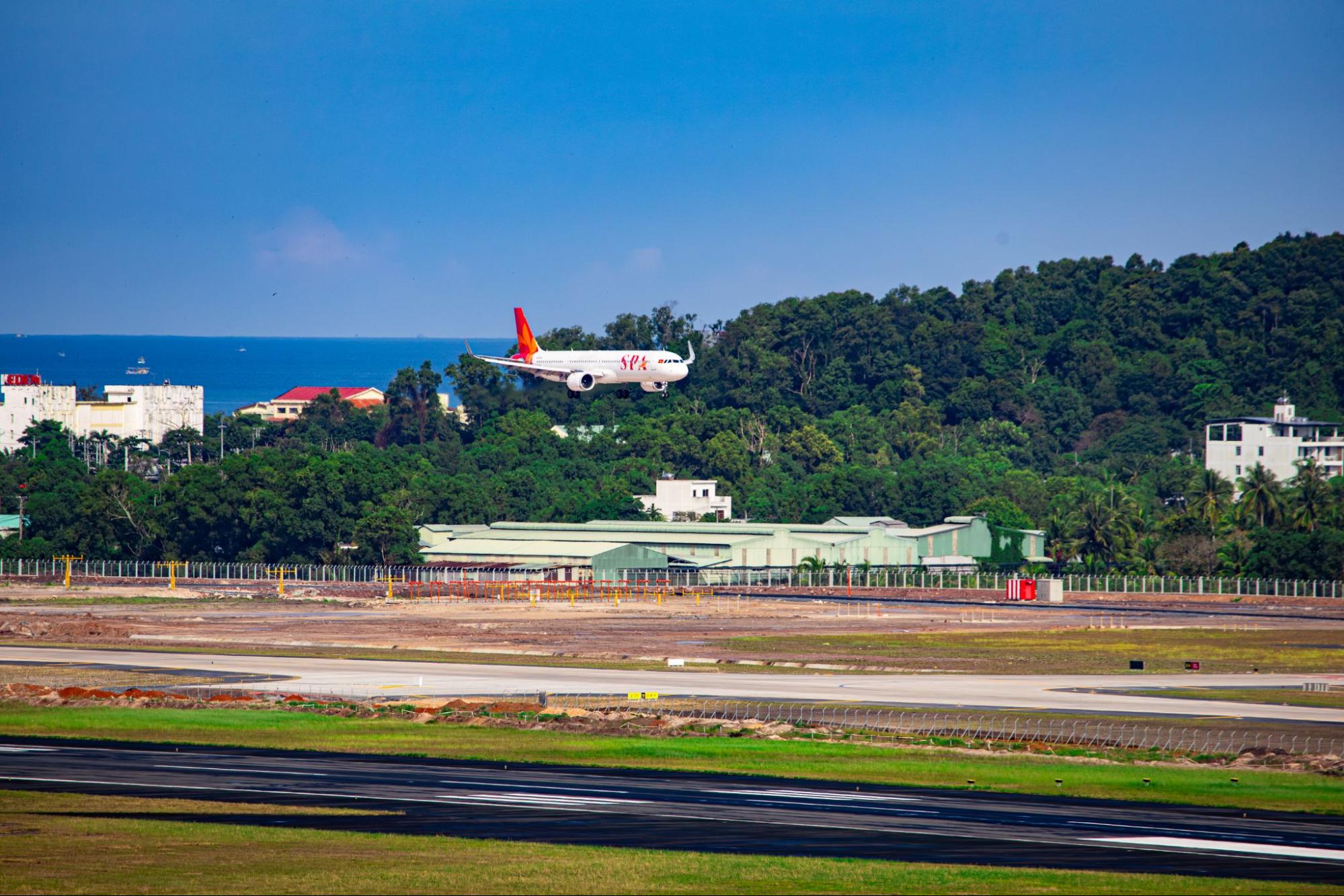
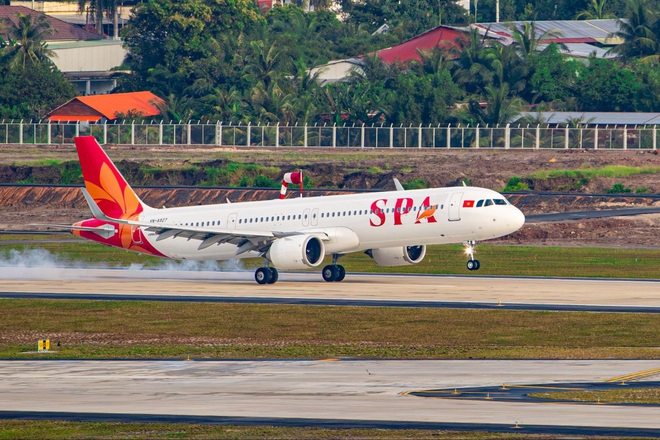
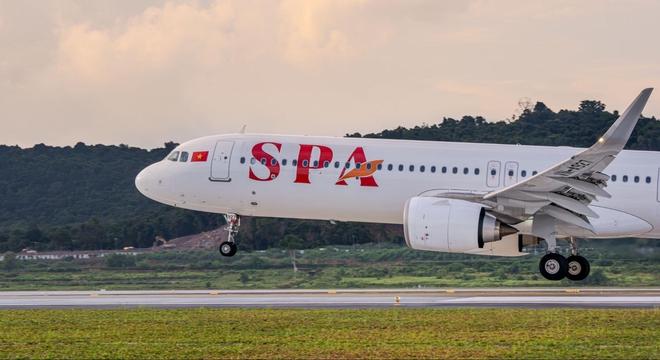
Phu Quoc International Airport reached a pivotal milestone in its aviation infrastructure development as Runway No. 2 officially welcomed its inaugural commercial flight, marking a major leap forward for regional connectivity and international tourism on Vietnam’s largest island. Flight 9G1955, operated by Sun PhuQuoc Airways and originating from Ho Chi Minh City, successfully touched down on the newly constructed 3,300-meter strip at 7:05 AM, initiating a transformative phase of operations for the aviation hub.
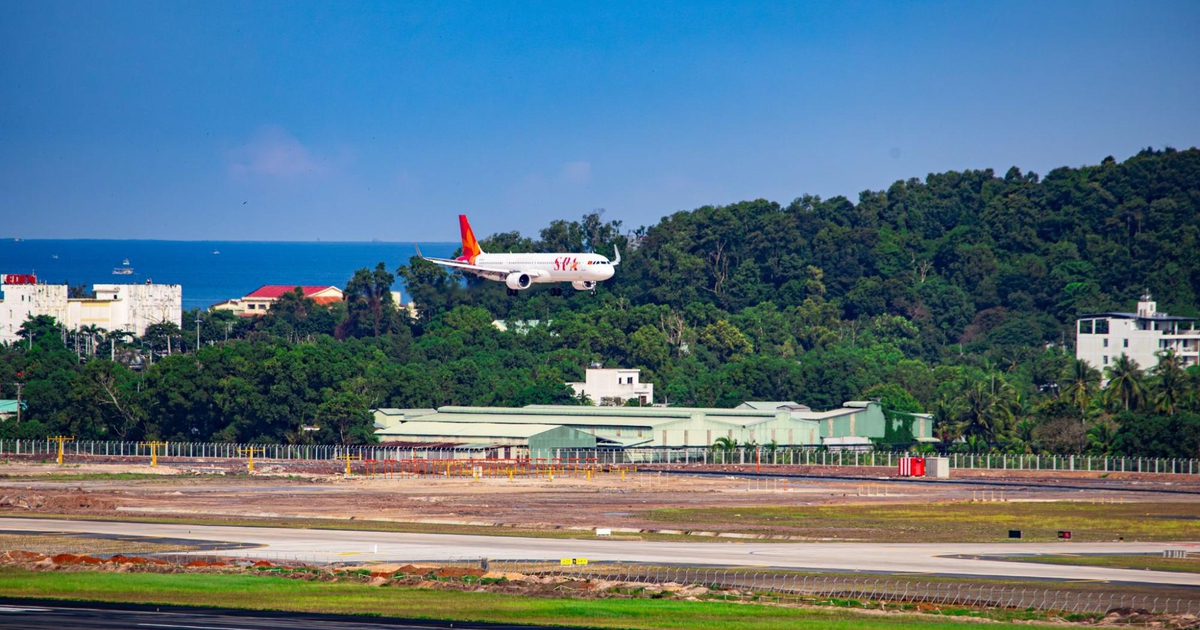
The successful landing follows an intensive eight-month construction period, accompanied by rigorous technical evaluations, safety audits, and calibration flights. The project underscores the commitment of local authorities, project developers, and construction contractors to modernizing Vietnam’s aviation capabilities ahead of major global diplomatic events, most notably the upcoming APEC 2027 Leaders’ Week.
Engineering Excellence and Technical Specifications
Built to rigorous international standards, Runway No. 2 complies with the Code E classification established by the International Civil Aviation Organization (ICAO). This classification enables the runway to safely accommodate wide-body aircraft, including modern long-haul airliners such as the Boeing 787, Airbus A350, and Boeing 777. The ability to handle larger aircraft types is expected to radically transform Phu Quoc’s accessibility, paving the way for direct long-haul routes from major international markets across Asia, Europe, and beyond.
The infrastructure features a state-of-the-art layout, including advanced runway lighting systems, precision approach path indicators (PAPIs), and the Instrument Landing System (ILS/DME) paired with Category II (CAT II) lighting. These advanced navigational aids are critical for ensuring high levels of operational safety and schedule reliability, particularly during adverse weather conditions or periods of low visibility. The integration of these systems guarantees that the airport can maintain seamless operations year-round, accommodating the sharp surges in passenger traffic typical of the peak winter travel seasons.
Overcoming Construction Challenges
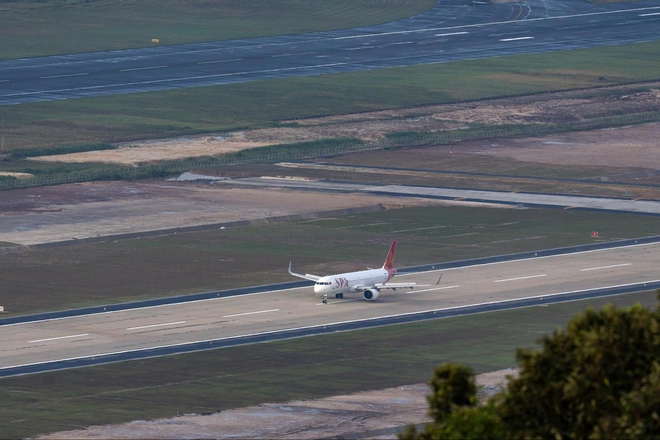
The delivery of Runway No. 2 in just eight months stands as a remarkable engineering feat, achieved despite formidable logistical and geographical challenges. Executing a massive infrastructure project on an island requires complex supply chains, with the vast majority of construction materials needing to be transported via maritime routes. Project developers, led by Sun Group in close coordination with more than 20 specialized contractors and advisory units—including the Aviation Construction Corporation (ACC)—had to navigate unpredictable marine weather, logistical bottlenecks, and regional labor constraints.
Compounding these challenges, the construction took place while Phu Quoc International Airport remained fully operational. During the construction window, passenger traffic and flight frequencies surged by roughly 45% compared to previous corresponding periods. To maintain the project schedule without disrupting commercial air traffic, developers mobilized a workforce of approximately 6,000 engineers and construction personnel operating on a continuous three-shift, four-crew schedule.
Rigorous safety protocols were enforced prior to the launch. Engineers and technicians conducted meticulous surface cleanings, FOD (Foreign Object Debris) sweeps, and comprehensive technical reviews of all pavement markings, threshold lights, and centerline indicators to ensure absolute compliance with global aviation safety standards.
Strategic Importance for APEC 2027 and Regional Growth
The opening of Runway No. 2 is a cornerstone of the broader master plan to expand Phu Quoc International Airport, a strategic initiative designed to elevate the island’s status as a premier global destination. With the new runway now operational, the airport can maintain uninterrupted service while its original runway undergoes extensive upgrades. The legacy runway will be extended from 3,000 meters to 3,500 meters and widened to 75 meters, enabling it to handle Code F ultra-large aircraft, such as the Airbus A380-800 and Boeing 747-8F.
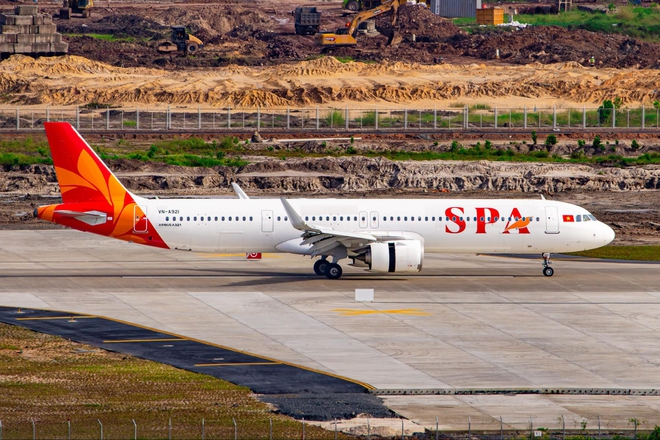
By May 2027, the airport is scheduled to operate dual parallel runways, significantly increasing air traffic management capacity and operational flexibility. This dual-runway configuration is vital for successfully managing the dense schedule of commercial, charter, and VIP flights anticipated during the APEC 2027 Leaders’ Week.
Mr. Nguyen Ba Quan, Director of Phu Quoc International Airport, emphasized the strategic necessity of these developments. "We have engineered a comprehensive operational plan integrating our parallel runways, taxiway systems, aprons, the upcoming T2 passenger terminal, VIP terminals, and VIP aprons," Mr. Quan stated. "This guarantees our capability to receive and service modern wide-body aircraft safely and efficiently, meeting the demands of routine high-frequency travel while flawlessly executing protocol requirements for the APEC 2027 summit."
Expanding Infrastructure and Passenger Experience
Parallel to the airfield enhancements, development is moving swiftly on the new T2 passenger terminal, scheduled to open in May 2027. Designed by Singapore-based CPG Consultants, the terminal’s architectural concept draws inspiration from the island’s iconic sunset hues. It will incorporate cutting-edge passenger processing technologies, including biometric facial recognition systems, self-service check-in kiosks, and automated baggage handling systems to minimize wait times and elevate the overall traveler experience.

The overarching expansion project aims to scale the airport’s initial handling capacity to 24 million passengers per year, with long-term projections allowing for expansion up to 50 million passengers annually as regional demand dictates.
Passenger Reactions and Initial Impressions
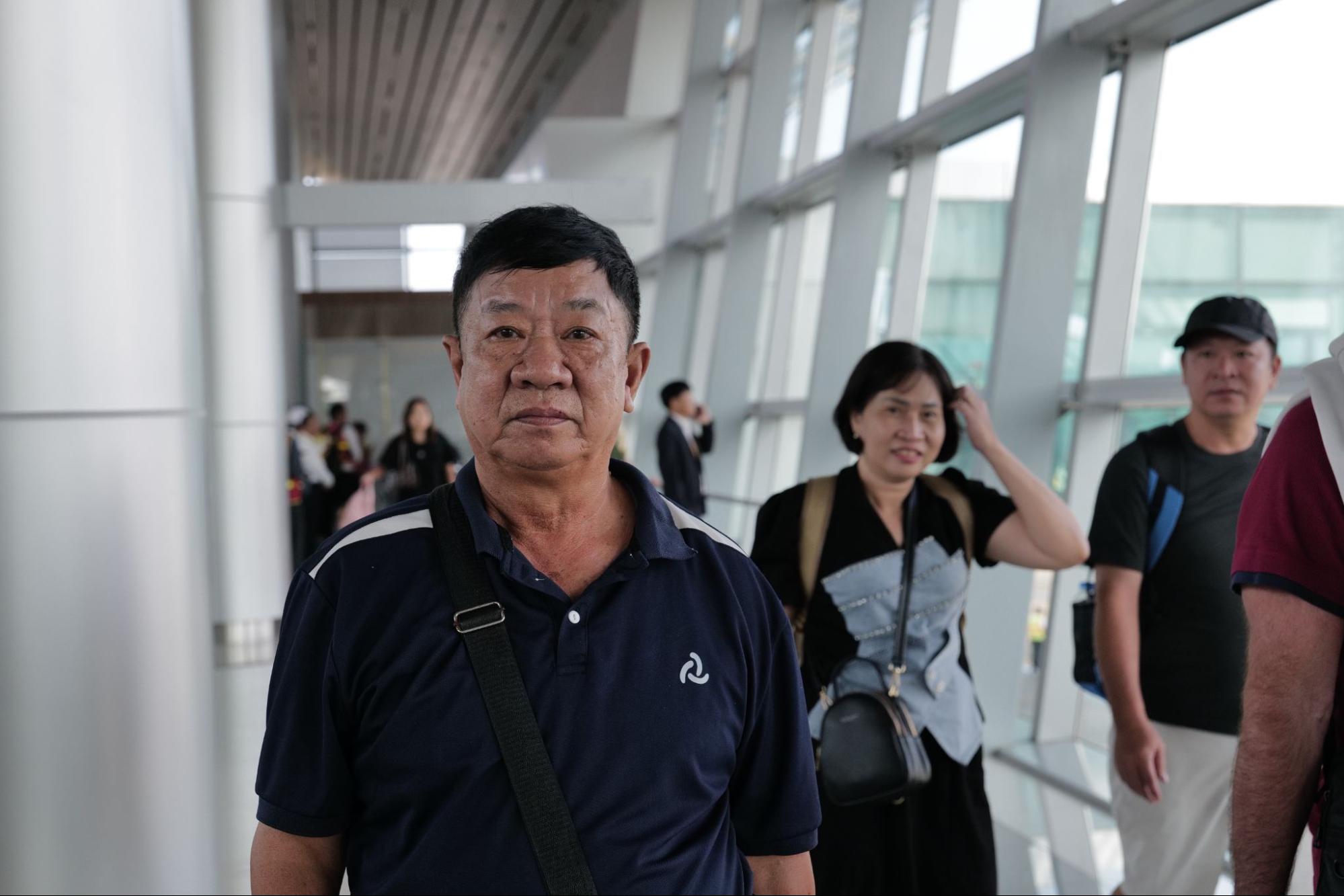
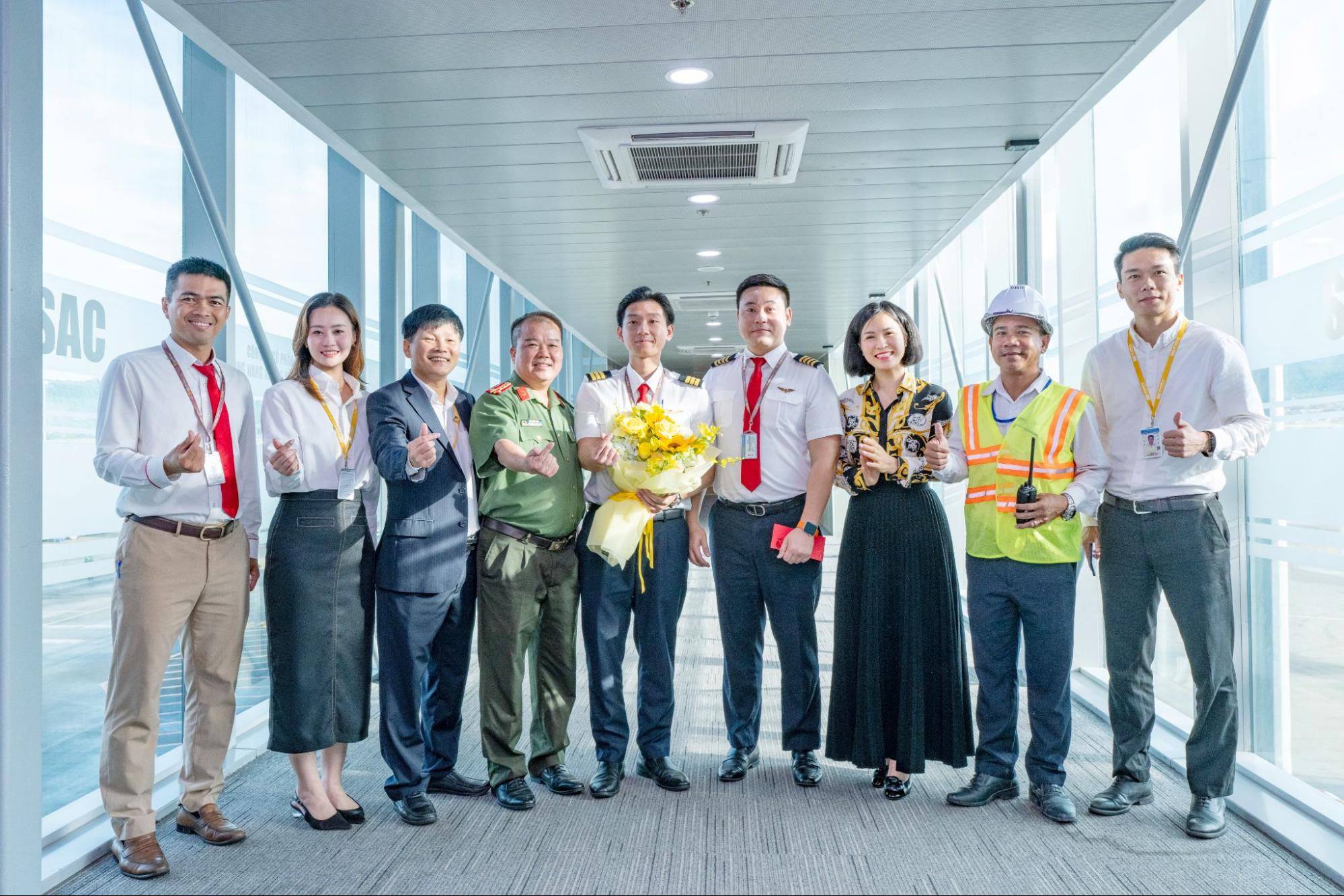
The inaugural morning of the new runway brought genuine surprise and delight to travelers aboard Flight 9G1955. Among them was Mr. Hoang Hai Thanh, traveling with his family from Ho Chi Minh City for their first-ever visit to the island. Unaware that they were participating in a historic aviation milestone, the family was greeted with flowers and warm official welcomes upon stepping through the jet bridge connecting the aircraft to the terminal.
"It was completely unexpected and felt as though we were participating in the inauguration ceremony of the runway itself," Mr. Thanh shared. Reflecting on his approach into the island, he noted that the scale of the new airport infrastructure far exceeded his expectations. "From high above, the new facilities appeared vast and majestic, but what truly left an impression was the professional, warm, and attentive service provided by the staff, especially their care for families traveling with young children."
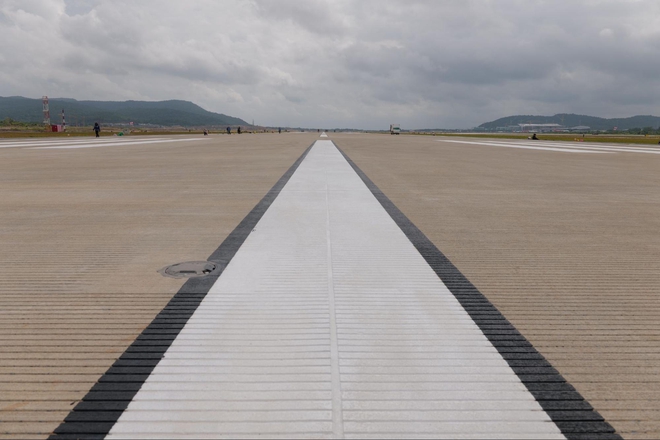
Another passenger, Mr. Huynh Tan Phat, traveling in a family group of 11, echoed similar sentiments of awe regarding the modern facilities and seamless service standards. "The infrastructure is magnificent, and knowing that these facilities will soon welcome global leaders for APEC 2027 makes it even more impressive. It is an extraordinary experience," Mr. Phat remarked.
Economic Implications and Future Outlook
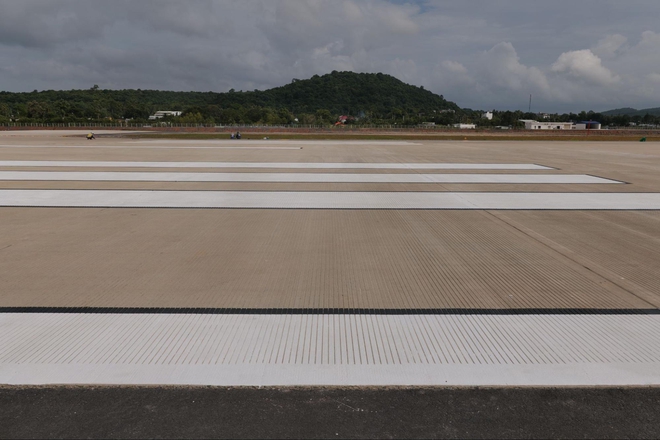
The rapid expansion of Phu Quoc’s aviation infrastructure reflects the explosive economic and tourism growth of the region, often referred to as Vietnam’s "Pearl Island." By addressing historical capacity constraints, the upgraded airport ensures that infrastructure development outpaces projected tourism demand, preventing bottlenecks during peak holiday periods.
Analysts note that the ability to accept direct wide-body aircraft from long-haul international markets will dramatically reduce travel times and costs for foreign tourists, boosting foreign exchange earnings and supporting local hospitality businesses. Furthermore, the rigorous standards met during the construction and certification of Runway No. 2 reinforce international confidence in Vietnam’s civil aviation sector, setting a new benchmark for large-scale infrastructure delivery under compressed timelines.
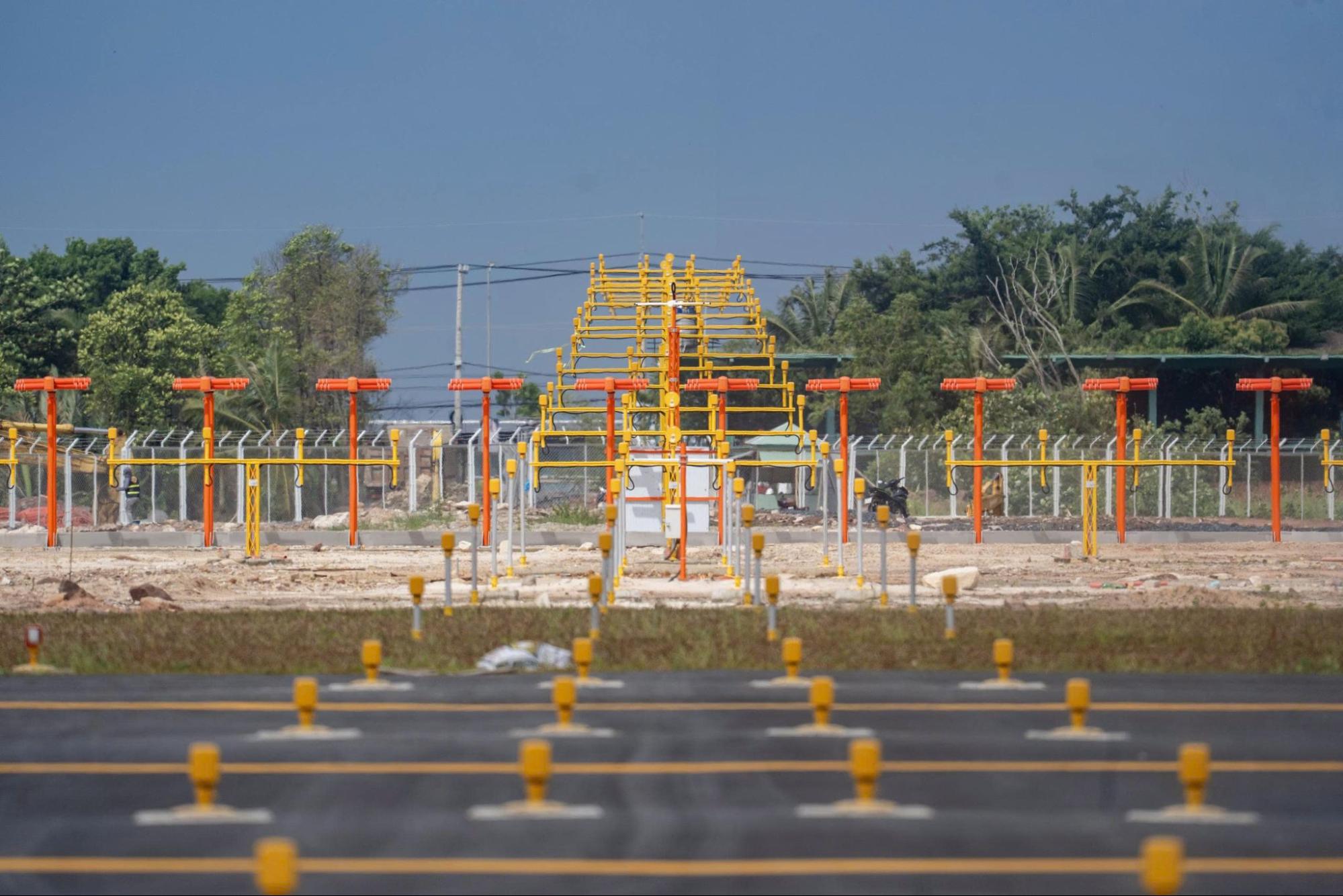
As the island looks toward the horizon, the synchronization of airfield expansions, terminal modernization, and advanced air traffic management systems positions Phu Quoc not only as a regional leisure powerhouse but as a globally capable hub ready to host the world stage.