Ho Chi Minh City has officially launched an international bidding process for the development of the Tan An 1A new urban area, a massive project valued at approximately 68.57 trillion VND (roughly 2.7 billion USD). This strategic initiative marks a significant milestone in the city’s ongoing efforts to modernize its urban landscape and expand its residential and commercial infrastructure to meet the demands of a rapidly growing population.
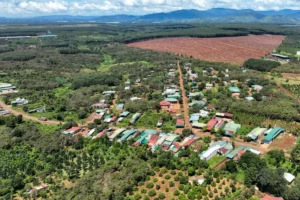
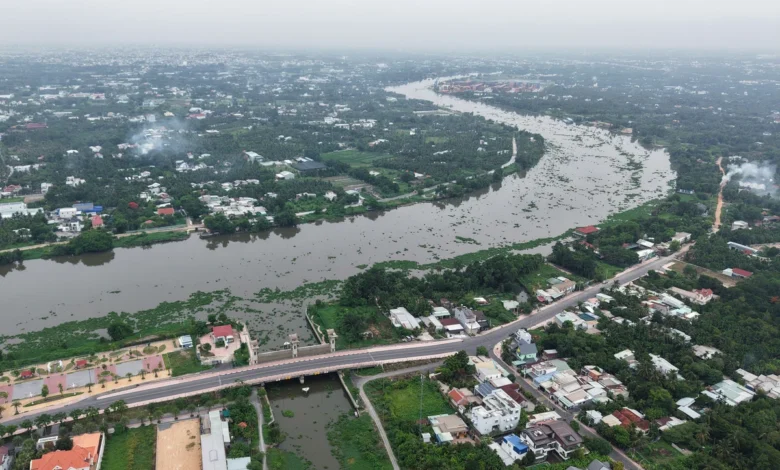
Spanning an impressive 275 hectares, the Tan An 1A project is envisioned as a comprehensive, integrated urban hub. It is situated within the administrative boundaries of Phu An ward, a location that has recently undergone significant territorial restructuring. Previously part of Thu Dau Mot City in Binh Duong Province, this region is now being strategically integrated into the development framework of Ho Chi Minh City, signaling a shift in regional planning priorities.
Project Scope and Infrastructure Design
The Tan An 1A development is designed to be a high-density, multi-functional urban center. According to the planning documents released by the authorities, out of the total 275 hectares, approximately 214 hectares are designated for active urban development. The master plan emphasizes a balanced approach, incorporating diverse housing typologies, including terraced houses and modern apartment complexes, aimed at accommodating a projected population of 20,000 residents.
To ensure long-term sustainability, the project design mandates the integration of essential public services. This includes the construction of modern medical facilities, early childhood education centers, primary schools, and secondary schools. Furthermore, the development plan prioritizes environmental health and public well-being by allocating substantial space for green parks, landscaping, and a sophisticated technical infrastructure system, including water management, waste treatment, and high-capacity electrical grids.
Land Use and Current Status
The current land composition of the site reflects its historical and agricultural heritage. Approximately 167 hectares, or 78% of the planned development area, is currently classified as agricultural land. Residential land accounts for roughly 20 hectares, while the remainder comprises a complex mix of existing transportation networks, waterways, canal systems, cultural heritage zones, and public administrative sites.
The transition from these existing uses to a modern urban zone will require significant site clearance and land preparation efforts. This phase is critical, as it involves addressing the relocation of existing agricultural and residential structures while ensuring compliance with environmental regulations and the preservation of historical or cultural landmarks identified within the perimeter.
The International Bidding Process
The decision to utilize an international open bidding process is a strategic move by the Ho Chi Minh City government to attract top-tier global developers. By opening the competition to both domestic and international firms, the city aims to bring in advanced construction technologies, innovative architectural designs, and international best practices in urban management.
Under the current legal framework, particularly the Law on Bidding, international competitive bidding is permitted for large-scale projects, provided they do not fall under specific restrictions related to national security or the limitation of foreign investment in certain sensitive industries. The contract for the Tan An 1A project carries an operational duration of 50 years, allowing the winning bidder sufficient time to recoup investments and ensure the long-term viability of the urban center.
Chronology and Development Timeline
The timeline for the Tan An 1A project is structured in distinct phases to ensure transparency and systematic progress. The process began in earnest in June 2025, when the People’s Committee of Binh Duong Province approved the investment policy. By October 2025, the Ho Chi Minh City authorities assumed jurisdiction, with the People’s Committee of Phu An ward tasked with overseeing the execution of the bidding process.
The project timeline is projected as follows:
- Phase 1 (Preparation and Clearance): A three-year window following the approval of the winning bidder and the signing of the investment contract is allocated for land clearance, site preparation, and finalization of investment logistics.
- Phase 2 (Construction and Delivery): Following the successful handover of the cleared land, the construction phase is expected to span nine years. This includes the build-out of primary infrastructure, residential housing, and public facilities, culminating in the phased opening of the district for occupancy.
Broader Regional Impact and Economic Context
The Tan An 1A project does not exist in isolation. It is part of a larger, more ambitious plan to revitalize the Phu An area. Adjacent to the 1A project lies the Tan An 1B project, which covers approximately 237 hectares with an estimated investment of 75.6 trillion VND. Combined, these two projects span over 512 hectares and represent a total capital infusion exceeding 144.17 trillion VND.
The strategic importance of these developments cannot be overstated. Phu An ward itself was established through the merger of Tan An ward, Phu An commune, and portions of Hiep An ward. This administrative consolidation was intended to pave the way for a major urban transformation. Currently, there are six flagship urban projects planned for the Phu An area, covering a total of 1,650 hectares with a cumulative investment projection of 260 trillion VND.
Analysis of Implications
The scale of the Tan An 1A project indicates a paradigm shift in Ho Chi Minh City’s approach to urban expansion. By focusing on large-scale, planned communities rather than organic, fragmented development, the city aims to alleviate pressure on the existing urban core.
- Economic Stimulus: The sheer size of the investment is expected to provide a substantial boost to the local construction, material supply, and service industries. It is also expected to create thousands of jobs during the construction and long-term maintenance phases.
- Urban Density and Quality of Life: By integrating essential services like schools and healthcare directly into the urban design, the project aims to reduce commuting times and create self-sustaining neighborhoods that contribute to a higher quality of life.
- Foreign Investment Integration: The use of international bidding signifies a commitment to global standards. This attracts capital and facilitates the transfer of knowledge and expertise in sustainable urban planning, which could serve as a model for future projects across the country.
- Addressing Real Estate Demand: With a growing population, the project addresses the chronic demand for modern housing, potentially stabilizing prices in the long run by significantly increasing the supply of residential units.
Conclusion
The Tan An 1A project represents a bold step forward for Ho Chi Minh City. While the challenges of site clearance and the complexity of managing a multi-billion dollar international contract are significant, the potential rewards—a modern, sustainable, and well-planned urban district—are immense. As the city continues its evolution, projects of this magnitude will be essential in defining the future of its urban identity and economic competitiveness in the region. The authorities remain focused on maintaining a transparent and rigorous process to ensure that the project is not only completed on schedule but also delivers long-lasting benefits to the community and the city’s overall development goals.
Related posts: