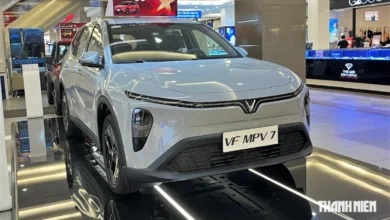
Japanese Automakers Accelerate Product Development Cycles to Counter Chinese Market Dominance

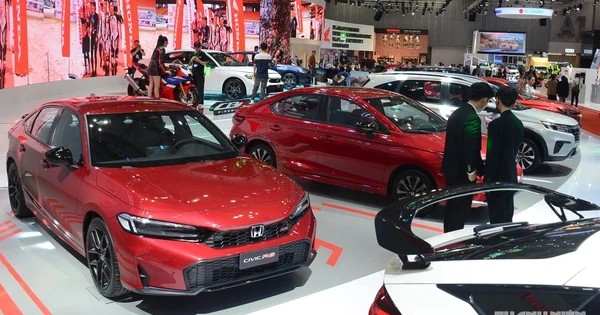
The global automotive landscape is currently witnessing a seismic shift in competitive dynamics as Japanese automotive giants, historically known for their meticulous and lengthy engineering processes, are undertaking a radical transformation of their research and development frameworks. Facing unprecedented pressure from Chinese manufacturers—who have rapidly scaled their output of advanced, feature-rich electric and hybrid vehicles—industry stalwarts such as Toyota, Honda, Nissan, and Mitsubishi are aggressively compressing their vehicle development timelines to reclaim market share and maintain technological relevance.
For decades, the standard Japanese automotive development cycle spanned four to five years, a duration characterized by rigorous testing, iterative prototyping, and an uncompromising focus on long-term reliability. In contrast, Chinese competitors have shattered this paradigm, with some manufacturers launching dozens of new models within a single six-month period. This velocity, fueled by an agile approach to software integration, modular platform architecture, and a deep understanding of evolving consumer demands, has placed Japanese incumbents in a defensive position, forcing a total rethink of how they bring products from concept to showroom.
The Paradigm Shift in Development Velocity
The core of the issue lies in the disparity between the traditional "waterfall" development model employed by legacy automakers and the "agile" methodology favored by newer, tech-forward Chinese firms. Industry analysts suggest that for Japanese manufacturers to remain competitive, they must reduce their lead times by nearly 50 percent to approach the sub-two-year development cycle now common among Chinese peers.
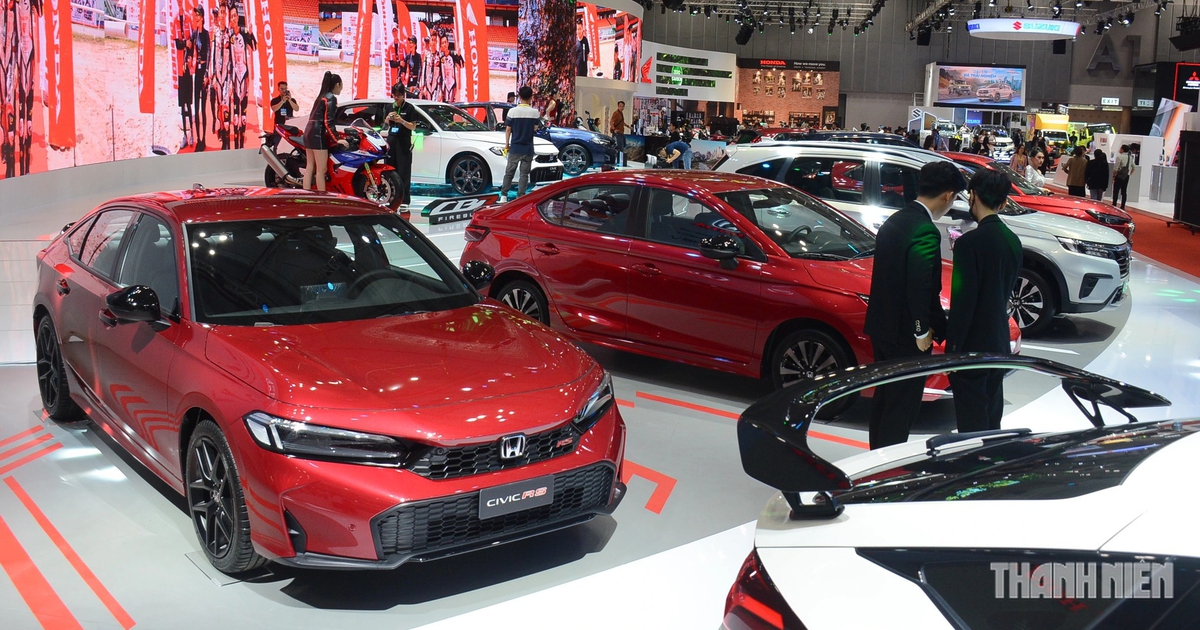
This structural shift is not merely about working faster; it is about fundamentally altering the DNA of the automotive engineering process. By transitioning toward common, highly adaptable vehicle platforms, companies are moving away from bespoke engineering for every model. Instead, they are embracing modularity, allowing a single foundation to support multiple vehicle segments, thereby drastically reducing the time required for initial architecture design and validation.
Nissan’s Strategic Pivot: A New Era of Efficiency
Nissan Motor Co. has emerged as a leader in this transformation. Recognizing that incremental changes are insufficient to stem the tide of competition, Nissan has implemented a new product development strategy centered on shared platforms. Under this initiative, the company aims to design common base architectures that can be utilized across various vehicle sizes and body types.
A critical milestone in this strategy is the upcoming SUV model slated for the North American market in 2028. By utilizing a common platform, Nissan projects a 40 percent reduction in development time, effectively shortening the timeline from initial concept to market launch to approximately two years and six months. Hidemi Sasaki, a senior executive in charge of product planning at Nissan, describes this as a total systemic reform. The company aims for these new platform-based products to eventually account for 80 percent of its global revenue, while simultaneously reducing the number of replaceable parts by 70 percent. This reduction in component complexity is expected to streamline manufacturing logistics and significantly lower production costs.
Honda and Toyota: Leveraging AI and Modular Manufacturing
Honda, navigating the financial challenges of its first net loss in recent fiscal history, is concurrently executing an aggressive recovery plan. The automaker has committed to halving its development costs and lead times compared to 2025 benchmarks. To achieve this, Honda is integrating artificial intelligence and advanced digital simulation tools into its R&D workflow. These technologies allow engineers to conduct virtual testing and design iterations with a precision that was previously impossible, bypassing the need for physical prototypes at every stage.
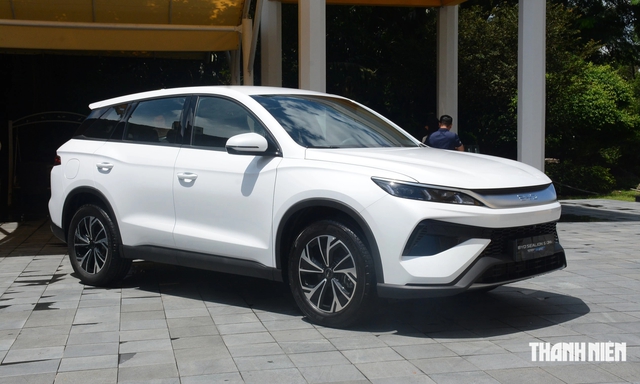
Toyota, while maintaining its position as the world’s leading automaker by volume, is focusing its efforts on manufacturing efficiency and modularity. The company is actively working to reduce the number of redundant parts by customizing vehicle configurations to match specific regional consumer preferences rather than following a one-size-fits-all global strategy. By optimizing factory floor space and modularizing components, Toyota intends to increase production efficiency by 35 percent, ensuring that the savings in time and resources can be redirected toward accelerating the rollout of its next-generation electrified lineup.
Broad Industry Implications and Future Outlook
The ripple effect of this transformation extends throughout the Japanese automotive ecosystem. Suzuki and Mitsubishi have also joined the fray, with specific targets to reduce their development cycles by 50 percent and 20 percent, respectively, by 2030. These adjustments are not just a response to Chinese competition; they represent an existential necessity in an era where software-defined vehicles have turned the automotive market into a consumer electronics race.
The shift toward shorter development cycles carries inherent risks, particularly regarding quality control and brand reliability—the two pillars upon which Japanese automakers built their global reputation. Balancing the need for rapid innovation with the legendary Japanese commitment to durability will be the primary challenge for these firms.
Furthermore, the integration of artificial intelligence and modular platforms is likely to change the labor requirements within these companies. As the focus shifts from manual mechanical engineering to software development and systems integration, the workforce will need to undergo a significant transition. Analysts note that while these measures are essential, the success of these strategies will not be fully realized until the 2028-2030 period, when the first wave of vehicles developed under these new paradigms hits the global market.

Historical Context: From Slow and Steady to Fast and Fluid
To understand the magnitude of this change, one must look at the historical trajectory of the automotive industry. For the latter half of the 20th century, the "Toyota Production System" was the global gold standard, emphasizing the "Just-in-Time" delivery of parts and the "Kaizen" (continuous improvement) philosophy. While these methods were unparalleled in manufacturing efficiency, they were not designed for the rapid iterative cycles required for software-heavy, connected, and autonomous vehicle development.
Chinese manufacturers, entering the market later, were not tethered to legacy processes. They built their supply chains and R&D centers around the realities of the 21st century: rapid digitalization, battery technology dominance, and consumer expectations for frequent, over-the-air software updates. The Japanese response is, in essence, an attempt to fuse their traditional manufacturing excellence with the modern speed of technology firms.
Conclusion
The ongoing transformation of the Japanese automotive sector marks the beginning of a high-stakes, multi-year endurance race. By embracing modular architecture, AI-driven development, and a fundamental reduction in product complexity, companies like Toyota, Honda, and Nissan are signaling that they are prepared to adapt to the realities of a global market dominated by rapid-fire technological advancement.
However, the industry remains at a crossroads. As these companies pivot toward shorter lead times, the global market will closely monitor whether they can maintain the high standards of safety and reliability that define their brand identity. The coming years will serve as a definitive test of whether these legacy giants can successfully modernize their internal structures fast enough to reclaim their competitive edge against the rising tide of innovation originating from East Asia. For the consumer, this competition is expected to result in a higher frequency of feature updates, more diverse model lineups, and a faster transition toward the future of sustainable, intelligent mobility.