Salt vs. Fish Sauce: Which Seasoning is Better for Cardiovascular Health and Long-Term Wellness?


The choice between using salt or fish sauce in daily culinary practices is a common dilemma for health-conscious consumers, particularly those managing hypertension or cardiovascular conditions. While both serve as primary sources of flavor, their nutritional profiles and physiological impacts differ significantly. According to Specialist Doctor 2 Chau Thi Anh, Head of the Nutrition Department at Xuyen A General Hospital in Ho Chi Minh City, the debate should not focus on which condiment is inherently "better," but rather on the total amount of sodium being ingested. From a medical and nutritional standpoint, monitoring daily sodium intake is the critical factor in preventing chronic diseases.
The Nutritional Profile of Table Salt
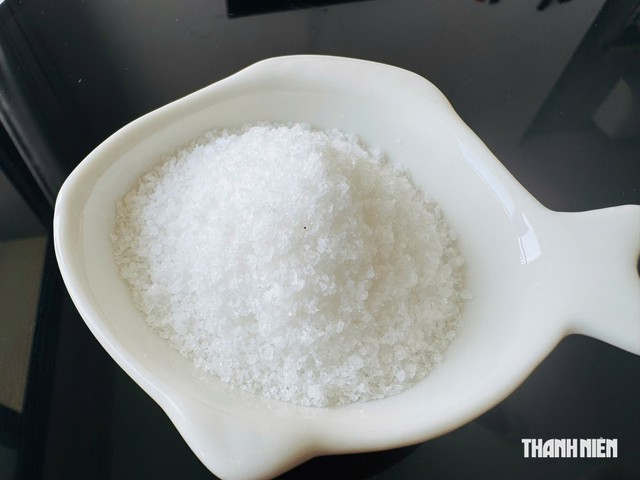
Table salt is an inorganic compound primarily composed of sodium chloride (NaCl). It is the most concentrated source of sodium available in the kitchen. Quantitatively, one gram of salt contains approximately 400 milligrams of sodium. Salt is calorically empty, containing no proteins, fats, or carbohydrates. However, its simplicity is also its primary health risk; because it is highly concentrated, it is exceptionally easy to exceed the recommended daily allowance with just a few pinches.
In many regions, including Vietnam, the public health sector has utilized salt as a vehicle for micronutrient fortification. The mandatory or voluntary addition of iodine to table salt has been a cornerstone of global health initiatives to combat iodine deficiency disorders. Iodine is essential for the synthesis of thyroid hormones, which regulate energy metabolism, support neurological development in fetuses and children, and maintain overall physiological balance. Therefore, while salt is a high-density sodium source, its role as an iodine delivery system remains a vital component of nutritional health for large populations.
The Complexity of Fish Sauce
Fish sauce, a staple of Southeast Asian cuisine, is the product of a natural fermentation process. It is created through the hydrolysis of fish protein—usually anchovies—using salt and naturally occurring enzymes over several months or years. Unlike salt, which is purely inorganic, fish sauce is a complex biological liquid containing a variety of nutrients.
When comparing sodium density, fish sauce is lower than salt by weight due to its high water content. On average, one tablespoon (approximately 15 ml) of traditional fish sauce contains between 1,000 and 1,200 milligrams of sodium. This is equivalent to the sodium found in roughly 2.5 to 3 grams of table salt. Beyond sodium, fish sauce provides free amino acids resulting from the breakdown of fish muscle. These amino acids enhance the biological value of the protein in the diet and improve the body’s efficiency in utilizing protein.
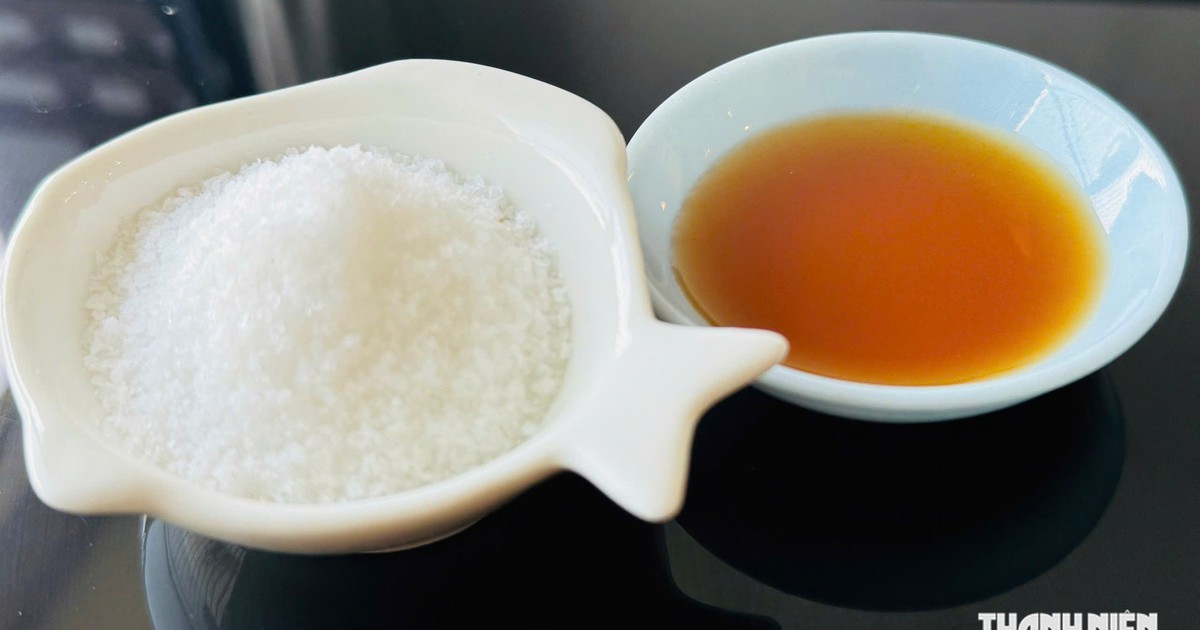
Furthermore, fish sauce contains trace amounts of essential minerals such as iron and zinc, along with Vitamin B12. One of its most significant advantages is the presence of "umami"—the fifth taste, often described as a savory or meaty flavor. This umami profile, derived from natural glutamates formed during fermentation, can provide a greater sense of flavor satisfaction. This psychological and sensory satiety often allows cooks to achieve a desired taste profile using less total sodium than if they were using salt alone.
Comparative Analysis: Salt vs. Fish Sauce
To better understand the differences, medical professionals often look at several key criteria:
- Chemical Composition: Salt is an inorganic crystal (NaCl), while fish sauce is a fermented protein extract.
- Sodium Density: Salt is extremely high (~400 mg per gram), whereas fish sauce is moderate (~80 mg per ml).
- Nutritional Add-ons: Salt primarily offers iodine (if fortified). Fish sauce offers amino acids, B12, iron, and zinc.
- Flavor Profile: Salt provides a sharp, singular saltiness. Fish sauce offers a mellow saltiness combined with umami depth.
- Usage Risks: Salt is easy to over-apply due to its small volume. Fish sauce has a strong aroma and distinct flavor that often acts as a natural limit on overconsumption, though industrial versions may contain additives that mask this.
The Global Context of Sodium Intake
The World Health Organization (WHO) has established clear guidelines for sodium consumption to mitigate the global rise in non-communicable diseases. For an average adult, the recommended daily limit is less than 2,000 milligrams of sodium. This equates to approximately 5 grams of salt (about one teaspoon) or roughly 1.5 to 2 tablespoons of fish sauce per day.
The urgency of these guidelines is underscored by global health statistics. Excessive sodium intake is a leading risk factor for hypertension, which in turn is the primary driver of strokes, heart attacks, and kidney failure. In many Asian countries, the average daily salt intake is estimated to be double the WHO’s recommendation, largely due to the use of traditional condiments and the increasing consumption of processed foods.
The Physiological Impact of High Sodium
When sodium levels in the bloodstream are consistently high, the body retains more water to dilute the excess salt. This increases the total volume of blood circulating through the blood vessels, leading to increased pressure on the arterial walls—a condition known as hypertension. Over time, this pressure damages the delicate lining of the arteries, facilitating the buildup of plaque (atherosclerosis) and increasing the risk of cardiovascular events.
Furthermore, the kidneys are the primary organs responsible for filtering excess sodium. A high-sodium diet forces the kidneys to work harder, which can lead to chronic kidney disease (CKD). There is also emerging evidence linking high-salt diets to an increased risk of stomach cancer and the leaching of calcium from bones, which contributes to osteoporosis.
The Rise of Industrial vs. Traditional Condiments
A critical point of concern for nutritionists is the difference between traditional fermented fish sauce and "industrial" fish sauce. Traditional fish sauce typically contains only fish and salt. In contrast, industrial versions are often diluted and then supplemented with flavor enhancers (like MSG), preservatives, artificial colors, and sweeteners.
While industrial fish sauces may have a lower sodium concentration per tablespoon than traditional versions, the presence of additives can alter how the body processes the condiment. Moreover, the milder taste of industrial sauces may lead consumers to use larger quantities, ultimately resulting in a higher total sodium intake. Dr. Chau Thi Anh emphasizes that consumers should read labels carefully to distinguish between pure fermented products and highly processed alternatives.
Medical Recommendations for Daily Use
To protect vital organs and maintain healthy blood pressure, medical experts recommend a strategic approach to seasoning:
- Measure, Don’t Guess: Instead of pouring condiments directly from the bottle or using a salt shaker, use a standardized spoon to track exactly how much is being added to a dish.
- Prioritize Umami and Aromatics: Use natural flavor enhancers like garlic, ginger, lemongrass, pepper, and herbs to reduce the reliance on salt or fish sauce for flavor.
- The "Dilution" Strategy: When using fish sauce as a dipping medium, dilute it with lime juice, water, or minced aromatics. This allows for the same sensory experience with significantly less sodium per dip.
- Be Mindful of "Hidden" Salt: Remember that sodium is present in bread, canned goods, instant noodles, and snacks. If you consume these items, you must reduce the amount of salt or fish sauce used in your home cooking accordingly.
- Iodine Balance: If you choose to use fish sauce as your primary seasoning, ensure you are getting iodine from other sources, such as seaweed or seafood, as fish sauce is not typically fortified with iodine like table salt is.
Conclusion and Practical Implications
In the debate of salt versus fish sauce, the winner is neither; rather, the winner is the informed consumer who practices moderation. Salt is a necessary vehicle for iodine, but its high sodium density requires extreme caution. Fish sauce offers a more complex nutritional profile and the benefit of umami, which can help in reducing overall salt usage, but it remains a significant source of sodium that must be measured.
The transition to a lower-sodium lifestyle does not require the elimination of these traditional flavors. Instead, it requires a shift in perspective—viewing these condiments as potent tools to be used sparingly rather than as dietary staples. By adhering to the WHO limit of 2,000 mg of sodium per day and favoring natural, fermented products over highly processed ones, individuals can significantly lower their risk of cardiovascular disease and improve their long-term health outcomes. As Dr. Chau Thi Anh concludes, the key to health is not found in the specific bottle on the kitchen counter, but in the discipline of the hand that pours it.