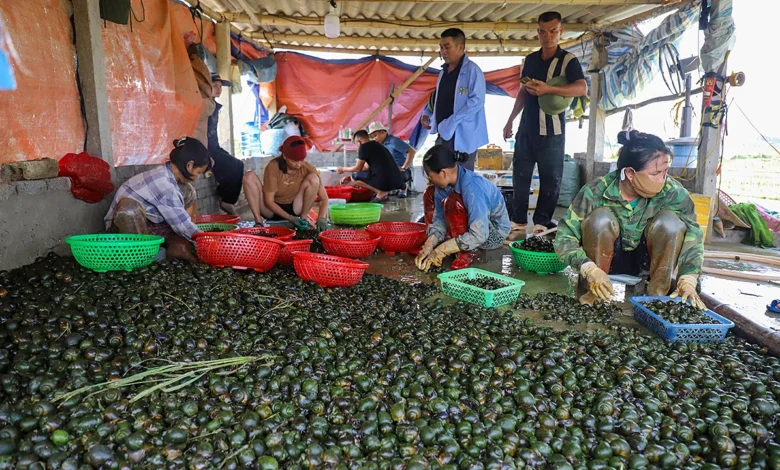
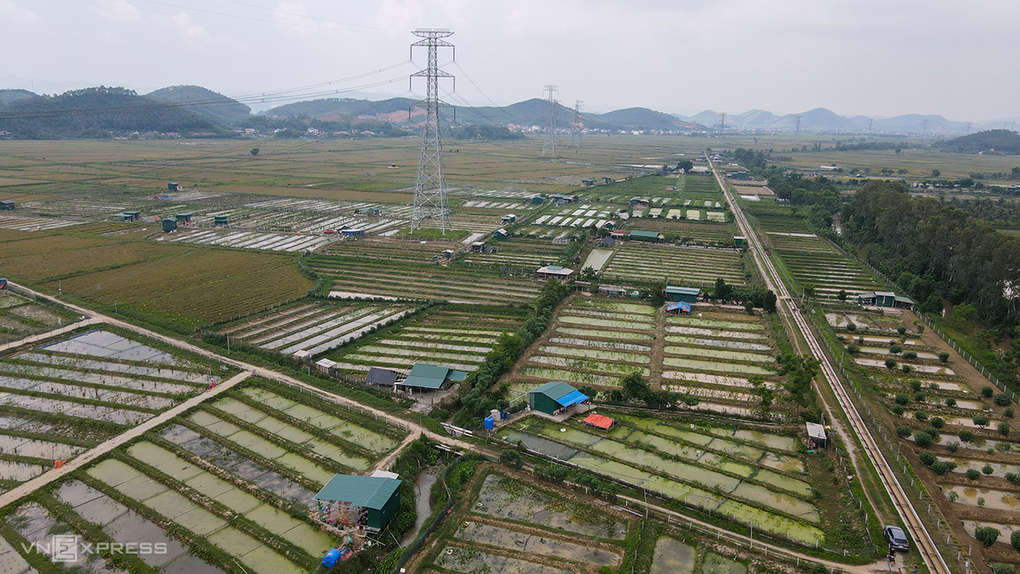
In the quiet landscape of Tho Chau hamlet, Binh Minh commune, a remarkable agricultural transformation is unfolding. What was once a collection of low-lying, unproductive rice paddies has been systematically converted into a thriving hub for black apple snail (Pila polita) farming, generating an annual revenue exceeding 20 billion VND. This shift, which began as a small experimental venture, has now evolved into a cornerstone of the local economy, demonstrating the potential for high-value aquaculture in rural areas struggling with traditional crop stagnation.
The Genesis of an Agricultural Pivot
The story of Binh Minh’s economic resurgence traces back to 2017. Mr. Le Van Giang, a resident of Tho Chau hamlet, recognized that the region’s low-lying terrain—often unsuitable for intensive rice cultivation—could serve as a prime environment for alternative aquatic species. Following a fact-finding trip to northern provinces, Mr. Giang identified the black apple snail as a candidate for domestication.
At the time, the area was dominated by traditional agriculture, which was increasingly hampered by soil degradation and unpredictable yields. Mr. Giang’s initial investment, covering approximately one hectare, served as the proof-of-concept that would eventually inspire a community-wide transformation. The initial harvest yielded seven tons of commercial snails, signaling both market viability and biological compatibility with the local ecosystem.
Chronology of Expansion
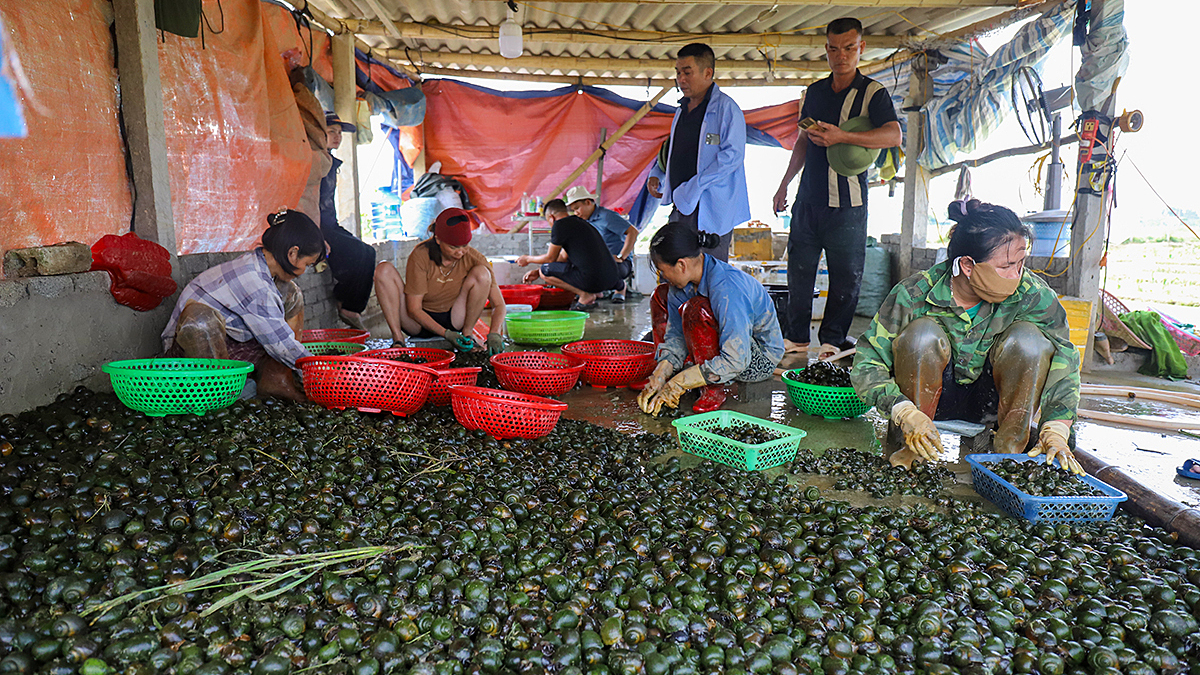
The growth of the industry in Binh Minh has been rapid and structured. Key milestones in this development include:
- 2017: Mr. Le Van Giang initiates the first experimental snail farm in Tho Chau, marking the transition from rice to aquaculture.
- 2018–2024: Local farmers, observing the success of the pilot program, begin converting underperforming rice fields into managed ponds. Technical knowledge is shared among villagers, and standardized breeding methods start to take shape.
- 2025: A pivotal year for professionalization, as local households invest in infrastructure, including water circulation systems and advanced hatcheries.
- July 2026: The Binh Minh Black Apple Snail Breeding, Processing, and Business Cooperative is officially established, with Mr. Le Van Giang serving as Director to streamline production and consolidate market access.
- Late 2026: The sector reaches a milestone of 72 participating households across 25 hectares, producing an annual volume of 400 tons.
Technical Foundations and Operational Standards
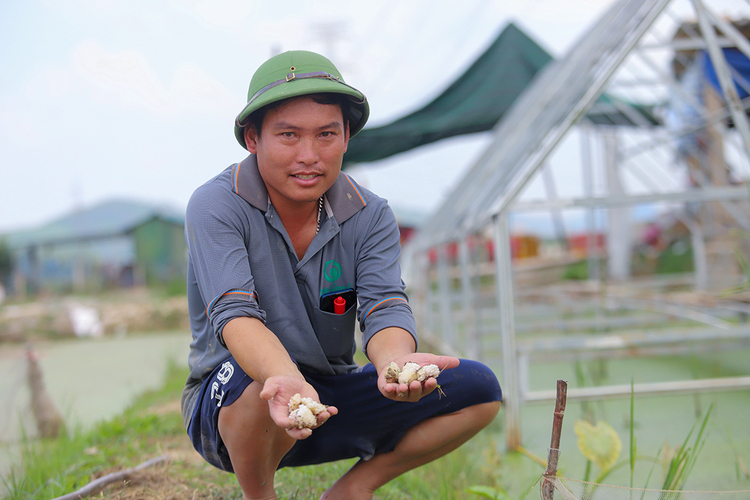
The success of the Binh Minh model is built upon rigorous environmental control. As farmers like Nguyen Dinh Vuong, 37, have discovered, the black apple snail is highly sensitive to water quality. Mr. Vuong, who converted six "sao" (approximately 3,000 square meters) of rice fields in 2025 with an investment of 200 million VND, emphasizes that the infrastructure is the primary barrier to entry.
The conversion process involves excavating ponds and installing dedicated irrigation systems. The ponds are partitioned into smaller cells of 140–180 square meters to allow for precise monitoring. The life cycle management is equally systematic: broodstock is sourced from reputable suppliers or maintained from the previous harvest, placed in controlled spawning areas, and then moved to grow-out ponds once they reach a specific maturity.
Feeding strategies rely heavily on locally sourced greens, such as water hyacinth and various fruits, which minimizes overhead costs. The production cycle is efficient; snails typically reach marketable size (25–30 snails per kilogram) within 70 to 75 days. Depending on seasonal temperatures and water availability, farmers can achieve two to three harvest cycles per year.
Economic Impact and Market Dynamics
The economic implications for Binh Minh are profound. With an annual production of 400 tons, the collective revenue has surpassed 20 billion VND. After accounting for operational costs—including juvenile snails, feed, labor, and capital depreciation—farmers report a net profit exceeding 10 billion VND annually.
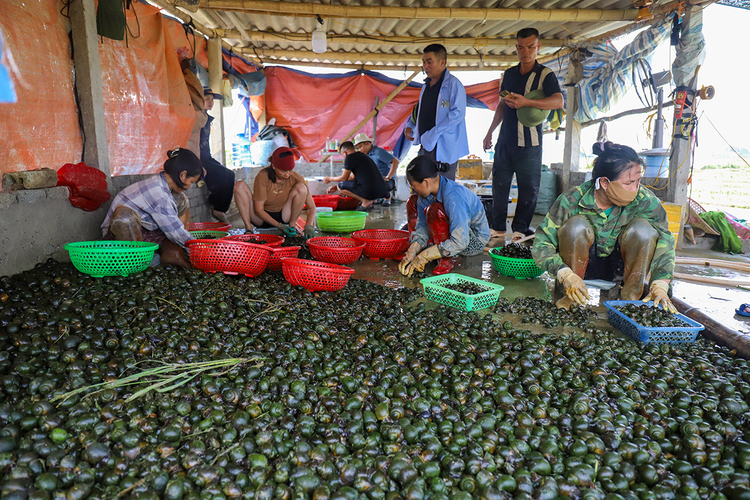
Market reach has expanded significantly beyond the local district. Traders now travel from provinces as far as Phu Tho to secure supply, with daily volumes reaching up to two tons during peak harvest periods. The product has found a steady consumer base in high-end restaurants and wholesalers in major urban centers such as Hanoi and Hai Phong.
To sustain this growth, the Binh Minh Cooperative is currently focusing on value-added processing. One product line has already achieved a 3-star OCOP (One Commune, One Product) rating, a significant endorsement in the Vietnamese agricultural market. Future plans include investment in flash-freezing facilities and vacuum-packaging technology to ensure year-round supply, thereby insulating farmers from price volatility and seasonal supply gluts.
Official Support and Infrastructure Development
The local government has recognized the importance of this shift, actively facilitating infrastructure improvements. Several months ago, a collective contribution of nearly one billion VND from the community, supported by local authorities, allowed for the construction of a one-kilometer canal connecting the snail farming zone to the Dao River. This investment provides a consistent supply of clean water, which is essential for maintaining the health of the snails during the hot summer months.
According to Mr. Vo Trong Quang, Chairman of the Binh Minh Commune Farmers’ Association, a comprehensive development plan for 2026–2028 is already in motion. The objective is to increase commercial production to over 1,000 tons annually.
"Our strategy is to integrate advanced technical standards while ensuring strict quality control of inputs," Mr. Quang stated. "We are encouraging all households to join the cooperative, as it allows us to align our production with market demand and coordinate with technical experts to address challenges in real-time."
Analysis of Implications
The transformation of Binh Minh represents a broader trend in Vietnamese agriculture: the shift from subsistence-oriented crops to high-value, market-driven aquaculture. The success of the Binh Minh model hinges on three key factors:
- Cooperative Consolidation: By forming a cooperative, the farmers have shifted from fragmented, small-scale competitors to a centralized entity capable of negotiating better prices and establishing brand identity.
- Resource Adaptation: Rather than attempting to force productivity from poor-quality land, the community adapted the land to a species that thrives in those specific conditions.
- Technological Integration: The transition from manual, observational farming to data-driven, systematic pond management has reduced mortality rates and improved the consistency of the harvest.
However, the expansion to 1,000 tons brings new challenges. Environmental regulations regarding wastewater management from such a large aquaculture cluster will require continued investment. Furthermore, as the market matures, the cooperative will need to focus on diversifying its product offerings and securing sustainable supply chains for organic feed to maintain its OCOP certification and premium market positioning.
In conclusion, the black apple snail industry in Binh Minh is not merely a story of individual success but a case study in rural economic development. By leveraging local resources, fostering cooperative efforts, and maintaining a commitment to technical standards, the farmers of Tho Chau hamlet have successfully turned "unproductive" land into a model of modern, sustainable agriculture that serves as a blueprint for neighboring regions.