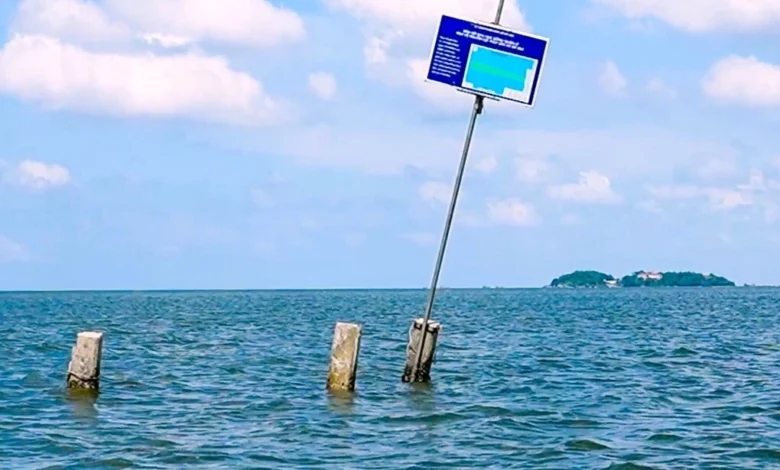
In a concerning development for maritime safety in the Mekong Delta, a series of 65 concrete piles, each measuring approximately seven meters in length, have been identified as a significant hazard to local navigation near the Kênh Mới estuary in Cà Mau province. The structures, which were installed to facilitate green mussel farming, have effectively turned a public waterway into an obstacle course, prompting an urgent intervention from provincial authorities.
The Incident and Immediate Hazards
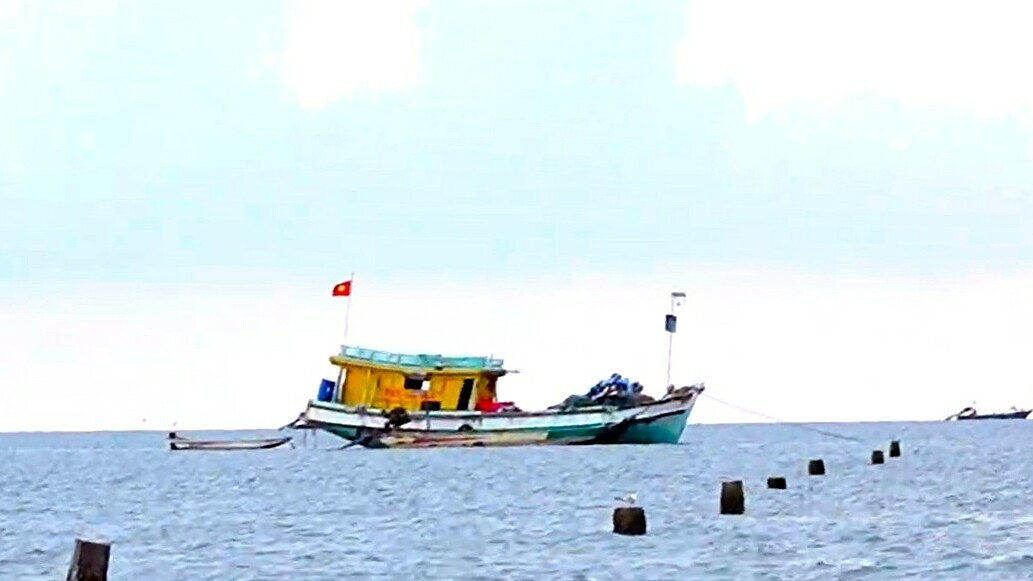
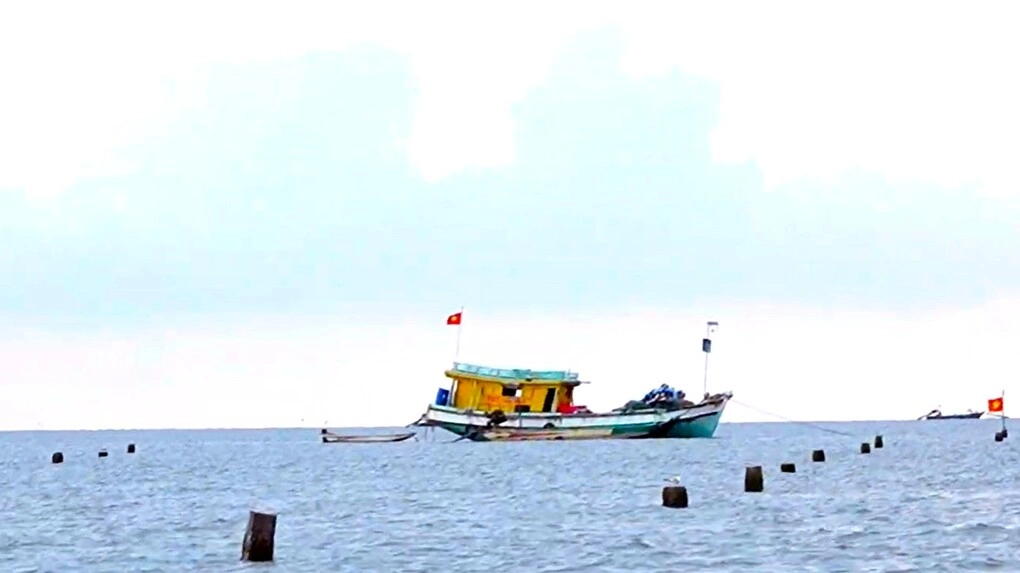
The presence of these concrete obstructions has created a volatile environment for fishers and commercial vessel operators navigating the coastal waters between Đất Mũi and Khánh Hưng communes. Local reports indicate that during high tide, the majority of these piles are submerged just beneath the surface, often by as little as a hand’s breadth. This creates a "hidden trap" scenario, particularly dangerous during night-time navigation or in periods of inclement weather, where strong winds and high waves make it nearly impossible for vessel captains to detect the hazards until a collision is imminent.
Fishermen operating in the area have expressed grave concerns regarding the safety of their livelihoods. Small boats and wooden vessels are at high risk of severe hull damage, engine failure, or, in the worst-case scenario, sinking should they impact these reinforced concrete structures. Several mariners have reported near-miss incidents, describing the area as a "death trap" for those unfamiliar with the precise coordinates of the mussel farming plots.
Chronology of Regulatory Intervention
The crisis reached a breaking point on November 9, when officials from the Cà Mau Department of Agriculture and Rural Development (DARD) held an emergency meeting with the People’s Committee of Đất Mũi commune. The objective was to verify the extent of the unauthorized infrastructure and establish a timeline for its removal.
The sequence of events leading to this intervention began with a series of complaints filed by local fishers. These individuals, navigating the western coastal waters, documented how the proliferation of these private farming zones hindered access to traditional fishing grounds and created significant navigational bottlenecks. By the time authorities launched their formal investigation, they discovered that the structures were situated in sensitive areas—less than 100 meters from the shoreline and roughly 300 meters from the Kênh Mới estuary mouth, a vital artery for local maritime traffic.
Supporting Data and Technical Specifications
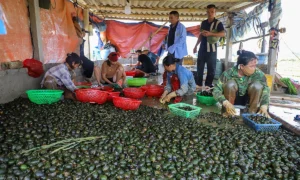
The scale of the obstruction is substantial. According to official surveys, the 65 concrete piles are each seven meters long with a cross-section of 20 centimeters. These piles were driven into the seabed to serve as anchor points for nets and ropes designed to support the growth of green mussels.
The installation of these piles was linked to a local mussel farming pilot project managed by the Đất Mũi Commune Natural Resources and Aquatic Resources Protection team. While the project was intended to promote economic development, the lack of coordination with maritime transport authorities has resulted in a direct conflict between aquaculture interests and public safety.
Official Responses and Remedial Measures
Following the investigation, the Department of Agriculture and Rural Development has issued a strict mandate: the entire network of 65 piles must be dismantled. The deadline for this operation has been set for November 15. This directive serves as a clear signal that provincial authorities will not tolerate infrastructure that jeopardizes the safety of public waterways.
However, the situation remains fluid. Mr. Nguyễn Cảnh Hạnh, Vice Chairman of the Đất Mũi Commune People’s Committee, has indicated that while the commune recognizes the urgency of the matter, they are seeking a partial extension for a subset of the structures. Specifically, local officials have requested that 12 of the piles—those positioned closest to the estuary—be removed immediately by the November 15 deadline. For the remaining structures, the commune has proposed a stay of execution until December 15, during which time they intend to mark the area with high-visibility, light-reflective buoys. This, they argue, would provide a temporary buffer to prevent accidents while allowing for a more measured removal process.
Implications for Sustainable Aquaculture
The Cà Mau incident underscores a broader, systemic challenge facing the Mekong Delta: the balance between expanding aquaculture and maintaining the integrity of maritime transit routes. As the region pivots toward more intensive coastal farming, the absence of standardized zoning laws and regulatory oversight often leads to "wildcat" development.
The DARD has acknowledged that the mussel farming model itself is not inherently illegal, but rather that its implementation failed to meet the required legal standards for maritime safety and environmental management. Expert units are currently working with local government bodies to provide guidance on the correct procedures for designating, managing, and utilizing coastal zones. This includes mandatory environmental impact assessments and strict adherence to maritime safety protocols before any structures are permitted on the seabed.
Broader Socio-Economic Impact
The situation in Cà Mau is a microcosm of the pressures facing coastal communities. On one hand, the government encourages the development of the blue economy to boost local incomes and diversify agricultural output. On the other, the uncontrolled expansion of such projects threatens the very infrastructure that sustains the local economy—namely, the safe transit of vessels.
The potential for economic loss is significant. A single collision involving a fishing vessel could result in thousands of dollars in repairs, not to mention the potential for loss of life or the environmental damage caused by sinking vessels. Furthermore, the disruption of fishing routes impacts the efficiency of the entire supply chain, from the small-scale fishers to the processing plants in Cà Mau.
Moving forward, provincial authorities are expected to tighten their oversight of all aquaculture concessions. Future permits for seabed structures will likely require explicit clearance from the Department of Transportation, ensuring that any farming activity is geofenced away from established navigation channels.
As the November 15 deadline approaches, the eyes of the local community are fixed on the Kênh Mới estuary. The successful removal of these hazards will be a test of the provincial government’s ability to enforce maritime safety regulations while managing the competing interests of local farmers and the broader maritime sector. For the people of Cà Mau, the restoration of safe, unobstructed passage through their local waters remains a top priority, one that underscores the necessity of harmonizing economic ambition with the fundamental requirement of public safety.