Decoding the Functionality of A/C, AUTO, and MAX A/C Buttons on Modern Vehicle Climate Control Systems

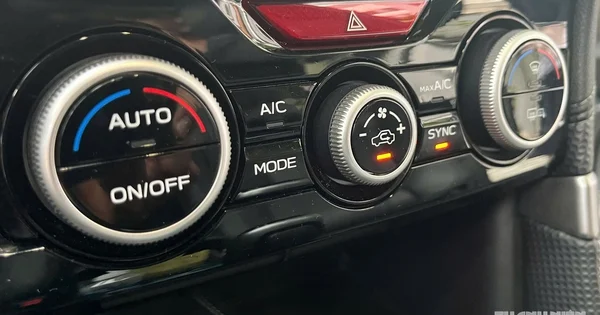
Automotive climate control systems have evolved from rudimentary heater boxes and manual air conditioning units into sophisticated, computer-managed environments. In the modern automotive landscape, particularly in regions with high ambient temperatures like Southeast Asia, the ability to maintain a comfortable cabin temperature is no longer a luxury but an essential feature for driver safety and passenger comfort. Despite the ubiquity of these systems, a significant portion of drivers remain unfamiliar with the precise functions of the various buttons on their climate control panels. Understanding the technical distinctions between A/C, AUTO, and MAX A/C is not merely about convenience; it is a matter of operational efficiency, fuel economy, and the long-term maintenance of the vehicle’s cooling hardware.
The Evolution of Cabin Climate Control
The history of automotive air conditioning dates back to the late 1930s, when Packard first offered a refrigeration system in its luxury models. However, these early systems were cumbersome, often requiring the driver to manually stop the vehicle and physically connect a belt to the compressor to engage the cooling process. Today, the integration of electronic control units (ECUs) and sensors has transformed these systems into fully automated modules.
In modern vehicles, the climate control system operates as a closed-loop circuit involving a compressor, condenser, expansion valve, and evaporator. The system’s primary goal is to lower the cabin temperature while simultaneously managing humidity levels—a critical function for preventing windshield fogging during humid weather conditions. While many drivers intuitively press the "A/C" button whenever they feel warm, this approach often overlooks the nuanced capabilities provided by the "AUTO" and "MAX A/C" settings, leading to unnecessary engine load and suboptimal cabin environments.
The A/C Button: The Foundation of Dehumidification
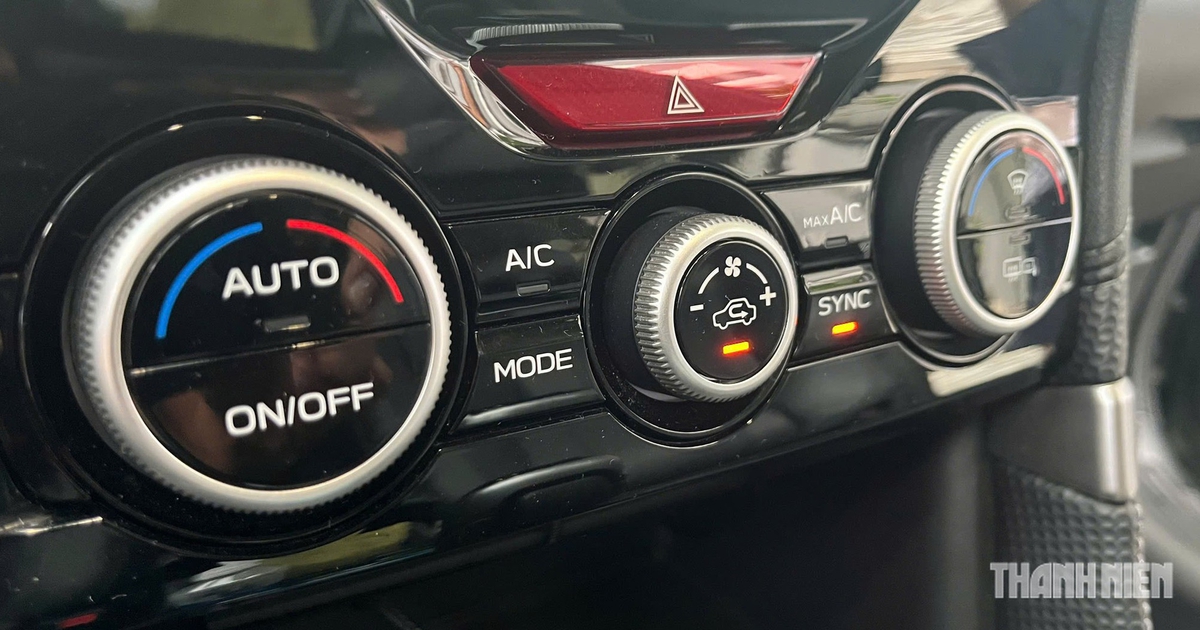
The "A/C" button is an abbreviation for "Air Conditioning," and its primary function is to engage the electromagnetic clutch of the compressor. When the A/C is switched on, the system begins the mechanical process of compressing refrigerant, which then flows through the condenser and evaporator to remove heat from the air entering the cabin.
Contrary to popular belief, the A/C button does not just cool the air; it serves as a critical dehumidifier. By passing warm, moisture-laden air over the cold evaporator core, the system forces the water vapor to condense into liquid, which is then drained outside the vehicle. This is why the A/C is often recommended for use even in mild temperatures—it keeps the cabin dry and prevents the interior glass from fogging.
From a technical standpoint, leaving the A/C running constantly does not necessarily mean the compressor is operating at 100% capacity at all times. Modern vehicles utilize variable displacement compressors that can adjust their output based on the cooling demand, ambient temperature, and the specific set temperature requested by the occupants. Misunderstanding this often leads drivers to toggle the button unnecessarily, potentially causing premature wear on the compressor’s magnetic clutch.
The AUTO Setting: Precision Engineering for Cabin Comfort
The "AUTO" function represents the pinnacle of user-friendly climate control. When a driver engages the AUTO mode, they are effectively handing over the management of the cabin environment to the vehicle’s onboard computer. Instead of the driver manually adjusting fan speeds, air distribution vents, and cooling intensity, the system utilizes an array of interior and exterior sensors to calculate the most efficient path to reach the desired temperature.
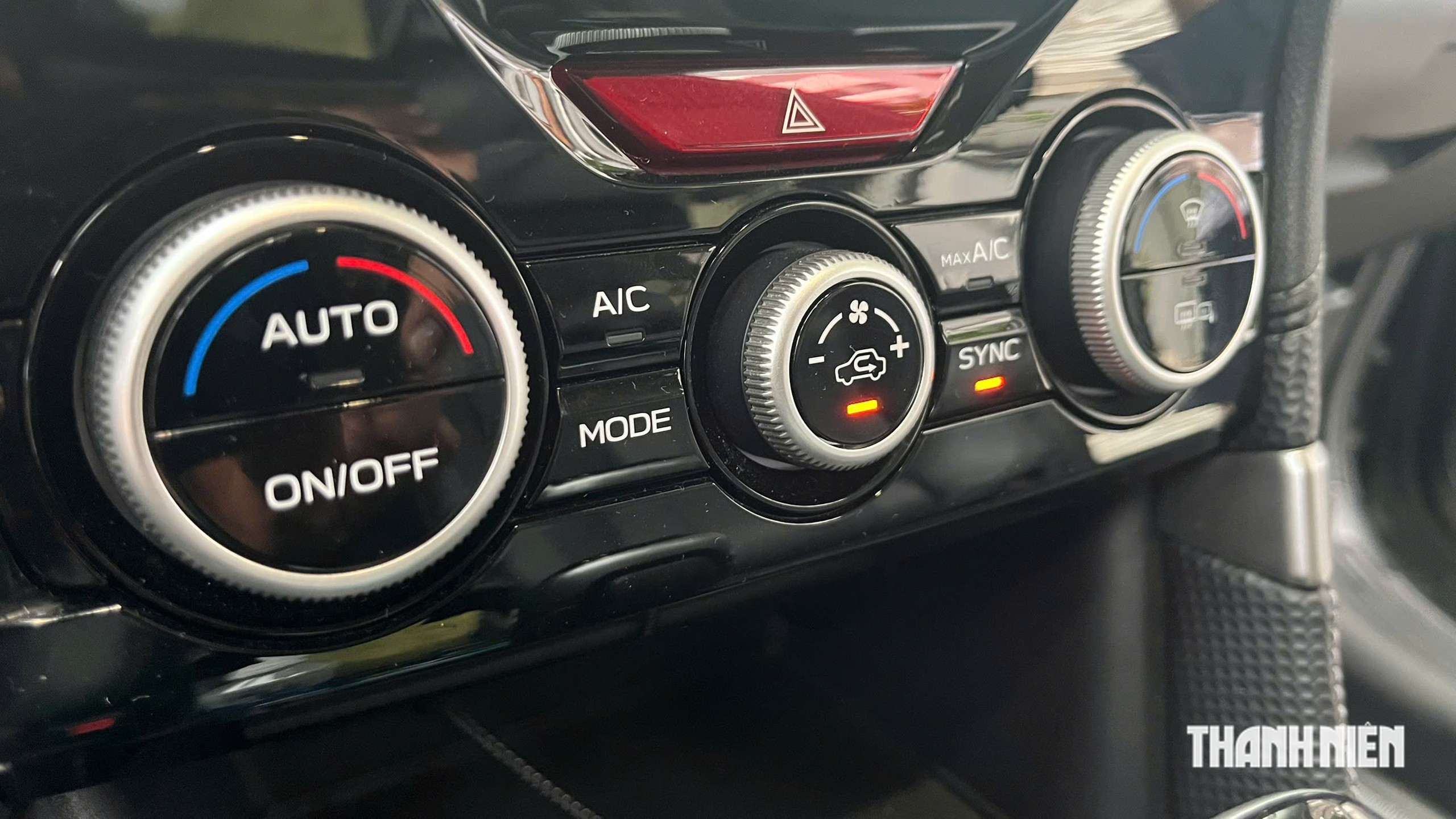
For instance, if a driver sets the temperature to 24°C, the system will evaluate the cabin’s current thermal load. If the interior is significantly hotter than the target—perhaps after being parked in direct sunlight—the AUTO system will automatically trigger a high fan speed, direct air to the dashboard vents, and potentially engage the recirculation mode. As the cabin reaches the target temperature, the system intelligently scales back the fan speed and shifts the airflow to maintain the climate without the constant, intrusive adjustments that a manual system would require.
Data from automotive manufacturers suggests that utilizing the AUTO setting is more energy-efficient in the long term. By avoiding the "stop-start" cycle of manual adjustments, the compressor and blower motor operate in a more stable, consistent manner. This efficiency contributes to a marginal reduction in fuel consumption, as the engine does not face sudden, sharp spikes in accessory load.
MAX A/C: Strategic Cooling for High Thermal Loads
The "MAX A/C" button, sometimes labeled as "MAX COOL," is a specialized override setting. It is specifically designed for scenarios where the cabin has reached an extreme temperature, such as after sitting in a hot parking lot for several hours. When activated, the system bypasses standard comfort-oriented logic to focus exclusively on rapid heat dissipation.
The activation of MAX A/C typically initiates three concurrent actions:
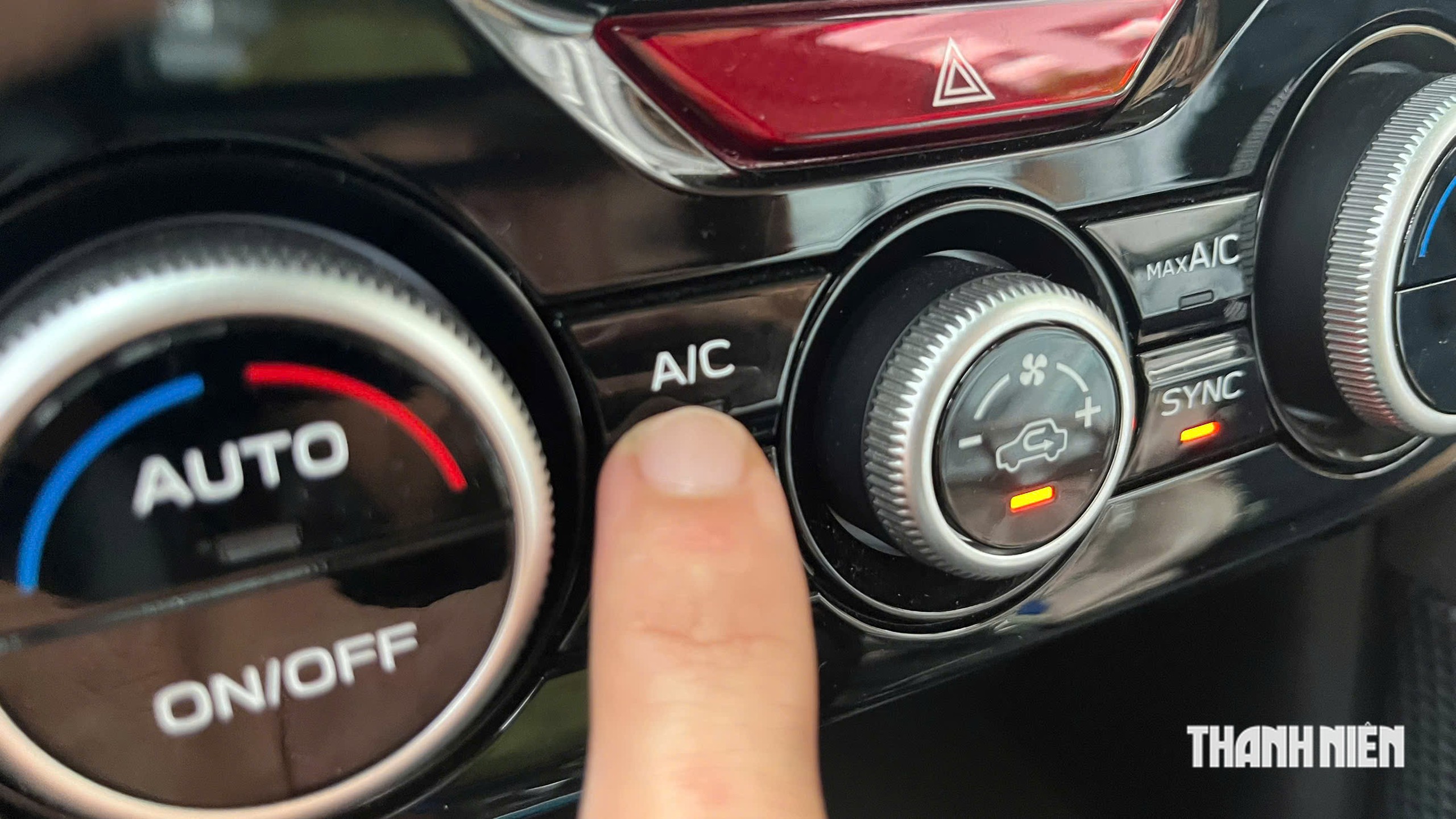
- It forces the compressor to its maximum cooling capacity.
- It sets the blower motor to its highest speed.
- It immediately switches the air intake to "Recirculation Mode."
The use of recirculation is the most vital component here. By preventing hot air from outside from entering the cabin, the system only has to cool the air that is already inside, which is progressively becoming colder. This creates a feedback loop that achieves a comfortable temperature significantly faster than standard settings.
However, industry experts advise that MAX A/C is a temporary tool. Once the cabin temperature drops to a manageable level, the system should be transitioned back to AUTO or a moderate manual setting. Sustaining MAX A/C for long periods can lead to an overly dry cabin atmosphere and increased strain on the alternator and compressor, which may shorten their service life.
Implications for Vehicle Maintenance and Operation
The common practice of ignoring these specialized settings or toggling them without understanding their underlying mechanisms has tangible implications for vehicle health.
Fuel Efficiency: The air conditioning system is one of the largest parasitic loads on an internal combustion engine. By failing to use the AUTO setting, which optimizes the compressor load, drivers may be forcing their engines to work harder than necessary.
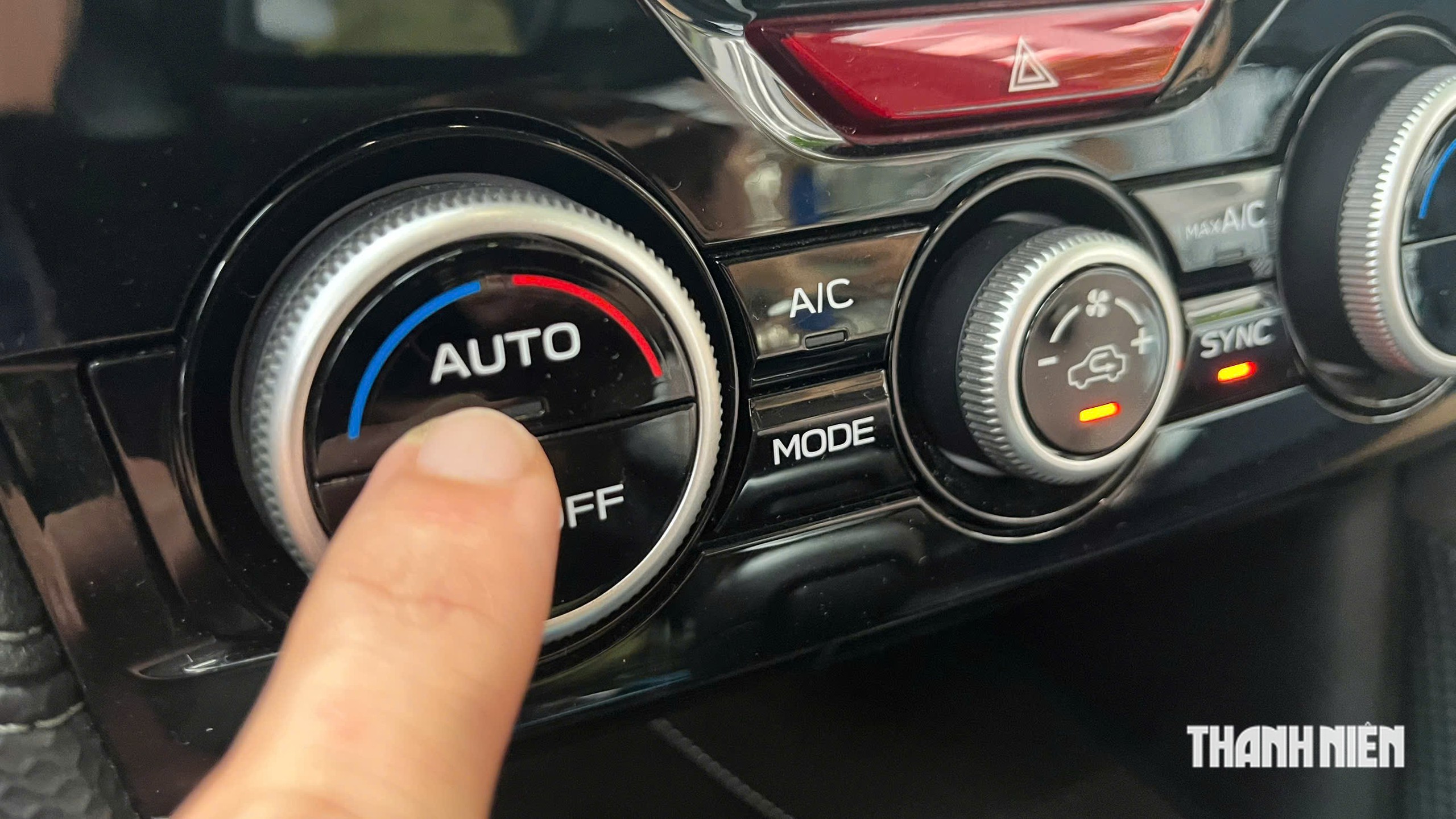
Component Longevity: Frequent, manual cycling of the A/C button—especially at high engine RPMs—puts significant mechanical stress on the compressor clutch. Utilizing the automated controls allows the vehicle’s ECU to manage the clutch engagement more smoothly, preserving the hardware.
Driver Focus: A study on driver behavior and cabin ergonomics highlights that frequent interaction with climate controls acts as a secondary task that distracts the driver. By utilizing the AUTO function, the driver minimizes the need for manual inputs, thereby increasing their focus on the road.
Summary of Best Practices
In summary, the distinction between these three functions is clear:
- A/C: The master switch for the cooling and dehumidification process. It should be left on during humid or rainy weather to ensure visibility.
- AUTO: The recommended setting for daily driving. It provides a set-and-forget experience that optimizes both comfort and component longevity.
- MAX A/C: A high-intensity setting meant for rapid cooling. It should be used only at the start of a trip and then deactivated to return the system to a more efficient operating state.
As vehicles become increasingly digitized, these climate control systems will continue to evolve, incorporating features like air quality sensors and AI-driven climate preferences. Nevertheless, the fundamental principles of these three buttons remain the bedrock of automotive HVAC operation. By mastering these settings, drivers can ensure a more comfortable journey, reduce their vehicle’s fuel consumption, and extend the service life of their car’s cooling infrastructure.