Honda Biz 110 returns to the international stage with significant engineering upgrades and a refined design identity


The Honda Biz 110, a staple in the entry-level motorcycle segment, has made a triumphant return to the Argentinian market, signaling a strategic update to one of the most recognizable names in the small-displacement commuter category. While the model remains absent from the official Honda Vietnam lineup, its resurgence in South America highlights a persistent global demand for rugged, efficient, and user-friendly urban transportation. The latest iteration of the Biz 110, designated for the 2027 model year, arrives with a suite of technical improvements, most notably a transition to electronic fuel injection and a revised braking architecture that blurs the line between traditional underbone motorcycles and automatic scooters.
A Legacy of Utility: Historical Context
The Honda Biz series has been a cornerstone of Honda’s international portfolio since its initial introduction in 2006. Engineered to provide a robust, low-maintenance solution for daily commuting, the platform was designed to bridge the gap between the utilitarian nature of the legendary Honda Wave and the refined comfort of the Vision.
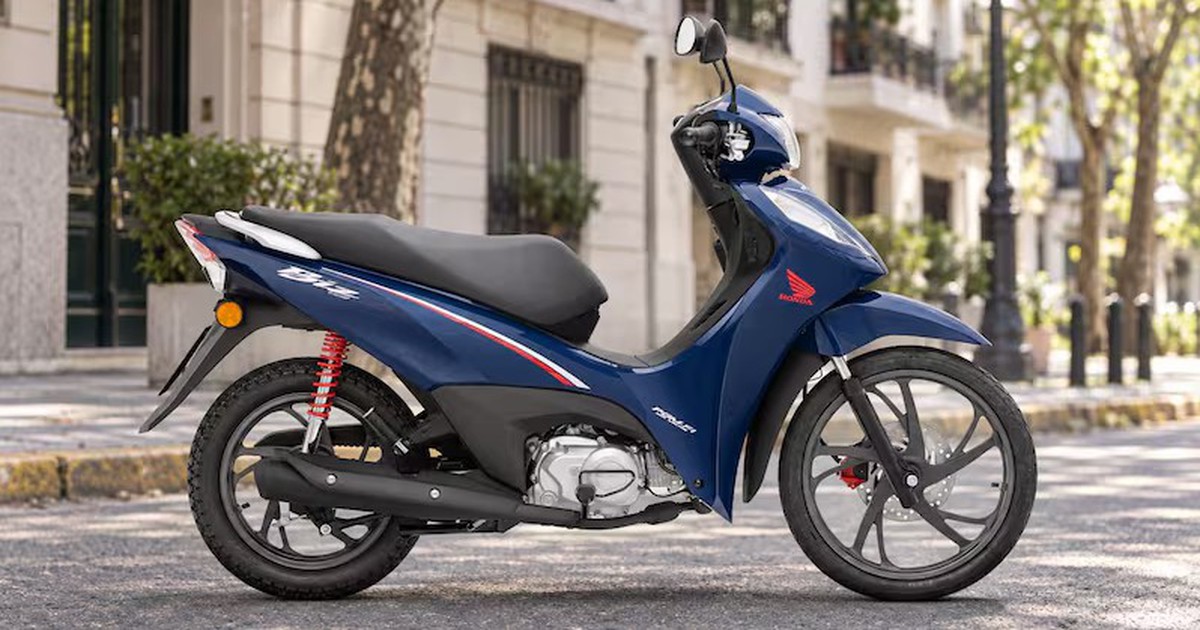
In the Argentinian market, the Biz has maintained a cult following for nearly two decades. Its unique design—characterized by a low seat height of 750mm and a compact chassis measuring 1,892 x 715 x 1,081 (mm)—makes it exceptionally accessible for novice riders and those navigating dense urban environments. After a period of relative dormancy in updates, the re-introduction of the 110 variant serves as a critical move for Honda, which continues to dominate the small-displacement segment against a growing field of domestic and international competitors.
Redefining the Commuter: Engineering and Design
The most immediate talking point of the new Honda Biz 110 is its deviation from traditional underbone ergonomics. Traditionally, motorcycles of this class utilize a front hand lever for the disc brake and a foot-operated pedal for the rear brake. The 2027 Biz 110 breaks this convention by mounting both braking controls on the handlebars, a configuration typically reserved for scooters.
This design choice is not merely aesthetic; it is an effort to improve safety and ease of use for the target demographic. To further enhance stopping performance, Honda has integrated its Combi-Brake System (CBS). By distributing braking force across both wheels simultaneously when either lever is engaged, the CBS reduces the risk of wheel lockup and provides a more predictable deceleration curve—an essential feature for riders navigating unpredictable urban road surfaces.
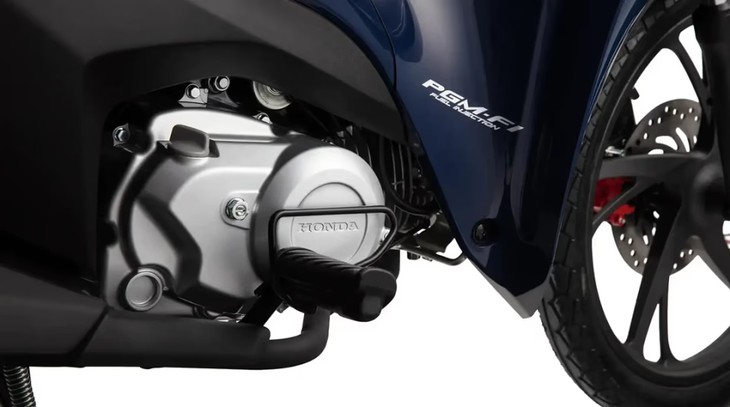
Beyond the braking system, the internal combustion engine has undergone a fundamental transformation. The legacy carburetor system, which defined the model for years, has been discarded in favor of the PGM-FI (Programmed Fuel Injection) system. This transition is aimed at meeting modern emissions standards while providing significantly better fuel efficiency and cold-start reliability. Although Honda has yet to release the specific horsepower and torque output figures for this engine, the company asserts that the switch to fuel injection results in a smoother power delivery and reduced vibration, significantly elevating the ride quality for the daily commuter.
Practicality Meets Modernity: Storage and Connectivity
Honda has doubled down on the "utility-first" philosophy that defines the Biz nameplate. Despite the frame’s small footprint, the engineers have maximized under-seat storage, which is now spacious enough to accommodate a full-face helmet—a significant selling point for a 110cc machine. To further assist with daily tasks, the bike includes a front storage pocket and a dedicated cargo hook, allowing for the convenient transport of smaller bags or groceries.
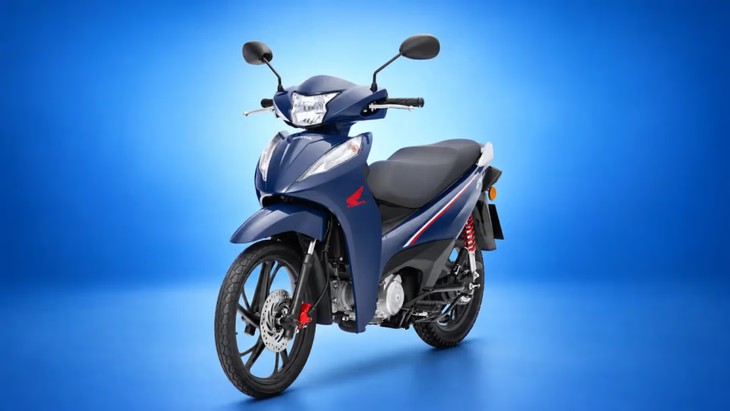
In an effort to keep pace with the digital demands of modern consumers, the 2027 Biz 110 now features a USB-C charging port located within the storage area. This allows riders to maintain the charge of their mobile devices and navigation tools while on the go. The instrument cluster has also been modernized, replacing analog needles with a clear, backlit LCD display that provides essential diagnostic and operational data at a glance. Lighting duties are handled by an LED headlight, ensuring superior visibility during night riding while consuming less electrical power than traditional halogen bulbs.
Competitive Dynamics and Market Positioning
The presence of the Honda Wave in the same market presents an interesting dynamic for the brand. In Argentina, the Wave and the Biz now occupy the same segment, creating a "friendly fire" scenario that could potentially cannibalize sales. However, industry analysts suggest that the two models cater to distinct consumer profiles. The Wave continues to appeal to the traditionalist rider who prefers the classic manual-clutch-style footprint, while the Biz targets the "scooter-curious" rider who prioritizes the convenience of the dual-handlebar brake setup and the enhanced under-seat storage.
By segmenting the two models, Honda is effectively widening its net, ensuring that it captures both the traditional underbone enthusiast and the urban dweller looking for scooter-like agility in a more durable, motorcycle-derived frame.
Economic Impact and Availability
The 2027 Honda Biz 110 is currently priced starting at 4,006,500 Argentine pesos (approximately $69 million VND, subject to exchange rate fluctuations). Available in four core colors—white, blue, grey, and red—the vehicle is backed by a three-year manufacturer warranty. This, combined with Honda’s extensive service network in Argentina, is expected to maintain the model’s high resale value, a critical factor for the target demographic in emerging economies.
Analysis: Why the Biz Matters
The re-emergence of the Biz 110 is a testament to Honda’s "kaizen" or continuous improvement philosophy. Rather than replacing the platform with an entirely new product, the manufacturer has chosen to modernize an existing, proven architecture. By implementing PGM-FI technology and modern lighting, Honda has effectively extended the lifecycle of the Biz, ensuring that it remains relevant in an era of increasing environmental scrutiny and technological expectation.
Furthermore, the integration of the CBS and the handlebar-mounted braking system represents a shift in how manufacturers view entry-level riders. By lowering the barrier to entry and simplifying the mechanical operation of the bike, Honda is likely looking to convert more commuters from public transport to private, individual mobility solutions.
As cities continue to grow and traffic congestion becomes an increasingly complex challenge, the demand for vehicles like the Honda Biz 110—compact, fuel-efficient, and easy to operate—is unlikely to wane. Whether this updated model will ever see a release in markets like Southeast Asia remains a subject of speculation among enthusiasts; however, for the time being, it stands as a prime example of how traditional engineering can be successfully adapted to meet the shifting needs of a modern, global riding community.
Chronology of the Biz Evolution
- 2006: The first generation of the Honda Biz is introduced in Argentina, establishing the model as a reliable commuter vehicle.
- 2006–2015: The Biz establishes its reputation for durability, becoming one of the best-selling small-displacement motorcycles in the region.
- 2016–2025: The model sees minor aesthetic refreshes but remains largely unchanged mechanically, serving as the benchmark for entry-level reliability.
- September 2026: Honda announces the 2027 model year update, confirming the transition to PGM-FI and the introduction of the Combi-Brake System (CBS).
- Q4 2026: The updated Biz 110 begins arriving at dealerships across Argentina, marking a new chapter for the brand in the South American market.
Looking Ahead
The strategy behind the new Biz 110 is clear: minimize risk by updating a proven asset. By focusing on efficiency, safety, and convenience, Honda has ensured that the model remains a competitive force. As the company continues to evaluate global markets, the success of this updated Biz in Argentina may well serve as a case study for the potential re-introduction or evolution of similar platforms in other regions currently dominated by strictly utilitarian underbones. The Biz 110 is more than just a motorcycle; it is a vital piece of the global urban mobility puzzle, and its latest iteration proves that even a classic can benefit from a modern touch.