Bus Fire Survival Strategies and Critical Lessons from the Tragic Dong Nai Highway Accident

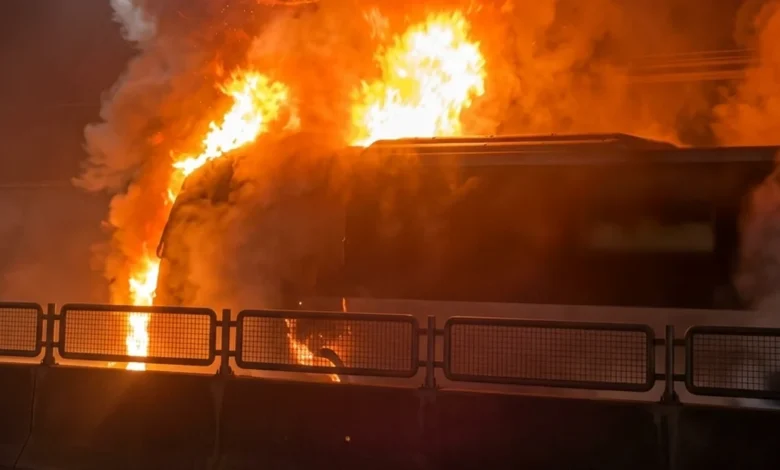
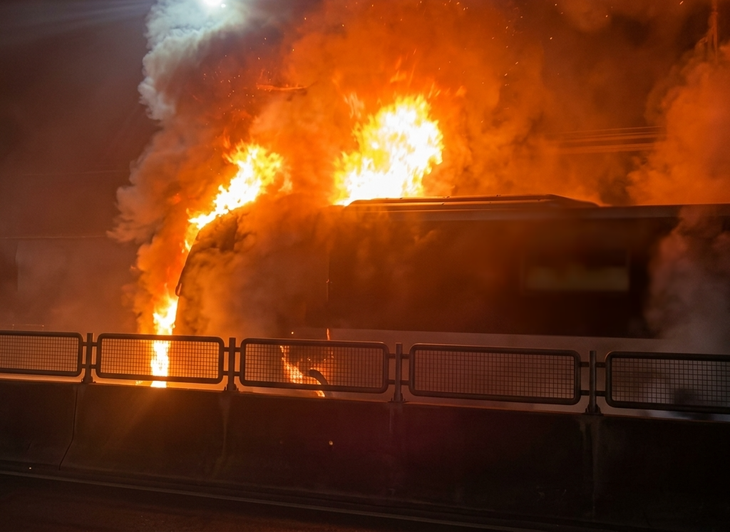
The catastrophic fire that engulfed a long-haul sleeper bus on National Highway 1 in Dong Nai Province during the early hours of July 21 resulted in the tragic loss of seven lives, including three children, and left six others with significant injuries. This incident has not only shocked the public but has also reignited an urgent national dialogue regarding the safety standards of sleeper buses and the critical survival skills required when passengers find themselves trapped in a burning vehicle. As investigators work to determine the precise mechanical or human errors that led to the crash, fire safety experts are emphasizing a grim reality: in the event of a bus fire, the window for survival is measured in seconds, and knowing how to bypass a blocked main exit is often the only way to avoid a fatal outcome.
The Chronology of a Pre-Dawn Tragedy
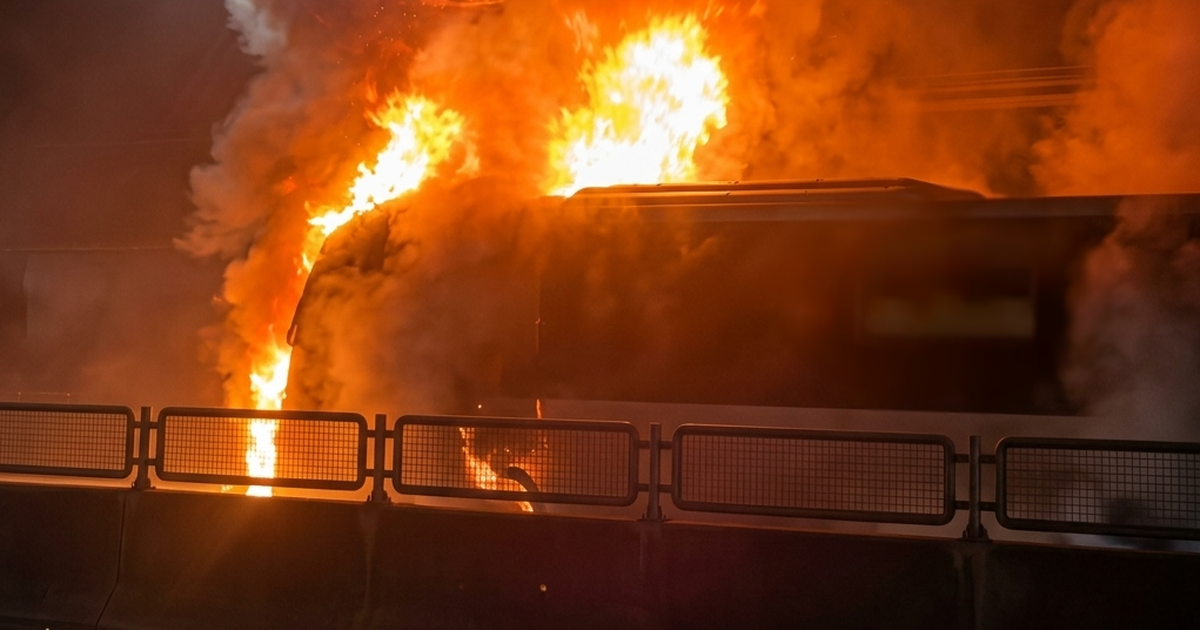
The accident occurred in the early morning hours, a period when most passengers on long-distance routes are in deep sleep. According to preliminary reports from local authorities in Dong Nai, the sleeper bus was traveling along National Highway 1 when it collided with a roadside guardrail. The impact was severe, causing an immediate mechanical failure that sparked a fire at the front of the vehicle. Within moments, the entrance area—which houses the primary door and the driver’s cabin—was consumed by flames, effectively sealing the only exit most passengers were familiar with.
Witnesses at the scene described a harrowing sequence of events. Because the fire originated at the front, smoke and toxic fumes were pumped through the vehicle’s ventilation system almost instantly. Of the 28 passengers on board, many were jolted awake by the sound of the collision and the rising heat, but the disorientation of waking up in a dark, smoke-filled cabin led to a chaotic rush toward the front of the bus. For the seven victims who perished, the combination of a blocked exit and the rapid accumulation of carbon monoxide proved insurmountable.
The Psychology of the "Main Door Trap"
Mr. Tran Van Dong, a specialized driving instructor at the Di An Railway College and a veteran automotive expert, points out that the primary cause of high mortality in bus fires is the human instinct to exit the way one entered. "The most important thing for any passenger to understand is that the main door is not your only hope," Mr. Dong explains. "In a high-impact collision or a front-engine fire, the main door is the first thing to be compromised. If everyone crowds toward that single point of failure, it creates a deadly bottleneck."
In the Dong Nai incident, the fire’s location at the front of the bus turned the vehicle into a horizontal chimney. As passengers rushed forward, they were moving directly into the source of the heat and the highest concentration of toxic gases. Experts argue that if passengers are trained to immediately look for secondary exits—such as side windows or rear emergency hatches—the survival rate in such accidents could be significantly higher. The "crowd effect" in a narrow sleeper bus aisle is particularly dangerous; if the person at the front of the line hesitates or becomes incapacitated, the entire row of passengers behind them is trapped.
Technical Survival: The Science of the Safety Hammer
Modern sleeper buses in Vietnam are required by technical standards to be equipped with emergency exit windows and specialized safety hammers. However, the presence of these tools is useless if passengers do not know where they are or how to use them effectively. Mr. Dong notes that many passengers remain unaware of the specialized design of vehicle glass.
"A bus window is made of tempered safety glass. It is designed to be incredibly strong against broad impacts but fragile against concentrated pressure at specific points," Mr. Dong says. The safety hammer features a hardened steel point designed to shatter this glass instantly. However, there is a specific technique required for its use. Many people instinctively strike the center of the window, which is actually the most flexible and resilient part of the glass pane. To break the window quickly, one must strike the corners or the edges. Once the glass shatters, it will break into small, relatively blunt pieces, but it is still necessary to use a foot or a heavy object to clear the remaining shards from the frame before climbing out to avoid lacerations.
The Lethal Threat of Smoke Inhalation
While the flames are the most visible threat, fire safety specialists warn that smoke is the actual "silent killer" in bus accidents. Sleeper buses are enclosed environments with heavy use of synthetic materials, including polyurethane foam in the mattresses, plastic paneling, and synthetic fabrics. When these materials burn, they release a cocktail of highly toxic gases, including hydrogen cyanide and carbon monoxide.
In an enclosed space, these gases can cause a person to lose consciousness in less than a minute. Furthermore, the air conditioning system, if still running, can circulate smoke throughout the cabin even if the fire is contained to one end. Experts advise that as soon as fire is detected, passengers must drop to the floor. Because smoke and heat rise, the "breathable zone" with the most oxygen is usually within 30 to 50 centimeters of the floor. Using a piece of clothing, a towel, or even a face mask dampened with water to cover the nose and mouth can provide a few extra seconds of filtered breathing, which may be the difference between reaching an exit and collapsing.
Data and Background: The Risks of the Sleeper Bus Model
The Dong Nai tragedy is part of a concerning trend involving sleeper buses in Southeast Asia. Statistics from the Ministry of Transport indicate that while sleeper buses are a popular and affordable way to travel long distances, they present unique safety challenges. The high center of gravity makes them more prone to tipping during sudden maneuvers, and the interior layout—consisting of two levels of beds and narrow aisles—makes a rapid evacuation much more difficult than in a standard seated coach.
Furthermore, many of these accidents occur between midnight and 5:00 AM, a window when driver fatigue is at its peak and passenger reaction times are at their lowest. The lack of a mandatory pre-trip safety briefing—similar to those conducted on commercial aircraft—has been identified as a major regulatory gap. While airlines spend several minutes demonstrating the use of oxygen masks and exit rows, bus passengers are often left to figure out emergency procedures on their own in the midst of a crisis.
Industry Responses and Necessary Reforms
In the wake of the July 21 accident, transport authorities and safety advocates are calling for a fundamental shift in how the long-haul bus industry operates. Mr. Dong and other experts suggest that transport companies should be mandated to provide a safety demonstration before every departure. This should include:
- Identifying the location of all safety hammers.
- Demonstrating the operation of the roof-mounted emergency hatches.
- Pointing out the specific windows designed for emergency egress.
- Instructions on how to manually open the main door if the pneumatic system fails.
There is also a call for stricter maintenance schedules. Many bus fires are caused by electrical short circuits or overheating in the engine compartment. Regular inspections of the vehicle’s wiring and fire suppression systems are essential. Some safety advocates are even pushing for the mandatory installation of automatic fire extinguishers in the engine bays of all commercial passenger vehicles.
A Call for Passenger Proactivity
Ultimately, survival often depends on individual preparedness. Safety experts recommend that every passenger take 30 seconds upon boarding to scan their immediate surroundings. "Don’t assume an accident won’t happen to you," Mr. Dong warns. "Locate the nearest hammer and the nearest exit before you fall asleep. If the bus is involved in a crash, do not waste time trying to retrieve luggage, phones, or wallets. Your life is worth more than any piece of technology."
The Dong Nai accident serves as a somber reminder of the fragility of life on the road. As the community mourns the seven victims, the focus must remain on implementing the technical, regulatory, and educational changes necessary to ensure that such a tragedy is never repeated. The lessons learned from this event—ranging from the proper use of safety tools to the importance of "staying low" in smoke—are not just theoretical advice; they are the essential blueprints for survival in an increasingly mobile world.
Conclusion and Future Outlook
As the investigation into the National Highway 1 fire continues, the incident has highlighted the need for a comprehensive review of road safety in Vietnam. Beyond the immediate grief, there is an opportunity to build a more robust safety culture. By combining better vehicle engineering, stricter government oversight, and a more informed traveling public, the risks associated with long-distance travel can be significantly mitigated. For now, the focus remains on supporting the survivors and the families of the deceased, while ensuring that the hard-won lessons of this tragedy lead to lasting change in the transport industry.