Geely and Tasco Auto Driving Green Season Expedition Highlights Practical Value and Ownership Realities of Chinese Automakers in Vietnam

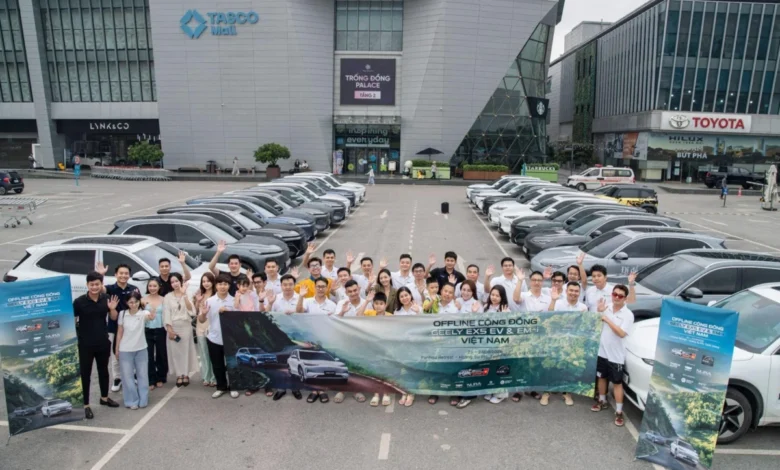
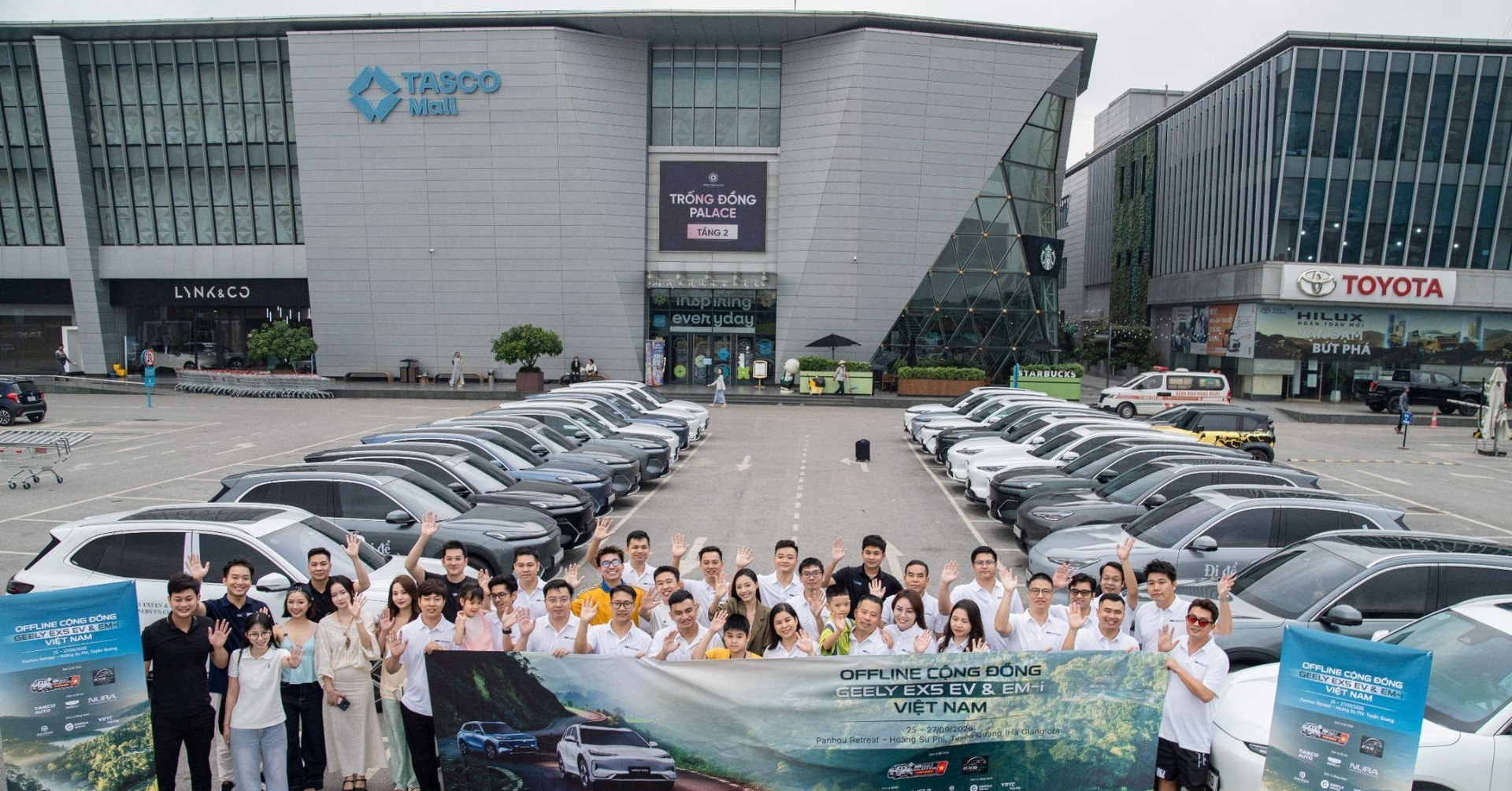
The shifting landscape of the Vietnamese automotive market has entered a new phase of consumer evaluation, underscored by comprehensive cross-country test drives and long-term user assessments. Recent developments in the electric and hybrid vehicle segments highlight an ongoing evolution in how motorists perceive foreign brands, particularly those originating from China. These trends came to the forefront during a recent overland expedition organized collaboratively by automotive manufacturer Geely and domestic distributor Tasco Auto. Entitled Driving Green Season, the multi-day journey served as both a grueling test of vehicular endurance and a platform for real-world consumer feedback regarding modern vehicle ownership, charging infrastructure, and total cost of operation.
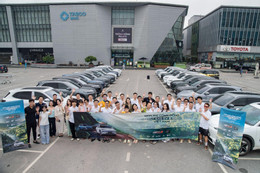
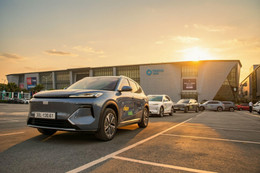
Stretching approximately 300 kilometers from the bustling urban center of Hanoi to the rugged, winding terrain of Hoang Su Phi in Ha Giang province, the expedition brought together twenty vehicles from the Geely EX5 lineup. This fleet featured a combination of pure electric vehicle (EV) variants and the advanced EM-i Super Electric Hybrid iterations. Among the participants was Luong Vuong Anh, an experienced motorist whose multi-year history with various automotive platforms offers a critical perspective on modern vehicle dynamics. Following rigorous evaluations across varied terrains—ranging from high-speed expressways to mist-shrouded mountain passes—industry stakeholders and everyday drivers engaged in extensive discussions centered on a singular, decisive question: amidst a crowded marketplace of global options, what drives modern consumers toward brands like Geely?
Rigorous Testing Across Challenging Terrains
The journey to Ha Giang provided a demanding proving ground for the mechanical and technological integrity of the Geely EX5. Traversing steep mountain inclines, sharp hairpins, and variable weather conditions tested the limits of battery management systems, thermal regulation, and structural chassis rigidity. For experienced drivers accustomed to traditional internal combustion engines, transitioning to new energy vehicles often requires overcoming deep-seated skepticism regarding power delivery and reliability under duress.
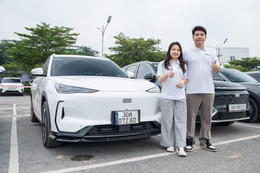
Reflecting on his decision-making process, Mr. Vuong Anh emphasized that tangible, hands-on inspection played a far more significant role than preliminary brand perception or external marketing. By lifting the hood and inspecting underbody components, wiring harnesses, and overall assembly finishes, participants sought to evaluate manufacturing standards firsthand. According to Mr. Vuong Anh, the meticulous attention to detail observed in the wiring layouts and component integration provided the necessary confidence to commit to long-term ownership. Furthermore, design philosophies centered on passenger comfort heavily influenced purchasing decisions. The vehicle’s cabin architecture, particularly the second-row legroom and ergonomic seating configurations designed to accommodate family travel, proved instrumental in shifting consumer mindsets. Features typically reserved for higher-tier segments—such as ventilated, heated, and multi-mode massage seats—addressed specific demands for comfort during extended journeys.
Performance, Drivetrain Flexibility, and Driving Dynamics
The expedition featured two distinct powertrain configurations within the Geely EX5 lineup, allowing participants to evaluate the distinct advantages of pure electric mobility versus advanced hybrid technology. The pure EV variant demonstrated linear, responsive power delivery, characterized by immediate torque generation during highway overtaking maneuvers and steady acceleration on steep inclines. Driving dynamics were further analyzed by participants such as Tai Cong Chinh, who noted the composure of the suspension system. According to Mr. Cong Chinh, the vehicle maintained a planted feel through high-speed corners without inducing undesirable body roll or steering feedback delays, striking a balance between ride comfort and agile handling.
Simultaneously, the Geely EX5 EM-i Hybrid variant addressed range anxiety and long-distance travel concerns. Piloted by Dinh Manh Cuong from Thanh Hoa, the hybrid model showcased the efficiency of its Super Electric Hybrid architecture. The system intelligently prioritizes pure electric driving at lower speeds and urban frequencies, seamlessly engaging the 1.5-liter internal combustion engine only when high-load demands, such as steep mountain climbing or rapid acceleration, are requested. This integration yielded notable efficiency metrics, with the vehicle achieving extended driving ranges on a single combined tank of fuel and full battery charge, making it a viable solution for extensive cross-country itineraries.
The Economics of EV Ownership and Infrastructure Integration
A central theme of the discussions during the Driving Green Season expedition was the practical economics of operating new energy vehicles in Vietnam. Operating costs remain a primary consideration for prospective buyers evaluating the transition away from traditional gasoline-powered automobiles. During the event, participant Nguyen Manh Cuong documented the financial aspects of public charging by topping up the Geely EX5 battery from 65% to full capacity at the Tasco Mall Long Bien charging hub, incurring a cost of approximately 100,000 VND. He noted that home-charging regimens during off-peak overnight hours could potentially reduce daily commuting expenses below the operational costs associated with traditional gasoline-powered motorcycles.
However, the viability of electric and hybrid vehicles extends beyond individual vehicle efficiency; it relies fundamentally on the robustness of supporting infrastructure and after-sales networks. Recognizing this requirement, the strategic partnership between Tasco Auto and Geely has focused on developing a comprehensive automotive ecosystem. Through the VETC charging platform, which integrates eRoaming technology, users gain access to an extensive network of over 350 charging points provided by various industry partners including ESKY, SmartCharge, and Rabbit EVC. The accompanying mobile application facilitates station location discovery, real-time charger availability tracking, and automated digital payments. Complementing this digital infrastructure is Tasco Auto’s nationwide network of nearly 180 showrooms and dedicated service workshops, designed to maintain adequate spare parts inventories and alleviate psychological barriers regarding long-term maintenance and vehicle servicing.
Broader Industry Implications and Consumer Shifts
The experiences shared during the Geely and Tasco Auto expedition offer valuable insights into the broader transformation of the Vietnamese automotive market. While long-term durability and depreciation curves for new energy vehicles will require extended real-world observation over five to ten years, immediate consumer sentiment is increasingly shaped by demonstrable value propositions, transparent operating costs, and the presence of a dependable support ecosystem.
As automotive imports from China continue to advance in design, safety technology, and manufacturing quality, market competition within key volume segments is intensifying. The willingness of consumers to evaluate these alternatives through rigorous, hands-on testing indicates a maturing automotive demographic. Ultimately, brand loyalty and market acceptance in Vietnam’s emerging green vehicle sector will depend on the sustained alignment of competitive pricing, advanced technological features, and comprehensive infrastructure backing, ensuring motorists remain confident across every mile of their journey.