A Masterpiece of Emotional Resonance
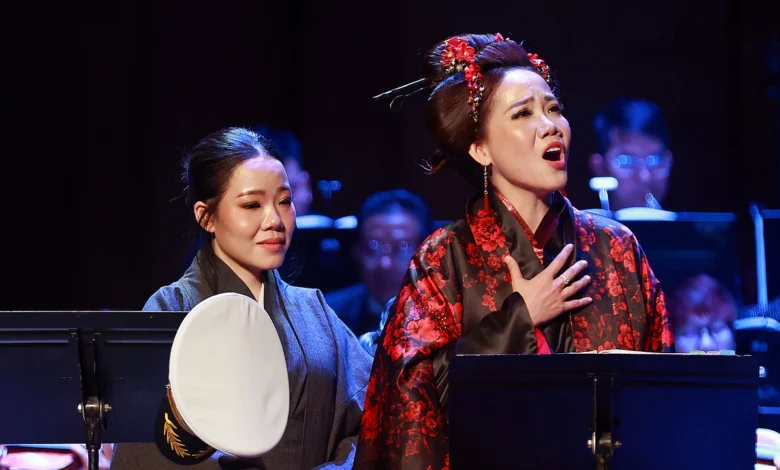
Madama Butterfly, arguably one of the most beloved works in the operatic canon, tells the tragic story of Cio-Cio San, a young Japanese geisha who falls in love with B.F. Pinkerton, a U.S. naval officer. The narrative explores themes of cultural collision, abandonment, and ultimate sacrifice, set against a lush, emotive score that has captivated audiences globally for over a century. Since its premiere at La Scala in Milan in 1904, the opera has remained a staple of the repertoire, challenging performers with its demanding vocal requirements and psychological depth.
The HBSO production, spearheaded by HBSO Director and conductor Le Ha My, was designed as a celebration of the institution’s enduring legacy in the arts. By bringing this world-class production to the Vietnamese stage, the organizers aimed to bridge the gap between traditional European opera and the local audience, fostering a deeper appreciation for classical music in the region.
Artistic Excellence and Casting
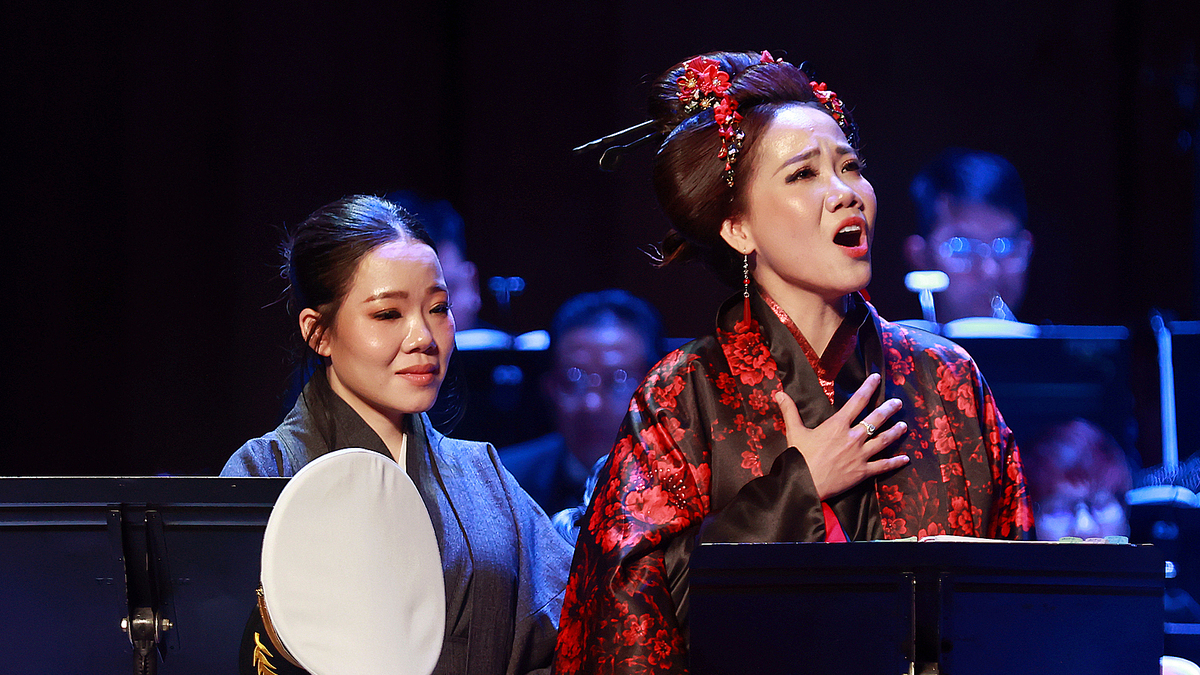
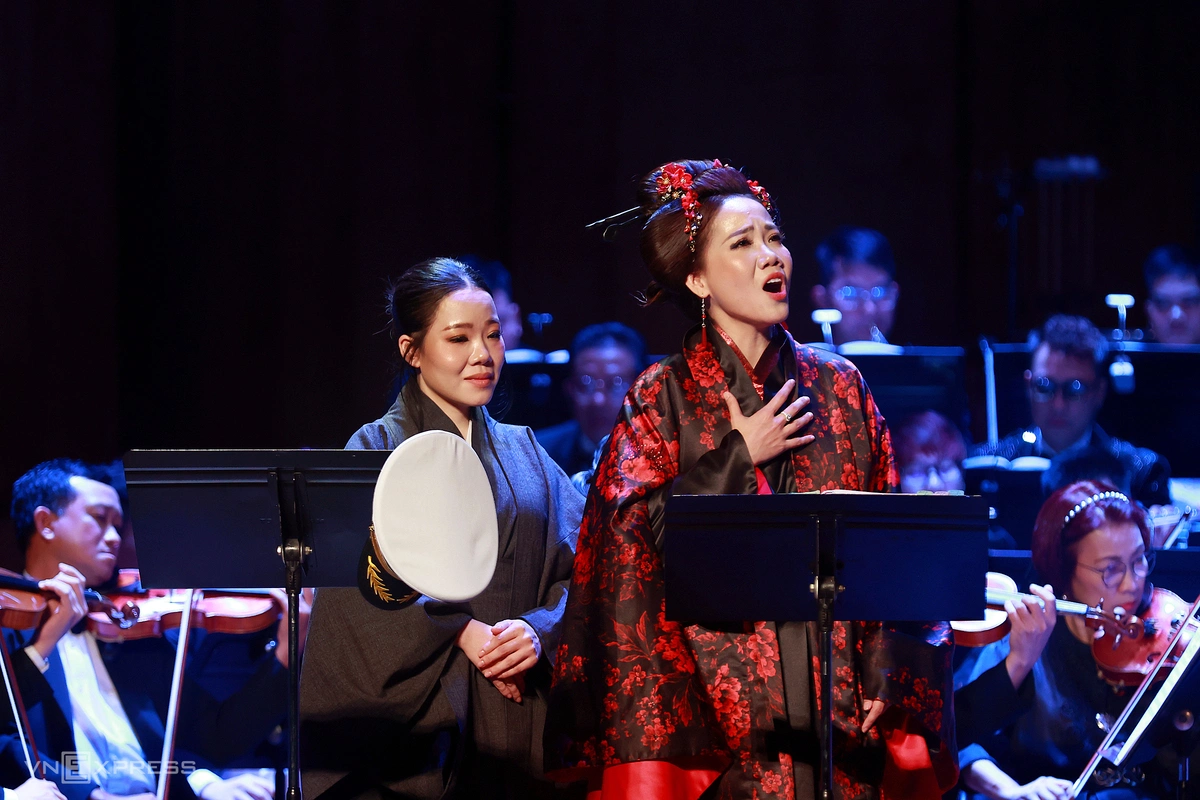
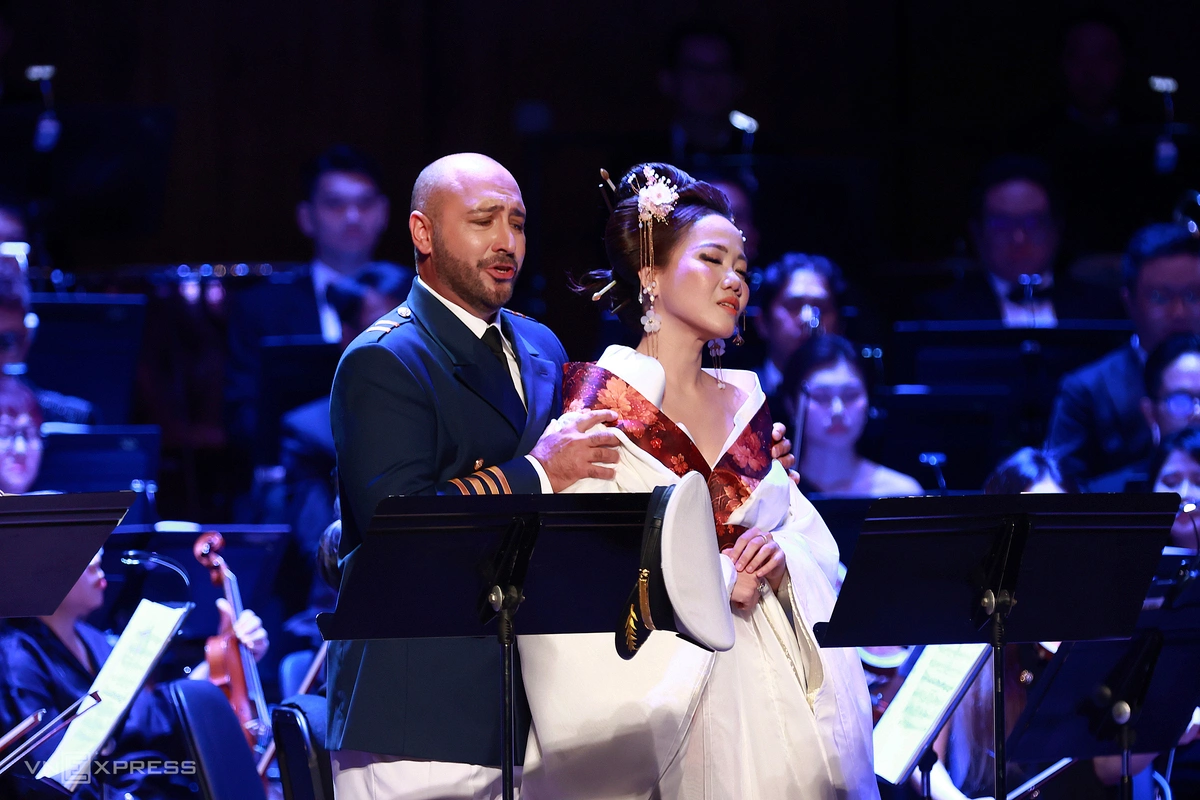
The lead role of Cio-Cio San was portrayed by the acclaimed soprano Pham Khanh Ngoc. Having previously demonstrated her versatility in diverse roles such as the Queen of the Night in Mozart’s The Magic Flute, Adele in Die Fledermaus, and Frasquita in Bizet’s Carmen, Ngoc brought a nuanced performance to the stage. Her ability to navigate the complex emotional arc of the character—from innocent bride to tragic heroine—was met with high praise from critics and audience members alike.
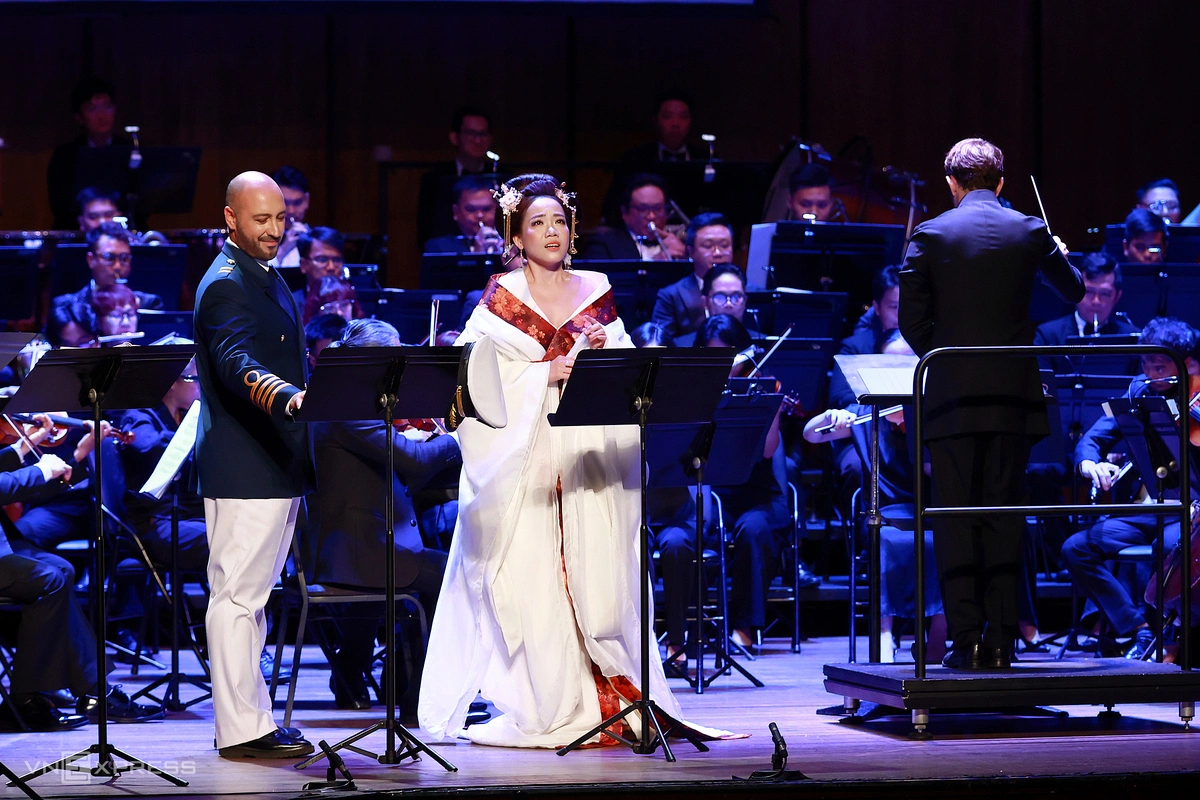
Sharing the stage was the Italian tenor Marco Miglietta, who took on the role of B.F. Pinkerton. Miglietta, who has been mentored by world-renowned opera luminaries such as Raina Kabaivanska and Renata Scotto, brought a wealth of international experience to the production. His background in performing at various major European opera houses and festivals added an authentic layer to the portrayal of the American naval officer, grounding the performance in the traditions of the Italian operatic school.
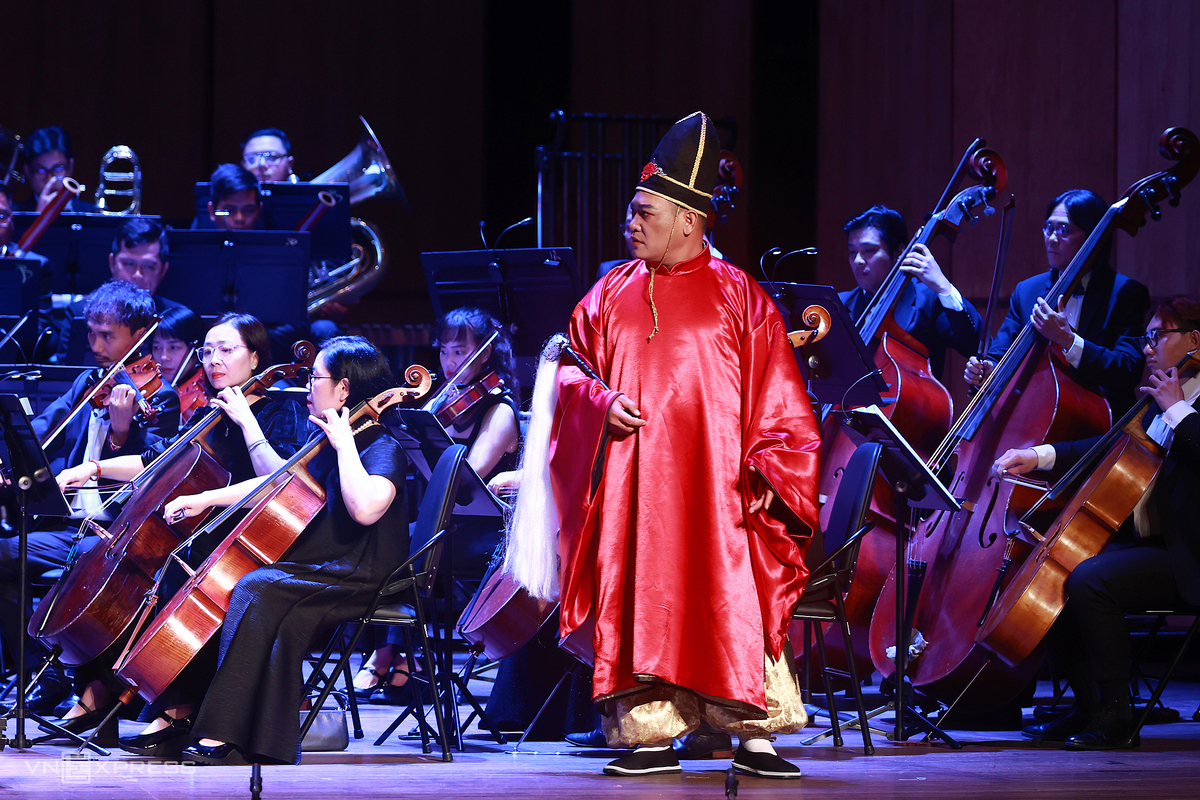
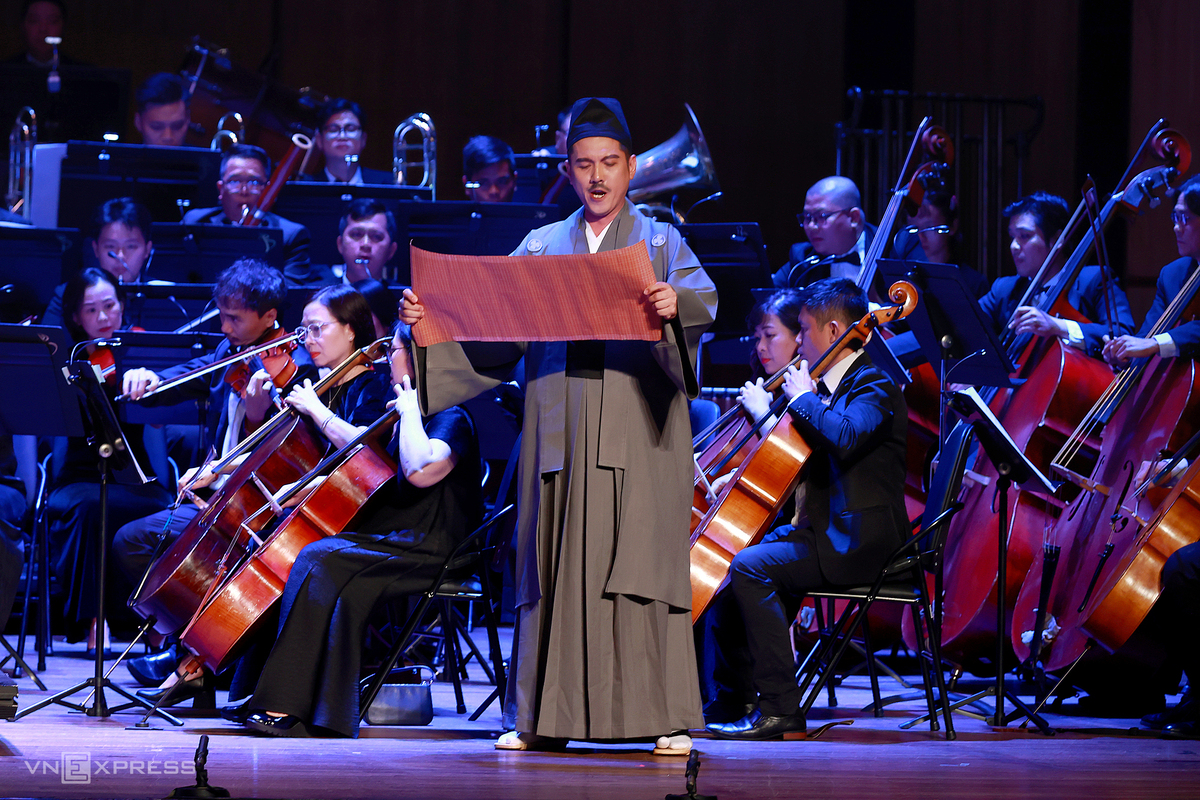
The supporting cast featured a blend of local and international talent, including Dao Mac as Sharpless, Phan Hong Dau as Suzuki, and Pham Trang as Goro. Their collective efforts, supported by the HBSO choir and orchestra, created a cohesive and powerful auditory experience that filled the historic venue.
The Vision Behind the Production
According to Dr. Le Ha My, the decision to stage Madama Butterfly was driven by a desire to challenge the local company while honoring the technical rigor required by Puccini’s work. The production was structured as a two-act opera, divided into three distinct performance sections to maintain the integrity of the original score. This staging choice allowed the audience to focus on the raw power of the music and the core dramatic structure without the interruptions typical of longer, three-act versions.
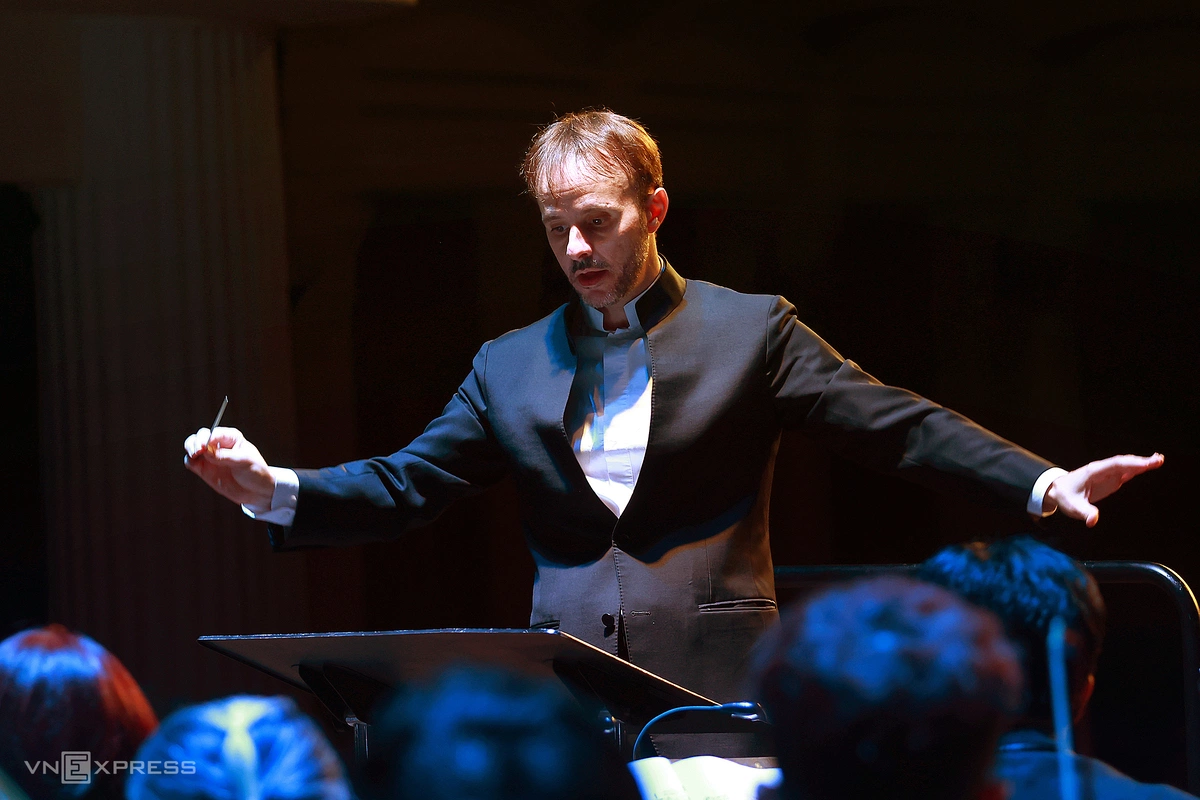
Musical director and conductor Roberto Fiore played a pivotal role in the production’s success. An Italian conductor currently active in China, Fiore has dedicated his career to bridging the gap between Italian symphonic traditions and the burgeoning arts scenes in Asia. Working in tandem with conductor Tran Nhat Minh, who oversaw the HBSO choir, Fiore ensured that the orchestral performance met international standards. His expertise provided the necessary guidance for the ensemble to capture the subtle shifts in mood and tempo that are essential to Puccini’s composition.
Chronology of the 33rd Anniversary Celebration
The production of Madama Butterfly serves as the centerpiece of a year-long series of events commemorating the HBSO’s 33-year history.
- Early 2026: Preparations for the anniversary season began, with initial discussions between the HBSO leadership and the Italian Consulate to secure rights and international talent.
- Mid-2026: Casting calls and intensive rehearsals commenced, with international guest artists arriving in Ho Chi Minh City for workshops and vocal coaching sessions.
- September 11, 2026: Opening night of Madama Butterfly at the Saigon Opera House, drawing a capacity crowd and marking the official celebration of the institution’s 33rd anniversary.
- September 12, 2026: The final performance, concluding the special event run and receiving standing ovations.
Cultural and Economic Implications
The collaboration with the Italian Consulate underscores a growing trend of international cultural exchange in Ho Chi Minh City. By bringing Western classical works to the city, HBSO is not only training the next generation of Vietnamese singers and musicians but also contributing to the city’s status as a regional hub for the performing arts.
From an economic perspective, such high-profile productions play a role in cultural tourism. The ability to host large-scale, technically complex operas demonstrates a high level of infrastructure and human capital, which is increasingly attractive to international arts organizations looking for partners in Southeast Asia. Furthermore, the event provided a platform for local businesses and organizations to engage with the arts sector, highlighting the potential for corporate-cultural partnerships in the future.
Analysis: The Role of HBSO in Modern Vietnam
The successful execution of Madama Butterfly is a testament to the growth of the HBSO. In the last three decades, the company has evolved from a local ensemble to a professional institution capable of tackling some of the most difficult works in the operatic canon. The integration of international guest artists with local talent is a strategic move that facilitates knowledge transfer, allowing local artists to gain insights into the techniques and standards prevalent in the global opera circuit.
However, the production also highlights the challenges of maintaining such high standards. The high cost of staging grand opera requires consistent support from government, private sponsors, and international partners. The ongoing success of HBSO will likely depend on its ability to continue balancing the production of accessible, crowd-pleasing repertoire with the technical mastery of complex, classical works.
Future Prospects
As HBSO looks beyond its 33rd anniversary, the success of this production provides a roadmap for future international collaborations. The positive reception from the public suggests a growing appetite for high-quality, professional opera in Vietnam. Moving forward, the focus will likely remain on developing local talent while continuing to invite international maestros to mentor the next generation of performers.
The production of Madama Butterfly was not merely a performance; it was a demonstration of institutional maturity. By successfully presenting one of the world’s most tragic and beautiful stories, the HBSO has solidified its role as a vital contributor to the cultural fabric of Ho Chi Minh City, proving that despite the complexities of language and culture, the universal language of opera continues to resonate deeply with Vietnamese audiences.