The longevity of electric vehicle (EV) batteries has long been a subject of intense debate among automotive enthusiasts, potential buyers, and industry analysts. For years, consumer anxiety regarding battery degradation has remained one of the single most significant psychological barriers hindering the mass adoption of green mobility solutions. Prospective buyers frequently worry that an expensive component replacement looms just a few years down the line, diminishing the overall financial viability of transitioning away from internal combustion engines. However, a comprehensive body of empirical evidence, real-world data, and telemetry insights gathered from hundreds of thousands of electric vehicles worldwide paints a vastly different picture. Modern EV batteries are proving to be remarkably resilient, defying early industry fears and maintaining exceptional health even under rigorous operational conditions.
Global Fleet Insights and Empirical Data
Recent comprehensive studies conducted by leading independent automotive diagnostic firms and data analytics organizations provide compelling reassurance regarding battery longevity. According to a landmark global report compiled by Aviloo—an Austrian specialist firm renowned for independent electric vehicle battery testing and certification—the vast majority of modern battery-powered cars experience a battery capacity loss of less than 5% after accumulating 150,000 kilometers of driving distance. This extensive analysis aggregates data sourced from more than 500,000 independent battery health checks performed across diverse geographical regions, including North America, South America, Europe, Australia, and Asia.
Complementing these findings, deep-dive research from Geotab—a global leader in connected vehicle data analytics that evaluated over 22,700 electric vehicles spanning 21 distinct mass-market models—indicates an average annual battery capacity degradation rate of approximately 2.3%. Extrapolating this empirical rate suggests that an electric vehicle after eight years of continuous operation would typically retain roughly 81.6% of its initial battery capacity. This figure comfortably surpasses the standard 70% threshold widely guaranteed by major automotive manufacturers under their baseline battery warranty policies.
"Battery health across modern electric vehicle fleets continues to demonstrate remarkable stability, even when subjected to frequent fast-charging protocols and high daily utilization rates," noted a senior fleet management executive at Geotab, highlighting the robustness of current thermal management systems and lithium-ion chemistry advancements.
Key Factors Influencing Battery Degradation Rates
While modern battery packs exhibit exceptional durability, not all operational factors impact degradation equally. Data analytics from major fleet monitoring studies highlight specific variables that accelerate or mitigate the natural aging process of lithium-ion cells.
Foremost among these influencing factors is the frequency and intensity of fast-charging. Vehicles that regularly utilize high-power Direct Current (DC) fast chargers operating at outputs exceeding 100 kW exhibit an accelerated annual degradation rate of approximately 3%, roughly double the 1.5% rate observed in vehicles primarily charged via slower Alternating Current (AC) residential setups or low-power DC alternatives.
Environmental temperature also plays a measurable, albeit secondary, role. Electric vehicles operated consistently within harsh tropical or high-temperature climates experience a slightly faster degradation trajectory—averaging about 0.4% more capacity loss annually—compared to identical models operated in temperate zones. Similarly, high daily mileage accumulation contributes to a minor incremental degradation of roughly 0.8% per year over low-utilization counterparts. Interestingly, routine charging to 100% does not trigger acute short-term capacity loss, though maintaining a fully charged state or continuously running the battery down to near-zero levels over extended periods can gradually compound long-term wear.
Real-World Case Studies from Southeast Asia
As electric vehicles gain significant market traction across emerging Southeast Asian markets—particularly in Vietnam over the past five years—early adopters within local EV owner communities and commercial transport networks have begun sharing extensive real-world usage and maintenance data.
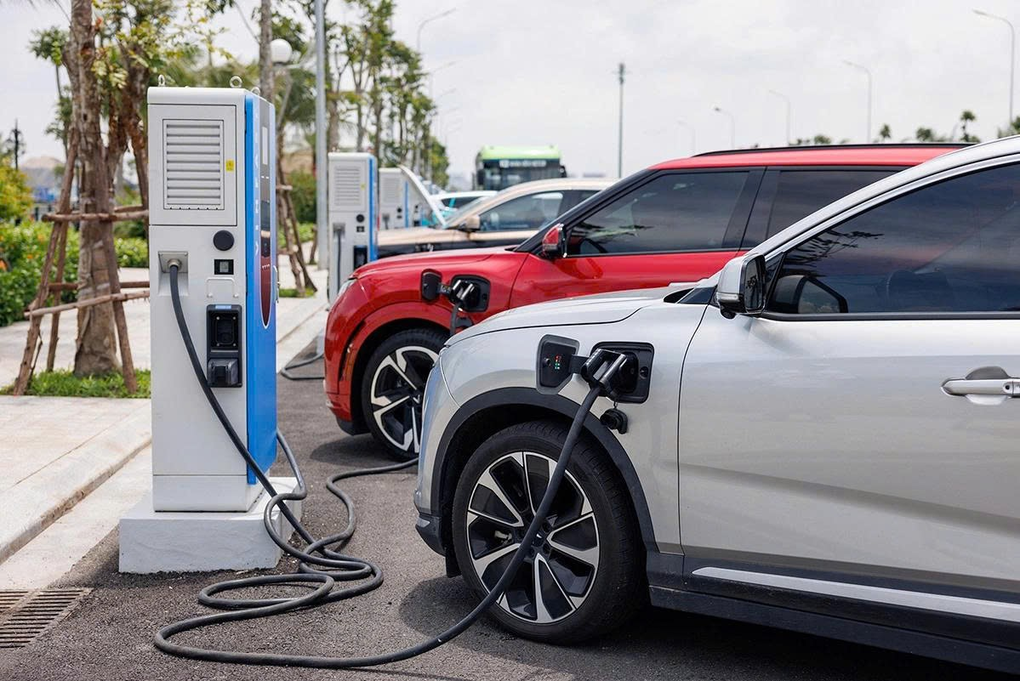
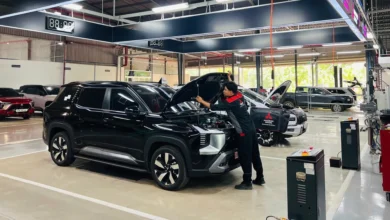
Among these documented high-mileage accounts is a widely discussed case from a Vietnamese automotive repair specialist operating under the online moniker chugaraotovfs. The owner chronicled the intensive service life of a VinFast VF e34 manufactured in 2022, which accumulated an astonishing 290,000 kilometers within just two years of commercial operation, averaging roughly 400 kilometers daily. Upon comprehensive diagnostic evaluation at an authorized service center, the vehicle’s primary battery pack registered a capacity degradation of only 9%, while the core electrical powertrain and mechanical chassis components remained fully operational and structurally sound.
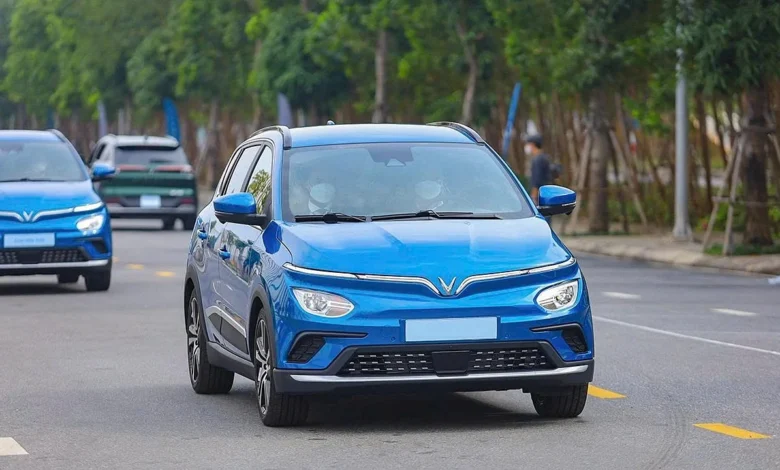
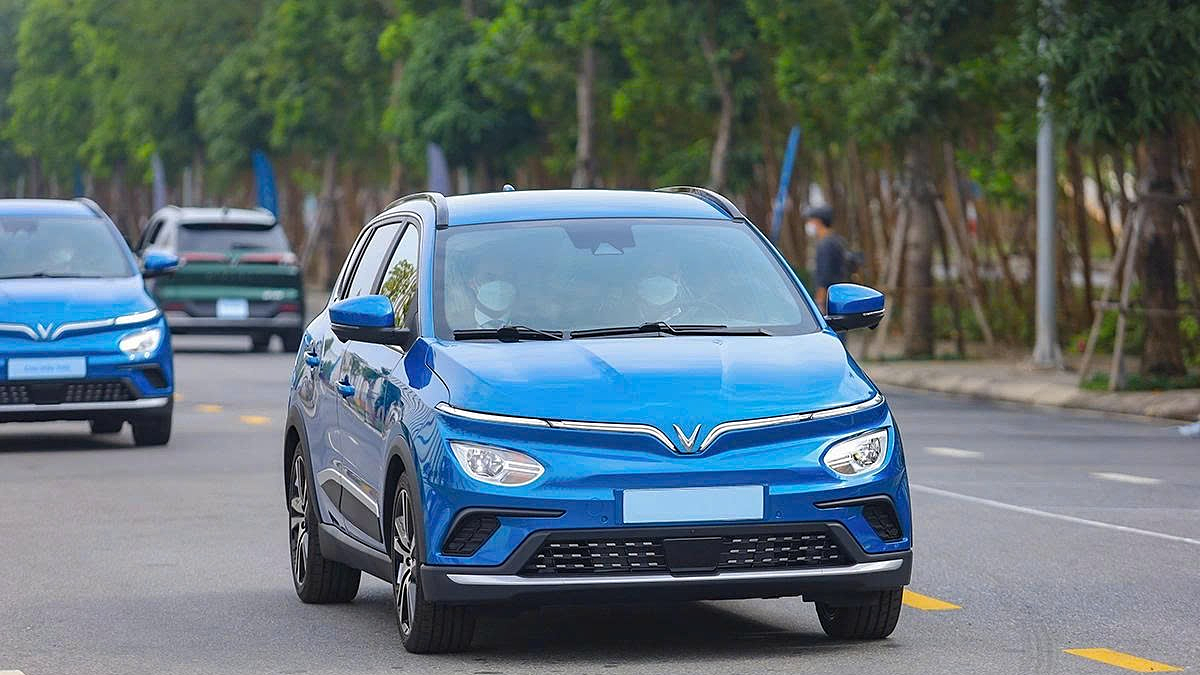
In a similar vein, Mr. Hoang Thanh Tung, a commercial ride-hailing driver operating a VinFast VF 5 in southern Vietnam, reported that his vehicle surpassed the 160,000-kilometer milestone after approximately 1.5 years on the road. A diagnostic check conducted at a regional service facility revealed a battery degradation level of merely 1%. Mr. Tung noted that he refrained from employing specialized preventative battery conservation measures, instead recharging the vehicle purely according to daily operational demands without imposing strict state-of-charge limitations.
Furthermore, economic calculations provided by high-mileage commercial drivers underscore the operational cost advantages of electric vehicles. Mr. Tung calculated that his total routine maintenance expenditure for the VF 5 over 160,000 kilometers amounted to approximately 7 million Vietnamese Dong. During a long-distance cross-country journey spanning over 1,500 kilometers from Thuan An (Binh Duong, Ho Chi Minh City) to Dien Chau (Nghe An), his total electricity charging expenses reached roughly 538,000 Dong—effectively half the financial cost required to fuel an equivalent internal combustion engine vehicle over the same route.
Implications for the Future of Electric Mobility
The convergence of large-scale fleet telemetry data and rigorous real-world endurance tests signals a fundamental shift in how automotive battery longevity is perceived. While manufacturer data and field reports confirm that battery degradation is an inevitable chemical reality, the rate of decline is far slower than traditional consumer apprehension suggests.
Individual degradation rates will inherently fluctuate based on distinct driving styles, regional climate profiles, charging habits, and infrastructure accessibility. Nonetheless, the overarching industry outlook indicates that contemporary electric vehicle batteries have reached unprecedented levels of durability, ensuring they remain fully viable and efficient throughout a vehicle’s standard multi-year lifecycle. As battery chemistry continues to evolve and thermal management technology advances, consumer confidence in electric mobility is poised to strengthen, paving the way for accelerated global adoption.