Indian Union Minister Dharmendra Pradhan Criticizes Student Protests Over Exam Irregularities

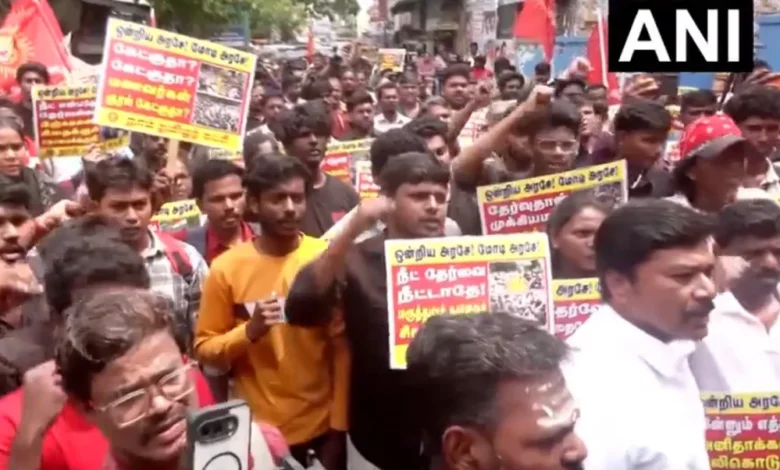
The escalating protests across India concerning examination irregularities have drawn sharp criticism from Union Minister Dharmendra Pradhan. Citing the widespread demonstrations occurring at Jantar Mantar and other significant locations nationwide, Pradhan has expressed his discontent, suggesting that these protests are misdirected and fail to acknowledge the complexities of the situation. His remarks, conveyed through a post on social media platform X (formerly Twitter), underscore a growing concern within the government regarding the disruptive nature of these student-led movements.
Background: A Nationwide Crisis of Confidence in Educational Assessments
The current wave of protests is largely a fallout from a series of high-profile examination scandals that have shaken the Indian education system. These incidents have not only eroded public trust in the integrity of standardized testing but have also ignited widespread student unrest. The core of the discontent stems from alleged systemic failures, including paper leaks and the subsequent cancellation and re-examination of crucial tests, impacting millions of students.
One of the most significant catalysts for the widespread protests was the alleged irregularities in the National Eligibility cum Entrance Test (NEET-UG), a highly competitive examination for admission to medical colleges. Reports of leaked question papers and alleged malpractices in various examination centers across the country have led to a massive outcry. Students, parents, and education advocates have voiced concerns about fairness and equal opportunity, demanding stringent action against those responsible and a thorough review of the examination process.
Similarly, the Graduate Aptitude Test in Engineering (GATE) and other national-level entrance examinations have also been plagued by allegations of misconduct. These recurring issues have created an environment of anxiety and distrust among the student community, who invest years of preparation and significant financial resources into these crucial academic milestones. The perceived lack of accountability and the systemic nature of these problems have fueled a sense of disillusionment and a demand for immediate and decisive governmental intervention.
Union Minister Pradhan’s Stance: A Call for Focus and Responsibility
Union Minister Dharmendra Pradhan, in his public statements, has articulated a clear perspective on the student protests. He stated, "The situation unfolding at Jantar Mantar and across the country is deeply concerning. This is a call to action, a plea for accountability directed towards Prime Minister Narendra Modi." However, he quickly pivoted to criticize the nature of the demonstrations, adding, "The sentiment is that students are demanding that the education system be held accountable." This sentiment, he implied, was being overshadowed by the manner of the protest.
Pradhan further elaborated on his reservations, suggesting that the protests, while understandable in their origin, were becoming counterproductive. He remarked, "I do not want to encourage the students’ demand for the cancellation of exams, as it can lead to an impasse. The educators and students should not be seen as being on the path of disruption, but rather as contributing to building a strong academic ecosystem." This statement highlights his concern that the focus might be shifting from resolving the underlying issues to prolonged and potentially destabilizing demonstrations. He also expressed a desire to see students dedicate their energies to their studies and future career development, rather than engaging in prolonged protests. "I do not want to see students being stuck in a quagmire, but rather focusing on their studies and building their future," he added, implying that the current path of protest was diverting them from their academic pursuits and future aspirations.
Al Jazeera’s Reporting: A Mirror to Public Sentiment
Al Jazeera, a prominent international news outlet, has been closely following the developments in India. Their reporting has often provided a broader context to the ongoing protests, highlighting the deep-seated issues within the Indian education sector. In a recent report, Al Jazeera noted that Union Minister Pradhan’s comments were seen as an acknowledgment of the widespread student discontent and a clear indicator of the government’s growing awareness of the "victory of the people." This interpretation suggests that the government perceives the protests as a significant expression of public sentiment that cannot be ignored.
The Scale of the Problem: Data and Statistics
The scale of the examination irregularities and their impact on students can be gauged by the sheer numbers involved. Reports indicate that millions of students have been directly affected by the cancellations and re-examinations of major entrance tests. For instance, the NEET-UG controversy alone involved approximately 2.4 million candidates whose futures were thrown into uncertainty due to the alleged malpractices. The decision to cancel the exams in certain centers and subsequently order re-examinations across the country has led to significant logistical challenges and a prolonged period of anxiety for students and their families.
The repercussions extend beyond the immediate academic careers of the students. The repeated instances of exam irregularities raise fundamental questions about the fairness and equity of the Indian education system. For students from economically disadvantaged backgrounds, the additional costs and delays associated with re-examinations can be a significant burden, potentially widening the existing socio-economic disparities in access to higher education.
Chronology of Key Events and Reactions

The current crisis is not an isolated incident but rather a culmination of several years of recurring examination scandals. However, the intensity and scale of the recent protests have brought the issue to the forefront of national discourse.
- Early 2024: Allegations of paper leaks and irregularities begin to surface concerning various national-level examinations, including the Staff Selection Commission (SSC) CGL and the Joint Entrance Examination (JEE) Main.
- May-June 2024: The NEET-UG examination becomes the epicenter of controversy. Reports of widespread irregularities, including alleged paper leaks and the use of unfair means, lead to public outcry and demands for investigation.
- June 2024: The National Testing Agency (NTA), responsible for conducting these examinations, faces intense scrutiny. The Supreme Court of India begins hearing petitions related to the NEET-UG irregularities, prompting discussions about the sanctity of the examination process.
- Late June 2024: The government announces the formation of a high-level committee to review the functioning of the NTA and suggest reforms to ensure transparency and fairness in examinations. Simultaneously, the Ministry of Education orders a cancellation of the UGC-NET exam, which was conducted on June 18, citing a breach of integrity.
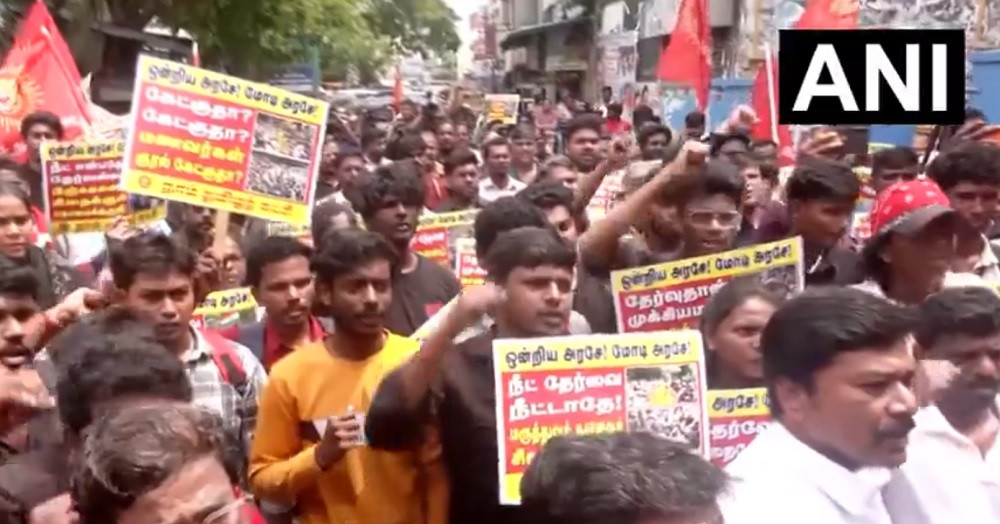
- Early July 2024: Student-led protests intensify across various cities, with major demonstrations taking place at Jantar Mantar in Delhi. Students demand the dissolution of the NTA and a complete overhaul of the examination system.
- July 25, 2024: Union Minister Dharmendra Pradhan posts on X, criticizing the nature of the protests and urging students to focus on their studies. This statement garners significant media attention and sparks debate about the government’s approach to addressing student grievances.
Official Responses and Repercussions
The Indian government, under mounting pressure, has taken several steps to address the escalating crisis. The formation of a high-level committee to reform the NTA is a significant move aimed at improving the credibility of the examination process. The cancellation of the UGC-NET exam, while a drastic measure, was presented as a necessary step to uphold the integrity of academic assessments.
However, these measures have not fully appeased the protesting students, who continue to demand more concrete actions and accountability from those responsible for the alleged malpractices. The recurring nature of these scandals has led to a widespread belief that superficial reforms might not be sufficient to address the deep-rooted issues of corruption and inefficiency within the examination system.
The Supreme Court’s involvement in the NEET-UG case underscores the gravity of the situation. The court has been actively monitoring the investigation and has issued directives to ensure a fair and transparent process. The judiciary’s intervention has provided a sense of hope for many students who feel that their concerns are finally being heard at the highest levels of the country.

Broader Impact and Implications
The ongoing examination irregularities have far-reaching implications for India’s educational landscape and its future workforce.
- Erosion of Trust: The repeated instances of paper leaks and alleged malpractices have severely eroded public trust in the integrity of national examinations. This can have a chilling effect on student motivation and parental confidence in the education system.
- Impact on Higher Education Access: The disruptions caused by cancellations and re-examinations can delay students’ entry into higher education, impacting their career trajectories and potentially leading to a shortage of skilled professionals in critical sectors like medicine and engineering.
- Socio-Economic Disparities: Students from less privileged backgrounds often bear a disproportionate burden from these disruptions, facing increased financial costs and limited access to resources for re-examinations. This can exacerbate existing socio-economic inequalities.
- Reputational Damage: The recurring scandals can damage India’s reputation as a hub for quality education, potentially affecting international student admissions and collaborations.
- Need for Systemic Reform: The current crisis highlights the urgent need for comprehensive reforms in the examination system, focusing on robust security measures, transparent processes, and stringent accountability mechanisms.
The stance taken by Union Minister Dharmendra Pradhan reflects a complex balancing act for the government. While acknowledging the public sentiment, the administration also appears keen to prevent prolonged disruptions and guide student energy towards constructive endeavors. The coming weeks and months will be crucial in determining whether the government’s reformative measures are sufficient to restore faith in India’s examination system and address the deep-seated concerns of millions of students. The path forward requires not only administrative changes but also a fundamental commitment to ensuring fairness, transparency, and meritocracy in all aspects of educational assessment.