In a sharply escalated rhetorical offensive against Western military assistance to Kyiv, the Russian Ministry of Foreign Affairs issued a direct and unambiguous warning on September 30, declaring that any European defense manufacturing facilities producing weapons for Ukraine constitute legitimate military targets for Moscow’s armed forces.
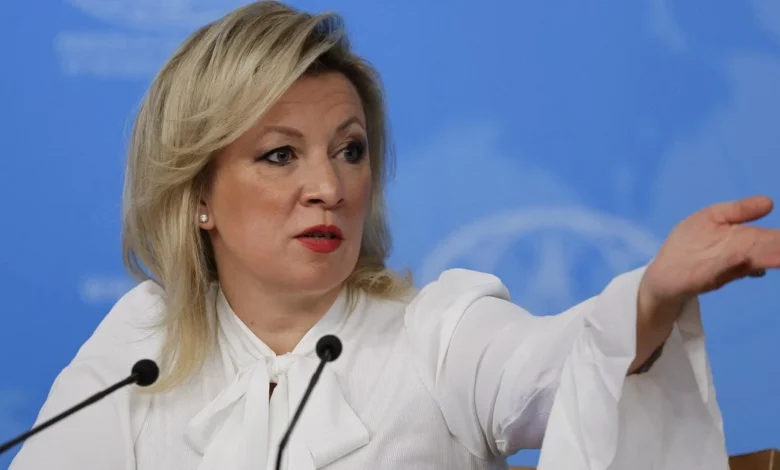
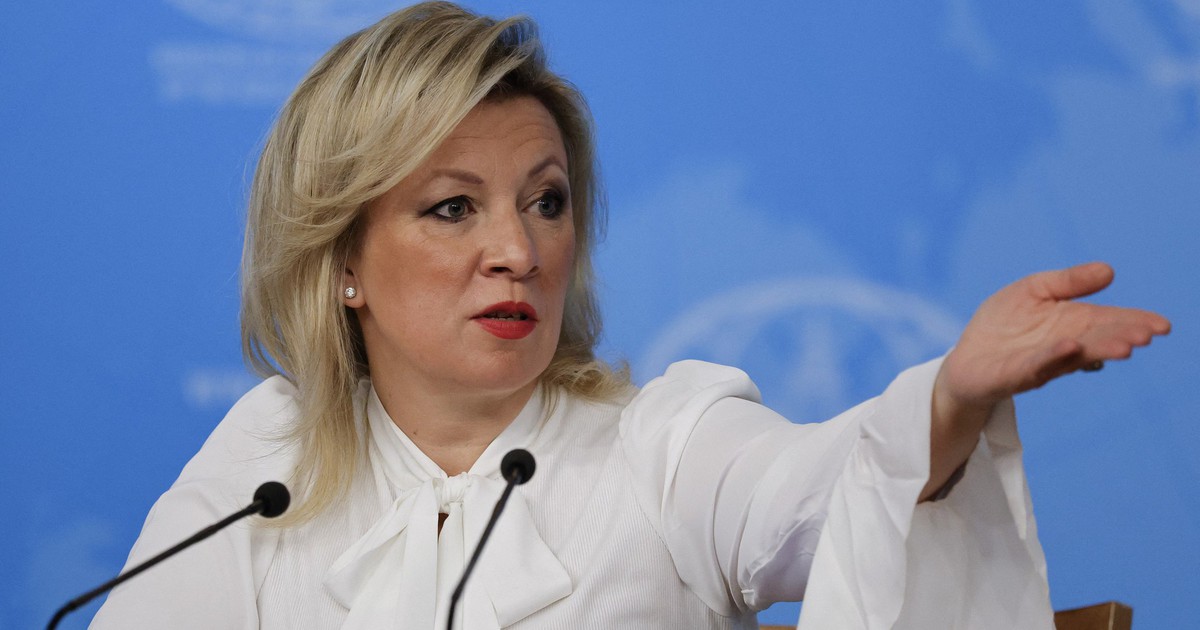
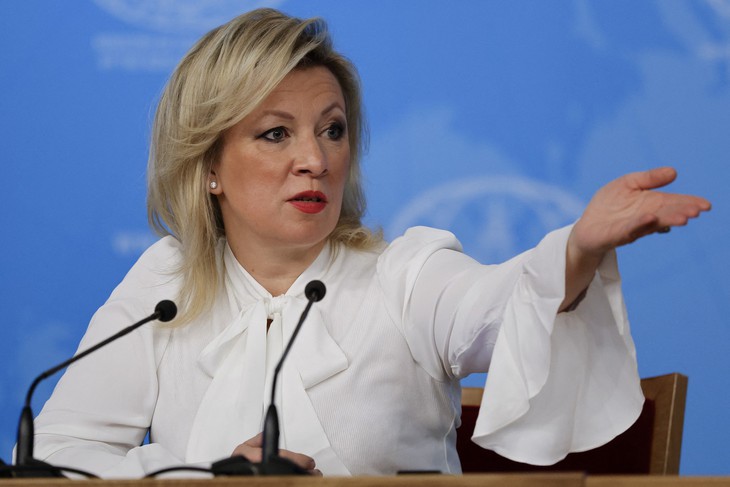
The statement, delivered by Foreign Ministry Spokesperson Maria Zakharova during a high-profile press briefing, represents a significant tightening of Russia’s posture regarding the cross-border supply chains sustaining the Ukrainian war effort. Zakharova explicitly dismissed the notion that weapons factories located outside of Ukrainian territory—spread across various European Union member states—enjoy any form of immunity from potential military retaliation by Russian forces.
"Weapon factories in European countries that produce armaments for Ukraine are legitimate potential military targets for Russia," Zakharova stated. "It should not be assumed that military plants located outside Ukrainian territory producing weapons for Kyiv will be safe. Anyone who thinks otherwise is deeply mistaken."
This uncompromising stance underscores Moscow’s growing frustration with the industrial mobilization of Western nations in support of Ukraine, and it signals a potential shift in how the Kremlin evaluates the geographic boundaries of the ongoing conflict.
Direct Complicity and European Industrial Mobilization
During her briefing, Spokesperson Zakharova went beyond conventional diplomatic warnings, directly accusing European governments of plunging themselves into direct participation in the conflict. By actively facilitating, subsidizing, and establishing joint ventures and dedicated manufacturing plants on European soil specifically tailored to supply the Ukrainian armed forces, EU nations have crossed a threshold, according to Moscow.
"This only prolongs the solution to the conflict rather than bringing it closer to an end, contrary to what some politicians in Europe think or imagine," Zakharova asserted, criticizing the prevailing political consensus among Western leaders that increased military production is the path to achieving a durable peace through strength.
The Russian Foreign Ministry’s commentary targets a central pillar of Western strategy: the transition from drawing down existing military stockpiles—which have depleted national inventories in many NATO countries—to establishing long-term, sustainable defense industrial output. Across Europe, major defense contractors have ramped up production lines for artillery shells, air defense systems, precision-guided munitions, and armored vehicles. Moscow’s latest warning is a calculated attempt to raise the political and security stakes for European industrial sectors, imposing the psychological and physical threat of retaliation onto private and state-owned manufacturing facilities far from the front lines in the Donbas or southern Ukraine.
A Broader Pattern of Escalation and Diplomatic Warnings
The timing of Zakharova’s declaration is closely tied to a flurry of increasingly stern diplomatic communications emanating from Russian embassies across Europe. The pronouncement came merely hours after the Russian Embassy in Ireland issued its own severe warning, stating unequivocally that Moscow stands fully prepared to utilize its entire military arsenal—explicitly including strategic and tactical nuclear capabilities—to safeguard its territorial sovereignty if the North Atlantic Treaty Organization (NATO) attempts to isolate or blockade the Russian exclave of Kaliningrad.
That warning mirrored a nearly identical statement released days prior by the Russian Embassy in the United Kingdom. London and other Western capitals were cautioned that any military actions undertaken by the UK or the wider NATO alliance targeting Russian sovereign territory could trigger immediate and devastating responses, again invoking the spectre of nuclear retaliation.
These synchronized warnings from various diplomatic missions and senior ministry officials form a coordinated pressure campaign. Moscow is clearly attempting to deter Western policymakers from contemplating more aggressive operational measures—such as enforcing no-fly zones, intercepting Russian missiles near NATO borders, or imposing naval blockades on critical maritime chokepoints like the Baltic approaches to Kaliningrad.
NATO’s Unflinching Rebuttal and Strategic Resolve
The Western security establishment has not delayed in responding to Moscow’s intimidation tactics. Speaking concurrently on September 30, newly installed NATO Secretary General Mark Rutte offered a robust and categorical rejection of the persistent nuclear and conventional threats issuing from the Kremlin.
Addressing reporters, Rutte dismissed the latest wave of Russian intimidation, affirming that the alliance remains entirely unintimidated by Moscow’s rhetoric. He underscored that the transatlantic military alliance will steadfastly continue its mission to defend European security by all necessary means, maintaining a posture of deterrence backed by both conventional superiority and nuclear readiness.
Turning to the situation on the ground in Eastern Europe, Secretary General Rutte offered a stark assessment of Russian intentions regarding a negotiated settlement. Based on ongoing military actions and diplomatic rigidity, Rutte asserted that Russian President Vladimir Putin "has no appetite" for genuine peace negotiations aimed at bringing a swift and equitable end to the war.
"President Putin shows no genuine interest in sitting down at the negotiating table to conclude this war on terms that respect international law and Ukrainian sovereignty," Rutte declared.
Consequently, the NATO chief reaffirmed that the alliance will not only sustain its current level of material and humanitarian support for Ukraine but will also accelerate long-term strategic investments in domestic defense production capacities across member nations. This dual track—supplying Kyiv while re-arming Europe—serves as the foundational doctrine of NATO’s current operational posture.
Geopolitical and Economic Implications of Targeting European Defense Infrastructure
The explicit designation of European arms factories as legitimate military targets introduces profound legal, economic, and security complexities into the European security architecture. While international humanitarian law generally governs the conduct of hostilities, the extension of targeting rhetoric to industrial assets situated within the sovereign borders of non-belligerent nations outside the active theater of war challenges established norms of state sovereignty and the laws of armed conflict.
From a practical standpoint, European defense ministries and intelligence agencies have already elevated security protocols around critical military-industrial infrastructure. Facilities producing critical components for systems such as the HIMARS, Patriot air defense batteries, and various artillery platforms have faced heightened threats from sabotage, cyberattacks, and espionage—tactics that Western security services attribute in part to Russian intelligence operations.
The public threat of direct kinetic strikes—whether via long-range precision cruise missiles, hypersonic weapons, or asymmetric sabotage—forces European governments to integrate robust air and missile defense networks around defense manufacturing hubs that were previously thought to be entirely secure behind the shield of NATO’s Article 5 collective defense guarantee.
Furthermore, the warning complicates the economic calculus for private corporations participating in joint ventures with Ukraine or ramping up lines for foreign military sales. Insurance premiums, security expenditures, and regulatory hurdles are expected to rise as industrial leaders weigh the commercial opportunities of the wartime economy against the explicit threat profile articulated by Moscow.
The Path Forward: Industrial Attrition vs. Deterrence
As the conflict grinds past its multi-year mark, the war has increasingly transformed into a test of industrial capacity and economic endurance. Ukraine’s ability to sustain defensive and counter-offensive operations depends heavily on a predictable, uninterrupted flow of high-tech and conventional munitions from Western factories. By threatening these very lifelines at their source, Russia aims to create a chilling effect among European policymakers and industrial stakeholders, hoping to fracture the political consensus underpinning Western aid.
Conversely, NATO’s leadership remains committed to proving that economic and industrial coercion will fail. By doubling down on defense investments and dismissing Russian threats as transparent attempts at nuclear blackmail, the alliance is signaling that the material support for Ukraine will not be curtailed by Moscow’s rhetorical escalations.
The dueling statements from Moscow and Brussels on September 30 highlight a dangerous trajectory in which the geographic boundaries of the Russo-Ukrainian war are conceptually expanding. As Russia asserts its right to strike the industrial base of Europe, and as NATO reinforces its commitment to shield both Ukraine and its own manufacturing capabilities, the margin for diplomatic maneuver narrows, leaving a protracted contest of wills as the defining feature of European security for the foreseeable future.
Related posts: