Nguyen Vinh Phuc Wins Best Cinematography at Asia Pacific Screen Awards for Film Hearing

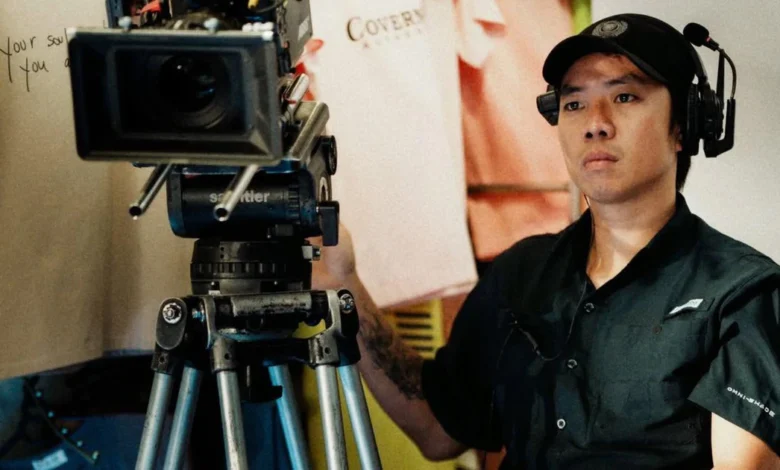
Cinematographer Nguyen Vinh Phuc has achieved a major milestone in his career by winning the prestigious Best Cinematography award at the Asia Pacific Screen Awards (APSA) for his exceptional visual work in the film Hearing, directed by Le Bao. This recognition places the Vietnamese filmmaker on a prominent international stage, highlighting the growing global influence and technical sophistication of contemporary Southeast Asian cinema. The accolade not only honors Phuc’s meticulous framing and atmospheric lighting design but also serves as a poignant, deeply emotional tribute to his late father, the legendary Vietnamese film director Nguyen Vinh Son.
The announcement was made during the official APSA gala ceremony, where Phuc’s name was announced amid a fiercely competitive category featuring top-tier international cinematographers. The victory underscores a lifetime of dedication to the craft of visual storytelling, rooted deeply in a family legacy of cinematic excellence. For industry peers, film critics, and audiences alike, the triumph of Nguyen Vinh Phuc represents a generational passing of the torch, cementing his status as one of the most distinctive and capable directors of photography in the region today.
A Highly Competitive International Field
The Best Cinematography category at the Asia Pacific Screen Awards is renowned for its rigorous selection process, showcasing visual artists whose work pushes the boundaries of narrative and aesthetic expression across the vast Asia-Pacific region. At this year’s edition, Nguyen Vinh Phuc stood out among a stellar lineup of five international nominees. His competitors included Batara Goempar for the Indonesian drama Four Seasons in Java, the collaborative duo Gigi Samsonadze and Giorgi Shvelidze for the Georgian film Guria, Warwick Thornton for Wolfram, and Emo Weemhoff for The Burning Giants.
Securing the win against such formidable international contenders is a testament to the distinct visual language Phuc brought to Hearing. Prestigious industry publications such as Variety took early notice of his talents, dedicating critical praise to his sophisticated handling of light, shadow, and spatial composition. Reviewers particularly lauded his ability to capture microscopic emotional shifts within domestic spaces, turning ordinary environments into canvases of profound psychological tension.
Deep Artistic Roots and Early Beginnings
Nguyen Vinh Phuc’s journey into the world of cinema was forged through a combination of innate talent and lifelong immersion in the arts. Born into a celebrated Vietnamese artistic family, Phuc is the son of director Nguyen Vinh Son, a household name in Vietnam best known for his monumental television masterpiece Southern Land (Đất Phương Nam), which captured the hearts of millions of viewers across generations. Growing up surrounded by film sets and creative discussions, Phuc was exposed to the rigorous demands of filmmaking from an early age.

By the time he turned 16, Phuc was already working hands-on inside production workshops, gaining practical experience that would eventually shape his unique perspective behind the camera. He initially cut his teeth working as a camera operator on various short films, navigating both domestic and international festival circuits to hone his technical proficiency. This foundational period allowed him to experiment with diverse visual styles and narrative structures, building a robust portfolio that caught the attention of visionary independent filmmakers.
His breakout moment in feature-length cinema came in 2016 when he assumed the role of director of photography for the gritty independent feature film KFC. The project gained international recognition when it was officially selected and showcased at the prestigious International Film Festival Rotterdam. This milestone opened doors to numerous high-profile arthouse projects that left indelible marks at major global film festivals. Among these were Roem, which claimed the New Currents award at the Busan International Film Festival, and Cu Li Never Cries (Cu Li Không Bao Giờ Khóc), which triumphed at the Berlinale by winning the GWFF Best First Feature Award. Through these projects, Phuc steadily built a reputation as a daring visual stylist capable of translating complex human emotions into striking cinematic imagery.
Critical Acclaim and Aesthetic Mastery in Hearing
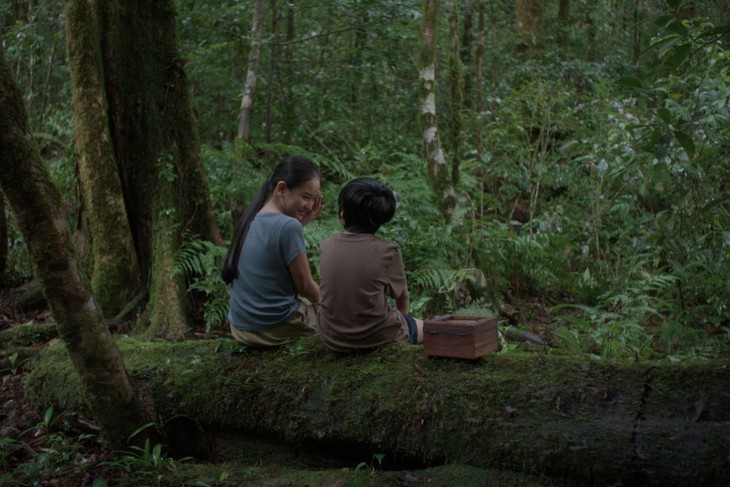
The award-winning film Hearing explores the fragile fault lines within a fractured family, examining deep-seated generational trauma and the arduous path toward reconnection and communication after prolonged separation. Directed by Le Bao, the film relies heavily on atmospheric tension and unspoken emotional exchanges—elements that were brought to life primarily through Phuc’s precise and sensitive camera work.
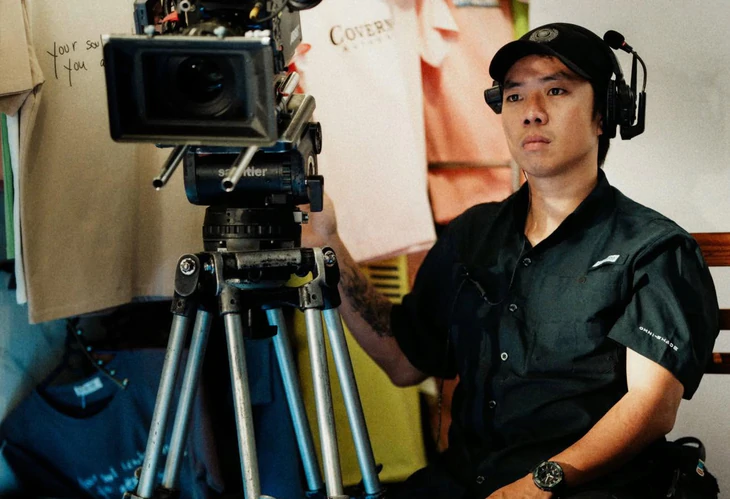
In a comprehensive review published earlier in the August cycle, Variety critic Guy Lodge singled out Phuc’s cinematography as a pillar of the film’s artistic success. Lodge noted that the visual framing executed by Phuc possesses a rare discipline and observational precision. Rather than relying on overt cinematic tricks, Phuc utilized naturalistic lighting paired with deep, enveloping shadows to mirror the psychological states of the characters. Every shot was meticulously constructed to record subtle shifts in daily life, masked emotional vulnerabilities, and fleeting moments of unexpected grace.
This restrained yet powerful visual approach allowed Hearing to transcend cultural boundaries, resonating deeply with international juries who appreciated the universal themes of reconciliation and familial grief conveyed through the lens.
A Poignant Final Tribute to a Late Father
The timing of Nguyen Vinh Phuc’s international victory added a layer of profound emotional resonance, transforming the professional accolade into a deeply personal tribute. Just days prior to the APSA ceremony, the Vietnamese cinematic community suffered an immense loss with the passing of director Nguyen Vinh Son on October 22. Known widely for his foundational contributions to Vietnamese television and cinema—including landmark works like Southern Land and The Butterfly and the Flower (Trấn Nải Ai Giảng Kiếm)—his death left colleagues, family members, and fans in deep mourning.
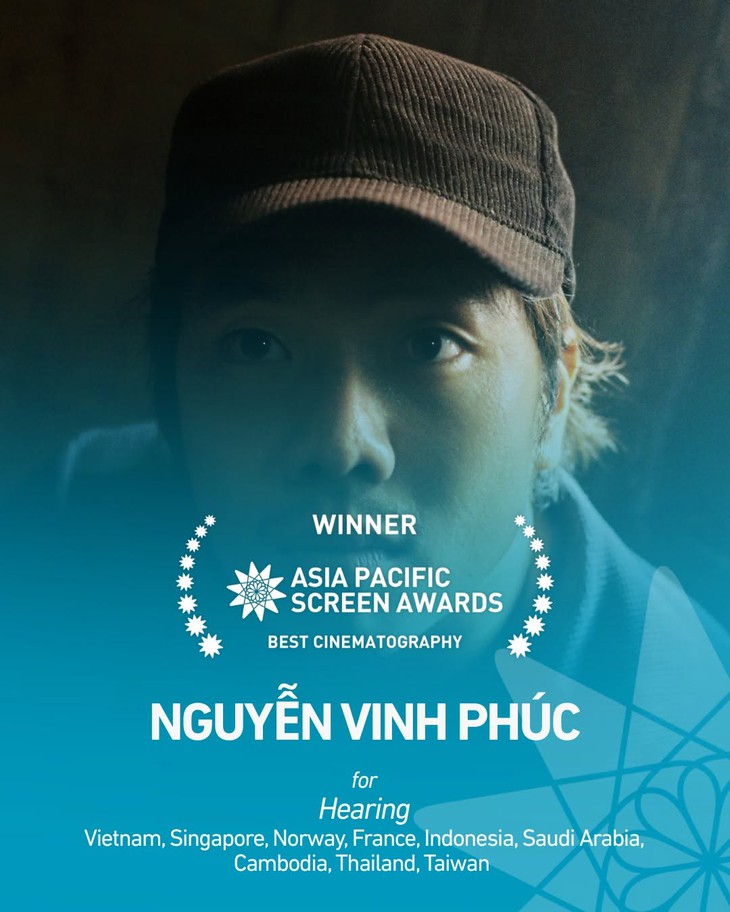
In the wake of the announcement, social media platforms flooded with congratulatory messages from prominent Vietnamese artists, directors, and actors who viewed Phuc’s victory as a sacred and fitting spiritual gift to his late father. Esteemed director Trinh Hoan shared the news online, echoing the sentiments of many who recognized the poetic justice of the moment. Renowned artist Cat Phuong expressed her emotional pride, writing, "Extremely wonderful. Congratulations, my dear Phuc! Your father will be extremely happy and proud of you." Fellow artist Minh Trang similarly offered her regards, calling the award "a priceless gift for father Vinh Son."
The emotional weight of this victory is further amplified by the public remembrance of the profound bond shared between father and son. In the final days of his life, despite being physically depleted by illness, director Nguyen Vinh Son famously summoned his remaining strength to wrap his arms around his son in a final, enduring embrace. That poignant image, captured and shared by loved ones, permanently immortalized the unconditional love and mutual respect between two generations of filmmakers. Now, with an international cinematography trophy in hand, Nguyen Vinh Phuc has honored that legacy in the most eloquent way possible, ensuring his father’s artistic spirit continues to shine brightly on the global stage.
Understanding the Asia Pacific Screen Awards
Established in 2007, the Asia Pacific Screen Awards (APSA) stand as one of the most distinguished international film accolades dedicated to recognizing cinematic excellence across the vast and culturally diverse Asia-Pacific region. Based in Brisbane, Australia, the awards celebrate films that reflect the cultural integrity, artistic innovation, and distinct perspectives of a region encompassing dozens of countries.
APSA honors achievements across multiple disciplines, including Best Feature Film, Best Director, Best Screenplay, Best Performance, Best Documentary Film, Best Animated Film, and Best Cinematography. By celebrating works that demonstrate high artistic quality while championing cultural diversity, APSA has grown to become a vital platform for fostering cross-cultural dialogue and elevating non-Western storytelling to mainstream global prominence.
The inclusion of visionary talents like Nguyen Vinh Phuc among APSA’s laureates underscores the organization’s ongoing mission to spotlight world-class craftsmanship from emerging cinematic powerhouses like Vietnam. As Vietnamese cinema continues to break new ground internationally, victories such as Phuc’s at the Asia Pacific Screen Awards pave the way for a new generation of local filmmakers, proving that stories rooted in local emotional landscapes can achieve universal resonance and critical acclaim across the globe.
Related posts: