Indonesia Announces 23-Man Squad Dominated by European-Based Stars for FIFA ASEAN Cup 2026

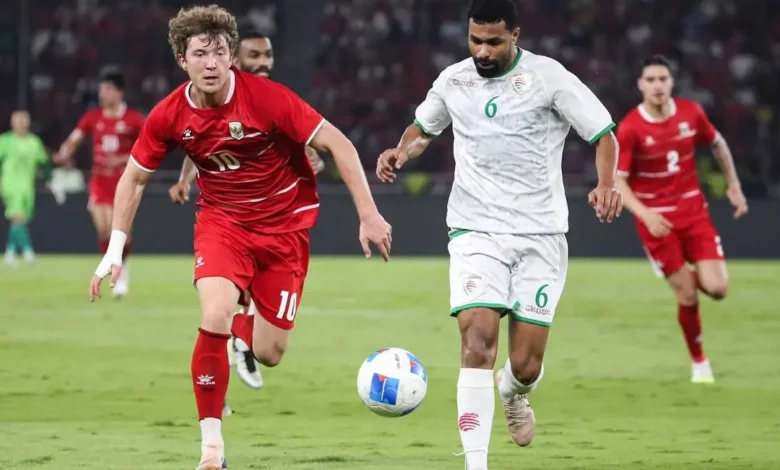
The Football Association of Indonesia has officially revealed its 23-man squad under the leadership of head coach John Herdman for the upcoming FIFA ASEAN Cup 2026. Setting a new benchmark for ambition within Southeast Asian football, the squad announcement highlights an unprecedented heavy reliance on elite European talent, with nearly half of the starting roster currently playing their club football across various European leagues. This strategic roster composition underscores Indonesia’s absolute determination to claim the regional championship title on home soil, signaling a major shift in the competitive landscape of ASEAN football.
A European-Centric Roster Blueprint
Coach John Herdman’s selected 23-man squad blends high-profile European experience with dependable domestic talent, creating a balanced yet formidable national team. In the goalkeeping department, two notable acquisitions stand out: Emil Audero, who recently secured a prominent move to La Liga side Rayo Vallecano, and Maarten Paes, representing Ajax Amsterdam. They are joined by reliable domestic goalkeeper Nadeo Argawinata of Persija Jakarta, ensuring immense depth and international caliber between the posts.
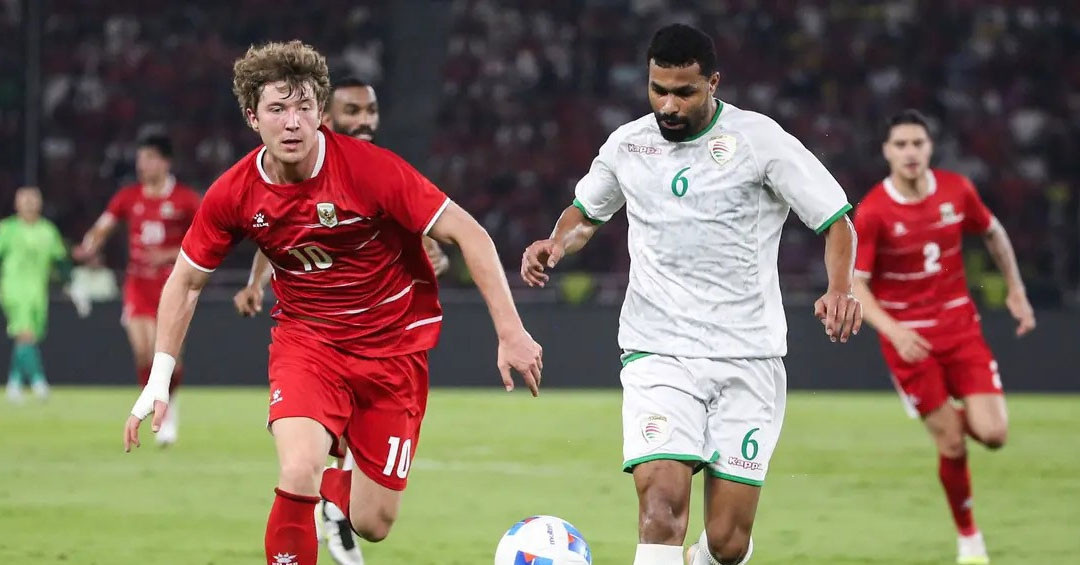
The defensive line reads like a cross-section of European club football. Herdman has called upon Elkan Baggott (Millwall), Justin Hubner (Fortuna Sittard), Kevin Diks (Borussia Monchengladbach), Nathan Tjoe-A-On (Willem II), and Dean James, who makes a much-anticipated return to the national setup after a lengthy absence following his transfer to Go Ahead Eagles. They are complemented by domestic stalwarts Dion Markx, Rizky Ridho, Yakob Sayuri, and Dony Pamungkas.
In midfield, the squad features established names alongside European-based orchestrators. Joey Pelupessy and Calvin Verdonk have been called up to control the tempo, working alongside seasoned veterans like Jordi Amat, Thom Haye, Egy Maulana Vikri, Ivar Jenenr, and Rayhan Hannan. The attacking department is equally formidable, featuring high-profile names such as Ole Romeny and Mitchel Bakker, alongside Ragnar Oratmangoen and exciting newcomer Luke Vickery from Australian side Macarthur FC, who is poised to make his senior international debut. Overall, Indonesia boasts an impressive split of 12 overseas-based players and 11 domestic league representatives.
Notable Absences and Tactical Adjustments
Despite the overwhelming influx of top-tier talent, the squad is not without notable omissions that have forced Coach Herdman to make tactical adjustments. The most significant blow to the Garuda squad is the absence of team captain Jay Idzes. The defensive anchor suffered a severe injury while playing for Sassuolo in their high-profile Serie A clash against Juventus on September 14. His leadership on and off the pitch will be a massive void to fill during the tournament.

Additionally, Beckham Putra of Persib Bandung was omitted from the final 23-man selection due to his lack of consistent starting minutes at the club level, reminding players that domestic form and regular playing time remain critical benchmarks under Herdman’s selection criteria. However, the return of Dean James and the inclusion of fresh faces like Luke Vickery provide fresh tactical flexibility as the team prepares to enter the tournament bubble.
Background Context of the FIFA ASEAN Cup 2026
The FIFA ASEAN Cup 2026 arrives at a crucial juncture for Southeast Asian football, marking a significant evolution in the region’s premier international competition. Officially integrated more deeply into the international football calendar under FIFA’s broader developmental framework, the tournament carries unprecedented prestige and ranking points. For Indonesia, hosting the tournament adds an immense layer of expectation, transforming the competition into a national showcase of the country’s rapid football modernization over recent years.
The naturalization program spearheaded by the football federation over the past few cycles has completely transformed the national team’s DNA. What was once a squad reliant entirely on domestic league infrastructure has transformed into a globally competitive outfit featuring players trained in some of the most rigorous academies and leagues in the world. This strategic shift has elevated public expectations to an all-time high, with fans and pundits alike viewing anything short of lifting the trophy as an underachievement.
Chronology of Preparations and Regional Rivalries
Preparation for the FIFA ASEAN Cup 2026 has been intense across the region, with neighboring federations finalizing their respective rosters and training camps throughout September.
- Early September 2026: Regional football associations begin releasing preliminary training lists, while television broadcasting negotiations and media rights generate intense debate across Southeast Asia regarding accessibility and viewership.
- Mid-September 2026: Domestic leagues across the region experience disruption as players depart for national team training camps. Crucially, September 14 witnessed the unfortunate injury of Indonesian captain Jay Idzes during Serie A action, forcing last-minute tactical revisions by the coaching staff.
- September 18, 2026: Head Coach John Herdman officially announces the finalized 23-man squad, sparking widespread media analysis regarding the heavy European representation and the exclusion of domestic players lacking regular playing time.
- Late September to October 2026: Final preparations, tactical drills, and closed-door friendlies take place ahead of the tournament’s official opening matchday, where the host nation aims to establish early dominance.
Implications and Analytical Outlook
The decision to build a squad containing 12 overseas-based professionals—with nearly half coming directly from top European leagues—highlights a modern trend in international football where diaspora scouting and naturalization serve as fast-tracks to competitiveness. From an analytical perspective, this approach yields distinct advantages and potential vulnerabilities.

On one hand, the technical quality, tactical discipline, and physical resilience instilled in players competing in Europe, such as the Eredivisie, Serie A, La Liga, and the Belgian Pro League, give Indonesia an undeniable edge in high-pressure tournament settings. Players like Maarten Paes and Kevin Diks bring invaluable composure that can stabilize the team during critical knockout moments.
On the other hand, integrating players from vastly different football cultures into a cohesive unit within a compressed international window presents a stiff management challenge for John Herdman. Cohesion, communication on the pitch, and physical fatigue resulting from long-haul travel across continents are factors that opposing managers will look to exploit. Furthermore, the immense psychological pressure of playing at home in front of tens of millions of expectant fans can either fuel the team to historic success or become a burdensome weight if early matches do not go according to plan.
As the tournament draws closer, all eyes will be fixed on Jakarta to see whether this ambitious, Europe-infused squad can translate its paper pedigree into regional supremacy and claim the coveted FIFA ASEAN Cup 2026 trophy.