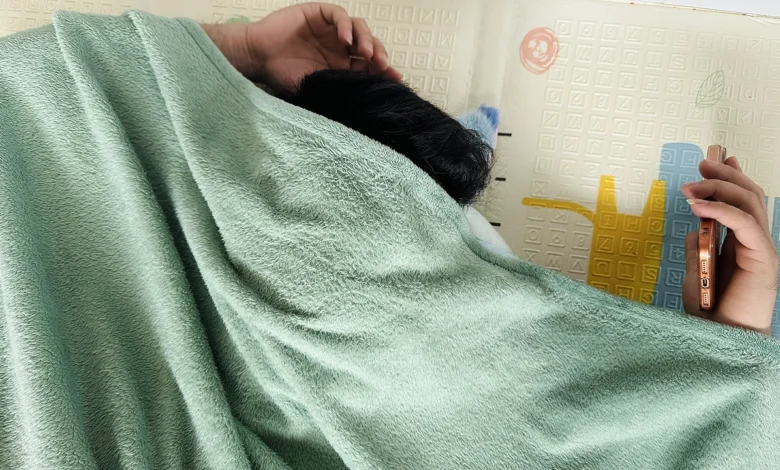
While the act of pulling a blanket over one’s head may offer a temporary sense of security, warmth, or a shield against ambient light and noise, medical professionals are increasingly warning against this common nocturnal habit. Dr. Nguyen Huy Hoang, representing the Vietnam Association of Underwater and Hyperbaric Oxygen Therapy, has raised significant concerns regarding the physiological and environmental consequences of sleeping with a covered head. According to health experts, what begins as a search for comfort can quickly transition into a hazardous environment characterized by oxygen deprivation, carbon dioxide buildup, and the proliferation of harmful microorganisms. The practice, often referred to as "rebreathing," disrupts the delicate balance of gases required for restorative sleep and can lead to chronic health issues if maintained as a long-term habit.
The Physiological Chronology of Head-Covering During Sleep
To understand the risks associated with this habit, it is essential to examine the chronological progression of the environment created beneath a blanket. When a person covers their face and head entirely, they effectively create a sealed or semi-sealed micro-environment that is disconnected from the room’s ventilation.
Within the first few minutes, the concentration of oxygen begins to decline. Under normal circumstances, atmospheric air contains approximately 21% oxygen. However, within the confined space of a blanket, this percentage drops as the sleeper consumes the available supply. Simultaneously, the concentration of carbon dioxide (CO2) rises. In a standard indoor environment, CO2 levels hover around 400 to 1,000 parts per million (ppm). Under a heavy blanket, these levels can spike to several thousand ppm within a short period.
As the night progresses, the sleeper enters a cycle of "rebreathing" their own exhaled air. By the second and third hours of sleep, the lack of fresh air circulation leads to a state of mild hypoxia (low oxygen) and hypercapnia (excessive CO2). The brain, sensing the shift in gas concentrations, may trigger a "suffocation alarm," leading to micro-awakenings. These interruptions prevent the sleeper from entering or maintaining Stage 3 (Deep Sleep) and Rapid Eye Movement (REM) sleep, which are critical for cognitive processing and physical recovery.
By the morning hours, the cumulative effect of poor gas exchange manifests as physical exhaustion. Despite spending eight hours in bed, the individual often wakes up feeling unrefreshed, experiencing "sleep drunkenness," headaches, and a marked decrease in cognitive function and concentration that can persist throughout the day.
The "Heat Trap" and Dermatological Implications
Beyond the respiratory concerns, covering the head creates what Dr. Hoang describes as a "heat trap." The human head plays a vital role in thermoregulation; it is one of the primary areas through which the body sheds excess heat to lower its core temperature in preparation for deep sleep. When the head is covered, this natural cooling process is obstructed.
As the body temperature rises under the blanket, the sweat glands become overactive. Because the fabric is pressed against or near the face, the moisture cannot evaporate efficiently. This creates a humid, warm environment that is detrimental to skin health. The trapped sweat and sebum can lead to the clogging of pores (comedones), resulting in acne outbreaks and skin irritation. Furthermore, the lack of airflow combined with high humidity can exacerbate conditions such as eczema or heat rashes, particularly on the sensitive skin of the face and neck.
Microbiology of Bedding: An Invisible Threat
One of the most overlooked dangers of sleeping with a covered head involves the microscopic ecosystem living within the fabric of blankets and pillows. Bedding is a notorious reservoir for dust mites (Dermatophagoides), dead skin cells, fungal spores, and various bacteria.
When a person pulls a blanket over their face, they are placing their respiratory intake in direct proximity to these allergens and pathogens for several hours. The warm, moist air produced by breathing creates the ideal breeding ground for mold and dust mites. For individuals with pre-existing conditions such as allergic rhinitis, asthma, or chronic sinusitis, this practice can lead to severe nocturnal flare-ups. The inhalation of dust mite fecal matter and fungal spores can trigger inflammatory responses in the airway, leading to morning congestion, wheezing, and a persistent cough.
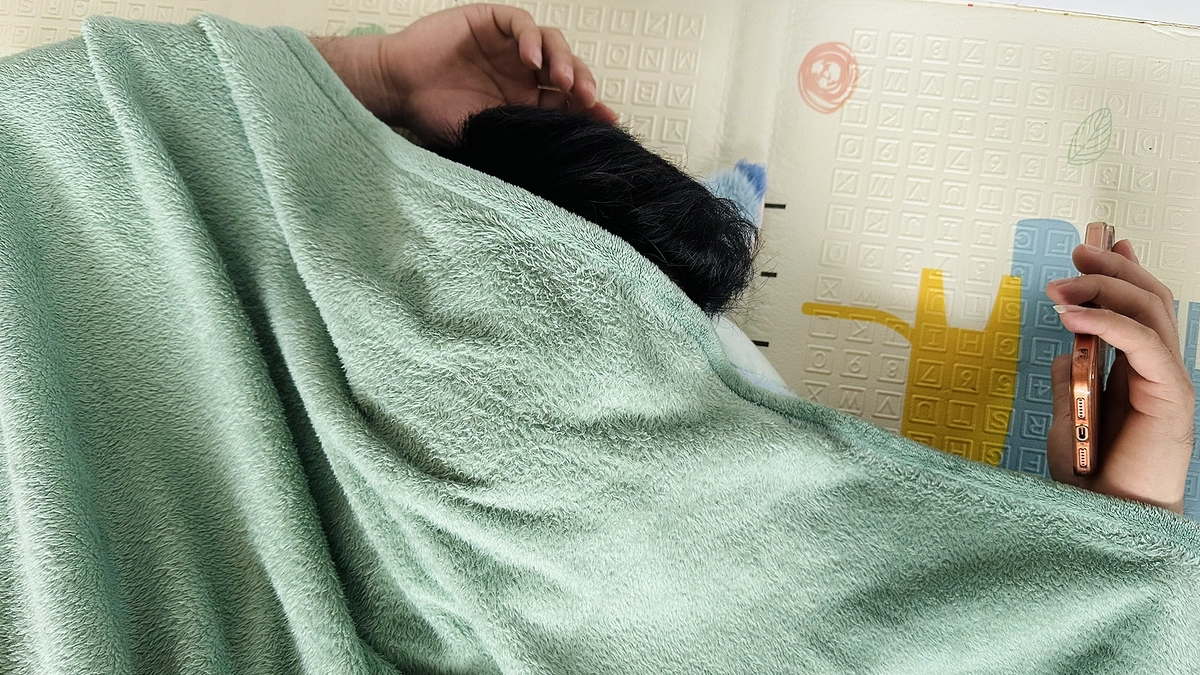
Risks to Vulnerable Populations: Infants and the Elderly
The implications of covering one’s head during sleep are significantly more severe for certain demographic groups. For infants, the habit is not merely a matter of poor sleep quality but a life-threatening risk. Pediatricians globally warn that soft bedding, including blankets that can cover a baby’s face, is a leading risk factor for Sudden Infant Death Syndrome (SIDS) and accidental suffocation. Infants lack the motor skills and the "arousal reflex" necessary to remove a blanket if they become overheated or oxygen-deprived.
Similarly, the elderly and individuals with underlying cardiovascular or respiratory diseases face heightened risks. Aging often brings a decrease in the sensitivity of the body’s chemoreceptors, which detect changes in CO2 and oxygen levels. An elderly person may not wake up as easily when oxygen levels drop, potentially leading to cardiac strain or respiratory distress. For those with obstructive sleep apnea (OSA), the habit of covering the head can exacerbate the severity of apneic events, as the air they are struggling to breathe is already poor in quality.
Supporting Scientific Data and Expert Analysis
Research into sleep hygiene and environmental air quality suggests that the "micro-climate" under bed covers is significantly more polluted than the surrounding room. A study observing CO2 concentrations in enclosed sleeping spaces found that levels exceeding 3,000 ppm are common in poorly ventilated areas. When the head is covered, these levels can potentially go higher, approaching thresholds that cause dizziness and impaired judgment.
Furthermore, sleep scientists emphasize the importance of the "Core-to-Skin Temperature Gradient." For a human to fall asleep, the core temperature must drop by about 1 to 2 degrees Celsius. By insulating the head, the sleeper prevents this drop, effectively "tricking" the brain into staying in a lighter stage of sleep. This physiological disruption is why many people who sleep with their heads covered report vivid, stressful dreams or a feeling of "heaviness" upon waking.
Medical experts suggest that the psychological urge to cover the head—often linked to a desire for "womb-like" security or a response to anxiety—should be addressed through safer alternatives. If the primary goal is to block out light, a high-quality, breathable silk sleep mask is recommended. If the goal is to block noise, earplugs or white noise machines are far safer than burying one’s head under heavy quilts.
Broader Impact on Long-term Health and Productivity
The long-term implications of chronic oxygen deprivation during sleep extend beyond morning grogginess. Chronic hypoxia is linked to increased oxidative stress and systemic inflammation. Over years, poor sleep quality resulting from habits like head-covering can contribute to the development of hypertension, weakened immune response, and metabolic disturbances.
In the professional sphere, the "brain fog" associated with rebreathing CO2 can lead to decreased productivity and an increased risk of workplace accidents. The cognitive impairment caused by a single night of poor oxygenation is often compared to mild alcohol intoxication in terms of reaction time and decision-making capabilities.
Official Recommendations for Optimal Sleep Hygiene
To ensure a safe and restorative sleep environment, health organizations and sleep experts provide the following guidelines:
- Maintain Airflow: Always keep the nose and mouth clear of any bedding. The airway must have an unobstructed path to the ambient air of the room.
- Optimize Room Temperature: Instead of using a heavy blanket to compensate for a cold room, aim to keep the bedroom temperature between 18 and 22 degrees Celsius (64 to 72 degrees Fahrenheit). This range is scientifically proven to support the body’s natural thermoregulation.
- Layering Over Bundling: If you feel cold, use multiple thin, breathable layers of blankets rather than one thick, heavy comforter that might inadvertently slide over the face. Alternatively, wear thermal pajamas or socks to maintain warmth without risking respiratory obstruction.
- Bedding Maintenance: Wash blankets, sheets, and pillowcases at least once a week in hot water (60°C or 140°F) to kill dust mites and remove allergens.
- Ventilation: Ensure the bedroom has adequate ventilation, such as a slightly cracked window or a functional HVAC system, to prevent the buildup of CO2 in the room itself.
In conclusion, while the temptation to retreat under the covers may be strong during cold winter nights or periods of stress, the physiological costs are too high to ignore. By understanding the science of gas exchange and thermoregulation, individuals can make informed choices to protect their respiratory health and ensure that their sleep remains a true period of recovery rather than a source of physical strain. The consensus among experts like Dr. Nguyen Huy Hoang is clear: for the sake of your brain, skin, and long-term vitality, keep your head above the covers.