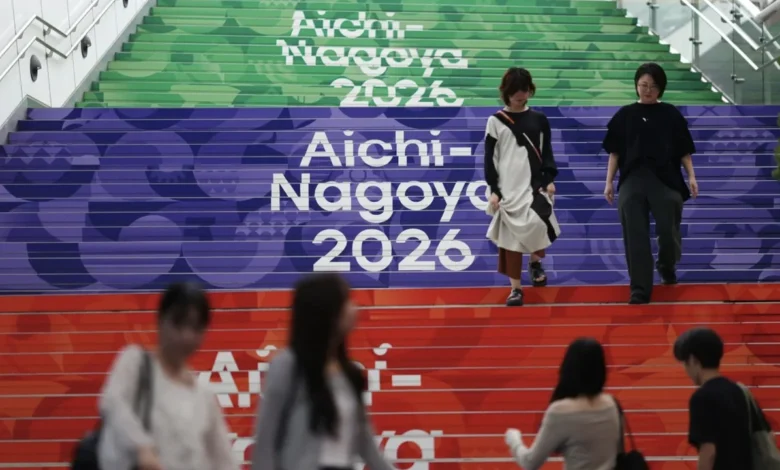
The 2026 Asian Games, hosted in the Aichi-Nagoya region of Japan, are currently mired in a cascade of operational failures that have sparked widespread international criticism and internal embarrassment. As the event unfolds, the logistical nightmare surrounding athlete accommodations, transportation, and administrative oversight has led to growing fears that the games may be remembered as the most poorly managed edition in the history of the Asian Games.
A Cascade of Logistical Failures
The problems plaguing the Aichi-Nagoya 2026 Asian Games began to manifest shortly before the opening ceremonies and have since escalated into a systemic crisis. Athletes and team officials, arriving with high expectations for Japanese hospitality and efficiency, were instead met with chaotic arrival procedures, misplaced accommodation assignments, and a lack of reliable transportation.
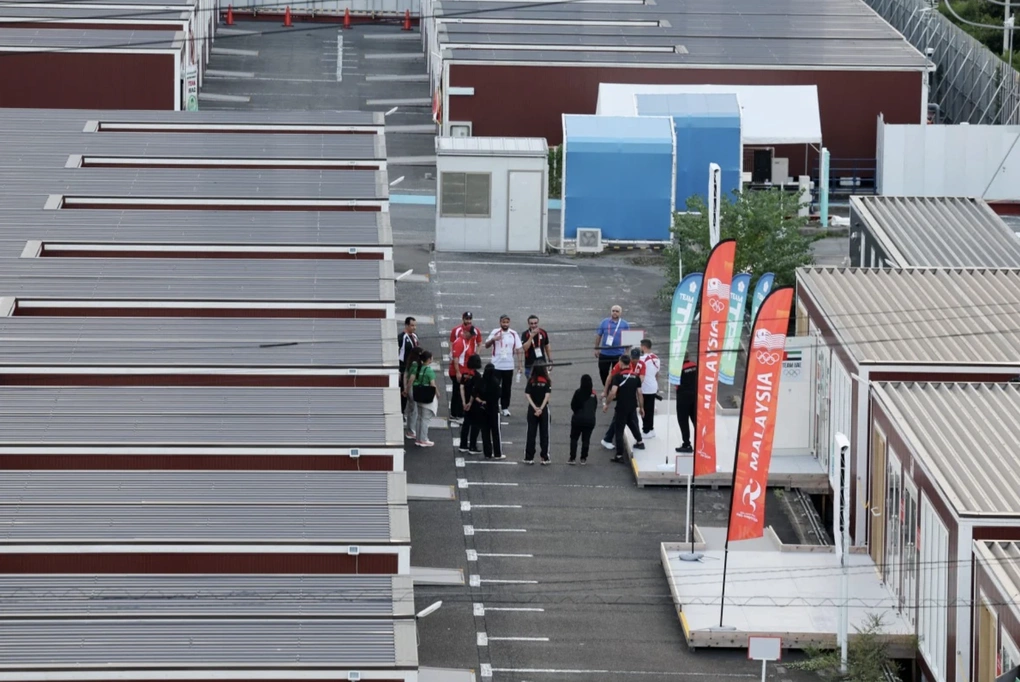
On September 16, a viral social media report captured the frustrations of various delegations as they faced prolonged delays while boarding cruise ships, which were being utilized as temporary lodging. The decision to move away from the traditional model of a centralized Athletes’ Village in favor of a patchwork system involving cruise ships, temporary container housing, and hotel blocks has proven to be a strategic misstep. The Aichi-Nagoya Asian Games Organizing Committee (AINAGOC) has been heavily criticized for these arrangements, which many observers argue were driven by cost-cutting measures that severely compromised the comfort and dignity of the participants.
Chronology of Discontent
The timeline of the current crisis highlights a lack of preparedness that has frustrated national Olympic committees across the continent.
- September 16: Massive delays occur during the check-in process for athletes being transported to cruise ship accommodations.
- September 17-20: Reports emerge of athletes from various nations, including the South Korean delegation, experiencing severe transportation shortages, forcing teams to cancel training sessions.
- September 21: The quality of meals provided at specific venues, including the teqball competition site, is publicly called into question, with reports of insufficient portions and poor nutritional quality.
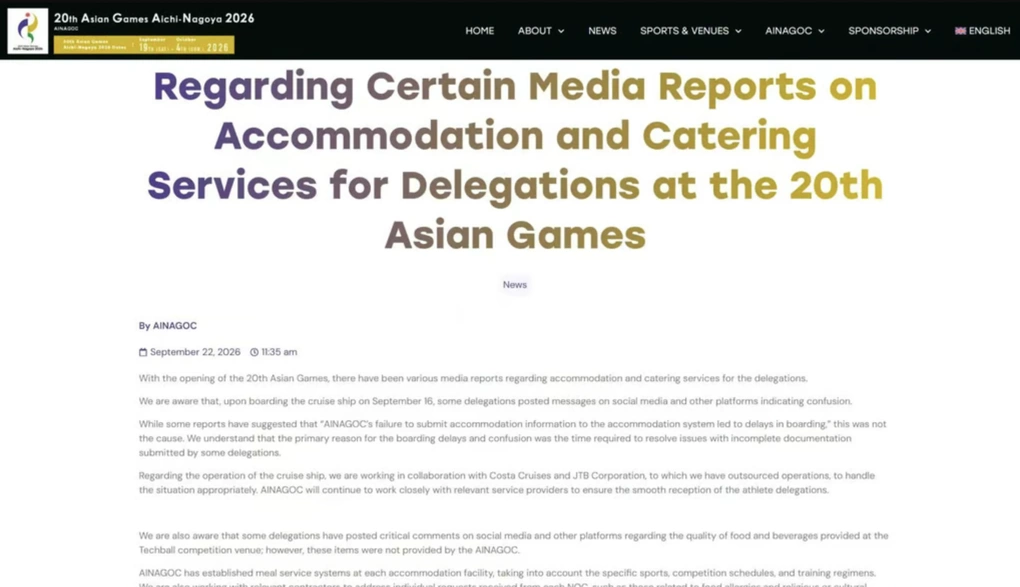
- September 22: AINAGOC issues an official statement attempting to clarify the situation, though the response is widely viewed as defensive, shifting blame toward the complexity of athlete paperwork rather than admitting to infrastructure shortcomings.
The Outsourcing Controversy
At the heart of the debate is the role played by the French-based event management company, GL Events, which was awarded a significant contract to oversee major logistics, venue design, and infrastructure for the games. According to reports from the Japanese publication Tokyo Sports, the decision to favor foreign expertise over established Japanese marketing and event conglomerates—many of which were sidelined due to the shadow of the Tokyo 2021 Olympic and Paralympic bribery scandals—has backfired.
Industry insiders have noted that GL Events, while experienced globally, appears to have struggled with the specific cultural and operational demands of the Japanese landscape. Several local contractors and volunteers have expressed frustration, stating that their feedback and warnings regarding potential bottlenecks were ignored by the organizing committee and its primary consultants. The lack of synergy between the international firm and local authorities has created a vacuum of accountability, where urgent issues are met with bureaucratic delays rather than immediate solutions.
Official Responses and Strained Diplomacy
The diplomatic fallout of these logistical failures has reached the highest levels of the participating delegations. Lee Sang-hyun, the head of the South Korean mission, has been particularly vocal in his criticism, publicly calling out the organizing committee for the repeated administrative blunders that have disrupted his team’s performance.
"The most critical issue is not just the occurrence of these errors, but the lack of a proactive response and a concrete plan to rectify them," Lee stated during a press briefing at the Korea House in Nagoya. "We have requested meetings with high-level officials to address the transportation and housing issues, but we have yet to see a comprehensive plan that guarantees these incidents will not happen again."
In response to the growing pressure, AINAGOC has attempted to coordinate more closely with partners like Costa Cruises and JTB Corporation. However, the committee has also been forced to address the perception that they are failing to provide adequate oversight. While AINAGOC maintains that they are working to resolve the "teething issues" related to data processing and arrival systems, critics argue that the sheer frequency of these errors suggests a deeper lack of institutional expertise in managing a multi-sport event of this magnitude.
Data and Impact on Athlete Performance
The human impact of these failures is significant. For elite athletes who have spent four years preparing for this pinnacle event, the lack of basic amenities like reliable transport to competition sites or consistent, high-quality nutrition can directly affect their performance.
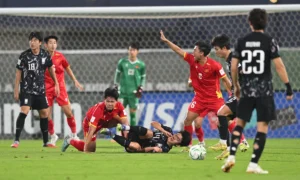
The South Korean men’s basketball team, for instance, was forced to cancel a crucial training session just hours before a semi-final match against Japan because their transport bus failed to show up. Similar issues have plagued the sepak takraw teams and other squads, with some delegations spending nearly 24 hours just to secure room assignments.
The Olympic Council of Asia (OCA), which oversees the quadrennial games, has been largely silent on the matter, though it is understood that they have been pressuring the host city to accommodate an influx of over 15,000 athletes and officials. Experts suggest that the Aichi-Nagoya region may have underestimated the logistical load, and the decision to stick to an ambitious capacity despite these warnings has now manifested in the current crisis.
Analysis: A Reputation at Stake
Japan has long been regarded as a gold standard for event management, characterized by meticulous planning, safety, and hospitality. The failures in 2026 are not merely inconvenient; they are damaging to the nation’s reputation as a global leader in sports administration.
The situation has created a narrative that the organizers were ill-equipped to handle the transition from a post-pandemic world to a full-scale Asian Games. The reliance on external contractors, the sidelining of domestic expertise, and the attempt to innovate with "temporary" infrastructure have all converged to create a perfect storm of failure.
As the competition continues, the pressure on AINAGOC to stabilize the situation is immense. If the organizational failures persist, the legacy of the 2026 Asian Games will likely be defined not by the athletic achievements on the field, but by the systemic incompetence that hindered them. For the organizers, the challenge now is to regain the trust of the athletes and the participating nations before the closing ceremony marks the end of what is already being dubbed the most challenging chapter in the history of the Asian Games. The coming days will be critical in determining whether the event can salvage its reputation or if it will indeed go down in history as the most disappointing edition of the games to date.