IFixit Publishes Detailed GIF Animations Revealing the Internal Mechanics and Aperture System of the iPhone 18 Pro Main Camera

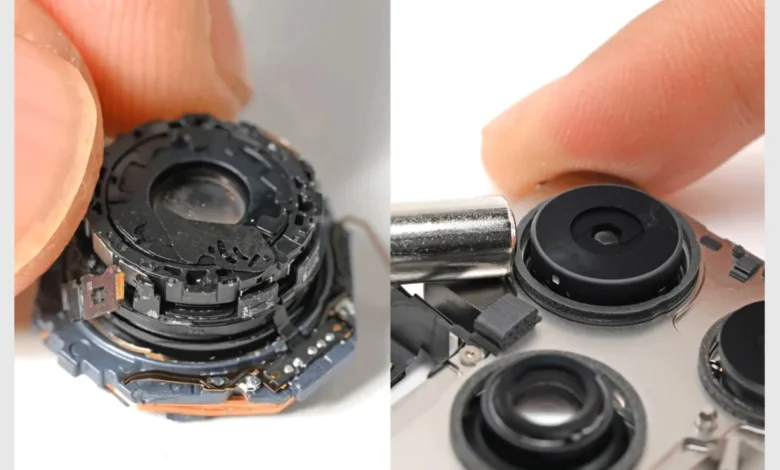
The ongoing evolution of smartphone photography reached another milestone as repair community and teardown authority iFixit released a pair of high-resolution animated GIFs offering an unprecedented look into the main camera module of the iPhone 18 Pro series. These detailed visualizations peel back the layers of Apple’s latest flagship imaging hardware, laying bare the intricate moving parts, structural components, and mechanical precision that govern the device’s advanced light-control mechanisms.
For years, smartphone cameras have relied on digital software processing and multi-lens configurations to manipulate depth of field, exposure, and light intake. However, the integration of physical, adjustable aperture technology in recent iterations represents a significant shift toward hardware-level optical control. The newly published iFixit animations not only confirm earlier speculations regarding the physical layout of these components but also provide a granular view of how micro-engineering allows a compact mobile device to mimic the mechanical versatility of a professional DSLR camera.
Inside the Mechanism: A Closer Look at the Aperture Design
Upon examining the first of the two published GIFs, technical observers immediately noted distinct differences compared to the promotional footage originally shared by Apple during the product launch event. In iFixit’s macro-visualization, the aperture opening appears noticeably larger, revealing a greater number of physical clearance holes and internal pathways.
While the fundamental architecture and movement trajectories align closely with Apple’s initial keynote explanations, a closer examination reveals critical engineering subtleties. Most notably, the animation highlights the presence of two previously obscured guide tracks that lack visible locking pins. These specialized tracks integrate seamlessly with the surrounding aperture blades to maintain absolute synchronization across all six individual blades. This coordinated movement is essential for ensuring that the expanding and contracting aperture maintains a perfectly circular geometry during operation, thereby preventing optical diffraction, artifacts, or uneven light distribution in final images.
The second animation provides a dynamic demonstration of physical actuation. By utilizing a controlled external magnet, iFixit successfully manipulated the internal rotor system, pulling and dragging the miniature mechanical components to force the six aperture blades through their complete cycle of opening and closing. This manual intervention vividly illustrates the kinetic relationship between the electromagnetic drive and the physical iris, confirming the durability and responsiveness of the assembly under simulated operational stress.
Background and Context: The Evolution of Mobile Optics
The inclusion of mechanical aperture control in mobile devices marks a paradigm shift in smartphone engineering. Historically, mobile phone cameras utilized fixed apertures—typically compensated by variable shutter speeds and ISO adjustments, or entirely simulated via portrait mode software algorithms. While computational photography has achieved remarkable feats, physical light restriction remains superior for achieving natural optical bokeh, controlling diffraction limits on ultra-high-megapixel sensors, and managing extreme dynamic range in harsh lighting conditions.
Apple’s decision to incorporate a physical aperture system into the iPhone 18 Pro series follows years of iterative advancements in sensor size and stabilization. As mobile sensors have grown physically larger to capture more light, the optical physics required to cover them without severe corner distortion or vignetting have become increasingly complex. Implementing a multi-blade mechanical iris allows the device to dynamically restrict light intake in bright environments, optimizing sharpness across the entire focal plane rather than relying strictly on neutral density filters or digital clipping.
The publication of these teardown assets by iFixit continues a long-standing tradition of independent hardware analysis. Founded as a community-driven wiki dedicated to free repair guides, iFixit has evolved into the world’s foremost authority on consumer electronics teardowns. Their analyses regularly influence Right to Repair legislation, consumer purchasing decisions, and manufacturing transparency across the global tech industry.
Chronology of the iPhone 18 Pro Camera Reveal
The path leading to iFixit’s recent visual breakdown spans several key milestones in product development, public announcement, and post-launch analysis:
- Initial Product Announcement: During the annual Apple hardware keynote event, company executives introduced the iPhone 18 Pro and iPhone 18 Pro Max, highlighting major breakthroughs in computational and optical photography. For the first time, Apple dedicated significant presentation time to explaining the mechanical intricacies of the new main camera’s adjustable aperture system.
- Official Market Release: The devices officially hit store shelves globally, prompting immediate acquisition by independent reviewers, teardown specialists, and engineering firms eager to put Apple’s marketing claims to the test.
- Initial Teardown Phase: Early teardown reports provided static imagery of the camera module removed from its chassis, confirming the general size, connector layouts, and modular integration within the titanium-and-glass enclosure.
- iFixit GIF Release: Utilizing high-magnification macro videography and magnetic actuation, iFixit published the definitive GIF animations on social media platforms, specifically highlighting the six-blade iris, the unpinned guide tracks, and the mechanical choreography of the shutter mechanism.
Technical Implications and Industry Impact
The revelation of the inner workings of the iPhone 18 Pro main camera carries several important implications for the smartphone industry at large. First, it sets a new benchmark for mechanical miniaturization. Designing a reliable, multi-blade mechanical iris that can withstand the rigors of daily pocket use—including drops, vibrations, and temperature fluctuations—requires tolerances measured in micrometers.
Second, the precision engineering demonstrated in the iFixit teardown validates the heavy investment smartphone manufacturers are making in hardware optics as computational photography approaches its practical limits. While software enhancements will continue to play a vital role in image processing, the ability to mechanically alter the physical properties of the lens system provides a genuine optical advantage that software alone cannot replicate.
From a repairability standpoint, however, the complexity of these micro-mechanical assemblies introduces new challenges. While modular replacement of entire camera blocks has become standard practice, servicing individual components within a miniaturized optical iris remains virtually impossible for independent repair shops or end-users. The integration of magnetic actuators and microscopic guide tracks underscores the delicate nature of modern flagship smartphones, reinforcing the argument for robust protective cases and careful handling.
Future Outlook for Smartphone Imaging Hardware
As consumers and industry analysts digest the detailed mechanics revealed by iFixit, attention is already turning toward the future of mobile imaging. The successful commercialization of a multi-blade physical aperture in a mainstream smartphone is expected to prompt competitive responses from rival manufacturers in the Android ecosystem, many of whom have previously experimented with variable physical apertures on select flagship models.
Furthermore, the insights gained from these teardowns provide valuable educational resources for engineering students, photography enthusiasts, and technology historians. By bridging the gap between macro-scale photographic optics and micro-scale consumer electronics, iFixit’s documentation ensures complete transparency regarding how modern pocket-sized computers manage the fundamental physics of light.
As Apple and other industry leaders continue to refine their imaging hardware, independent analyses will remain critical in holding manufacturers accountable to their engineering claims, demystifying complex internal architectures, and fostering a deeper understanding of the technology embedded in everyday devices.