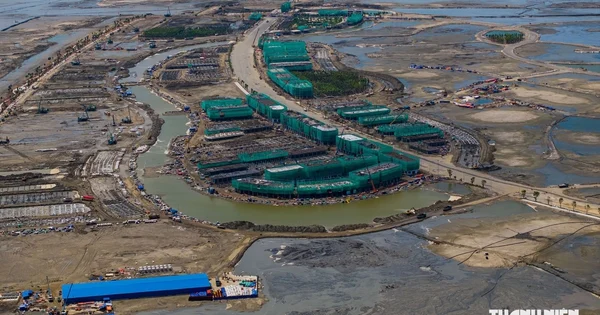
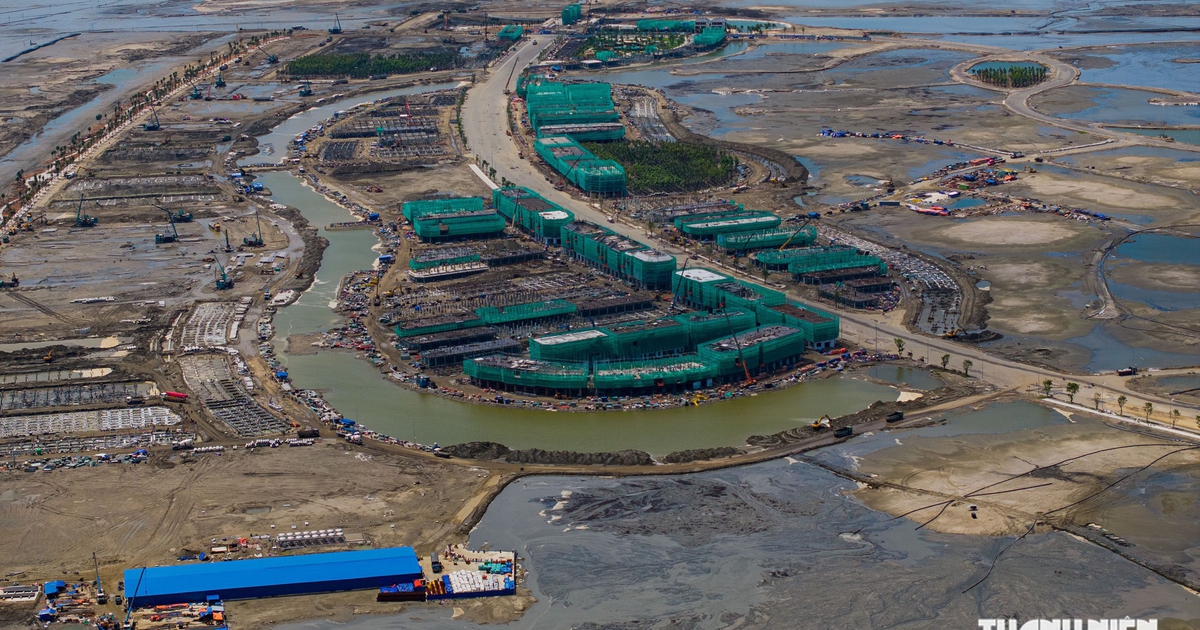
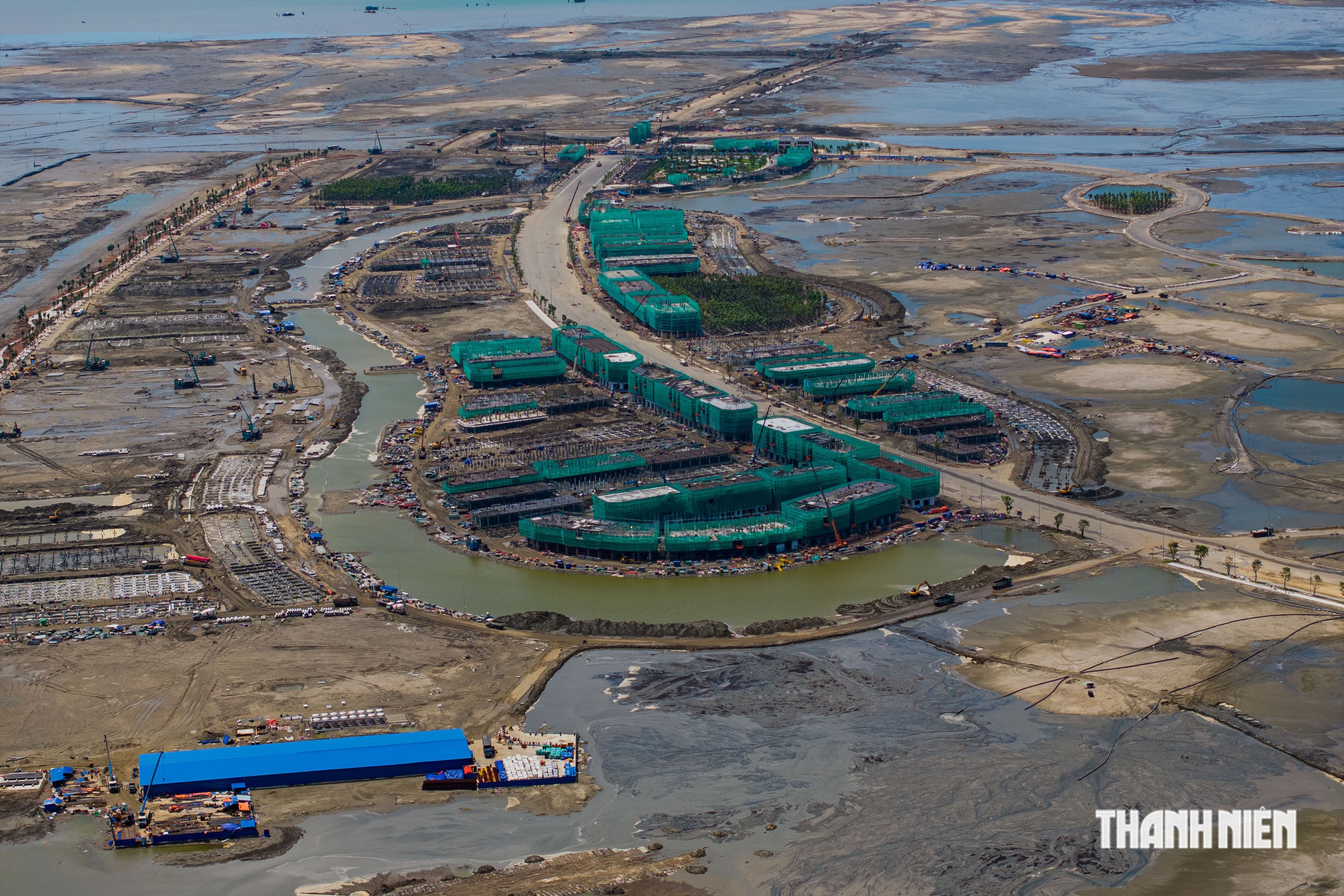
Eighteen months after the initial groundbreaking ceremony, the landscape of Can Gio District in Ho Chi Minh City is undergoing a profound metamorphosis. What was once a vast stretch of desolate mudflats and coastal mangroves is rapidly evolving into a high-tech, multi-functional urban center. The ambitious Vinhomes Green Paradise project, a massive land reclamation venture covering 2,870 hectares, now resembles a bustling, industrial-scale construction site, marking a pivotal chapter in the economic development strategy of Southern Vietnam.
A Transformation in Progress: The Current State of Construction
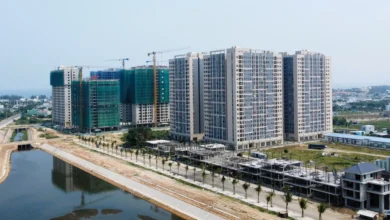
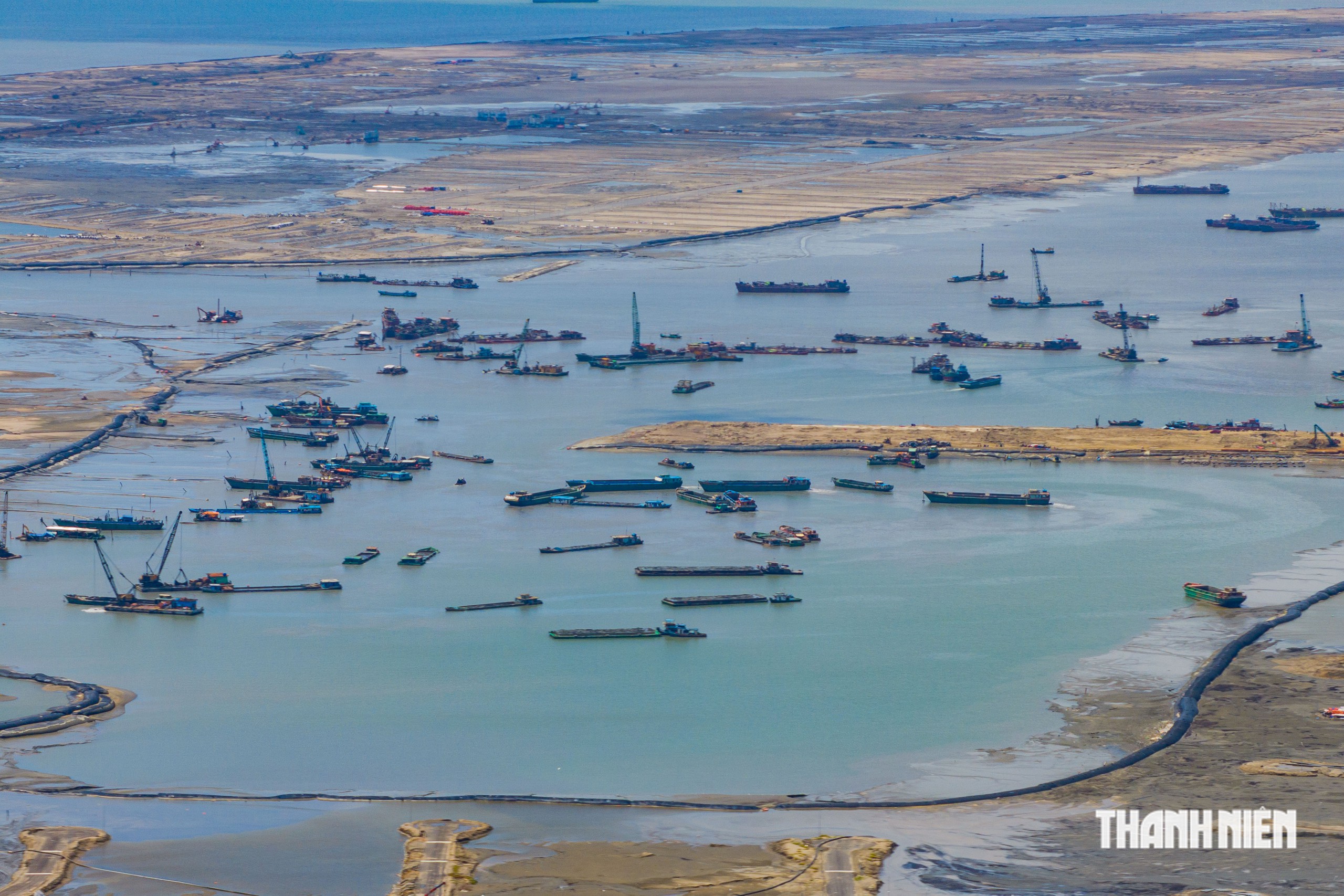
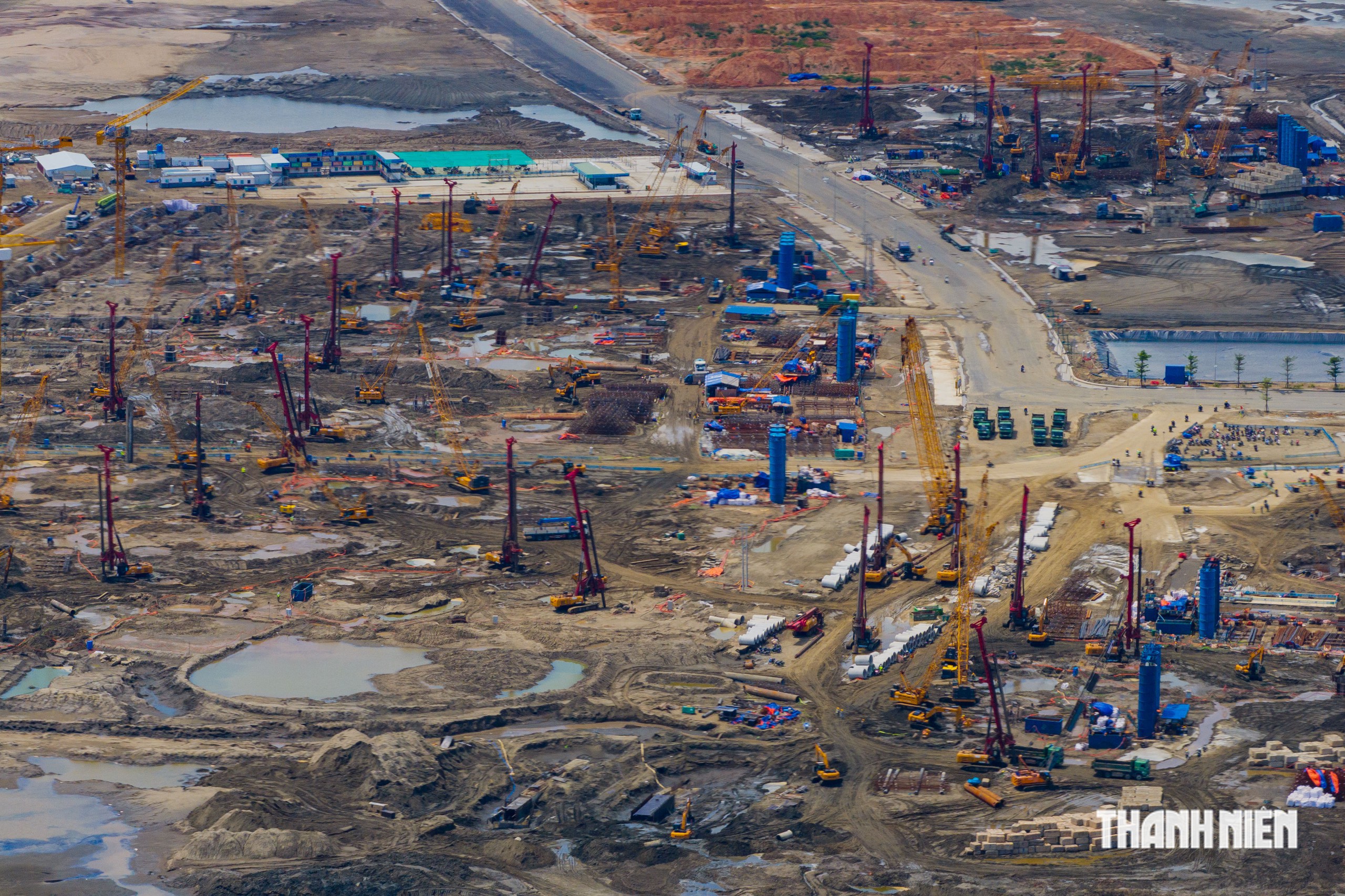
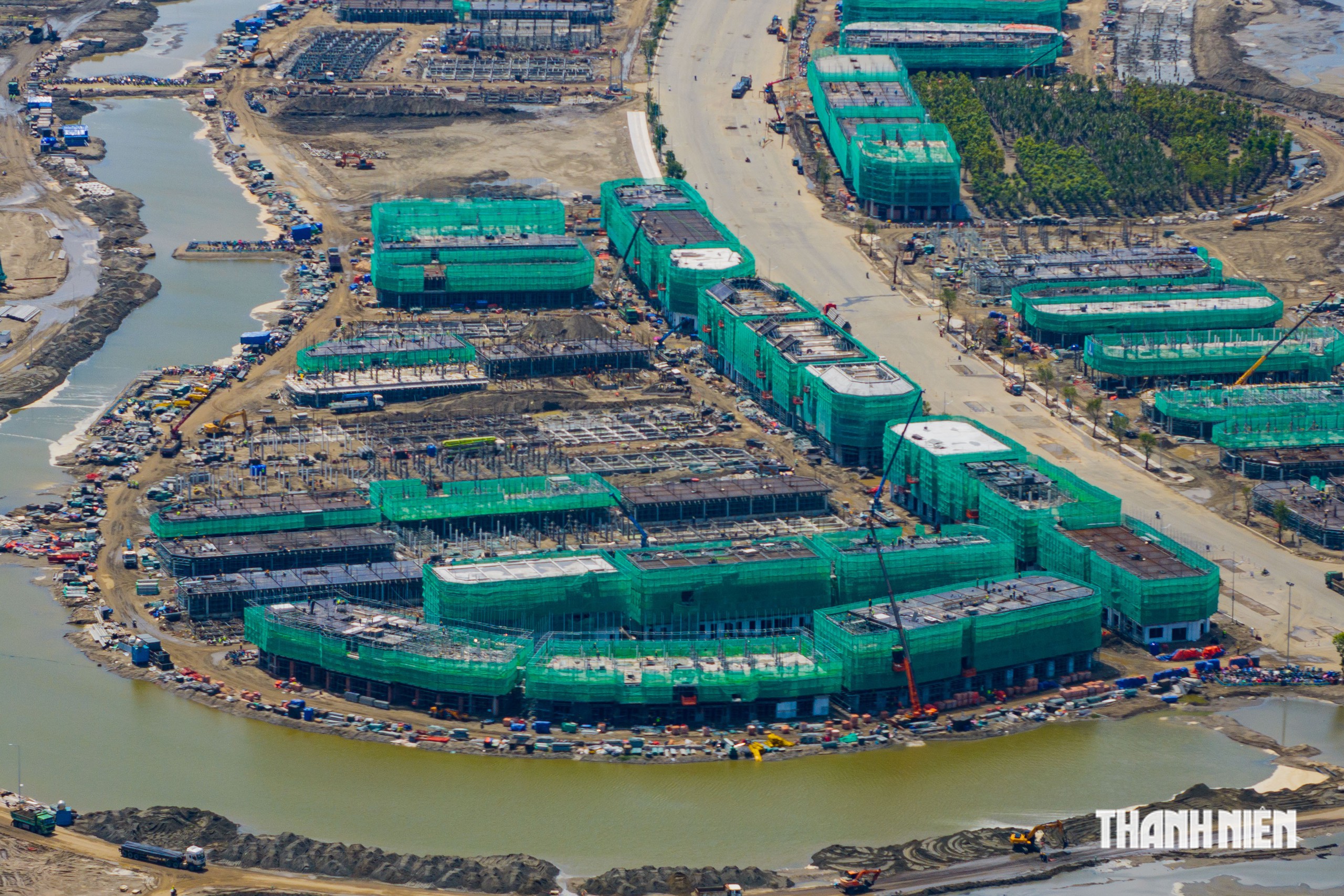
As of late October 2026, the sheer scale of the project is evident from both aerial perspectives and ground-level observation. Thousands of laborers, alongside a fleet of heavy-duty excavators, pile drivers, and specialized logistics transport vehicles, operate in a synchronized rhythm across multiple sectors.
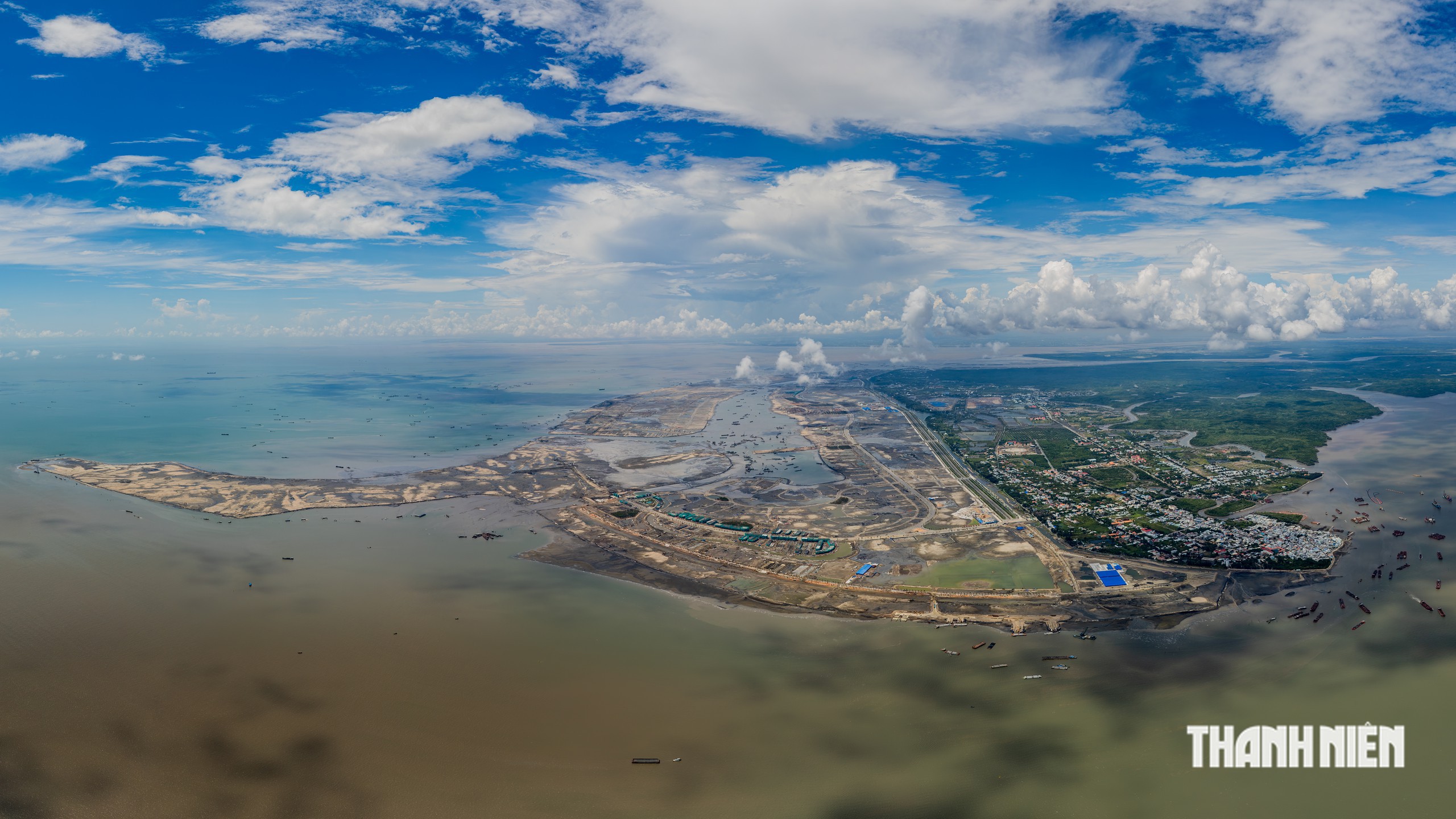
The site, stretching across Long Hoa Commune and Can Thanh Town, is no longer just a blueprint. Intricate internal road networks are being laid, and the foundational leveling for various sub-zones is nearing completion. Massive sand-pumping vessels and dredging equipment continue to operate in the adjacent coastal channels, pushing the boundaries of the land further into the sea. The rhythmic pulse of construction machinery, which echoes throughout the day, signals the transition from the planning phase to the physical manifestation of one of Vietnam’s largest real estate and tourism infrastructure projects.
Chronology and Project Background
The journey of the Can Gio sea-encroachment project began long before the shovels hit the ground in April 2025. For years, the project faced rigorous environmental impact assessments and bureaucratic hurdles, given the proximity of the site to the UNESCO-recognized Can Gio Mangrove Biosphere Reserve.
- Pre-2020: Conceptual design and feasibility studies are initiated.
- 2020–2024: Extensive environmental and socio-economic impact studies are conducted, focusing on coastal erosion prevention and marine ecosystem preservation.
- April 19, 2025: Official groundbreaking ceremony marks the commencement of construction by the Vingroup conglomerate.
- October 2026: Mid-point of the initial major development phase, with internal infrastructure and basic land reclamation exceeding initial targets.
The project represents a strategic pivot for Ho Chi Minh City, aiming to decentralize its urban core and establish a world-class tourism, resort, and financial hub. By shifting part of the city’s expansion toward the sea, the government hopes to alleviate the extreme population density in the downtown districts while capitalizing on the natural beauty of the Can Gio coastline.
Detailed Scope and Zoning Strategy
The 2,870-hectare project is a masterclass in urban planning, divided into four distinct zones, each serving a specific economic and social function. The reclamation process alone covers approximately 1,357 hectares, with an additional 906 hectares dedicated to leveling and elevation, set at a height of 2.9 meters above the Hon Dau elevation mark to ensure long-term climate resilience.
Zone A (950 hectares): Serving as the gateway to the urban complex, this area fronts the East Sea and the Soai Rap River. It is designed to be the nexus for eco-friendly residential housing integrated with high-end tourism services. This zone serves as the symbolic entrance, establishing the architectural tone for the rest of the project.
Zone B (660 hectares): This area is primarily focused on luxury resort hospitality, recreational services, and essential urban infrastructure. A notable feature of this zone is the inclusion of nearly 103 hectares dedicated to social housing, ensuring a balanced demographic distribution within the future city.
Zone C (318 hectares): Geared toward commercial expansion, this zone will host high-rise administrative buildings, financial centers, and corporate office spaces. It is envisioned as the economic engine of the new district, featuring integrated trade and retail centers that will support the local economy.
Zone D (480 hectares): This section is dedicated to high-end retail, leisure, and residential developments. Crucially, the master plan includes 458 hectares specifically allocated for water features, canals, and green spaces, reflecting a commitment to integrating the urban environment with the marine ecosystem.
Architectural Landmarks and Infrastructure
Among the standout features slated for construction is the "Blue Waves Theatre" (Nhà hát Sóng Xanh), a 7-hectare cultural landmark designed to host international events. The facility is expected to house a 5,000-seat auditorium, a 45,000-square-meter exhibition hall, and a central square capable of accommodating 50,000 people.
Beyond cultural infrastructure, the project includes the "Landmark Harbour" international cruise port, a network of luxury hotels, two professional-grade golf courses, and a 122-hectare leisure-tourism complex. Perhaps most ambitious is the plan for a 108-story tower, which, if completed, would serve as a dominant vertical feature in the city’s skyline, symbolizing the technological and economic aspirations of the project.
Economic Implications and Official Outlook
The development of Vinhomes Green Paradise is not merely a construction project; it is a catalyst for regional economic integration. By aiming for a permanent population of approximately 230,000, the project is expected to generate significant employment opportunities in the tourism, service, and high-tech sectors.
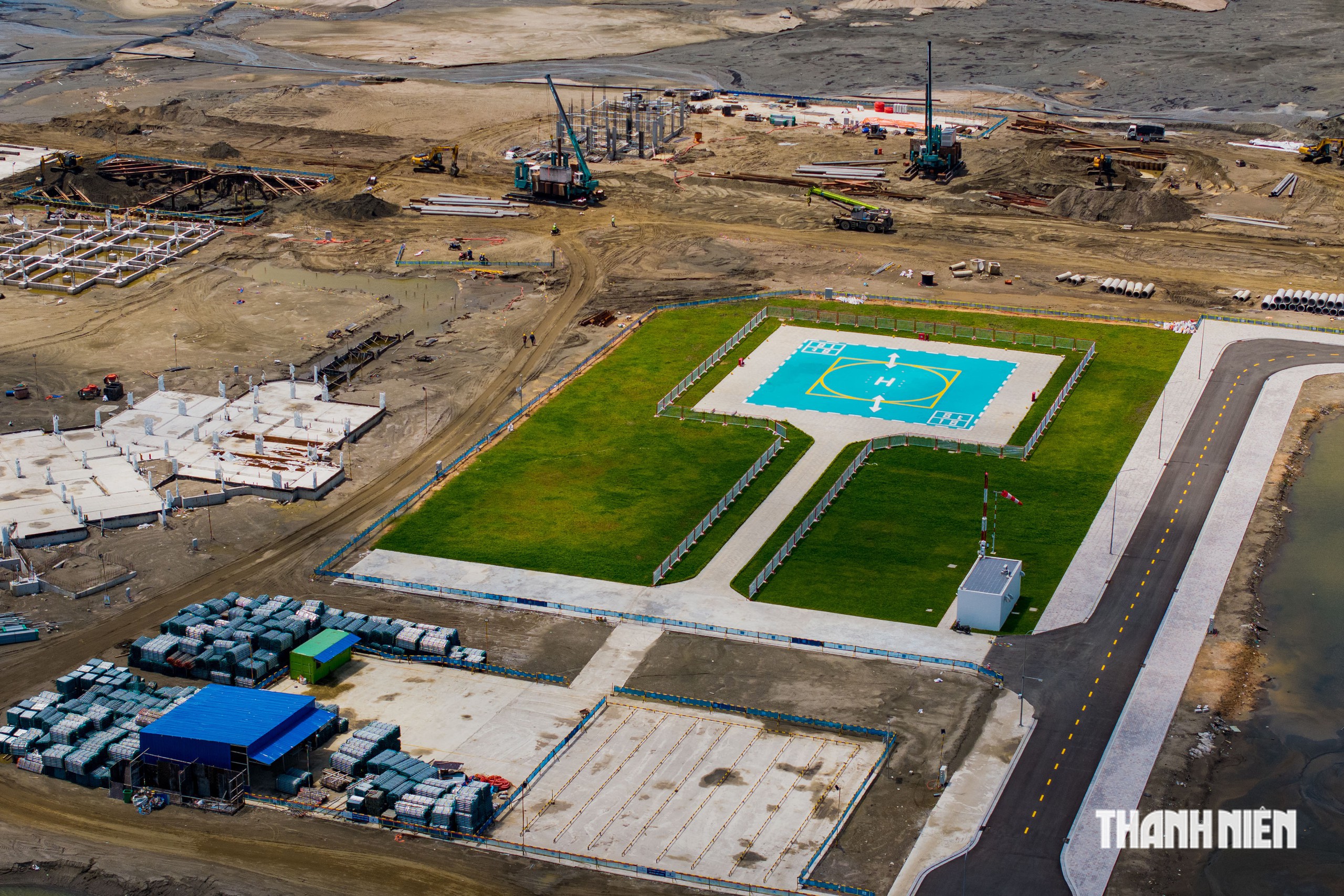
Local authorities and the developer have emphasized the importance of the project in shifting Can Gio from a quiet, agricultural-based district into a smart city. The integration of high-speed digital infrastructure, sustainable waste management systems, and smart water management is intended to set a benchmark for future coastal developments in Southeast Asia.
However, the project continues to be monitored closely by environmental agencies. The "sea-encroachment" model requires constant vigilance regarding sediment transport and marine biodiversity. Officials have stated that the reclamation process utilizes advanced engineering to minimize the impact on the neighboring mangrove forest, which remains the "green lung" of Ho Chi Minh City.
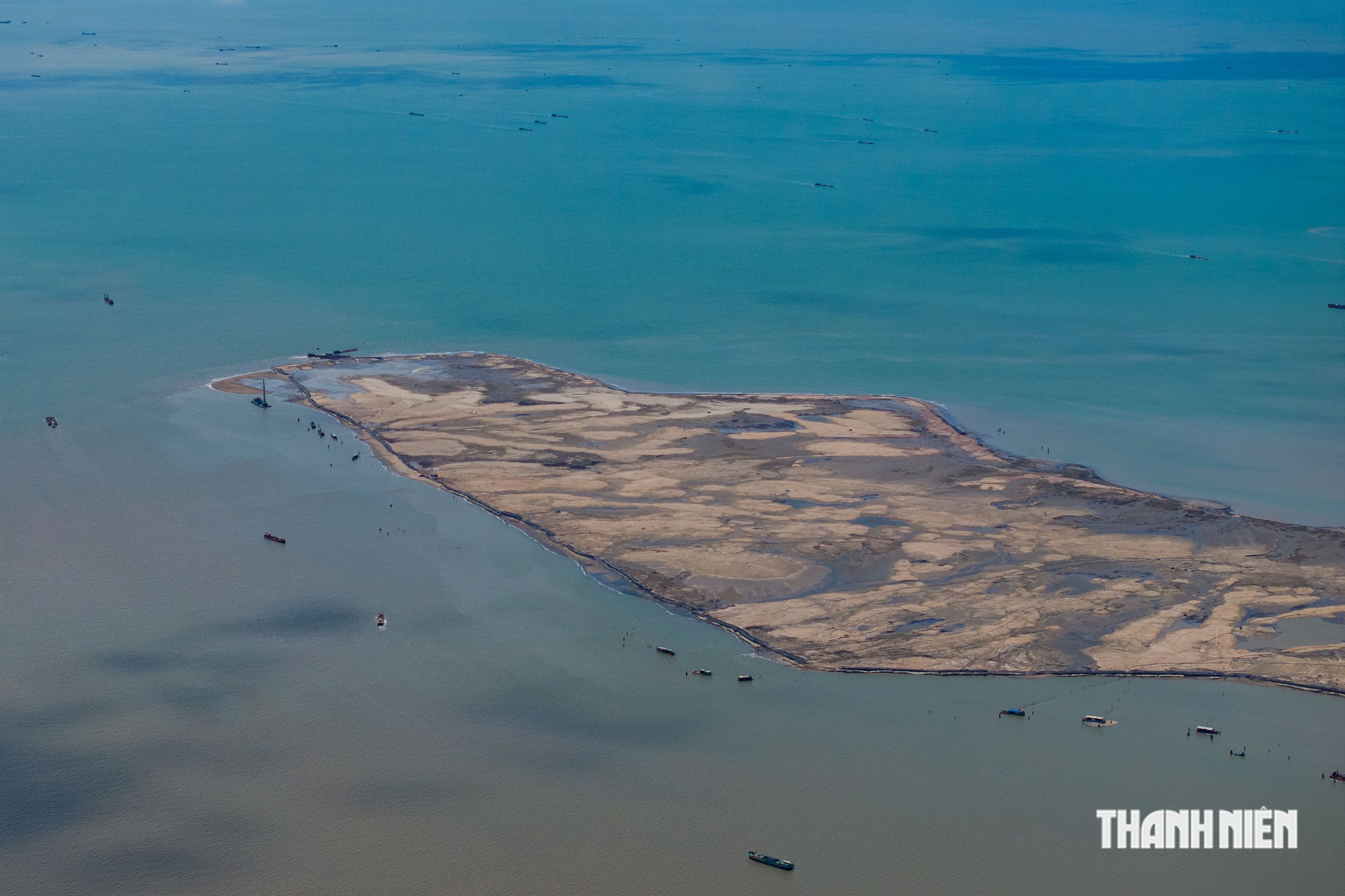
Future Outlook: Challenges and Expectations
As the project enters its next phase, the focus will shift from land preparation to vertical construction and utility installation. The primary challenge will be the maintenance of the delicate balance between rapid urban expansion and the protection of the coastal environment.
Market analysts remain optimistic, noting that the demand for high-end, resort-style living near the country’s economic capital is at an all-time high. The success of this project could serve as a blueprint for similar developments across Vietnam’s long coastline, proving that large-scale infrastructure can coexist with, and perhaps even enhance, natural tourism assets.
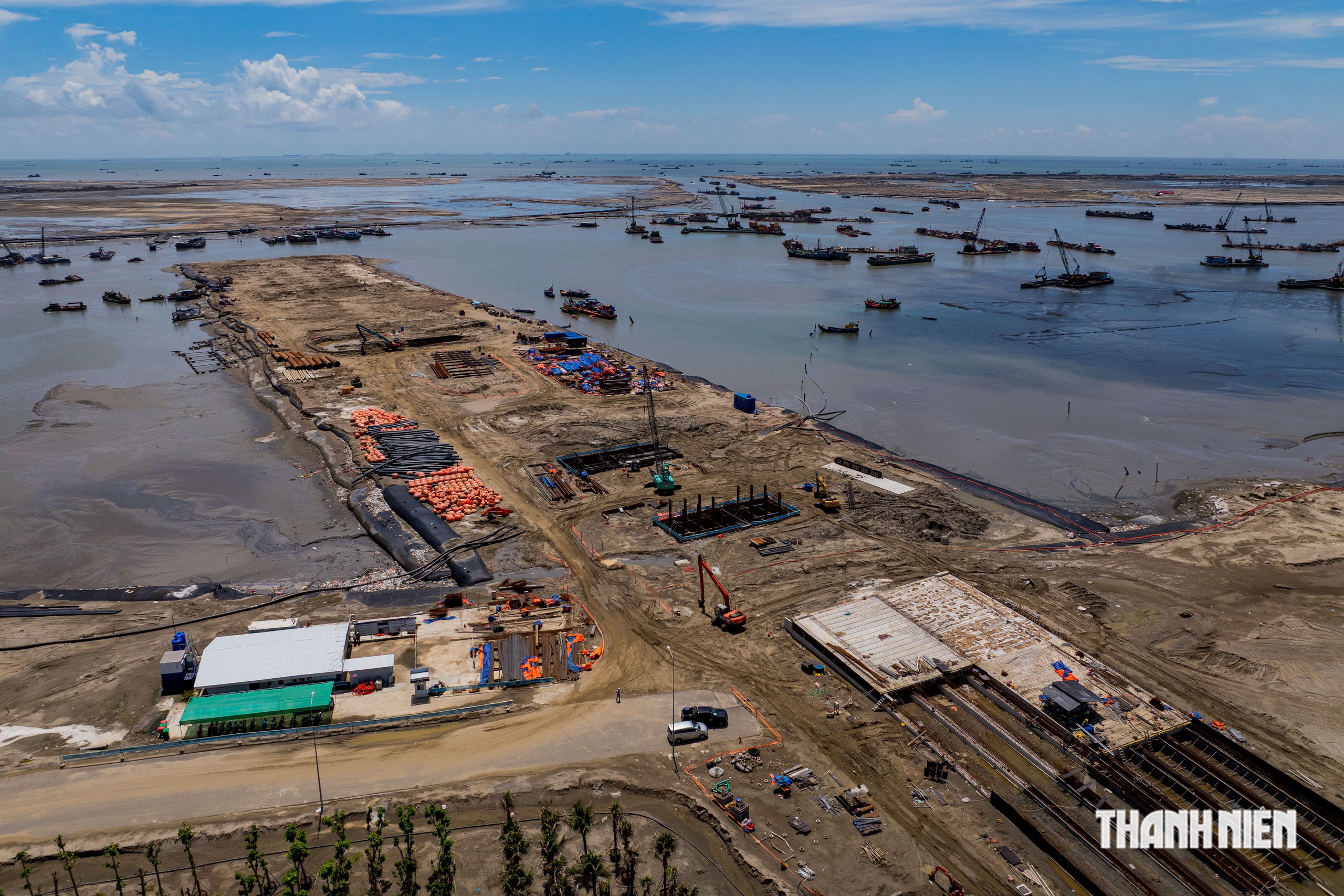
In conclusion, the Can Gio sea-encroachment project is currently a testament to modern engineering and ambitious urban planning. With the foundation now firmly taking shape, the coming years will be critical in determining how successfully this "Super City" can integrate into the existing fabric of Ho Chi Minh City, promising a future where urban sophistication meets the tranquil beauty of the East Sea. The evolution of this area will undoubtedly be a key indicator of Vietnam’s trajectory toward becoming a more modernized, globally connected, and strategically diversified economy.
Related posts: