Phuoc Khanh Bridge construction accelerates toward completion as final link of Ben Luc – Long Thanh Expressway reaches milestone

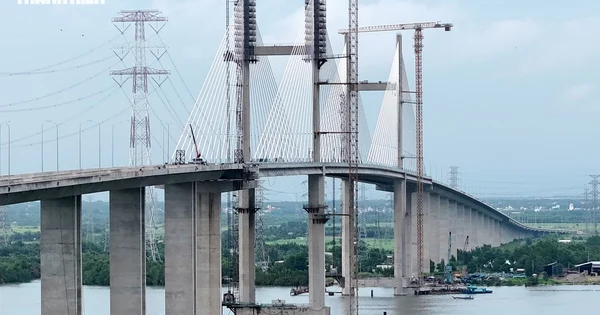
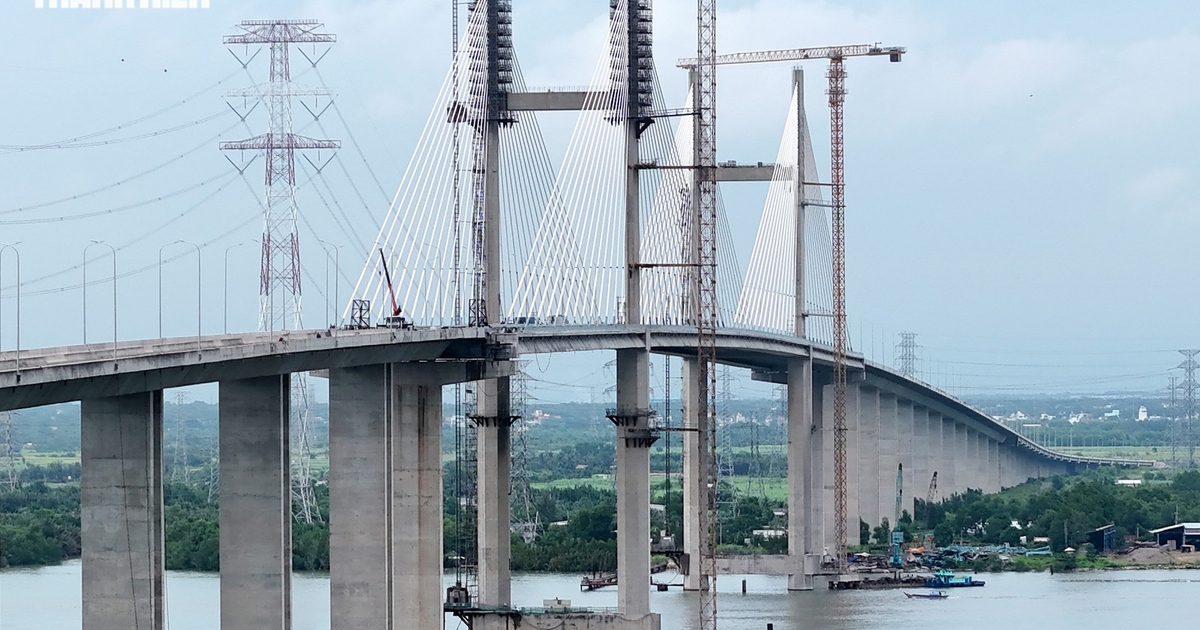
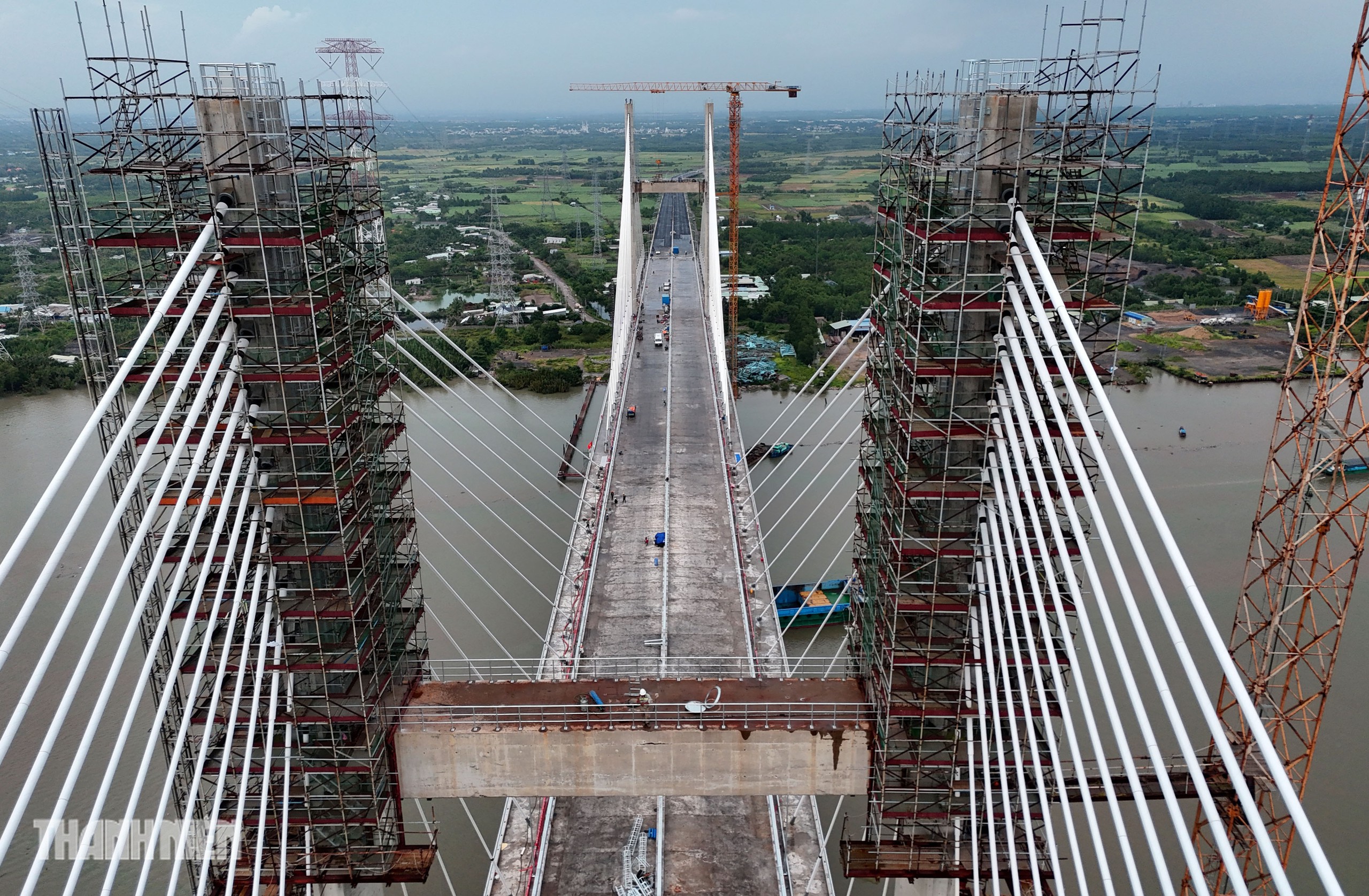
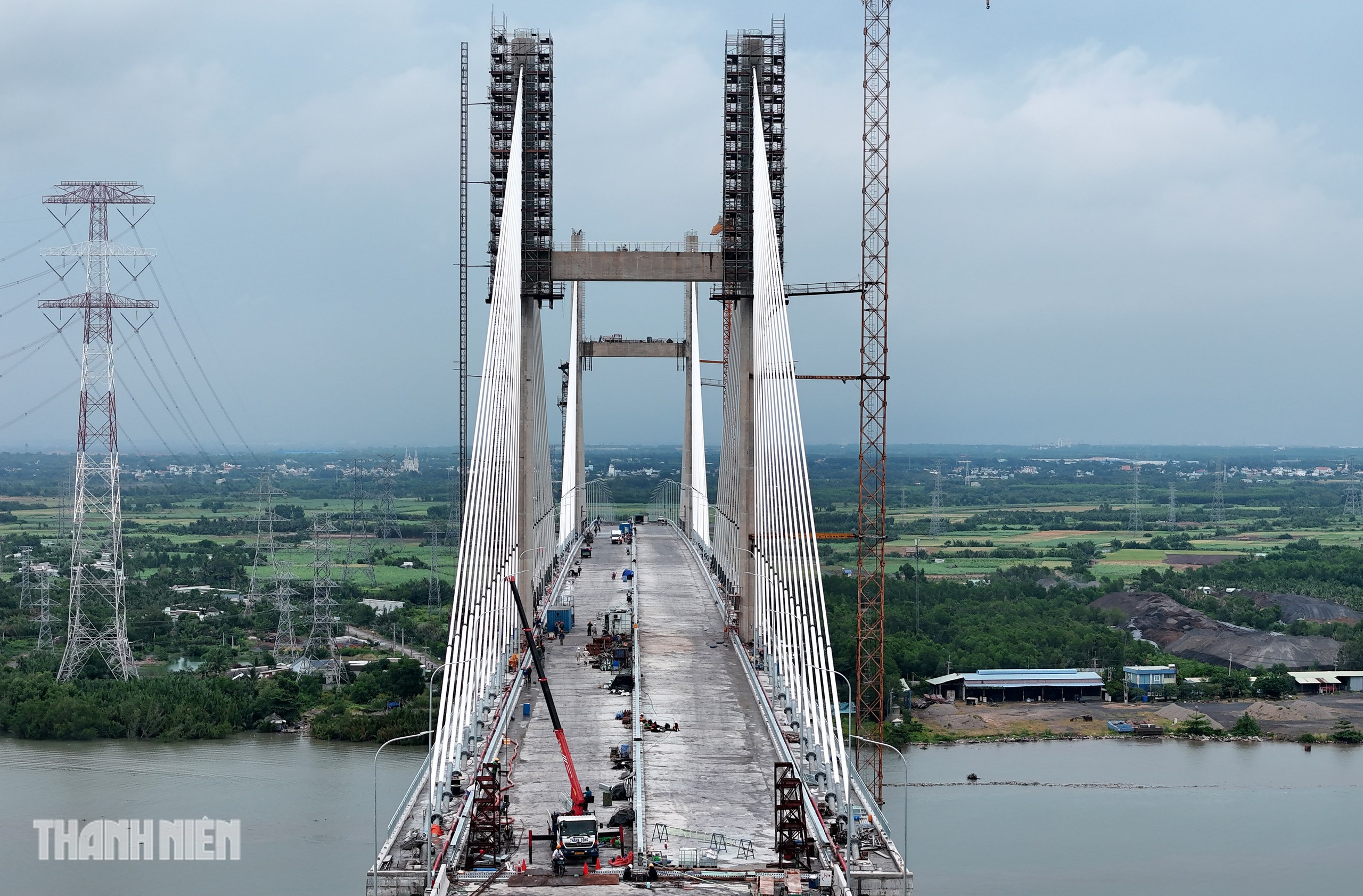
The Phuoc Khanh Bridge, a vital engineering centerpiece of the nearly 58-kilometer Ben Luc – Long Thanh Expressway, is currently undergoing an accelerated construction phase as it nears its final delivery. With approximately 98% of the project’s total workload completed, engineers and specialized construction crews are working around the clock to finalize the last segments of the bridge deck. The successful application of asphalt concrete on the bridge surface serves as a critical indicator that this long-awaited infrastructure project is on track to reach the finish line by the end of September 2026. This achievement marks the culmination of an 11-year journey for a project that has faced significant technical and administrative hurdles since its inception.
A Decade of Engineering Challenges
The Phuoc Khanh Bridge is a cable-stayed structure designed to span the Long Tau River, serving as a primary connector between Ho Chi Minh City’s Binh Khanh commune and Dong Nai Province’s Nhon Trach district. As the most technically complex component of the Ben Luc – Long Thanh Expressway project, the bridge has been the subject of intense focus by the Vietnam Expressway Corporation (VEC), which acts as the project’s investor. The total investment for the bridge and its associated infrastructure is valued at nearly 29.6 trillion VND.
The project’s history is defined by its complexity. Originally initiated in 2015 with an ambitious completion target of 2019, the bridge encountered numerous delays, including land acquisition issues, changes in design requirements, and funding bottlenecks that effectively stalled construction for several years. These interruptions left the project as a "bottleneck" within the wider expressway network, preventing the seamless flow of traffic between the Mekong Delta and the southeastern region of Vietnam. The recent reactivation and subsequent acceleration of the project represent a significant turnaround for the VEC and its contractors, who have had to re-mobilize massive amounts of machinery and personnel to complete the remaining tasks.

Strategic Importance of the Expressway Network
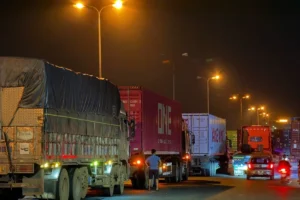
The Ben Luc – Long Thanh Expressway is one of the most critical arterial routes in Southern Vietnam. While large portions of the expressway are already operational, the absence of the Phuoc Khanh bridge link has forced traffic to navigate circuitous routes, undermining the efficiency of the entire corridor. By connecting the Mekong Delta to the Dong Nai industrial hub and the future Long Thanh International Airport, the completed bridge will act as a primary catalyst for regional economic integration.
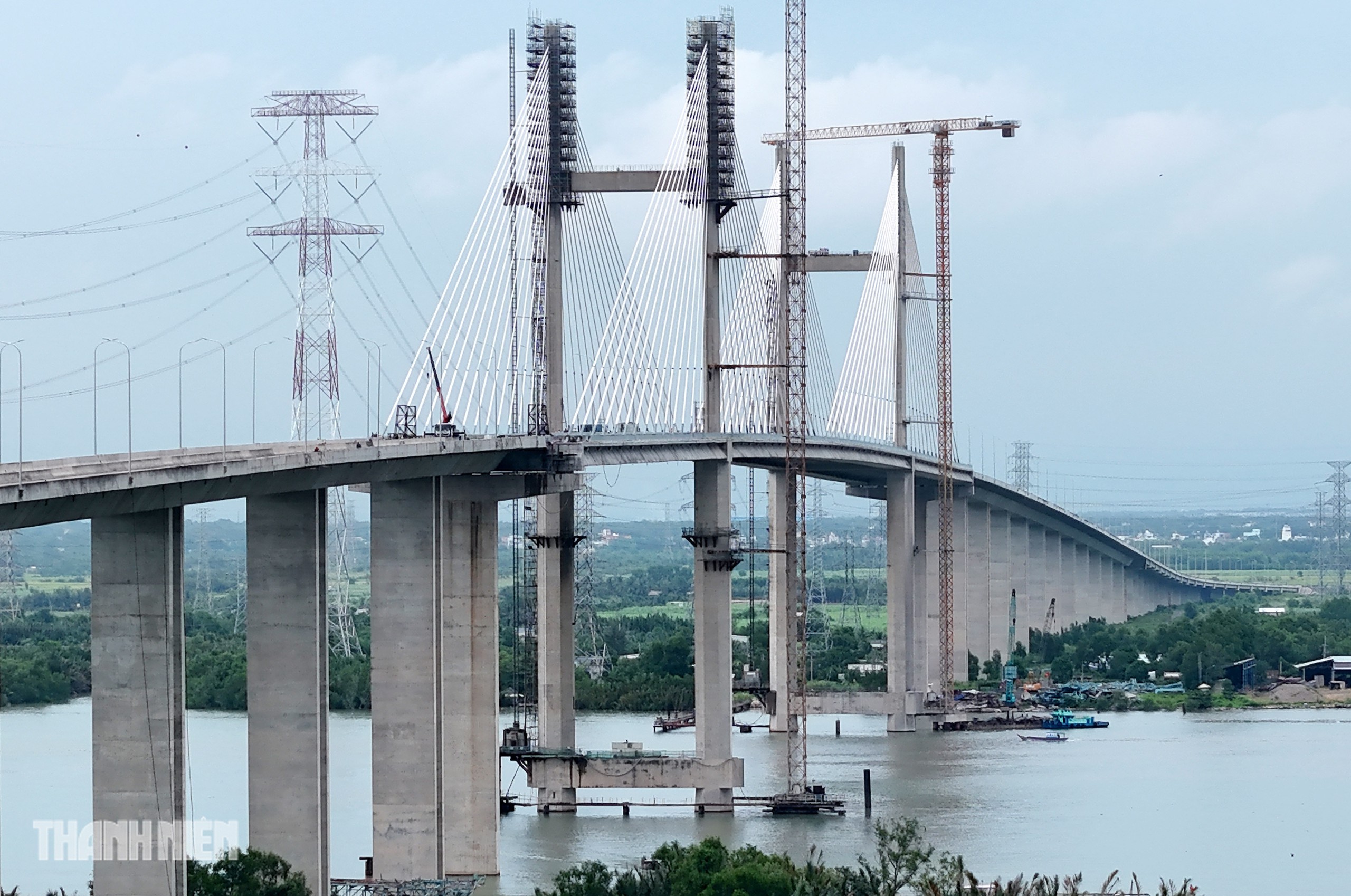
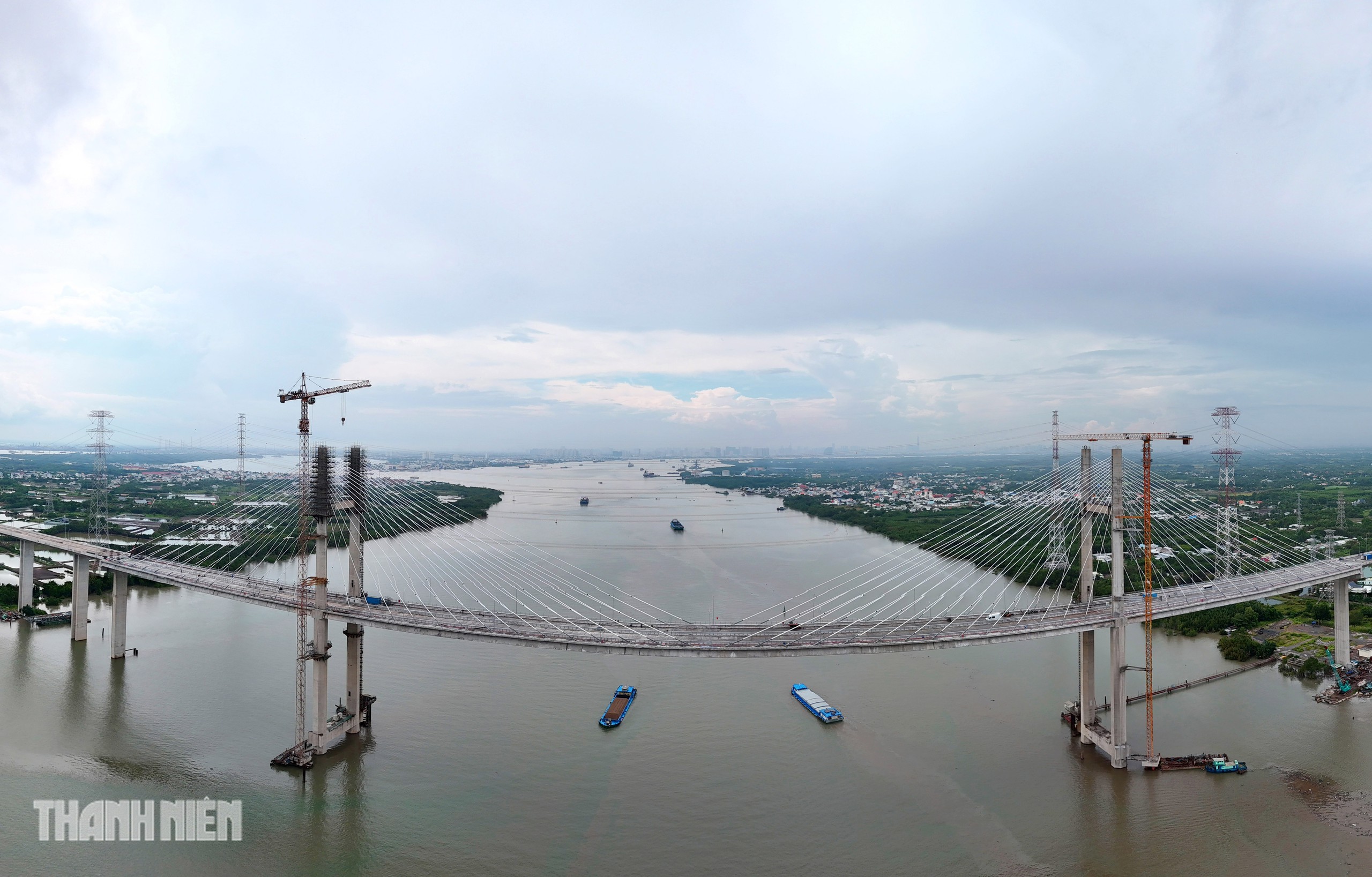
The bridge itself spans approximately 3.2 kilometers, with a 300-meter central navigation span designed to accommodate the passage of large international vessels entering the port systems of Ho Chi Minh City. The structural design features two massive concrete towers reaching a height of 155 meters, supporting a two-plane cable-stayed system. This design was specifically chosen to ensure the structural integrity of the bridge under heavy loads while maintaining the necessary vertical clearance for maritime traffic.
Recent Inspection and Official Oversight
The push toward completion reached a critical juncture on September 5, 2026, when an inspection delegation led by the Minister of Construction, Pham Minh Hac, visited the site. Minister Hac, who serves as the standing deputy chairman of the State Council for Inspection of Construction Works, conducted a detailed assessment of the bridge’s progress and safety standards.
During the site visit, the Minister emphasized the urgency of the final phases, instructing contractors to prioritize the mobilization of high-tech equipment and qualified labor to expedite the remaining work. The directive was clear: while speed is essential to meet the September 2026 deadline, the quality of construction and the rigorous adherence to inspection protocols remain non-negotiable. The Ministry of Construction has since maintained a high level of oversight, requiring daily progress reports to ensure that no further technical delays impede the opening of the entire expressway.
Technical Milestones and Current Progress
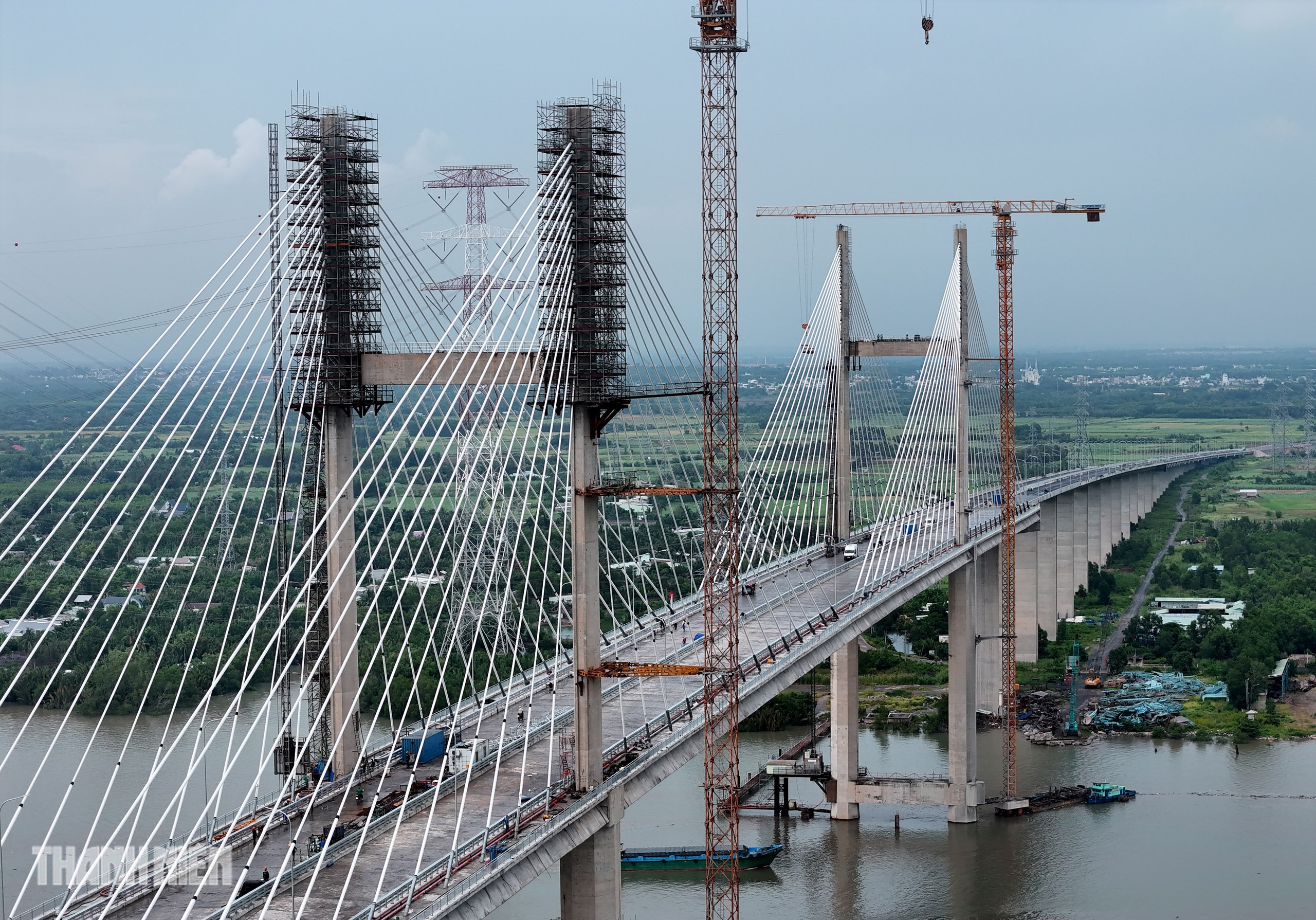
In the days leading up to the final completion, the construction site has become a hive of activity. The "rolling" construction method is currently being employed, where asphalt-laying machinery moves in sequence with roller compactors and support crews. This synchronized approach allows for the continuous application of the bridge’s wearing course, creating a seamless connection between the two banks of the river.
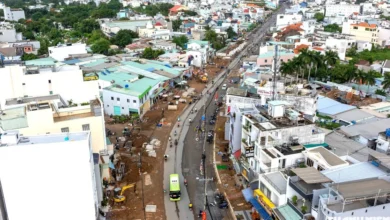
Beyond the bridge itself, the Rung Sac intersection on the Ho Chi Minh City side is also undergoing rapid development. This intersection is a crucial node that will provide direct access from the expressway to the Rung Sac road, significantly reducing travel time for residents and freight traveling between the center of Ho Chi Minh City, the Can Gio district, and the eastern provinces. Several key sections of the intersection have already been paved, and ancillary works—including drainage systems, safety barriers, and traffic signage—are being installed in parallel with the bridge deck completion.
Broader Economic and Logistical Implications
The completion of the Phuoc Khanh Bridge is expected to yield immediate benefits for the logistical landscape of Southern Vietnam. Currently, the movement of goods from the agricultural heartlands of the Mekong Delta to the industrial zones of Dong Nai and the international port gateways is hampered by transit inefficiencies. The opening of the full expressway will drastically reduce travel times, lower fuel consumption for freight carriers, and alleviate the congestion currently plaguing secondary routes.
Economists and logistics experts suggest that the full operational capacity of the Ben Luc – Long Thanh Expressway will likely stimulate investment in the regions surrounding the bridge. Nhon Trach, in particular, is positioned to benefit from the enhanced connectivity, as it continues to grow as a major satellite city and industrial manufacturing hub for the Ho Chi Minh City metropolitan area.
Challenges Overcome: A Lessons-Learned Perspective
Reflecting on the 11-year duration of the project, industry analysts point to the Phuoc Khanh Bridge as a case study in the complexities of large-scale infrastructure development in deltaic environments. The soft soil conditions, combined with the need for high-clearance navigation spans, required advanced engineering solutions that were initially underestimated during the feasibility study phase. Furthermore, the reliance on international funding and the resulting strict adherence to multi-party procurement and auditing processes contributed to the extended timeline.
However, the resilience shown in the final two years of construction demonstrates a maturing of project management capabilities within the local sector. By transitioning to a more agile, multi-shift work schedule and utilizing localized, high-capacity machinery, the project team has successfully bridged the gap between planning and execution.
Looking Toward the Future
As the end of September 2026 approaches, the focus is shifting from construction to the final commissioning and safety certification process. Once the paving is complete, the VEC will conduct a series of load-bearing tests and safety inspections to ensure that the structure meets the rigorous standards required for high-speed motorway traffic.
The successful opening of the Phuoc Khanh Bridge will effectively remove the "bottleneck" that has defined the Ben Luc – Long Thanh Expressway for over a decade. It marks a significant milestone in Vietnam’s national infrastructure strategy, signaling a future where regional connectivity is prioritized to support sustained economic growth. For the thousands of engineers, workers, and project managers who have spent years on the riverbanks of the Long Tau, the upcoming opening will be the culmination of a decade of persistence and technical innovation. As the final layers of asphalt are laid, the bridge stands as a testament to the country’s commitment to modernizing its transport network despite the challenges of the past.