Indonesia endures a grueling draw against Malaysia with ten men in FIFA ASEAN Cup 2026 clash

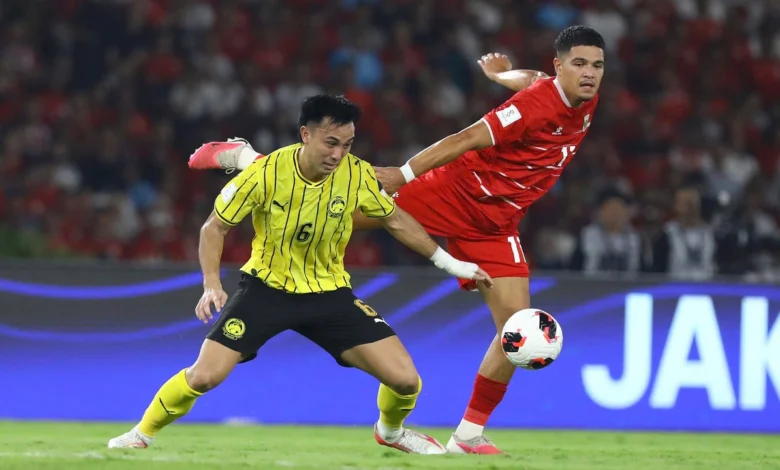
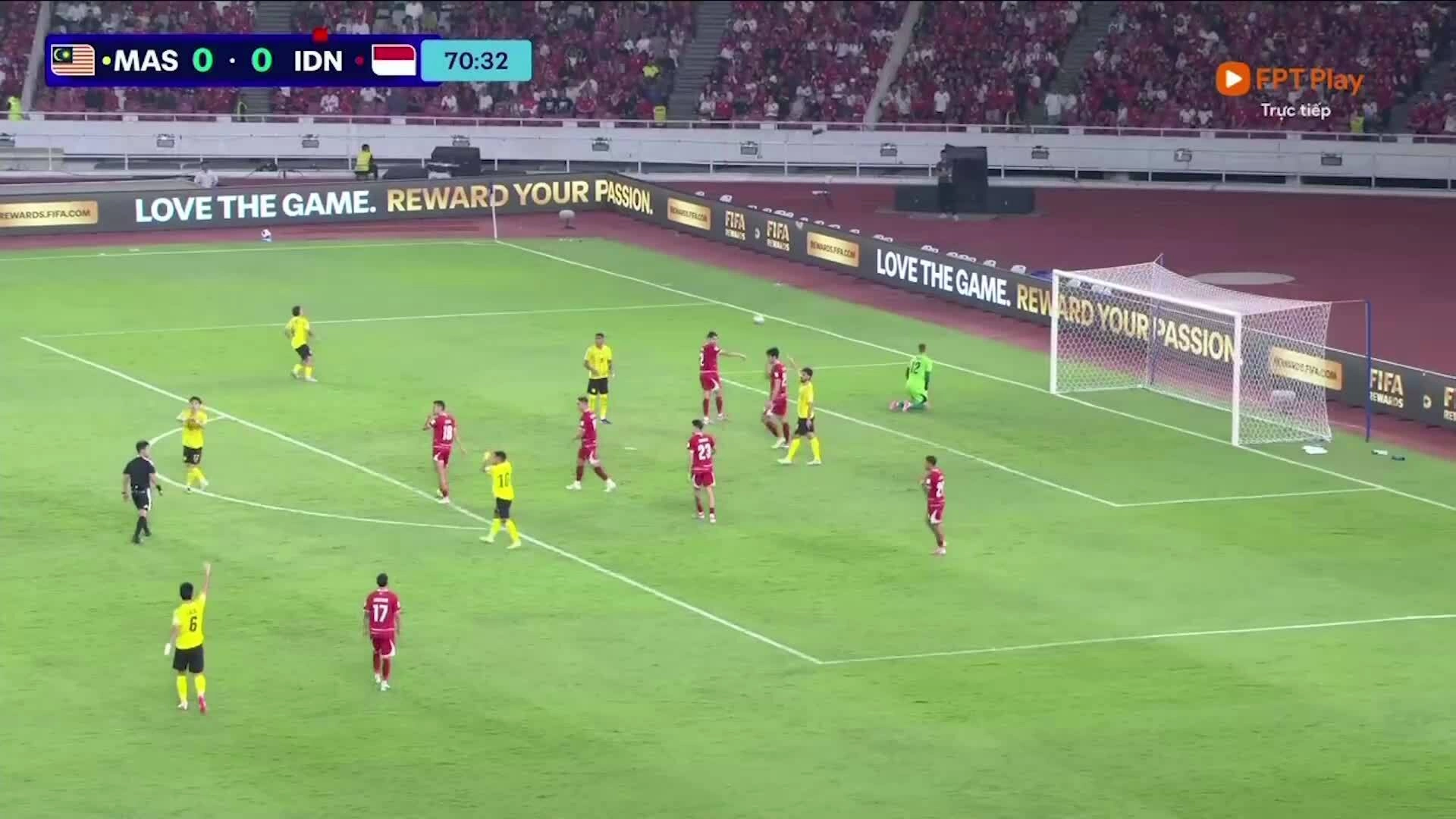
The Gelora Bung Karno Stadium in Jakarta served as the stage for a high-stakes tactical stalemate on September 28, 2026, as Indonesia and Malaysia played out a scoreless draw in their second group stage fixture of the FIFA ASEAN Cup 2026. Despite the fervent backing of a capacity crowd and an early promise of offensive football, the match was defined by a dramatic shift in momentum following a critical disciplinary setback for the hosts in the 38th minute.
The Turning Point: Tactical Resilience Under Pressure
The narrative of the evening was fundamentally altered shortly before the halftime whistle. Indonesia, having started the match with aggressive intent to break down the Malaysian defensive block, found themselves reduced to ten men. The dismissal of a key player forced a total reconfiguration of the home side’s tactical approach. Facing a disciplined Malaysian squad under the guidance of head coach Tan Cheng Hoe, Indonesia shifted from an expansive attacking formation to a low-block defensive shell.
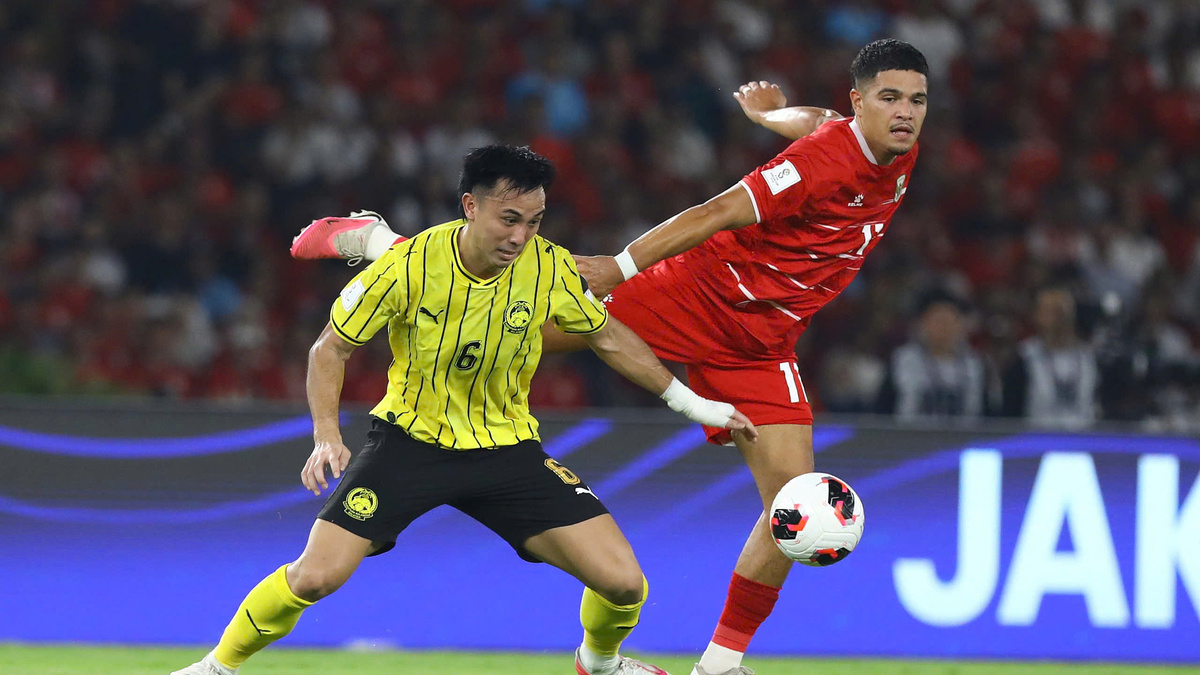
For the remaining 52 minutes of regulation time and the subsequent stoppage periods, the contest transformed into an endurance test. Malaysia, capitalizing on their numerical advantage, dominated possession and probed the Indonesian defensive lines, which were anchored by the composed presence of goalkeeper Maarten Paes. Despite several incisive runs from Malaysia’s winger Arif Aiman—who had previously demonstrated his form with a brace against Bangladesh—the Indonesian backline, supported by Kevin Diks and Calvin Verdonk, maintained its shape to secure a hard-fought point.
Chronology of the Group A Campaign
The path to this stalemate was paved by convincing performances in the opening round of the tournament. Both nations entered the September 28 clash with high confidence following successful debuts.
- September 24, 2026: Indonesia opened their tournament account with a clinical 2-0 victory over Singapore. The win highlighted the tactical maturity of the Indonesian squad, bolstered by the integration of diaspora players such as Thom Haye and Ragnar Oratmangoen.
- September 24, 2026: Malaysia made a statement of intent by dismantling Bangladesh 3-0. The match underscored the potency of Malaysia’s offensive transition, with Bergson marking his debut with a goal, signaling a lethal partnership with the experienced Arif Aiman.
- September 28, 2026: The marquee match at Gelora Bung Karno kicks off at 19:30 local time.
- 38th Minute: The match’s central drama occurs as a red card reduces Indonesia to ten players, effectively ending their ability to control the midfield and forcing a defensive pivot.
- Full Time: The match concludes 0-0, leaving both teams with four points in the Group A standings.
Tactical Profiles and Squad Depth
The 2026 iteration of this regional rivalry featured two squads that have arguably never been more sophisticated in their recruitment and tactical execution. Indonesia’s roster, characterized by a blend of local talent and high-level international experience, reflects a strategic investment in the national program. The inclusion of figures like Maarten Paes and Thom Haye has provided a backbone of composure that was evident throughout the second half of the match, as the team weathered wave after wave of Malaysian pressure.
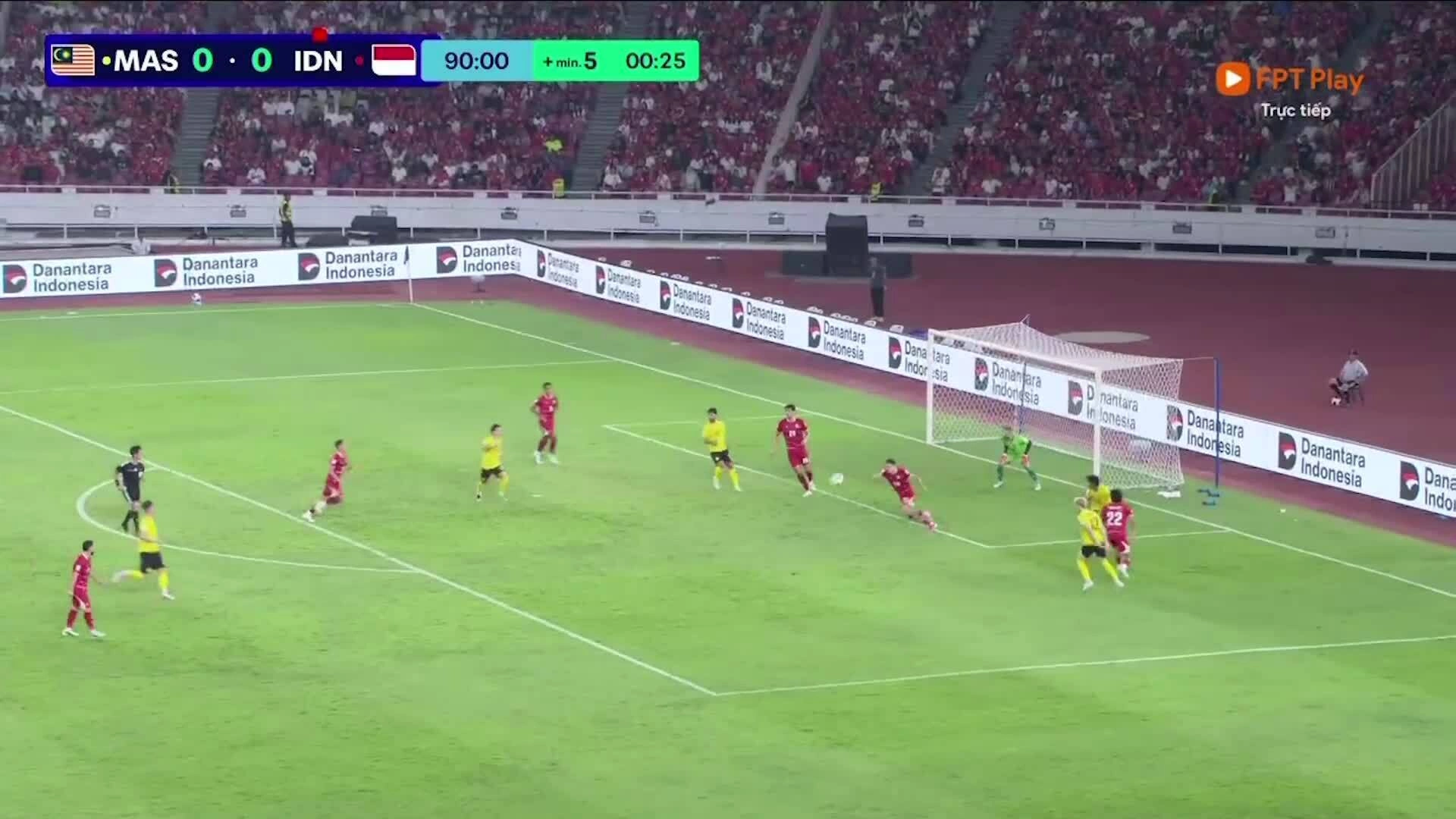
Conversely, Malaysia’s evolution under Tan Cheng Hoe has focused on fluidity and verticality. By utilizing players like Hidalgo and Nooa Laine, Malaysia has developed a midfield capable of rapid transitions. The reliance on Arif Aiman as a primary creative outlet remains a cornerstone of their strategy, though the Indonesian defense successfully stifled his most dangerous opportunities during the second half in Jakarta.
Historical Context and Regional Rivalry
The rivalry between Indonesia and Malaysia is one of the most intense in Southeast Asian football. Historically, these matches serve as a barometer for the health of both footballing associations. The most recent major encounter prior to this tournament occurred during the 2021 AFF Cup, where Indonesia secured a dominant 4-1 victory.
However, recent head-to-head statistics paint a more balanced picture. In their last five meetings, Indonesia has claimed three victories compared to two for Malaysia. This competitive parity was on full display at the Gelora Bung Karno; while the home fans expected a continuation of their dominant scoring form, the reality of international tournament football dictated a more cautious outcome.
Post-Match Analysis and Implications
The draw leaves Group A delicately balanced. With four points apiece, both Indonesia and Malaysia remain in a strong position to advance to the knockout stages, provided they maintain discipline in their final group matches.
From an analytical standpoint, the implications of this match are twofold:
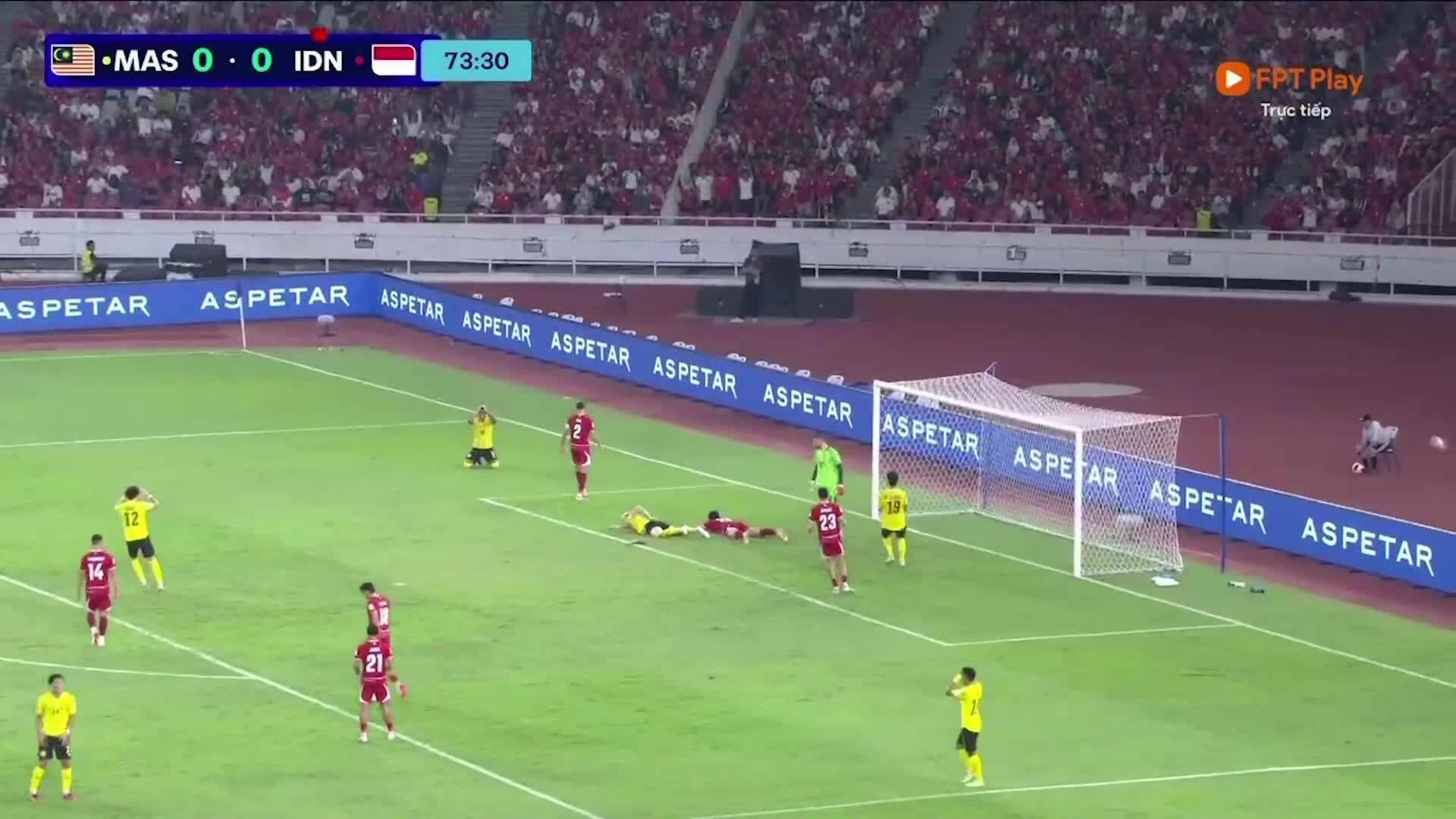
- Defensive Discipline as a Winning Trait: Indonesia’s ability to keep a clean sheet for over an hour with a numerical disadvantage is a testament to the tactical discipline instilled by their coaching staff. In tournament football, the capacity to grind out a point when circumstances are unfavorable is often the difference between a group-stage exit and a deep tournament run.
- Malaysia’s Challenge Against Low Blocks: While Malaysia’s offensive metrics have been high, their inability to break down a ten-man Indonesian defense will provide significant data for their coaching staff to analyze. Against teams that sit deep, Malaysia must find more creative solutions in the final third to translate possession into tangible goal-scoring opportunities.
Official Statements and Future Outlook
While no formal post-match press conference has fully disclosed the long-term impact of the red card, insiders suggest that the Indonesian coaching staff is satisfied with the grit displayed by the squad. The ability to neutralize a full-strength Malaysian side in the second half has provided the team with a psychological boost heading into the final round of fixtures.
Malaysia, meanwhile, views the result as a missed opportunity to take sole possession of the group lead. Despite the frustration of the draw, the team’s unbeaten start remains a positive indicator of their current form.
As the tournament progresses, the tactical flexibility shown by both managers—John Herdman for Indonesia and Tan Cheng Hoe for Malaysia—will be under intense scrutiny. With the group stage nearing its conclusion, the focus now shifts to whether these teams can sustain their physical intensity and tactical discipline in the face of mounting fatigue and the pressure of knockout qualification.
For the fans at Gelora Bung Karno, the match was a reminder that even in a scoreless draw, the high-stakes drama of the FIFA ASEAN Cup continues to captivate the region. The tournament now moves into its decisive phase, where every point, every goal, and every disciplinary decision will carry immense weight in the pursuit of the regional title. The focus for Indonesia will now turn to recovery and tactical adjustments, while Malaysia will look to refine their attacking movements to ensure they secure their path to the next round.