AI in Advertising: The Fine Line Between Hyper-Personalization and the Uncanny Valley


The rapid evolution of artificial intelligence has fundamentally transformed how modern enterprises approach marketing, consumer engagement, and digital advertising. This technological leap was a central theme of discussion at the International Conference on Economics, Finance, and Management (ICEFM) 2026, held on September 25 in Ho Chi Minh City. Organized by Sai Gon University, the academic forum brought together leading researchers and economists from around the globe to deliberate on sustainable economic development in an era of rapid transformation. Among the key topics explored was the paradox of AI-generated advertising: while automation enables brands to craft hyper-realistic, cost-effective campaigns at unprecedented speeds, pushing digital realism too far can inadvertently trigger the uncanny valley effect, leading to consumer alienation and reduced purchase intentions.
The integration of artificial intelligence into marketing workflows represents a significant paradigm shift for businesses striving to maintain a competitive edge. Traditionally, the creation of dynamic, high-engagement video content—particularly for fast-paced social media ecosystems like TikTok—demanded substantial investments of time, specialized human labor, and capital. For small and medium-sized enterprises (SMEs) operating on tight budgets, keeping pace with algorithmic demands for continuous content updates posed a formidable barrier to entry. Artificial intelligence has effectively democratized content production, allowing smaller brands to generate polished video assets rapidly and affordably. However, as academic presentations at ICEFM 2026 highlighted, this technological accessibility brings complex psychological and consumer-behavior challenges that organizations must carefully navigate.
The Psychological Mechanics of AI-Generated TikTok Advertising
During a prominent presentation at the conference, Master Nguyen Thuy Tuyet Nga from Sai Gon University shared compelling insights from her recent empirical research focusing on AI-generated TikTok advertisements and their psychological impact on Generation Z consumers. The study surveyed 302 active TikTok users aged 18 to 29, with a primary concentration of respondents located in Ho Chi Minh City, a major commercial and technological hub in Vietnam.
The research findings revealed that the perceived novelty and creativity of AI-generated content serve as critical catalysts in shaping viewer perception, directly influencing how "intelligent" an advertisement is perceived to be. When consumers evaluate an ad as clever or innovative, their cognitive friction decreases, fostering a higher level of content acceptance. This psychological acceptance subsequently translates into positive purchase intentions, validating the commercial viability of AI-driven marketing campaigns.
However, the study uncovered a nuanced and critical caveat: the relationship between human resemblance in AI content and consumer trust is non-linear. Specifically, the research identified that as AI-generated visuals attempt to mimic human beings with increasing precision while still retaining subtle behavioral or visual anomalies, viewers experience heightened feelings of creepiness and discomfort. This phenomenon, widely recognized in psychology and robotics as the uncanny valley effect, demonstrates that achieving high technical realism does not automatically equate to increased consumer comfort or brand trust.
"If AI-generated content makes digital avatars or virtual influencers look excessively human without achieving absolute perfection, it can trigger psychological aversion in the viewer," Nga explained during her session. "Consequently, advertisers must strike a delicate balance, focusing on naturalness and trustworthiness rather than attempting deceptive hyper-realism."
To mitigate these technical pitfalls, researchers recommend that enterprises leverage the cost efficiencies of AI while continuously experimenting with different tiers of automation across distinct target demographics. Businesses must prioritize creative integrity, actively identifying and correcting visual glitches, robotic cadences, or unnatural facial expressions before launching campaigns to public audiences.
The Evolution of Digital Commerce: From Traditional Channels to Virtual Spaces
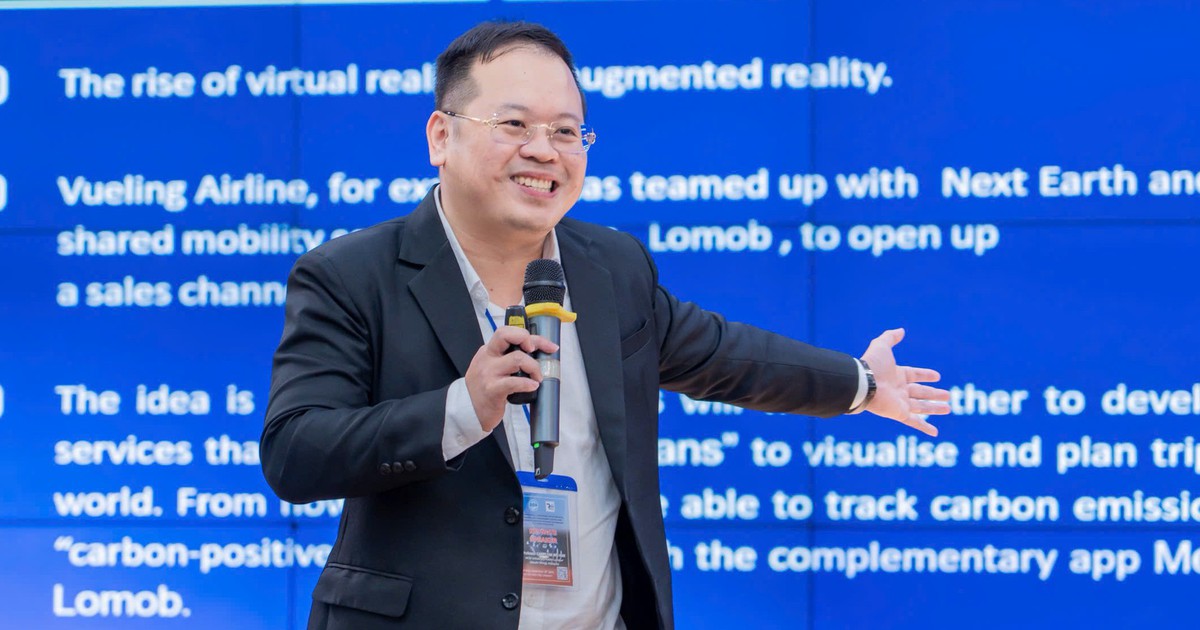
Expanding the discussion on technological disruption in global markets, Professor Dr. Garry Tan Wei Han from UCSI University in Malaysia delivered an expansive keynote address examining the historical trajectory of consumer shopping behaviors and the emergence of immersive commercial environments. Tracing the evolution of retail over the past four decades, Professor Tan illustrated how commercial transactions have migrated through successive waves of digital innovation.
Reflecting on the retail landscape of thirty to forty years ago, Professor Tan noted that consumers relied almost exclusively on physical travel to traditional brick-and-mortar agencies and storefronts to purchase travel tickets, goods, and services. The advent of electronic commerce subsequently shifted consumer habits toward desktop computers, before smartphones migrated these financial activities directly into the pockets of everyday users. Social media platforms later matured into integrated sales channels, merging entertainment with instantaneous purchasing capabilities.
According to Professor Tan, the next definitive frontier in global commerce is virtual commerce, or v-commerce, wherein the metaverse integrates directly into the daily consumer transaction space. "The metaverse, functioning as a sophisticated three-dimensional digital environment, is fundamentally reshaping how we interact, how we learn, and most importantly, how we shop and experience products," Tan stated.
This technological evolution transcends mere shifts in sales channels; it fundamentally redefines how consumers evaluate products and services prior to making financial commitments. By leveraging virtual reality and spatial computing, consumers can explore physical destinations, test products, and evaluate services within simulated digital environments long before finalizing a transaction.

To contextualize this shift, Professor Tan provided a practical example from the tourism sector. A consumer residing in a foreign country can now utilize metaverse platforms to virtually tour popular urban landmarks, such as the bustling Bukit Bintang district or the iconic Petronas Twin Towers in Kuala Lumpur, without requiring physical presence. This immersive journey transforms the consumer experience from passive observation of traditional advertisements on flat screens to active engagement and experiential exploration within simulated digital ecosystems.
Strategic Implications for Modern Enterprises
For businesses operating in an increasingly competitive global economy, the expansion of digital touchpoints offers unprecedented opportunities to capture consumer attention. Modern marketing strategies now require brands to seamlessly bridge the gap between traditional media, e-commerce platforms, mobile applications, social networks, and emerging spatial computing environments.
Nevertheless, experts at ICEFM 2026 cautioned that transitioning marketing operations into virtual and AI-driven environments is not without systemic risks. The proliferation of hyper-personalized AI advertising and virtual retail spaces raises critical regulatory and ethical concerns surrounding consumer data privacy, cybersecurity vulnerabilities, and the escalating threat of sophisticated identity theft and deepfake manipulation. As regulatory frameworks struggle to keep pace with technological advancements, enterprises must proactively establish ethical guidelines to protect consumer data and maintain brand integrity.
Ultimately, the insights emerging from the International Conference on Economics, Finance, and Management 2026 underscore a vital takeaway for contemporary enterprises: technological tools such as artificial intelligence and the metaverse are powerful accelerators of business growth, but their long-term effectiveness depends entirely on human-centric strategy. Organizations that successfully harmonize technological efficiency with psychological empathy, data transparency, and genuine creative expression will lead the next wave of sustainable economic development in the digital age.