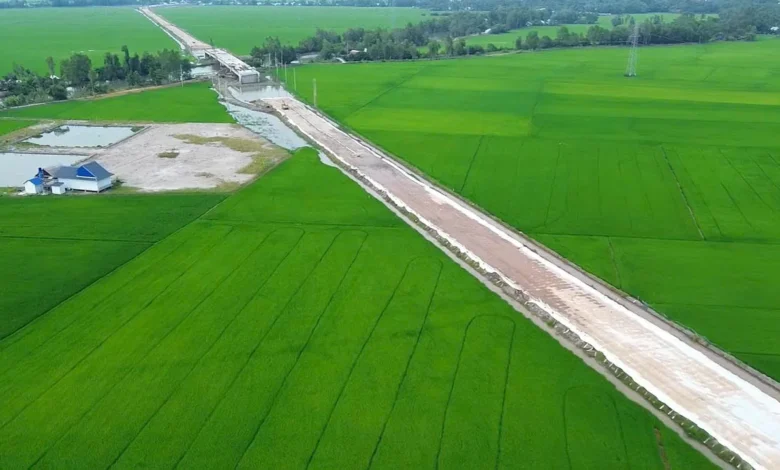
A recent inspection conducted by the An Giang Provincial Inspectorate has uncovered significant irregularities regarding compensation, support, and resettlement policies associated with the ongoing Ho Chi Minh Road project, specifically the segments connecting Rach Soi – Ben Nhat and Go Quao – Vinh Thuan. Among the most glaring issues identified is an inflated compensation payment for a residential structure, which resulted in an excess disbursement of over 420 million VND. This finding has prompted provincial authorities to order an immediate recovery of funds and a thorough review of the administrative processes governing infrastructure development in the region.
The Anatomy of an Overpayment
The investigation into land acquisition and site clearance activities revealed that a residential structure owned by a resident named Nguyen Thi Nguyet Thu in Go Quao district had been incorrectly classified. Initially, the project’s compensation scheme categorized the building as a "Grade III permanent structure," applying a valuation of 4.6 million VND per square meter. Based on this assessment, the local authorities concluded that 4 square meters were damaged and 167 square meters were impacted, resulting in a total compensation payout of approximately 642 million VND.
However, a subsequent audit by specialized agencies revealed that the structure was, in reality, a prefabricated building with a significantly lower market value, estimated at just over one million VND per square meter. Furthermore, the survey regarding the physical area impacted by the construction was found to be inaccurate; the actual affected area was determined to be 115 square meters, rather than the 167 square meters initially reported.
Following the recalculation based on these corrected figures, the actual compensation due to the property owner is approximately 221 million VND. The discrepancy between the initial payment and the corrected valuation amounts to a surplus of 420 million VND, which the Inspectorate has now mandated for recovery.
Systematic Irregularities in Compensation Files
Beyond the specific case of the inflated residential compensation, the Inspectorate’s audit identified a broader pattern of procedural failures. A review of 43 separate files related to vocational training, job transition, and employment assistance revealed that many had been processed in violation of established legal regulations.
One of the most concerning findings involved the eligibility criteria for support payments. The investigation noted that several individuals who held official land use certificates—including civil servants, public employees, and those currently receiving retirement pensions—had been included in assistance schemes specifically designed for family members of affected residents. This inclusion suggests a lack of rigorous vetting or potential favoritism during the eligibility screening phase, undermining the integrity of the compensation framework.
Furthermore, the audit highlighted issues with land transfer documentation. There were 16 identified cases where land use rights were transferred without meeting the necessary legal requirements. Specifically, four of these cases involved hand-written sales agreements where the transferor possessed a land plot, but the parcel did not meet the legal criteria for subdivision. In the remaining 12 cases, the land transfer process was deemed incomplete, as the parties had failed to fulfill their financial obligations to the state, such as required taxes and registration fees.
Context of the Ho Chi Minh Road Project
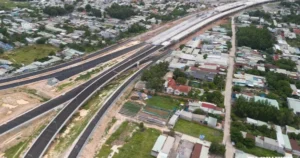
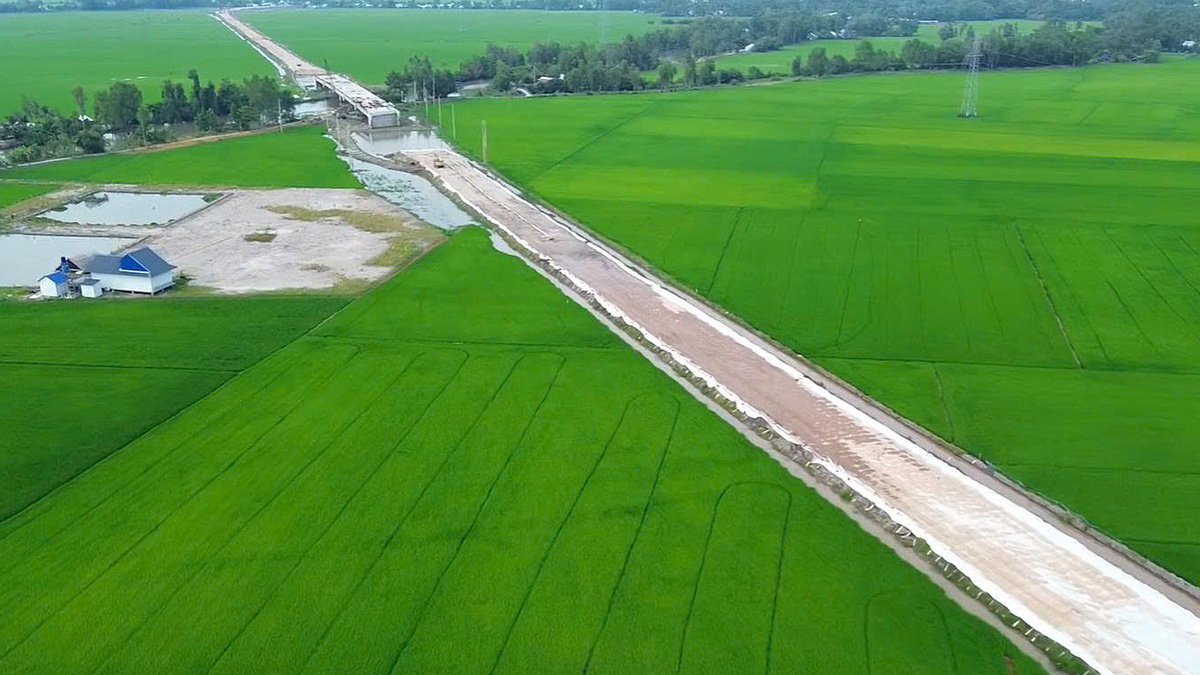
The Ho Chi Minh Road project, which connects the provinces of Kien Giang and Bac Lieu, serves as a vital artery for regional development in the Mekong Delta. Spanning nearly 52 kilometers, the project has an estimated total investment of approximately 3.9 trillion VND. Construction began in March 2024, with the stated goal of improving logistics, reducing transport costs, and fostering economic growth across the provinces of An Giang, Kien Giang, and Bac Lieu.
The project is considered a key infrastructure priority, intended to alleviate traffic congestion and provide a safer, more efficient alternative to existing provincial roads. However, the scale and complexity of land acquisition in densely populated or agricultural zones frequently present challenges. The current findings underscore the difficulties local governments face in balancing the pace of construction with the stringent requirements of administrative oversight and fiscal accountability.
Official Response and Accountability
In light of the findings, the An Giang Provincial Inspectorate has issued a series of firm directives. All relevant units and agencies involved in the site clearance, appraisal, and approval of the compensation plans have been ordered to recover the improperly disbursed funds. The Inspectorate has also requested that these agencies submit reports detailing the timeline and success of these recovery efforts.
Perhaps more significantly, the Inspectorate has initiated a formal inquiry into the accountability of the leadership and individual personnel who participated in the compensation and site clearance process. This includes those responsible for the initial appraisal and the final approval of the compensation schemes. By holding these officials accountable, the provincial government aims to restore public trust and ensure that future project phases adhere strictly to transparency and legal standards.
Broader Implications for Infrastructure Development
The situation in An Giang serves as a cautionary tale regarding the risks of inadequate oversight in public infrastructure projects. When large-scale capital is deployed rapidly to meet construction deadlines, the pressure to clear land quickly can sometimes lead to shortcuts in the verification of property titles, structural assessments, and beneficiary eligibility.
For the regional authorities, the primary implication is the necessity of digitizing and centralizing land data. Many of the errors identified, such as the confusion between permanent structures and prefabricated ones, or the failure to verify the employment status of beneficiaries, could potentially be mitigated through more robust, transparent, and technology-driven administrative systems.
Moreover, the financial recovery process is not merely a budgetary matter; it is a signal of the government’s commitment to anti-corruption efforts. By addressing these discrepancies, the An Giang administration is demonstrating that even minor irregularities in local-level execution will be subject to scrutiny.
As the Ho Chi Minh Road project continues toward its completion, the eyes of the public and oversight bodies will remain fixed on how these corrections are implemented. The success of the project will ultimately be measured not just by the speed of construction or the quality of the asphalt, but by the integrity with which the rights of the local population are protected and the efficiency with which public funds are managed. The provincial government now faces the task of balancing the urgent need for infrastructure development with the imperative of maintaining strict adherence to the rule of law.