Can Papaya Leaves Cure Cancer Fact Checking the Viral Claims and Medical Realities

The rise of social media as a primary source of health information has frequently given new life to traditional remedies, sometimes with perilous consequences for vulnerable populations. Among the most persistent recent trends circulating across digital platforms is the claim that consuming extracts, teas, or decoctions made from papaya leaves can effectively cure various types of cancer. This viral narrative has gained significant traction among patients seeking alternative or complementary therapies after receiving a cancer diagnosis. However, the medical and scientific community has repeatedly urged caution, emphasizing that translating preliminary laboratory observations into clinical certainties is not only scientifically inaccurate but potentially life-threatening.
To address these widespread misconceptions, medical experts, including pharmacologists and oncologists, have stepped forward to clarify what science actually knows about the papaya plant, its chemical constituents, and its genuine limitations in oncology. While papaya leaves hold a recognized place in ethnobotanical history and modern laboratory investigation, healthcare professionals stress that they are far from being a standalone cure for malignant tumors.
Botanical Background and Traditional Uses of Carica Papaya
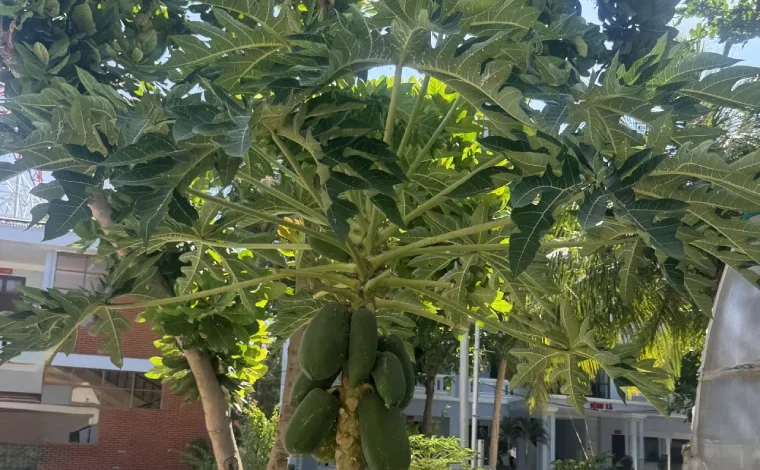
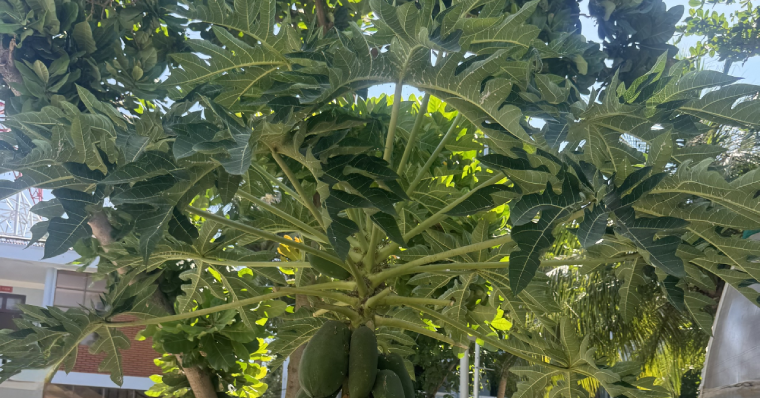
Carica papaya Linn, commonly known as the papaya tree, is a large, fast-growing herbaceous plant belonging to the Caricaceae family. Originating in tropical America, it has successfully adapted and is now cultivated extensively across tropical and subtropical regions worldwide, including Vietnam. Typically growing between 3 and 10 meters in height with a hollow stem and deeply lobed leaves clustered near the top, the papaya plant is remarkably resilient and thrives in diverse climatic conditions, yielding high agricultural productivity.
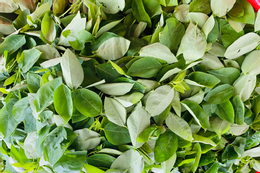
Historically, various parts of the papaya plant—including the fruit, seeds, latex, and leaves—have been utilized in traditional folk medicine systems across Latin America, Asia, and Africa. Papaya leaves, in particular, have a long-standing reputation for possessing antimicrobial, antifungal, anti-inflammatory, antipyretic, and anti-parasitic properties. In many rural communities, decoctions of the leaves have been traditionally brewed to manage symptoms associated with malaria, dengue fever, and gastrointestinal disturbances.
Despite these documented traditional applications, historical pharmacopoeias and traditional medical texts do not support the notion that papaya leaves or their derivatives possess tumor-curing properties. The contemporary belief in their anti-cancer efficacy stems largely from misinterpretations of recent in vitro laboratory studies rather than validated clinical trials involving human subjects.
Evaluating the Scientific Evidence In Vitro Versus In Vivo Realities
In recent years, the pharmacological potential of papaya leaf extracts has attracted the attention of researchers aiming to isolate bioactive compounds that might target malignant cells. Several laboratory studies have investigated the anti-cancer potential of Carica papaya leaf extracts, yielding findings that are frequently misinterpreted by non-specialists online.
Controlled in vitro experiments—those conducted in test tubes or cell cultures—have occasionally demonstrated that concentrated papaya leaf extracts can exert growth-inhibitory effects on certain human cancer cell lines. These studies have documented reductions in cancer cell proliferation and, in some cases, the induction of apoptosis, or programmed cell death, in specific malignant cells under strict laboratory parameters.
However, researchers involved in these studies are universally quick to emphasize the immense gap between in vitro results and actual human physiology. Cell cultures lack the complex biological environment, metabolic processing, immune systems, and organ interactions present in a living human body. A compound that demonstrates toxicity toward isolated cancer cells in a Petri dish at a specific concentration may be entirely metabolized, neutralized, or rendered ineffective before ever reaching a tumor in a patient. Consequently, medical toxicologists and pharmacologists maintain that it is scientifically invalid to extrapolate laboratory cell experiments into a proven human cancer cure.
Chemical Composition and Bioactive Compounds Explained
The scientific rationale for investigating papaya leaves lies in their rich phytochemical profile. Phytochemical analyses have revealed that papaya leaves and flowers contain a diverse array of bioactive compounds, most notably flavonoids such as kaempferol, quercetin, and quercitrin, alongside various alkaloids and papain enzymes.
Flavonoids are well-known dietary antioxidants that help neutralize free radicals, reduce oxidative stress, and modulate inflammatory pathways in human tissues. These biological activities explain why papaya leaf extracts exhibit legitimate anti-inflammatory and antimicrobial properties in controlled settings. Nevertheless, the mere presence of these beneficial antioxidants does not equate to a pharmaceutical dosage capable of eradicating cancer in a human body.
Furthermore, the pharmacokinetics and pharmacodynamics—how a drug is absorbed, distributed, metabolized, and excreted by the body—of these leaf compounds remain insufficiently evaluated in comprehensive clinical settings. The safety margins, potential adverse effects, and optimal therapeutic windows for human consumption of concentrated papaya leaf preparations have yet to be established through rigorous Phase I, II, and III clinical trials.
Potential Risks, Toxicity, and Contraindications
While consuming papaya fruit as part of a balanced diet is safe and nutritious, utilizing concentrated forms of the leaves and flowers requires extreme caution. Because comprehensive toxicological evaluations for long-term or high-dose papaya leaf consumption are lacking, researchers warn of several potential health hazards.
When brewed as a strong tea and consumed continuously as a replacement for drinking water, papaya leaf preparations can irritate the gastrointestinal tract. Individuals with pre-existing conditions such as gastritis, peptic ulcers, or sensitive digestive linings are particularly vulnerable to adverse gastrointestinal reactions. Moreover, specific demographic groups—including children, pregnant women, and nursing mothers—are advised to avoid concentrated herbal remedies derived from papaya leaves due to the absence of safety data confirming they are free from teratogenic or developmental risks.
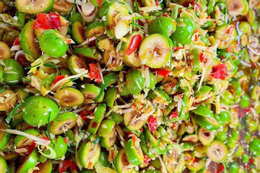
The most critical danger, however, concerns cancer patients undergoing established medical treatments such as chemotherapy, radiotherapy, or targeted immunotherapy. Relying on unverified herbal alternatives or self-prescribed leaf extracts as a substitute for standard oncological care poses an existential threat to patients.
The Danger of Delaying Evidence-Based Oncological Care
Oncologists and healthcare administrators have repeatedly expressed alarm over the phenomenon of cancer patients abandoning or postponing conventional medical interventions in favor of unverified alternative therapies promoted on social media.
When a patient diagnosed with a treatable malignancy—such as colorectal cancer, breast cancer, or lung cancer—chooses to delay evidence-based treatment to pursue unregulated herbal regimens, the disease is allowed to progress unchecked. Cancer management relies heavily on early detection, timely surgical intervention, and precise pharmacological protocols. Lapsing out of the clinical care pipeline during critical therapeutic windows dramatically diminishes survival rates and severely limits future treatment options.
Medical experts emphasize that integrative oncology—the combination of conventional cancer treatments with supportive, evidence-informed complementary therapies—can play a valuable role in patient well-being, provided it is managed transparently. Patients who wish to incorporate dietary supplements, herbal teas, or nutritional adjustments into their daily routines should consistently consult their primary oncologists or qualified clinical nutritionists before doing so. Open communication ensures that any complementary substance will not interact adversely with chemotherapy medications, compromise liver or kidney function, or interfere with the primary treatment plan.
Broader Implications of Health Misinformation on Digital Platforms
The widespread dissemination of unverified medical claims regarding natural cancer cures highlights a broader systemic vulnerability within modern digital information ecosystems. Social media algorithms, designed to maximize engagement, frequently amplify sensationalized health narratives that promise simple, accessible, and inexpensive solutions to complex, life-threatening diseases.
This phenomenon places an immense burden on public health institutions, academic medical centers, and practicing physicians, who must constantly counter misinformation with evidence-based education. Public health advocates argue that digital literacy and basic scientific critical thinking must become integral components of community healthcare outreach, empowering individuals to distinguish between preliminary laboratory research and clinically validated medical treatments.
Ultimately, while the natural world offers a vast reservoir of chemical compounds that continue to inspire modern pharmaceutical drug discovery, turning a plant leaf into a proven medicine requires years of rigorous scientific testing, safety trials, and regulatory oversight. Until such rigorous evidence emerges for papaya leaf extracts in human clinical trials, patients and their families are strongly urged to rely on established medical science and professional guidance to navigate the challenges of cancer treatment safely and effectively.