64 defendants sentenced in mass breakout and riot at An Giang drug rehabilitation facility

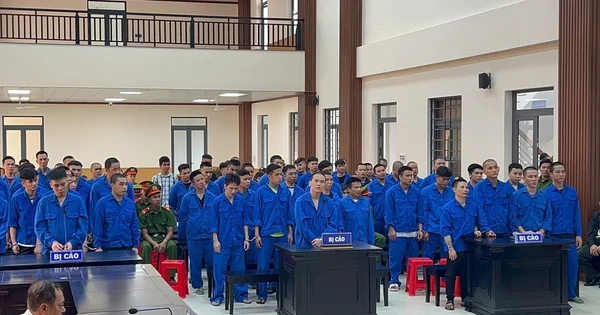
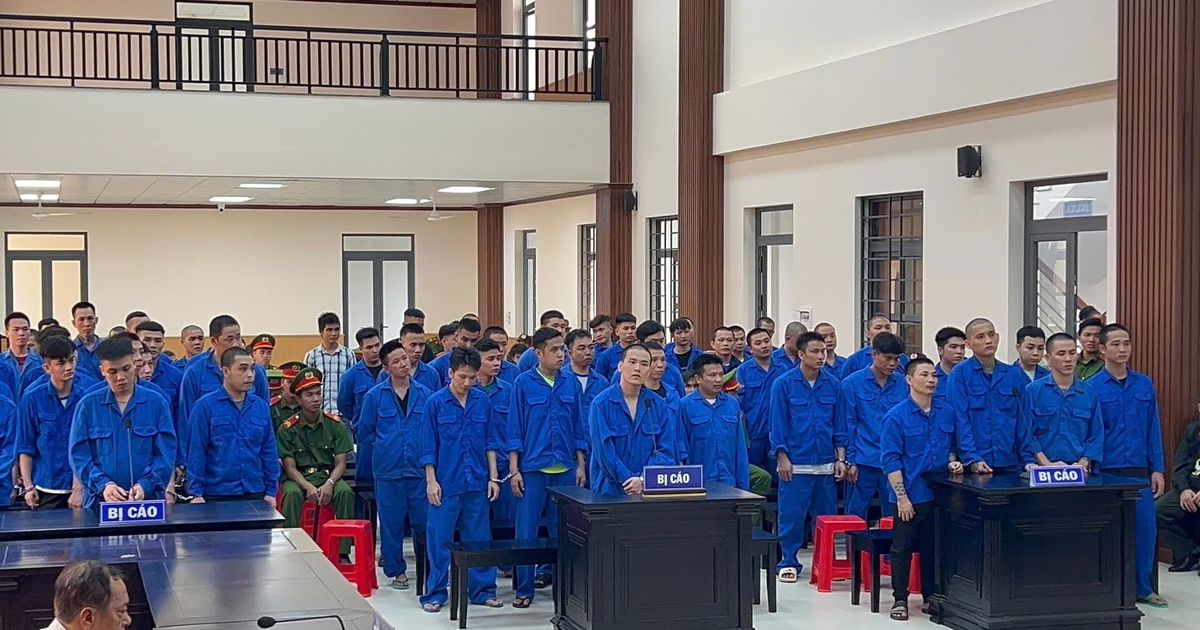
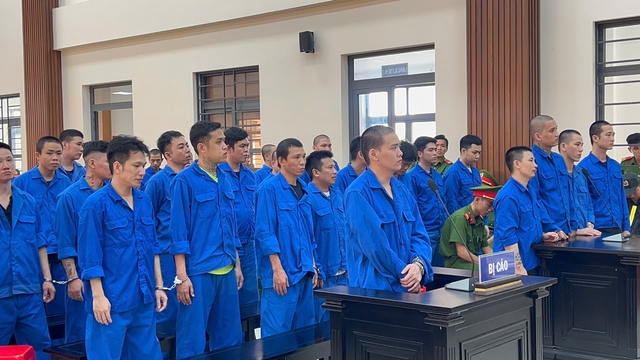
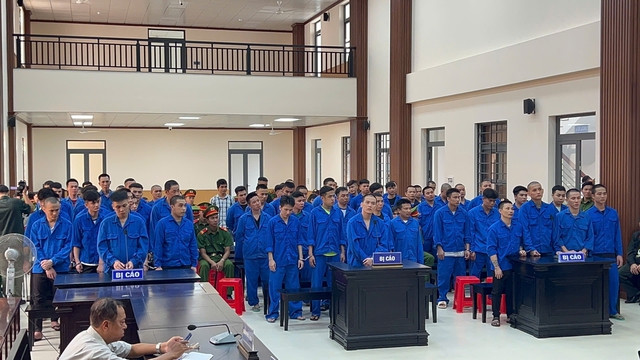
The People’s Court of An Giang province concluded a high-profile trial on September 19, 2026, delivering verdicts for 64 individuals involved in a violent mass escape and riot at the Drug Rehabilitation Facility No. 2, located in My Thuan commune, An Giang province. The incident, which occurred on October 5, 2025, saw over 300 inmates overwhelm staff, breach facility security, and clash with law enforcement, marking one of the most significant security failures at a detention center in the region in recent years.
The legal proceedings, which spanned three days, addressed multiple charges including public disorder, resisting law enforcement officers on duty, intentional infliction of injury, and theft of property.
Chronology of the October 5 Disturbance
The unrest began at approximately 1:00 PM on October 5, 2025. According to the indictment presented by the An Giang Provincial People’s Procuracy, the catalyst for the insurrection was a dispute regarding the facility’s strict enforcement of a ban on cigarette consumption. The prohibition of smoking triggered a cascade of frustration among the resident population, which quickly escalated from verbal complaints into a coordinated act of defiance.
Nguyen Van So (33, of Rach Gia City) was identified as the primary agitator. He was instrumental in mobilizing more than 300 inmates, inciting them to move from their living quarters to the facility’s central administrative area. The inmates utilized improvised weapons—including wooden clubs, metal pipes, and stones—to dismantle interior doors and breach the perimeter fencing.
As the situation deteriorated, a breakaway group of seven defendants, including Nguyen Thanh Ai, Huynh Phu So, and Nguyen Minh Duc, engaged in direct physical assaults against facility staff. During the chaos, defendant Nguyen Hai Van (30, of Phu Quoc) struck a rehabilitation official, Nguyen Huynh Cuong, with a mop handle, inflicting a 12% permanent injury.
The riot spilled beyond the facility walls. When police units attempted to establish a cordon to contain the fleeing inmates, they were met with further violence. Several defendants, refusing to surrender, continued to throw projectiles at the officers, resulting in varying degrees of injury to four law enforcement personnel, with damage reports ranging from 6% to 28% physical impairment.
Sentencing and Legal Outcomes
The court’s verdict reflects the severity of the charges and the individual roles played by the defendants in the insurrection. Nguyen Van So, identified as the primary orchestrator, was sentenced to three years and three months in prison for his role in leading the disturbance. Nguyen Hai Van received a more stringent sentence of five years and six months for the cumulative charges of intentional injury, theft of property, and leading the public disorder.
The remaining 62 defendants received sentences ranging from three months and 29 days to four years and six months of imprisonment, with some receiving suspended sentences depending on their specific involvement and demonstrated remorse. The wide range of sentencing reflects the judicial effort to differentiate between those who acted as ringleaders and those who were coerced or followed in the heat of the moment.
Broader Context and Facility Challenges
The incident at Facility No. 2 highlights the ongoing challenges facing the Vietnamese drug rehabilitation system. These centers are tasked with the detoxification and social reintegration of individuals with substance use disorders, but they often struggle with overcrowding, limited resources, and the management of high-risk populations.
Data from the region suggests that the psychological stress of involuntary detoxification, combined with restricted personal freedoms, creates a volatile environment. The 2025 riot is not an isolated event; similar, though smaller-scale, breakouts have been reported in provinces like Soc Trang, indicating a systemic issue regarding facility management and the psychological support provided to those in custody.
The facility in An Giang, like many others, has been under pressure to accommodate a rising number of individuals sent for compulsory rehabilitation. Experts note that when staffing ratios are low and internal tensions remain unaddressed, the potential for mass mobilization remains high. The inability to resolve grievances—such as the smoking ban—through established administrative channels led directly to the violent outburst on that October afternoon.
Impact on Law Enforcement Protocols
The riot serves as a critical case study for law enforcement agencies regarding the containment of mass unrest within custodial settings. The injuries sustained by four police officers underscore the danger inherent in managing large-scale escapes. Since the incident, authorities in An Giang have initiated a review of safety protocols at all rehabilitation facilities.
Key areas of concern include:
- Security Infrastructure: The ease with which inmates were able to use facility components (fencing and doors) as weapons suggests a need for hardened infrastructure.
- Conflict Resolution: The absence of a formal, trusted mechanism for inmates to raise complaints meant that minor grievances were allowed to fester until they reached a breaking point.
- Contingency Planning: The speed with which the riot grew from a small group to over 300 individuals suggests that existing alarm and rapid-response systems were insufficient for the scale of the crisis.
Official Responses and Future Implications
While the trial has concluded, the incident has left a lasting impact on the local community. The theft of motorcycles from local residents by escaping inmates, including the case involving Nguyen Hai Van, caused significant alarm among the civilian population surrounding the facility.
Local government officials and rehabilitation authorities have emphasized that they are taking steps to enhance the security and rehabilitation quality of these institutions. However, the legal implications remain severe. The prison sentences handed down to the 64 defendants are intended not only to punish the specific acts of violence but also to serve as a deterrent against future attempts to undermine state authority within the rehabilitation system.
Moving forward, the An Giang Provincial People’s Committee is expected to increase oversight of administrative staff and implement more rigorous background screenings for those placed in these facilities. The focus remains on transitioning from a purely custodial model to one that incorporates more effective psychological rehabilitation, which researchers argue is the only long-term solution to preventing the cycle of violence and recidivism that plagues these institutions.
The sentencing marks the end of a difficult chapter for An Giang’s public safety sector, but the systemic questions surrounding the management of drug rehabilitation centers remain at the forefront of the public policy agenda in the province. As these 64 individuals begin their sentences, the authorities face the daunting task of ensuring that such a massive breach of order does not occur again.