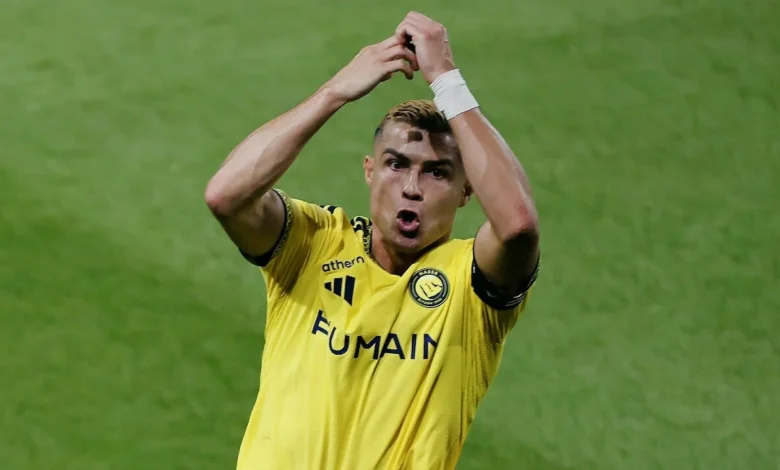
Cristiano Ronaldo reaffirmed his status as a pivotal figure for Al Nassr, delivering a decisive performance to secure a 2-1 victory over Abha in the sixth round of the Saudi Pro League. The match, held at the Al-Awwal Park stadium in Riyadh, served as a crucial redemption moment for the club, which had suffered a demoralizing defeat to Al Ittihad just four days prior—a result that briefly unsettled their standing at the top of the league table. With this victory, Al Nassr has re-established its momentum, keeping pace in a fiercely competitive title race.
A Masterclass in Aerial Dominance
The narrative of the match was largely defined by Ronaldo’s relentless offensive output. From the opening whistle, the Portuguese forward demonstrated a high level of intensity, signaling his intent to recover the points lost in the previous round. His persistence paid off in the 22nd minute. Following a well-executed corner kick by teammate Angelo, who whipped a dangerous ball into the heart of the penalty area, Ronaldo rose above the Abha defensive line with his trademark leap. The resulting header was clinical, finding the top left corner of the net—a strike that left the goalkeeper with no chance despite the ball grazing the post on its way in.
This goal marked the 979th of his storied professional career, narrowing the gap to the historic 1,000-goal milestone to just 21 strikes. Throughout the 90 minutes, Ronaldo maintained a constant presence in the final third, attempting eight shots and constantly testing the Abha defensive structure. His performance was not limited to goal-scoring; he acted as a tactical focal point, drawing markers and creating space for his teammates, including a notable contribution in the build-up play that led to Abdullah Al-Hamdan’s goal in the 58th minute.
Chronology of the Match
The match began with Al Nassr exhibiting a high-pressing strategy. Within the first six minutes, Ronaldo narrowly missed the target with a left-footed attempt, setting the tone for a high-volume attacking display. By the 15th minute, the home side had effectively pinned Abha back into their own half.
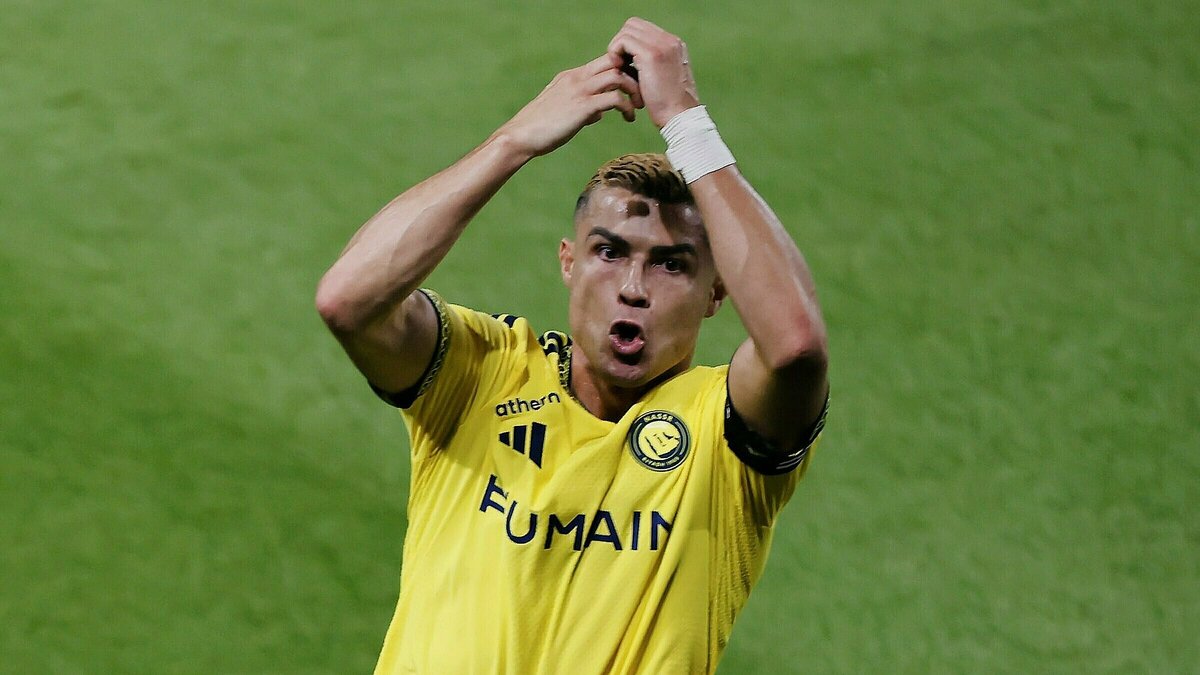
The breakthrough came at the 22nd minute, providing the necessary composure for Al Nassr to control the tempo. As the first half progressed, Ronaldo continued to press for a second, including an acrobatic effort in the 38th minute where he received the ball with his back to the goal, turned, and struck a powerful shot that rattled the upright.
The second half saw Al Nassr double their lead early through Al-Hamdan, which proved vital as Abha began to mount a late-game surge. Despite a period of sustained pressure from the visitors, Al Nassr’s defense held firm. In the 88th minute, Ronaldo nearly added a late insurance goal, but Abha’s goalkeeper, Donovan Leon, made a crucial save to deny the veteran striker. The final whistle confirmed a 2-1 result, cementing Al Nassr’s recovery.
Strategic Context and League Implications
The 2026-2027 season of the Saudi Pro League has emerged as one of the most competitive iterations in the competition’s history. With the victory, Al Nassr moved to 15 points, locking into a three-way tie at the summit of the table alongside Al-Hilal and Al-Qadsiah. The parity among these top-tier clubs suggests that every match, particularly those against mid-table opposition like Abha, carries significant weight for the final league standings.
The defeat to Al Ittihad earlier in the week had raised questions regarding the consistency of Al Nassr’s tactical setup. Head coach and technical staff had been under pressure to ensure that the team did not suffer a downward spiral. This victory, while narrow, is viewed by pundits as a stabilization of the locker room morale. By securing three points, the team has successfully mitigated the risk of falling behind early in the title race, which is critical given the squad depth and ambition of their primary rivals.
Statistical Milestones and Future Outlook
Ronaldo’s pursuit of the 1,000-goal milestone remains the central sub-plot of the current season. Having reached 979 goals, he is averaging a prolific rate that keeps the target well within reach before the conclusion of the 2026-2027 campaign. His physical conditioning, characterized by his ability to maintain high-intensity jumping and movement well into the late stages of the match, continues to be a subject of admiration among analysts.
Beyond the individual statistics, the chemistry between Ronaldo and the newer arrivals in the squad, such as Angelo, appears to be maturing. The assist provided for the opening goal was a direct result of tactical drills aimed at exploiting set-piece opportunities, a facet of Al Nassr’s game that has become increasingly lethal.
Reactions and Looking Ahead
While official post-match press conferences were brief, there was a palpable sense of relief within the Al Nassr camp. The focus has already shifted to their next challenge: an away match against Al Khaleej scheduled for September 12.
The coaching staff is expected to emphasize defensive concentration during the upcoming week, as the final minutes against Abha highlighted a vulnerability to counter-attacks when the team commits too many players forward. However, the overall assessment remains positive. The ability to bounce back from a loss with a disciplined and aggressive performance is a hallmark of championship-caliber teams.
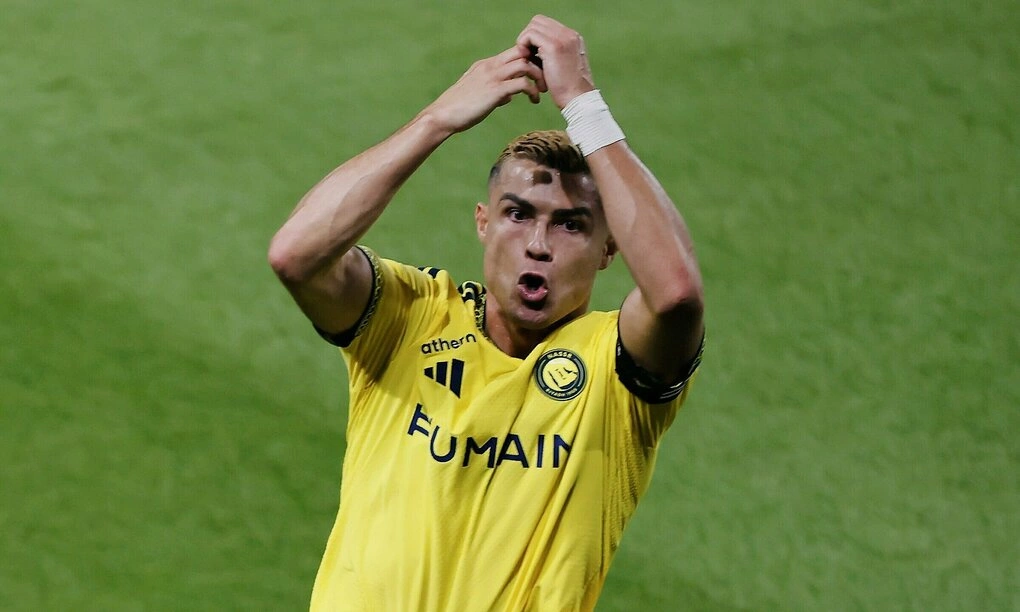
For the fans, the sight of Ronaldo celebrating his goal with his customary precision and flair served as a reminder of the quality he brings to the Saudi Pro League. As the league table remains congested at the top, Al Nassr’s ability to rely on the experience of their captain will be paramount. Whether or not they can maintain this pace throughout the grueling winter schedule will likely determine their success in reclaiming the league title.
As the season progresses, the eyes of the footballing world will remain fixed on Riyadh, not only to track the progress of the league’s title race but to witness the historic march of Cristiano Ronaldo toward a goal-scoring threshold that may stand for generations. The performance against Abha was more than just a win; it was a statement of intent that Al Nassr remains a formidable force, fully equipped to challenge for the highest honors in Saudi football.