Ukraine Bolsters Energy Infrastructure and Warns of Severe Funding Deficits Ahead of Winter


As the European continent braces for the colder months, Ukraine has intensified its multi-layered efforts to safeguard its vulnerable power grid and vital infrastructure against potential military onslaughts. According to a recent assessment published by the Kyiv Independent and detailed by senior Ukrainian officials, the nation’s capacity to endure the upcoming winter season has improved significantly compared to previous years. However, this defensive resilience stands in sharp contrast to acute financial vulnerabilities, as Kiev continues to grapple with a massive budgetary shortfall in its national defense sector.
The juxtaposition of strengthened physical security measures against a backdrop of severe fiscal constraints paints a complex picture of a nation attempting to maintain civilian stability while sustaining a protracted war of attrition. While government ministries, regional administrations, and state-owned enterprises have coordinated extensively to build robust fallback mechanisms, the threat of sustained aerial bombardments remains a persistent hazard that could strain emergency response systems to their absolute limits.
Enhanced Preparations for a Challenging Winter
In late September, Ukrainian leadership addressed the nation’s readiness for the heating season, emphasizing a proactive approach inspired by the severe disruptions experienced in prior years. Unlike earlier phases of the conflict, when energy networks were caught largely unprepared for systematic destruction, the current strategy involves decentralized safeguards, extensive stockpiling of emergency repair parts, and the hardening of critical facilities.
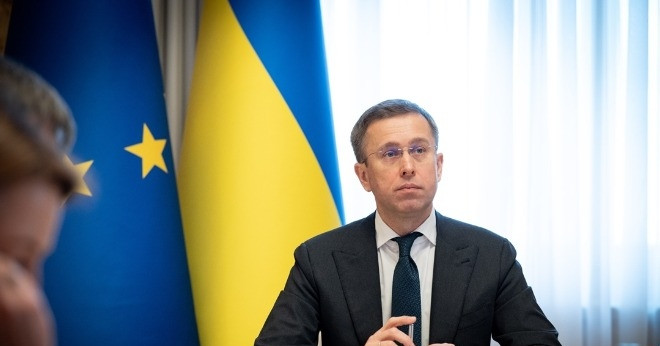
According to statements highlighted by Ukrainian officials, extensive collaborative efforts involving the central government, local authorities, and key utility enterprises have yielded a much stronger baseline of preparation. Many vulnerable infrastructural sites have been equipped with alternative diesel power sources to ensure continuous operation during grid failures. Furthermore, critical logistical hubs and sub-stations have been reinforced with physical protective barriers designed to mitigate damage from shrapnel and close-range concussive blasts.
The government has also focused heavily on logistical readiness. Kiev has accumulated substantial inventories of spare parts, heavy machinery, and mobile generator units. These assets are strategically positioned across the country to enable rapid repair crews to mobilize immediately following any targeted attacks on the electrical grid. Despite these exhaustive measures, authorities remain under no illusions regarding the scale of the threat. Intelligence reports indicate that opposing forces have been actively stockpiling unmanned aerial vehicles (UAVs) and long-range precision missiles, signaling an intent to resume widespread campaigns against energy infrastructure as temperatures drop.
The 155 Billion Dollar Question: Explaining Defense Budget Gaps
While physical preparations for the winter months show notable improvement, the broader financial architecture supporting Ukraine’s defense and state functions faces unprecedented strain. In recent statements, Ukrainian leadership elaborated on the stark realities of the national budget, revealing a massive deficit that threatens the country’s long-term procurement capabilities.
Ukraine requires a minimum of 155 billion USD to sustain its defense operations and maintain national stability over the course of the year. This aggregate figure encompasses all direct and indirect expenditures associated with the conflict, incorporating both domestic budgetary allocations and external military and logistical assistance provided by international allies.
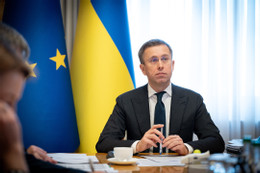
To bridge this monumental gap, Kiev has been actively preparing financial documentation to secure a major loan exceeding 100 billion USD from European partners. Within this broader financial framework, approximately 27 billion USD is explicitly earmarked to cover immediate shortfalls within the national defense and security budget. This segment of the financing is critical for maintaining the uninterrupted acquisition of military hardware, ammunition, and logistical support necessary for front-line operations.
The urgency of these financial arrangements was underscored by presidential warnings issued earlier in the week. Without the successful mobilization of the 27 billion USD funding tranche within the next two months, Ukraine faces a severe risk of being unable to finance essential weapons acquisitions and defense contracts by the beginning of the upcoming year. The timing of these funds is not merely a bureaucratic formality; it represents a vital lifeline that dictates whether front-line units will maintain the steady flow of munitions required to sustain defensive and counter-offensive operations.
Lingering Vulnerabilities in Air Defense and Energy Recovery
Despite the implementation of localized protective measures, international and domestic monitors point out that Ukraine has yet to fully recover the energy infrastructure capacity lost during previous winter campaigns. The systematic targeting of power generation plants, transformer substations, and transmission lines over successive years has created a cumulative deficit that routine repairs cannot entirely erase.
Compounding this structural weakness is the ongoing shortage of advanced interceptor missiles for sophisticated air defense systems, such as the U.S.-supplied Patriot platforms. These systems form the backbone of Ukraine’s defense against ballistic and cruise missile attacks. Without a sufficient supply of interceptors, major urban centers and critical energy nodes remain highly exposed to high-altitude aerial strikes. The scarcity of these interceptors represents arguably the single greatest risk to Kiev during the winter season, as no amount of physical reinforcement or mobile backup generators can fully compensate for the unhindered impact of heavy ballistic ordnance.

Regional Security Dynamics and Broader Geopolitical Context
The domestic challenges facing Ukraine unfold within a volatile regional and international security environment, marked by intensifying engagements and complex diplomatic frictions. Recent reports highlight the multifaceted nature of the conflict, extending far beyond the immediate front lines within Ukrainian territory.
In late September, localized cross-border incidents underscored the dynamic use of aerial technology by both sides. Ukrainian UAV strikes reportedly inflicted substantial damage on railway infrastructure and freight lines across multiple locations in Russia’s border region of Bryansk, resulting in temporary disruptions to regional transport networks. These operations reflect an ongoing strategy to disrupt logistical supply lines utilized by opposing forces to transport military hardware and personnel toward the active combat zones.
Concurrently, diplomatic developments continue to shape the strategic horizon for Kiev. High-ranking officials from the European Union recently revealed that Brussels is actively drafting comprehensive roadmaps designed to outline clear, step-by-step integration pathways for Ukraine and several other prospective candidate nations. While the timeline for full accession remains long-term and conditional upon rigorous institutional reforms, the formalization of these roadmaps provides a strong political anchor for Kiev amid ongoing wartime devastation.
However, diplomatic tensions have also surfaced in unexpected quarters. Relations between Ukraine and South Korea experienced a strain following public disclosures regarding sensitive bilateral discussions on security cooperation and the transfer of military personnel dynamics involving foreign combatants. Seoul expressed strong displeasure over the public revelation of confidential agreements, noting that such disclosures complicate diplomatic positioning and damage bilateral trust. These friction points illustrate the delicate balancing act Kiev must maintain as it navigates complex international coalitions and seeks vital support from diverse global partners.

Implications for the Months Ahead
As winter approaches, the trajectory of the conflict will heavily depend on the interplay between defensive fortification, financial resource mobilization, and international diplomatic support. Ukraine’s ability to protect its civilian population from freezing temperatures relies heavily on the efficacy of the newly installed decentralized energy systems and the resilience of its emergency repair teams.
At the same time, the resolution of the 27 billion USD budget deficit within the critical two-month window will determine whether the nation can sustain its military logistics into the next year. If international partners fail to disburse the anticipated loan packages in a timely manner, the resulting financial squeeze could severely constrain military procurement precisely when sustained defensive capabilities are most vital.
Ultimately, the coming months will test not only the physical endurance of the Ukrainian people and their infrastructure but also the steadfastness of the international coalition supporting them. The combination of targeted infrastructure hardening, ongoing reliance on advanced air defense networks, and high-stakes financial diplomacy will dictate whether Kiev can weather the dual storms of military escalation and severe seasonal hardship.