The Journey of Applying the Kangaroo Mother Care Method at Tan An International General Hospital: A Model for Global Clinical Practice

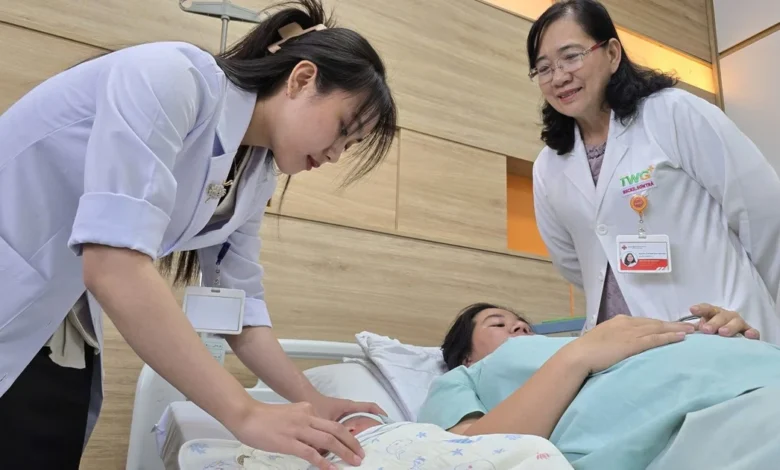
The clinical practices and practical implementation of the Kangaroo Mother Care (KMC) method at Tan An International General Hospital have recently gained international recognition, providing vital photographic evidence and procedural benchmarks for the World Health Organization’s (WHO) global clinical practice guidelines. This recognition marks a significant milestone for the Vietnamese healthcare sector, particularly in the field of neonatology and maternal care. By integrating traditional maternal bonding with advanced clinical intervention, the hospital has successfully moved beyond conventional treatment models, establishing a healthcare environment where the mother and child are the absolute center of the medical universe.
A Paradigm Shift in Neonatal Care: The Maternal-Centric Model
For decades, the standard medical response to preterm or low-birth-weight infants involved immediate separation from the mother, placing the neonate in a sterile, high-tech incubator. While incubators provide necessary warmth and oxygen, they often lack the sensory stimulation and biological synchronization essential for a newborn’s development. The journey of implementing Kangaroo Mother Care at Tan An International General Hospital (formerly known as TWG Long An Obstetrics and Children’s Hospital) began with a profound concern among the medical staff regarding this separation.
The medical team at the Department of Obstetrics and Pediatrics observed that preterm infants often suffered from the psychological and physiological stress of being away from their mothers during the most critical first days of life. To address this, the hospital began a multi-year initiative to transition toward KMC, a method where the infant is held skin-to-skin against the chest of the mother or another caregiver. This approach is not merely a supplemental technique but a comprehensive care model that prioritizes the biological and emotional connection between mother and child as the foundation for clinical recovery.
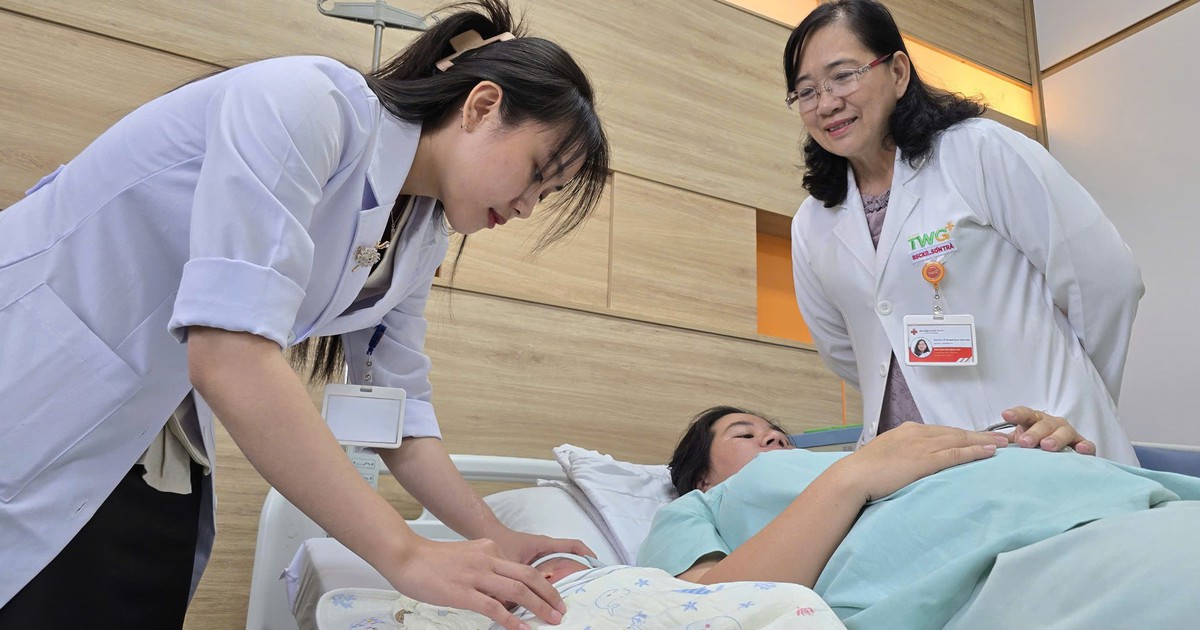
In the 2025 edition of the WHO Global Clinical Practice Manual, images from Tan An International General Hospital serve as vivid illustrations of this "high-touch" approach. These images document a seamless continuum of care: from the initial skin-to-skin contact immediately following birth to the promotion of exclusive breastfeeding and the rigorous monitoring of clinical vitals—all performed while the infant remains in the mother’s embrace.
Historical Evolution and the Commitment to Excellence
The transition of the facility from TWG Long An Obstetrics and Children’s Hospital to the current Tan An International General Hospital represents more than a change in name; it reflects a sustained commitment to evolving medical standards. Located at 136C, Provincial Road 827, Tan An Ward, the hospital has served as a gateway for healthcare in the Southwest region of Vietnam. Over several generations of medical professionals, the hospital has refined the KMC protocol, ensuring that it remains a core professional value rather than a temporary trend.
The hospital’s leadership recognized early on that KMC requires a significant shift in infrastructure and staff mindset. Unlike traditional neonatal intensive care units (NICUs) where space is dominated by machinery, the KMC rooms at Tan An are designed to accommodate the mother 24/7. The mother’s bed is positioned directly adjacent to neonatal warming tables and monitoring equipment, ensuring that the "skin-to-skin" bond is never broken unless medically necessary. This persistence in maintaining the model through various organizational changes is what ultimately drew the attention of WHO researchers looking for successful, real-world applications of neonatal care in developing healthcare landscapes.
Scientific Foundations and Supporting Data
The global push for Kangaroo Mother Care is backed by extensive clinical data. According to the World Health Organization, approximately 13.4 million babies were born preterm in 2020, and complications from preterm birth are the leading cause of death among children under five years of age. Research has consistently shown that KMC can reduce mortality among stabilized preterm infants by as much as 40%.
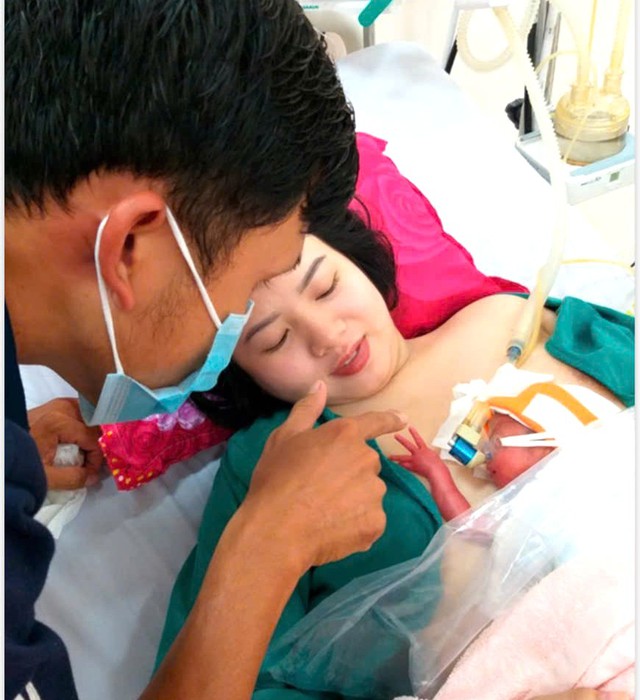
At Tan An International General Hospital, the implementation of KMC has yielded measurable improvements in neonatal outcomes. Clinical data from the facility indicates that infants undergoing KMC exhibit more stable heart rates, improved respiratory patterns, and better thermoregulation compared to those in traditional incubator care. Furthermore, the hospital has reported higher rates of exclusive breastfeeding, as the close proximity of the infant stimulates the mother’s milk production through the release of oxytocin.
The KMC method also addresses "hospital-acquired infections," a significant risk in NICUs. By being colonized by the mother’s natural skin flora rather than the bacteria found in a hospital environment, KMC infants develop stronger initial immune defenses. This data-driven success is a primary reason why the hospital’s practices were selected for the 2025 WHO manual, serving as a blueprint for other institutions globally.
The Synergy of Technology and Maternal Bond
One of the most innovative aspects of the KMC program at Tan An International General Hospital is the integration of modern medical technology within the skin-to-skin framework. A common misconception is that KMC can only be applied to "stable" infants who do not require respiratory support. However, Tan An has pioneered the use of "Immediate KMC" even for infants requiring Continuous Positive Airway Pressure (CPAP) therapy.
Under the close supervision of specialized nurses and doctors, infants can receive respiratory support through CPAP while lying on their mother’s chest. This requires a high level of technical proficiency, as the tubes and sensors must be carefully managed to prevent dislodgement during the skin-to-skin process. Furthermore, diagnostic procedures such as cardiac ultrasounds and cranial ultrasounds are performed at the bedside while the baby remains in the KMC position.
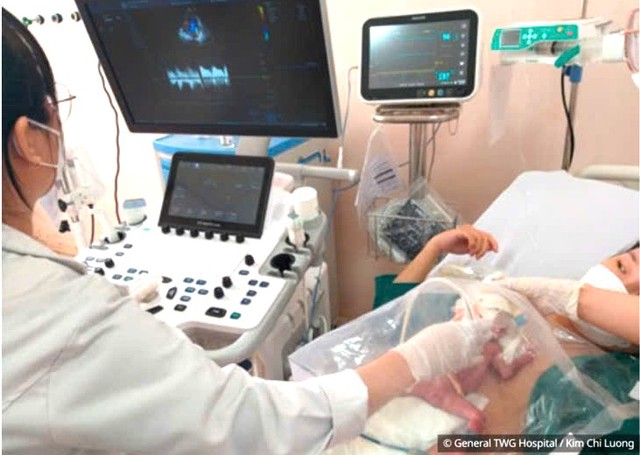
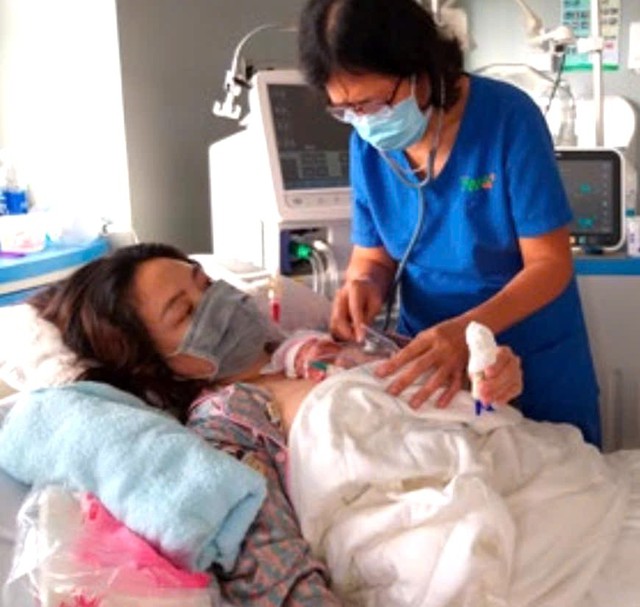
Instead of interrupting the warming process and the mother-child bond to conduct exams, medical staff use portable diagnostic tools. As documented in the WHO manual, doctors use stethoscopes to check heart and lung function and ultrasound probes to monitor internal development, all while the infant is secured safely to the mother using specialized Kangaroo wraps. This "at-the-breast" clinical monitoring ensures that medical intervention and maternal comfort are not mutually exclusive.
Chronology of Implementation and Global Recognition
The timeline of KMC development at the hospital illustrates a journey of continuous improvement:
- Phase 1 (Early Years): Introduction of basic skin-to-skin contact for stable, full-term infants to encourage breastfeeding.
- Phase 2 (Developmental Stage): Expansion of the protocol to include preterm and low-birth-weight infants. Training of the nursing staff in specialized KMC positioning and the use of Kangaroo wraps.
- Phase 3 (Integration Stage): Implementation of "Immediate KMC" (iKMC) where the process begins within the first hour of birth. Integration of CPAP and monitoring technology into the KMC environment.
- Phase 4 (Validation): Recognition by international health bodies. Collection of clinical data and photographic documentation.
- Phase 5 (Global Impact): Inclusion in the WHO 2025 Global Clinical Practice Guidelines, cementing the hospital’s status as a regional leader in neonatal care.
Official Responses and Broader Implications
Medical experts and hospital administrators view this international recognition as a validation of their "human-centered" philosophy. Dr. Kim Chi Luong, representing the hospital’s professional team, emphasized that KMC is not just a medical technique but a "philosophy of love and science." The hospital’s leadership has stated that the inclusion of their practices in a WHO document is a testament to the hard work of the entire staff, from the doctors who manage complex cases to the nurses who provide round-the-clock support to new mothers.
The broader implications for Vietnam’s healthcare system are significant. As the country strives to reduce neonatal mortality rates in line with the United Nations Sustainable Development Goals (SDGs), the success of Tan An International General Hospital provides a scalable model for other provincial hospitals. It demonstrates that high-quality neonatal care does not always require the most expensive equipment; rather, it requires a reorganization of care priorities to favor biological norms.
Impact on Families and the Community
Beyond the clinical statistics, the psychological impact on families is profound. Traditional NICU care often leaves parents feeling helpless and disconnected from their newborn. KMC empowers parents, particularly mothers and fathers, to take an active role in their child’s survival. At Tan An, fathers are also encouraged to participate in KMC, providing skin-to-skin warmth when the mother needs to rest. This involvement fosters a stronger family unit and reduces the incidence of postpartum depression and anxiety among parents of preterm infants.
The hospital also ensures a comprehensive discharge plan. Parents are trained in KMC techniques that they can continue at home, ensuring that the benefits of the method extend far beyond the hospital walls. This holistic approach reduces the likelihood of readmission and promotes long-term neurodevelopmental health for the child.
Future Outlook: A Beacon of Healthcare in the Mekong Delta
Looking ahead, Tan An International General Hospital plans to further refine its neonatal department, aiming to become a training center for KMC in the Southwest region. The hospital intends to invest in further research regarding the long-term outcomes of KMC infants, contributing to the global body of medical knowledge.
The story of Kangaroo Mother Care at Tan An is a powerful reminder that in the age of advanced medical technology, the most effective "equipment" for a struggling newborn is often the warmth and heartbeat of a parent. By proving that maternal affection and clinical excellence can coexist, Tan An International General Hospital has not only saved lives locally but has also helped shape the future of neonatal care on a global scale. As the WHO 2025 guidelines are distributed worldwide, the images and practices from this Vietnamese hospital will inspire medical professionals across the globe to bring mothers and babies back together, where they belong.