Nguyen Van Quyet Prepares for Life After Playing Career by Leading AFC/VFF Coaching Class During V-League Recess

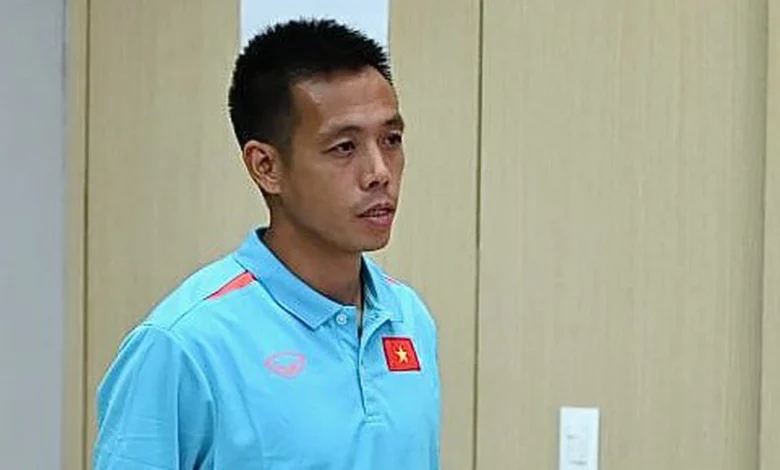
The V-League 2026-2027 season is currently experiencing a temporary pause due to the official FIFA international match calendar, providing a crucial window for clubs to regroup, recalibrate, and address tactical shortcomings. While most players utilize this break to recover from physical fatigue or spend time with their families, veteran Hanoi FC forward Nguyen Van Quyet has chosen a more forward-looking path. Rather than resting entirely, the decorated striker has traveled to the coastal city of Hai Phong to participate in an intensive coaching certification course, demonstrating a proactive approach toward his inevitable transition from the pitch to the technical area.
The initiative, organized jointly by the Vietnam Football Federation (VFF), the Hai Phong Football Federation, and the Hai Phong Football Club, officially commenced on September 22 at the historic Lach Tray Stadium. The program is designed to deliver the AFC/VFF B-Certificate coaching qualification, representing a significant milestone for active and former professional players aspiring to build careers in professional management and technical staff roles. The first phase of this rigorous curriculum is scheduled to run from September 22 through October 3, bringing together a select group of current players, youth coaches, and aspiring managers eager to deepen their theoretical and practical understanding of modern football strategy.
Leadership Role and Responsibilities in the Classroom
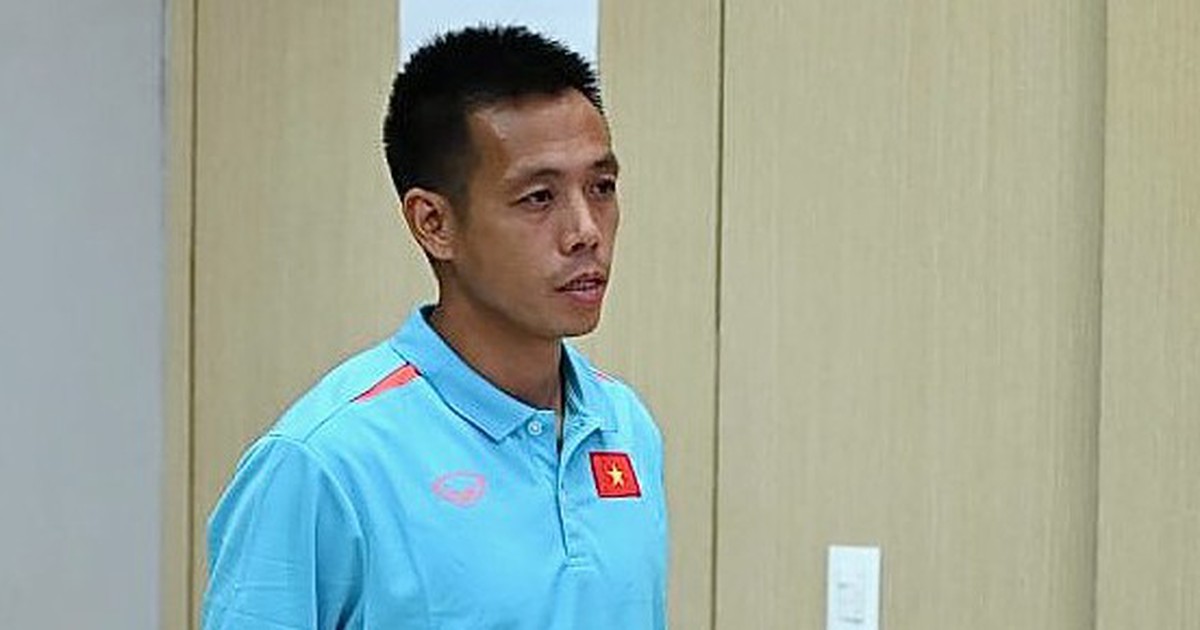
Among the notable figures attending the course, Nguyen Van Quyet stands out not only for his illustrious playing career but also for the immediate leadership responsibility entrusted to him by both the instructors and his peers. The Hanoi FC captain was unanimously chosen as the class monitor (lớp trưởng), a role that requires him to coordinate daily activities, facilitate communication between the students and the instructional staff, and set a high standard of discipline and engagement.
Speaking on behalf of the cohort during the opening ceremony, Van Quyet expressed a deep sense of responsibility and enthusiasm for the learning opportunity. He emphasized that every participant in the class is fully committed to absorbing the curriculum, engaging in active discussions, and rigorously applying the advanced concepts introduced during the lectures. The veteran forward noted that acquiring this coaching credential is not merely a personal milestone for post-retirement planning, but a meaningful step toward contributing to the broader development and professionalization of Vietnamese football. His peers have reportedly welcomed his leadership, recognizing that his decades of high-level experience on the pitch add immense practical value to the classroom debates and tactical workshops.
The Curriculum and Expert Instruction
The AFC/VFF B-Certificate coaching course is a core component of the national football governing body’s long-term strategy to elevate the standard of coaching and youth development across Vietnam. Designed in strict accordance with Asian Football Confederation (AFC) guidelines, the program aims to bridge the gap between traditional coaching methods and contemporary global standards, ensuring that local tacticians are equipped to handle the demands of modern professional leagues and international competitions.
The instructional team guiding the class at Lach Tray Stadium features prominent figures with extensive domestic and international expertise. The primary instruction is led by Japanese expert Koshida Takeshi, who currently serves as the Technical Director of the VFF, alongside Le Huynh Duc, a veteran of Vietnamese football and a respected member of the National Coaching Council. Their combined oversight ensures a rigorous academic environment that balances tactical theory, sports science, psychology, and practical pitch sessions. The collaboration with local organizers in Hai Phong has also ensured that the logistical and infrastructural needs of the intensive two-week program are met seamlessly.
Balancing Playing Commitments and Future Ambitions
Van Quyet’s decision to pursue coaching qualifications at this stage of his career highlights his exceptional professionalism and dedication to the sport. Despite being in the twilight of his playing years, the forward has continued to demonstrate remarkable physical durability, tactical intelligence, and mental resilience on the field. His ability to maintain a high performance level in the top tier of Vietnamese professional football has been a cornerstone of Hanoi FC’s success over the past decade.
Recognizing his long-term value to the club and his exemplary conduct, Hanoi FC management extended Van Quyet’s contract through the end of the 2028 season. Crucially, the club leadership has actively supported his dual pursuits, creating an environment where he can continue to contribute as a key player on matchdays while simultaneously laying the groundwork for a future managerial or coaching role within the organization. This forward-thinking arrangement ensures that when Van Quyet eventually hangs up his boots, he will be fully prepared to step into a technical leadership role without a lengthy transition period.
Implications for Hanoi FC During the V-League Pause
The timing of the coaching course aligns strategically with the V-League’s mandatory break for FIFA Days, minimizing any disruption to Van Quyet’s immediate playing responsibilities. Hanoi FC entered the international break facing a critical period of internal reflection following an uncharacteristic run of three consecutive matches without a victory. The pressure has been palpable within the squad, highlighted by intense tactical discussions behind closed doors led by the coaching staff.
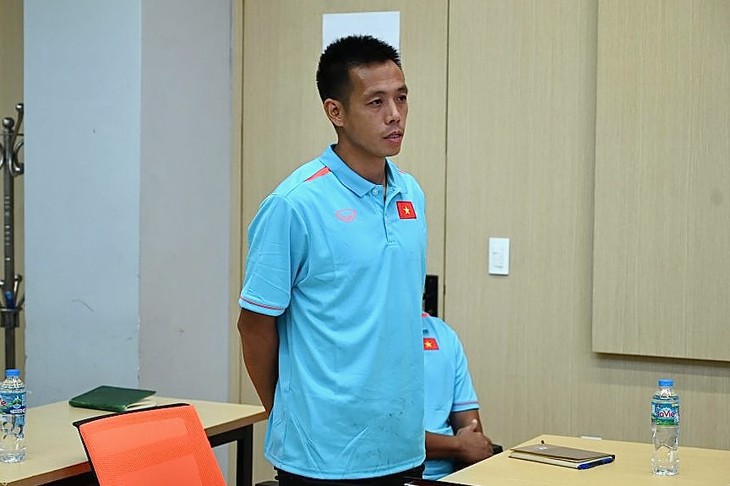
For Hanoi FC, the return of their captain from Hai Phong at the conclusion of the coaching course on October 3 will provide a timely boost. Beyond his physical presence on the training ground, Van Quyet’s enhanced tactical perspective—gained through his interactions with top-tier instructors like Koshida Takeshi and Le Huynh Duc—may offer valuable insights as the team seeks to correct its course in the championship race. The capital club relies heavily on his leadership both inside the locker room and on the pitch, and his expanded understanding of tactical structures will undoubtedly benefit the squad during the demanding fixtures ahead.
Broader Impact on Vietnamese Football
The participation of high-profile active players like Nguyen Van Quyet in formal coaching education reflects a positive cultural shift within Vietnamese professional sports. Historically, many players waited until the formal conclusion of their playing careers to consider coaching, often leading to a gap in professional transition management. Today, proactive engagement with AFC-standard certification programs ensures that the next generation of managers in the V-League will possess both elite playing experience and formalized, modern pedagogical training.
As Vietnamese football continues to strive for higher competitiveness on the continental stage, the development of a robust, highly educated cohort of domestic coaches remains an absolute priority. By investing their time during league recesses into rigorous academic programs, players like Van Quyet are helping to secure the intellectual foundation of the sport’s future. Once his commitments in Hai Phong conclude, the Hanoi FC forward will return to his club fully prepared for the challenges of the ongoing professional season, carrying forward a dual commitment to excellence as both a player and a student of the game.