TC Group and VGX Join Forces to Accelerate Vietnam Electric Vehicle Charging Infrastructure Development

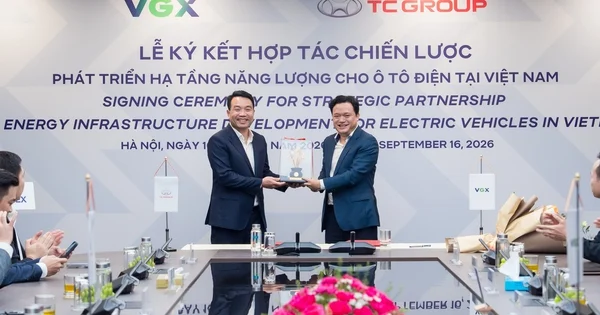
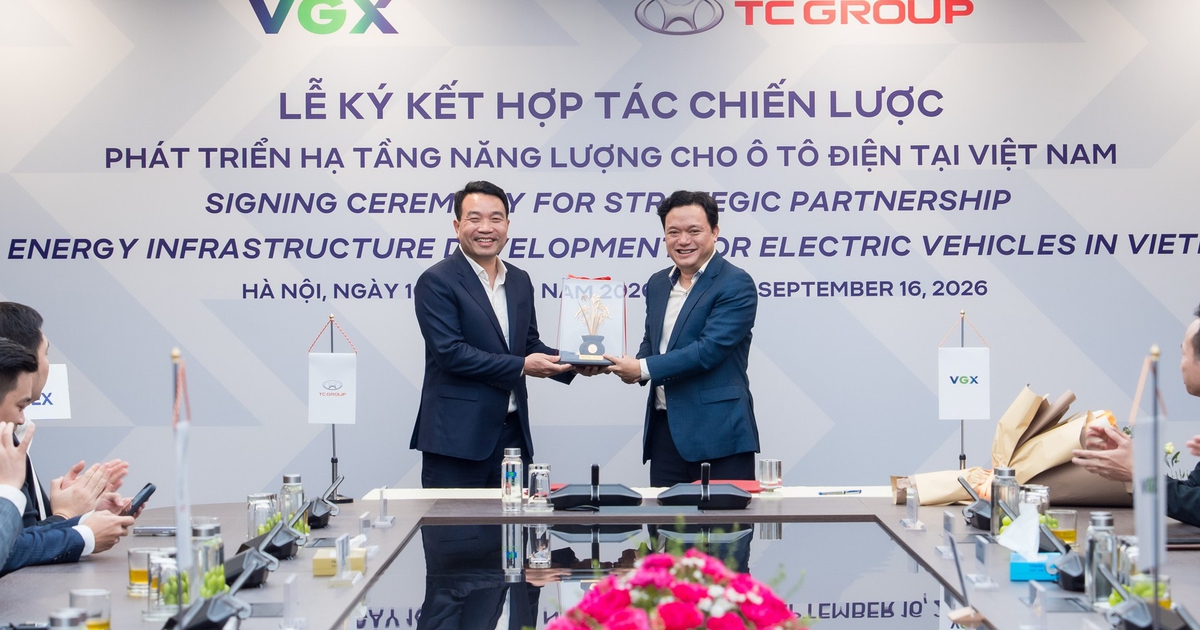
The rapid electrification of the automotive sector in Vietnam has reached a pivotal inflection point, with major industry players increasingly moving to address the most critical barrier to mass adoption: the availability and accessibility of a standardized, nationwide charging network. TC Group, a dominant force in the Vietnamese automotive manufacturing and distribution landscape—most notably as the local partner for Hyundai and Skoda—has officially announced a strategic cooperation agreement with the Vietnam Green Energy Infrastructure Joint Stock Company (VGX). This partnership marks a significant shift in the market’s approach to EV ecosystem development, transitioning from proprietary, brand-exclusive charging solutions to a more collaborative, open-network model designed to serve the broader consumer base.
The Strategic Imperative of Infrastructure Expansion
As Vietnam seeks to transition toward greener transportation, the market has seen a surge in the diversity of electric vehicle (EV) offerings. However, the convenience of owning an EV is intrinsically linked to the reliability and density of the charging infrastructure. While early market adoption was largely driven by manufacturers building their own closed-loop ecosystems, the industry is now recognizing that true scale requires interoperability.
TC Group’s decision to partner with VGX is a calculated move to mitigate the massive capital expenditure and logistical hurdles associated with building a private, nationwide grid from scratch. By leveraging VGX’s expertise in energy infrastructure and its strategic vision of creating a shared-use network, TC Group can focus its resources on its core competencies—vehicle distribution and customer experience—while ensuring that its customers have access to a reliable charging backbone.
Understanding the VGX Ecosystem
VGX is a strategic joint venture formed by three industry heavyweights: the state-owned petroleum giant Petrolimex, the logistics-focused Xuan Cau Holdings, and the technology-driven EV startup Selex Motors. This consortium was established with the explicit intent of developing a universal charging and battery-swapping infrastructure. By tapping into the existing network of Petrolimex gas stations, rest stops, and prime urban locations, VGX possesses a unique competitive advantage: immediate access to high-traffic, geographically dispersed real estate that is already familiar to the average motorist.
The partnership aims to harmonize the charging requirements of various EV models, including high-performance vehicles like the Hyundai IONIQ 5 currently distributed by TC Group, with the standardized hardware provided by VGX. This move is expected to alleviate "range anxiety," which remains the primary psychological deterrent for prospective EV buyers in Vietnam.
A Shifting Industry Landscape: The Move Toward Collaboration
The collaboration between TC Group and VGX follows a series of similar strategic shifts in the Vietnamese market. In June 2026, BYD Auto Vietnam and FUTA EV Power entered into a similar memorandum of understanding to explore infrastructure development. These developments signify a departure from the "walled garden" approach.
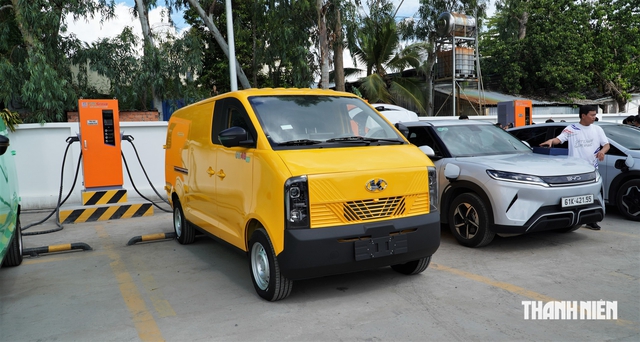
Historically, the EV market in Vietnam was defined by the massive, proprietary network built by VinFast, which provided a significant competitive moat. However, as global automakers enter the Vietnamese market, they are finding that replicating such an extensive, private infrastructure is economically unfeasible. Consequently, the trend is shifting toward third-party charging providers like Charge+ and EV One, which operate charging points in malls, hotels, and urban residential hubs, effectively lowering the barrier to entry for new EV brands.
The Economic and Technical Implications
For the automotive industry, the transition to shared infrastructure is a pragmatic solution to the "chicken and egg" problem of EV adoption. Manufacturers are no longer forced to bear the full burden of grid construction. Instead, they can integrate their vehicle software with public charging networks, creating a more seamless user experience.
From an economic perspective, this model encourages competition among charging providers based on service quality, pricing transparency, and speed, rather than mere geographical presence. For the consumer, it provides the freedom to choose an EV brand without being tethered to a specific, potentially limited charging network. This, in turn, is expected to accelerate the overall penetration rate of EVs in the passenger vehicle segment, which has been growing steadily but requires more robust support to reach mass-market status.
Challenges on the Road Ahead
Despite the optimism surrounding this partnership, significant challenges remain. The current agreement is a preliminary memorandum of understanding, and both parties have yet to disclose the specific roadmap for implementation. Key details, such as the total investment capital, the specific number of charging stations to be deployed, the technical specifications of the fast-chargers, and the timeline for full-scale operations, are still undergoing rigorous study.
Furthermore, the lack of a unified national standard for charging ports and communication protocols remains a technical hurdle. While international standards like CCS2 are becoming more prevalent, the absence of a formal regulatory framework governing the safety and interoperability of these stations could lead to fragmented user experiences. Regulatory bodies in Vietnam are currently working to harmonize these standards, but the process is time-intensive and requires the cooperation of all stakeholders, including power utilities, city planners, and private investors.
Analyzing the Long-Term Market Impact
The impact of this partnership will likely be measured by the ability of the TC Group-VGX coalition to integrate their services into the daily routines of Vietnamese drivers. Success will depend on three key metrics:
- Geographic Density and Location Intelligence: A charging network is only as effective as its placement. Placing chargers at high-frequency stops, such as highway rest areas and urban shopping centers, is vital for long-distance travel and daily city driving.
- Technological Interoperability: The ability to offer a "plug-and-play" experience for different vehicle brands, including the seamless integration of payment and authentication systems, will be the ultimate test of the network’s value proposition.
- Sustainability of the Business Model: The cost of electricity and the maintenance of high-voltage hardware require a robust pricing structure that is fair to consumers while remaining profitable for the operators.
As more companies enter the charging space, the competition will naturally drive down costs and improve service standards. However, the sheer scale of the investment required means that only those with strong institutional backing—such as the consortium behind VGX—will likely succeed in the long run.
Conclusion: A New Era for Vietnamese Mobility
The partnership between TC Group and VGX is a landmark development that signals the maturation of the Vietnamese EV market. By moving away from proprietary exclusivity and toward a more integrated, collaborative infrastructure, the industry is addressing the systemic challenges that have historically slowed the adoption of electric vehicles.
While the road ahead is filled with technical and regulatory complexities, the synergy between a major automotive distributor and a broad-based infrastructure consortium provides a promising blueprint for the future. As the government continues to refine its support policies for green energy and sustainable transport, the efforts of companies like TC Group and VGX will be instrumental in reshaping the nation’s automotive landscape, ultimately offering consumers a cleaner, more efficient, and more reliable way to navigate the roads of tomorrow. The coming months will be critical as these entities move from the planning phase to active implementation, and the automotive sector will be watching closely to see if this model can truly deliver on its promise of universal, accessible, and reliable electric mobility.
Related posts: