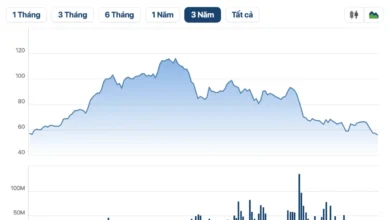
Vietnam Airlines, GVR, Vietcombank, BIDV và VietinBank vào diện cơ cấu lại vốn nhà nước


The Government of Vietnam has officially endorsed a comprehensive master plan for the restructuring of state capital in enterprises for the 2026–2030 period, marking a significant milestone in the nation’s ongoing economic reforms. According to official documents, the newly approved blueprint targets a multi-faceted transformation across key state-owned enterprises (SOEs) and commercial banks, balancing the imperative for enhanced market efficiency with the state’s strategic need to retain control over vital economic sectors.
Overview of the 2026–2030 State Capital Restructuring Framework
Under Decision No. 2054/QĐ-TTg, signed on October 27, 2026, by Deputy Prime Minister Nguyen Van Thang, the government has charted a clear course for state capital management over the next five years. The strategy establishes distinct categories for state-invested entities, separating those slated for capital restructuring, equitization, or ownership dilution from those where the state will steadfastly maintain its current ownership stake.
The plan dictates that 15 entities will continue to operate with the state maintaining its exact proportional shareholding throughout the 2026–2030 timeframe. Among these, the Ministry of Finance acts as the representative of state capital in 14 distinct entities, while a single entity falls under the direct purview of the State Bank of Vietnam (SBV). Significantly, 10 out of these 15 organizations operate under a 100% state-owned model, underscoring their critical role in national infrastructure, public welfare, and strategic economic security.
Conversely, the restructuring apparatus targets six prominent enterprises and major commercial banks. This cohort includes heavyweights such as Vietnam Airlines (HVN), Vietnam Maritime Corporation (MVN), Vietnam Rubber Group (GVR), along with three major state-backed commercial lenders: the Joint Stock Commercial Bank for Investment and Development of Vietnam (BIDV – BID), the Joint Stock Commercial Bank for Foreign Trade of Vietnam (Vietcombank – VCB), and the Vietnam Joint Stock Commercial Bank for Industry and Trade (VietinBank – CTG).

Mechanisms, Regulatory Guidelines, and Implementation Pathways
The execution of this restructuring plan is governed by a strict regulatory hierarchy designed to ensure transparency, accountability, and compliance with existing laws. The framework derives its authority from Decision No. 40/2026/QĐ-TTg, issued on August 5, 2026, which outlines the precise criteria for classifying enterprises subject to state capital restructuring. Furthermore, the actual execution methodologies—ranging from altering state ownership proportions to partial divesting and equity transfers—will strictly adhere to Decree No. 57/2026/NĐ-CP, enacted on February 12, 2026, alongside other relevant legal statutes.
Responsibility for operationalizing the plan has been formally delegated to the Ministry of Finance and the State Bank of Vietnam. These two pivotal institutions hold the discretionary power to select optimal timelines and specific methodologies for execution. However, this autonomy is coupled with rigorous oversight mechanisms. The government has mandated that both agencies ensure absolute compliance with the law, aiming for the successful completion of all restructuring targets within the 2026–2030 window.
Accountability, Monitoring, and Corrective Measures
In an effort to prevent administrative delays or resistance to reform—common hurdles in historical SOE restructuring initiatives—the new framework introduces strict accountability measures. If an enterprise fails to meet the prescribed state ownership thresholds or cannot complete its designated restructuring process within the 2026–2030 period, the supervising bodies must conduct a thorough investigation. They are required to identify the root causes, determine collective and individual responsibilities, and submit formal reports to higher authorities for disciplinary or corrective action.
To maintain continuous oversight, the framework institutes a mandatory reporting schedule. All responsible agencies must submit annual progress reports detailing the status of enterprise arrangement and capital restructuring to the Ministry of Finance by January 31 of each year for tracking and synthesis. Should adjustments to the approved master plan become necessary, the Ministry of Finance is authorized to compile recommendations from various representative agencies and submit them directly to the Prime Minister for formal review and decision-making, following the legal procedures outlined in Decision No. 40/2026/QĐ-TTg.
Accelerated Timelines for Specialized Sectors
While the broad restructuring plan spans the remainder of the decade, the government has carved out an expedited timeline for specialized sectors. Ministries, ministerial-level agencies, and provincial People’s Committees acting as representative owners of agricultural and forestry companies, enterprises directly serving national defense and security, and entities combining economic missions with defense duties have been issued urgent directives.

These bodies must swiftly formulate and submit their respective restructuring and capital reorganization plans for approval, with a strict mandate to complete the process within the 2026 calendar year. This accelerated schedule reflects the leadership’s commitment to aligning sensitive security-related state assets with broader macroeconomic defense and security strategies without unnecessary delay.
Economic Implications and Broader Market Context
The formalization of the 2026–2030 restructuring plan represents a crucial step in Vietnam’s long-term economic transition. By targeting bellwether corporations like Vietnam Airlines and major financial institutions like Vietcombank, BIDV, and VietinBank, the state is signaling its readiness to optimize capital allocation in systemic pillars of the economy.
Financial analysts note that the targeted reduction or rebalancing of state capital in these commercial entities can unlock fresh liquidity, attract domestic and foreign private investment, and improve corporate governance standards. At the same time, the decision to retain 100% state ownership in selected foundational enterprises ensures that the government retains macroeconomic levers necessary to stabilize markets, secure public utilities, and safeguard national interests amidst global economic uncertainties. As implementation gets underway, the success of this blueprint will depend heavily on the coordinated efforts of the Ministry of Finance, the State Bank of Vietnam, and corporate leadership teams navigating the delicate balance between market-driven efficiency and state-guided stability.
Related posts: