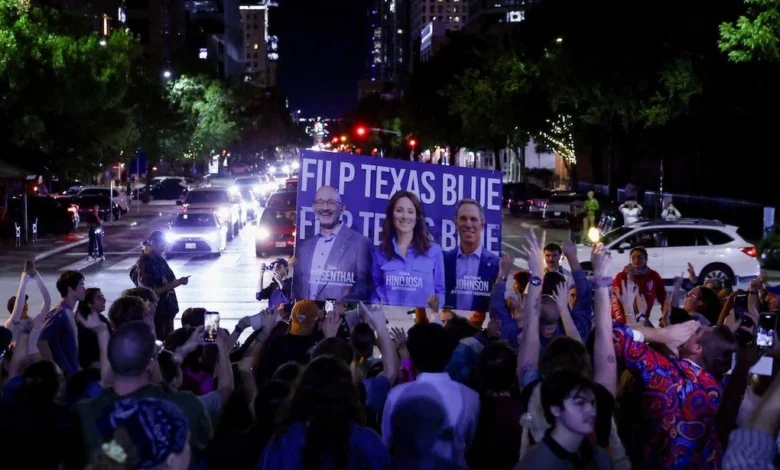
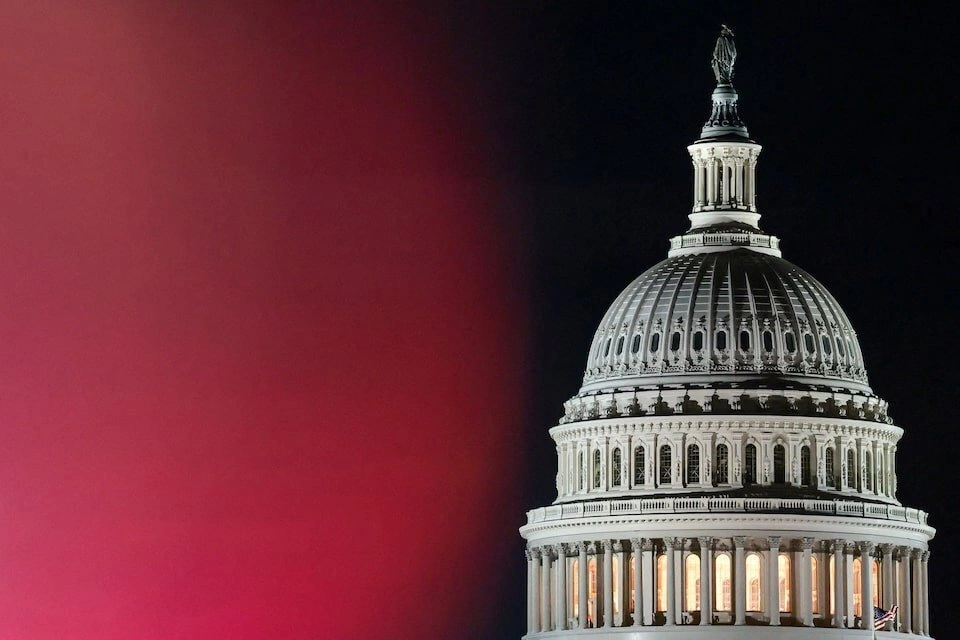
The midterm elections have sent a seismic shockwave through the American political landscape, as the Republican Party faced an unexpectedly crushing defeat that has left party strategists and leadership reeling. What was initially anticipated by many analysts as a "red wave" fueled by economic dissatisfaction and a desire for a course correction has instead transformed into a historic setback for the Grand Old Party (GOP). By placing former President Donald Trump at the very heart of their campaign strategy, Republicans inadvertently invited a surge of voter backlash that ultimately cost them control of the legislative agenda and sent shockwaves through their traditional strongholds.
The Strategic Pivot: Centering on Trump
Early in the election cycle, as internal polling began to signal a tightening race for key congressional seats, Republican leadership made a pivotal decision: they would embrace Donald Trump as the singular focus of their electoral strategy. This was a calculated risk, intended to galvanize the former president’s fiercely loyal base and ensure high turnout in districts where the party’s prospects were wavering.
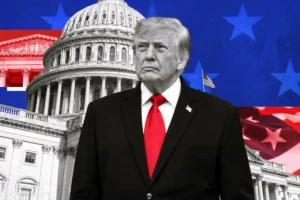
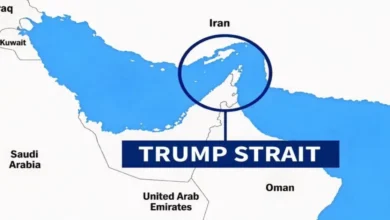
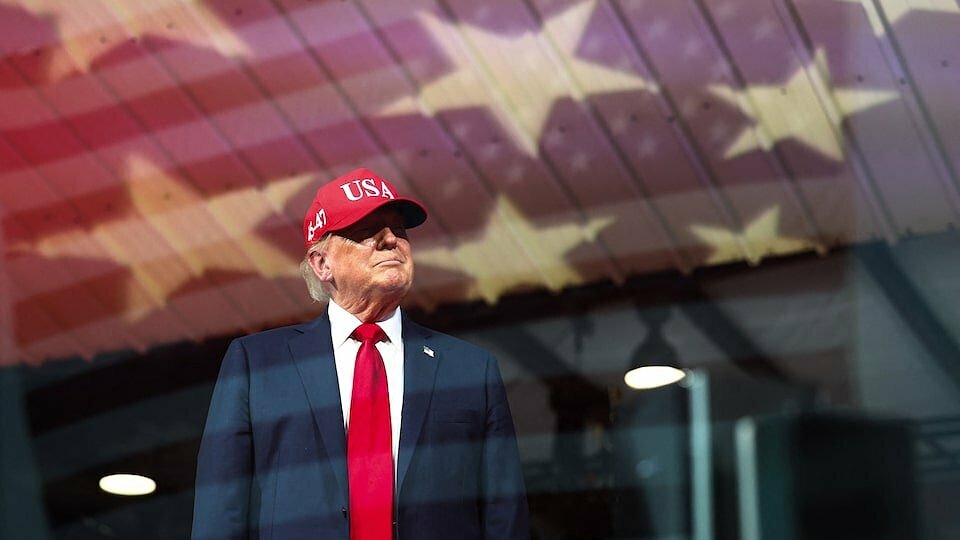
Throughout the final weeks of the campaign, the imagery of the former president, along with the administration’s specific stances on international flashpoints such as Iran, became the central pillar of GOP advertising. The party went as far as organizing a "midterm summit" specifically designed to honor and highlight Trump’s influence. In the closing weeks, the former president embarked on an aggressive tour, visiting 20 states and headlining 30 campaign rallies in a desperate attempt to drag candidates across the finish line.
Campaign advisors, including Chris LaCivita, a senior manager for Trump’s 2024 apparatus, defended the move, stating that the party had rewritten the traditional playbook for midterm elections. Instead of pivoting toward the political center to court moderate independents, the campaign opted for a direct confrontation, betting that the intensity of the Trump base would compensate for any alienation among swing voters.
Chronology of a Failed Strategy
The Republican journey into this cycle began with high expectations. Entering the season, the GOP held 53 seats in the Senate and looked to capitalize on a political map that appeared, at least on paper, to be favorable. The House of Representatives, where the party held a narrow majority of approximately five seats, was viewed as a secure firewall that would inevitably expand.
However, the tide began to turn in late summer. Persistent inflation, rising costs of living, and an increasingly unpopular stance on foreign policy began to weigh heavily on the electorate. By the time the final ballots were cast, it became clear that the strategy of centering the campaign on Trump had backfired. In state after state—including those where Trump had won by double digits just two years prior—voters turned their backs on Republican candidates.
The electoral map, once seen as a guaranteed path to a commanding majority, instead turned into a graveyard for incumbent GOP legislators. Even in long-standing "red" bastions like Kansas, shifts in voter sentiment resulted in shocking losses, effectively stripping the party of its leverage in both chambers of Congress.
Data and Financial Disparities
While the Republican Party managed to raise significant capital, exceeding the financial war chests of their Democratic rivals, money alone proved insufficient to overcome the growing disconnect with voters. Data from AdImpact revealed that the GOP spent a staggering $2.6 billion during the cycle, compared to $1.8 billion by the Democrats.
Crucially, however, the Democratic party successfully focused its fundraising efforts on high-profile candidates who had proven track records in swing states, such as former Governor Roy Cooper in North Carolina, former Representative Mary Peltola in Alaska, and former Senator Sherrod Brown in Ohio.
Furthermore, while Elon Musk and various high-net-worth donors poured hundreds of millions of dollars into Super PACs to support the GOP, the Democratic base mobilized in a way that effectively closed the spending gap. The reliance on super-funded PACs could not mask the fact that the party’s platform was failing to resonate with critical voting blocs, including younger men, Black male voters, and the growing Hispanic demographic.
The Internal Reckoning and Shifting Demographics
As the election results were finalized, it became clear that Trump had underestimated the extent of voter frustration regarding his economic management, tariff policies, and his handling of international crises. For months, top White House officials, including Vice President JD Vance and Chief of Staff Susie Wiles, had been meeting with pollsters and independent analysts to track the erosion of support among groups that had been instrumental in the party’s previous victories.
In November of the previous year, pollster Mark Mitchell had urged the party to refocus its message on the tangible economic burdens facing everyday Americans. Despite these warnings, the schedule of campaign rallies remained heavily focused on Trump’s personality and his past grievances rather than forward-looking policies.
The fallout has been immediate. Senator Thom Tillis of North Carolina, a prominent Republican, voiced what many in the party are now whispering in private: the necessity of contemplating a political future beyond the influence of Donald Trump. "We have to start thinking about competing in a post-Trump world," Tillis noted in a post-election debrief.
Implications for the Future of the GOP
The implications of this defeat are profound. The loss of the Senate majority, coupled with a diminished and fractured House presence, forces the Republican Party into an identity crisis. The "red wave" that never materialized has instead highlighted a deep-seated vulnerability: a party that has become tethered to a singular figure, alienating the very voters needed to maintain a national coalition.
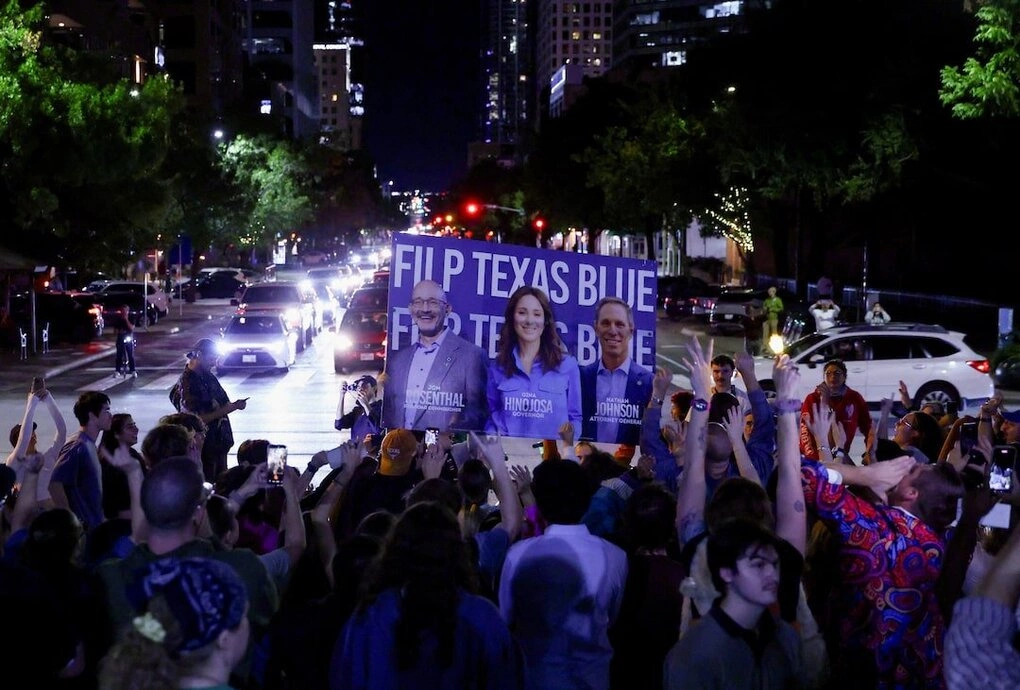
Democratic leadership, meanwhile, has found new momentum. By pivoting away from purely cultural debates and focusing on pocketbook issues—such as the cost of healthcare, housing, and the stability of the dollar—they successfully framed the election as a referendum on the future of the nation rather than a contest of personalities.
Mike Smith, chairman of the House Majority PAC, summed up the shift in strategy: "We placed a bet that the core concern of voters was the economy and their own financial future, and that approach helped us overcome the initial noise surrounding cultural issues."
A Path Forward or Continued Decline?
The final weeks of the campaign saw Trump making desperate pleas to voters, suggesting that the election was a test of his own political legacy. In a candid interview on Fox News, he told viewers to "consider my name to be on the ballot." For many voters, this was exactly what they did—but not in the way the former president intended.
As the dust settles, the Republican Party faces a stark reality. The machinery that once secured electoral victories is now seen by many as a liability. The challenge for the GOP moving forward will be to reconcile its populist base with the broader, more moderate American electorate that has clearly signaled a desire for a different, less confrontational approach to governance.
Whether the party can successfully transition from the "Trump era" to a new chapter remains to be seen. However, if the midterm results are any indication, the current strategy of doubling down on polarizing rhetoric is a path to continued political irrelevance. The task for Republican leadership in the coming months will be to rebuild a coalition that is as focused on the future of the American economy as it is on the political legacy of its past leaders. For now, the party is left to pick up the pieces of a failed strategy, wondering how an anticipated victory turned into a historic catastrophe.