Vietnamese State-Owned Enterprises Grapple with Growth Stagnation Amidst Billions in Assets and Restrictive Management

Despite commanding substantial capital and assets, many state-owned enterprises (SOEs) in Vietnam are facing significant impediments to growth, primarily due to a pervasive lack of autonomy in decision-making and an inability to effectively manage the vast resources entrusted to them. This critical assessment was voiced by Mr. Bùi Khắc Hiển, Deputy Head of the Planning – Finance Department under the Ministry of Agriculture and Rural Development (MARD), during a pivotal seminar held in Hanoi on July 21st. The event, titled "Restructuring State-owned Enterprises: From Resource Allocation to Driving Growth," organized by Tiền Phong newspaper, convened key stakeholders to deliberate on the persistent challenges plaguing the SOE sector and to chart a more effective course for reform.
The Paradox of Abundant Assets and Constrained Autonomy
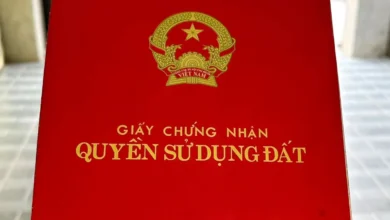
Mr. Hiển starkly highlighted what he termed an "absurdity" in the current operational framework for many SOEs. These enterprises are often allocated significant capital and tangible assets, including valuable land parcels, yet they are not permitted to treat these as genuine, leverageable corporate assets. This means they cannot utilize these resources for crucial business activities such as collateral for loans, strategic investments, or flexible capital rotation to support their core operations and expansion plans. The implication is clear: possessing billions of Vietnamese Dong in assets becomes a liability rather than an advantage when management is stripped of the fundamental right to deploy these resources dynamically. The underlying issue, as Hiển articulated, is that while these entities are expected to contribute to economic growth, they are simultaneously bound by administrative shackles that prevent them from operating with the agility and market responsiveness required for true expansion. He emphasized that the failure to grow cannot be solely attributed to the enterprises themselves when their management and governance structures are inherently restrictive.
This situation reflects a broader challenge in Vietnam’s economic landscape, where SOEs continue to play a significant role. Historically, these enterprises were instrumental in driving national development, particularly in strategic sectors like energy, infrastructure, and agriculture. However, as Vietnam transitioned from a centrally planned to a market-oriented economy, the need for comprehensive SOE reform became paramount. Over the past decades, the government has initiated various restructuring programs, including equitization (partial privatization), with the aim of enhancing efficiency and competitiveness. Despite these efforts, the pace and effectiveness of reform have often fallen short of expectations, leading to a persistent debate about the optimal role and governance of state capital. Politburo Resolution 79, which focuses on the development of the state-owned economic sector, underscores the ongoing commitment to reform but also implicitly acknowledges the deep-seated structural issues that need addressing to unlock their full potential.
Redefining Restructuring: Beyond Mere Equitization
A central theme of the seminar, and a point passionately argued by Mr. Hiển, revolved around the fundamental objectives of SOE restructuring. He contended that the primary goal should not simply be equitization or the sale of enterprises. Instead, the focus must shift towards building robust management capacity that is commensurate with market demands. If equitization is pursued without simultaneously fostering a culture of strong, autonomous, and market-savvy management, the exercise risks being superficial and ultimately ineffective. The mere act of converting an SOE into a joint-stock company, without empowering its leadership to make independent, strategic decisions based on market realities, will not unlock its potential or enhance its competitiveness. This highlights a critical need for a holistic approach that integrates governance reform, human capital development, and operational autonomy with financial restructuring. It suggests a paradigm shift from a focus on form (ownership structure) to substance (operational efficiency and strategic capability).
Challenges from the Ground: The Vinafood1 Experience
Providing a practitioner’s perspective, Mr. Nguyễn Vũ Hoan, a member of the Board of Directors of Tổng công ty Lương thực miền Bắc (Vinafood1), elucidated the practical difficulties encountered during their enterprise restructuring efforts. Vinafood1, a major player in the northern food sector, embarked on a restructuring plan with a target completion year of 2025. However, the journey has been fraught with challenges.

Hoan pointed to the persistently low capital utilization efficiency within the food industry, characterized by extremely thin profit margins. He cited the stark example of selling 1 kilogram of rice for a meager profit of approximately 50 Vietnamese Dong (around $0.002 USD at current exchange rates), illustrating the immense pressure on operational costs and revenue generation. Furthermore, many of Vinafood1’s member companies operate with relatively small capital bases, typically ranging from 5 to 10 billion VND (approximately $200,000 to $400,000 USD). This limited scale makes them inherently unattractive to potential private investors, who seek larger, more profitable ventures with significant growth potential. The fragmented nature of these smaller entities complicates efforts to consolidate operations or attract strategic partners, often leading to protracted and unsuccessful divestment attempts.
Beyond the financial metrics, significant procedural and legal obstacles have compounded Vinafood1’s restructuring woes. Protracted issues related to land use rights and lengthy legal documentation processes have created significant bottlenecks. These bureaucratic hurdles impede accurate enterprise valuation, complicate asset handling, and ultimately delay the entire restructuring timeline. The inability to definitively assess and streamline asset portfolios renders it difficult to attract investors or make informed decisions about divestment or asset redeployment. This is a common issue for many SOEs in Vietnam, where historical land allocations often lack clear legal titles or are subject to complex regulations, making them difficult to monetize or transfer.
The divestment process itself has proven particularly challenging for Vinafood1. Despite multiple attempts to auction off state capital in various subsidiaries, particularly those involved in less attractive sectors like general food production, salt, or packaging, the company has frequently failed to attract any investors. This lack of interest underscores the critical need for a more flexible and market-driven approach to divestment, one that potentially includes incentives for buyers or a re-evaluation of valuation methodologies for struggling assets. The current system often sets reserve prices too high or fails to account for the operational liabilities associated with these entities.
Adding to the complexity, Hoan criticized the inconsistency and frequent changes within the policy and legal framework governing land, investment, and state capital management. This "choppy" regulatory environment creates uncertainty for both SOEs and potential investors, prolonging the restructuring process and making long-term strategic planning exceedingly difficult. Enterprises are left navigating a constantly shifting landscape, which saps resources and diverts attention from core business operations, hindering their ability to adapt to market dynamics.
The Bottleneck of Divestment: SCIC’s Limited Role
A significant systemic issue highlighted by Mr. Hiển pertains to the role of the State Capital Investment Corporation (SCIC). While SCIC was established to manage and divest state capital efficiently, its current operational model presents a major hurdle. Hiển revealed that many SOEs under MARD’s management are burdened with negative capital or significant losses and are eager to transfer their state capital holdings. However, SCIC, by its operational mandate or preference, primarily accepts profitable or non-loss-making enterprises. This creates a "lemon problem" where financially distressed SOEs, precisely those most in need of restructuring and divestment, remain trapped within ministerial oversight, unable to offload their state capital and attract the private investment necessary for revitalization. This selective approach by SCIC inadvertently prolongs the existence of inefficient enterprises and prevents the optimal reallocation of state resources, leading to a build-up of non-performing assets within the state sector.
The Ministry of Finance’s own data further underscores the sluggish progress of SOE reform across the country. For the period 2022-2025, only 180 out of 676 enterprises (a mere 20%) had received approval for their restructuring plans by the end of 2025. This slow approval rate itself indicates a bureaucratic bottleneck. The national targets for this period were ambitious: equitize 30 enterprises, rearrange 8 through other forms (such as mergers or dissolution), and divest state capital from 146 enterprises. However, by the end of 2025, the actual achievements were significantly underwhelming: not a single enterprise had completed equitization, only 4 had completed mergers, another 4 were in the process of dissolution, and divestment had been completed in only 17 enterprises. This stark contrast between targets and reality paints a grim picture of the challenges faced in accelerating SOE reform. The slow pace means that valuable state assets remain locked in underperforming entities, preventing their productive deployment in the broader economy and hindering the country’s overall economic dynamism.
Path Forward: Expert Recommendations for Systemic Reform
In light of these pressing challenges, the seminar participants offered a range of recommendations aimed at accelerating and enhancing the effectiveness of SOE restructuring.

Mr. Hoan, from Vinafood1, urged for a comprehensive overhaul of the legal framework governing state capital management. He called for the swift resolution of long-standing land-related issues, which are often at the heart of delays in asset valuation and transaction. Crucially, he advocated for the development of new evaluation criteria for SOEs. Instead of focusing solely on short-term profits, these criteria should prioritize capital utilization efficiency, innovation, and the enterprise’s broader contribution to sustainable growth. This shift in perspective would encourage SOEs to adopt longer-term strategic thinking and foster a more dynamic, market-responsive culture, aligning their objectives with broader national development goals rather than just immediate financial returns.
Adding a legislative voice, Mr. Phan Đức Hiếu, a National Assembly delegate for the 16th tenure, emphasized that restructuring is not merely about reducing the number of enterprises through mergers, dissolution, or divestment. The core objective must be to fundamentally enhance the operational efficiency and competitiveness of these entities. To achieve this, he stressed the urgent need for a decisive resolution of all outstanding financial, legal, and land-related backlogs that currently hamstring SOEs. These legacy issues often involve complex financial liabilities, unresolved legal disputes, and unclear land titles, which deter potential investors and complicate any attempts at corporate reorganization.
Mr. Hiếu specifically called upon the Ministry of Finance to undertake a comprehensive review of all existing obstacles. This review should involve categorizing these impediments based on the authority required to resolve them—whether at the National Assembly, Government, or ministerial level. Following this, he proposed that specific mechanisms and policies be swiftly issued to address these issues, suggesting the potential for a special resolution to decisively clear these accumulated backlogs. Such a targeted legislative and administrative approach would provide the necessary clarity and legal certainty for SOEs to proceed with restructuring plans without constant fear of regulatory changes or unresolved legacy issues. This approach would centralize decision-making for complex cases, bypassing the usual multi-layered bureaucratic processes that often lead to delays.
Perhaps his most impactful recommendation concerned the transformation of the State Capital Investment Corporation (SCIC). Mr. Hiếu advocated for a significant upgrade of SCIC into a professional state investment fund, aligned with the spirit of Politburo Resolution 79. This transformation would entail granting SCIC greater autonomy and market-driven authority in managing its investment portfolio, including the power to buy, sell, and restructure capital based on market efficiency, rather than being constrained by rigid administrative procedures. This strategic shift would empower SCIC to act as a dynamic investor, actively managing state capital to maximize returns and facilitate the revitalization or divestment of underperforming assets. By adopting a more market-oriented approach, SCIC could play a pivotal role in unlocking the value of state assets and channeling resources towards more productive sectors of the economy, akin to sovereign wealth funds in other nations.
Broader Impact and Implications
The consensus among experts and officials at the seminar underscores the critical juncture at which Vietnam’s SOE reform stands. The slow pace of reform, as evidenced by the Ministry of Finance’s figures, represents not just a bureaucratic inefficiency but a significant economic opportunity cost. Underperforming SOEs tie up vast amounts of capital, land, and human resources that could otherwise be deployed more productively in the private sector or in more dynamic, competitive state-owned entities. This inertia hinders economic diversification, innovation, and overall national competitiveness.
The proposed reforms, particularly the empowerment of SCIC and the decisive resolution of legal and land-related hurdles, hold profound implications for Vietnam’s economic trajectory. By streamlining the restructuring process and fostering greater autonomy, SOEs could transition from being a drain on state resources to becoming engines of growth and innovation. Enhanced efficiency and competitiveness within the SOE sector would not only boost their individual performance but also contribute significantly to the overall national GDP, attract more foreign direct investment, and create a more level playing field for private enterprises. This would foster a healthier, more competitive business environment across the entire economy.
This concerted effort to enhance the efficiency of state capital utilization and strengthen the competitiveness of the state-owned enterprise sector is seen as a crucial step for the period 2026-2030. It signifies a move away from a purely administrative approach to SOE management towards one that embraces market principles, strategic investment, and transparent governance. The successful implementation of these recommendations will require strong political will, inter-ministerial coordination, and a sustained commitment to reform, ultimately shaping the future landscape of Vietnam’s mixed economy. The call for a "special resolution" to cut through existing red tape highlights the urgency and the recognition that business as usual is no longer an option for Vietnam’s SOEs to thrive in an increasingly competitive global economy. The economic stability and growth of Vietnam will, to a significant extent, depend on its ability to effectively unlock the potential currently constrained within its state-owned enterprises.