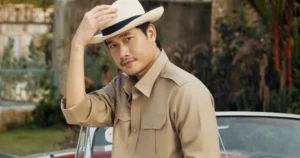
After Eight Years of Quiet Absence from Showbiz, Actress Khanh My Returns with a Powerful Role in Trafficking Drama Tra Buon Nguoi

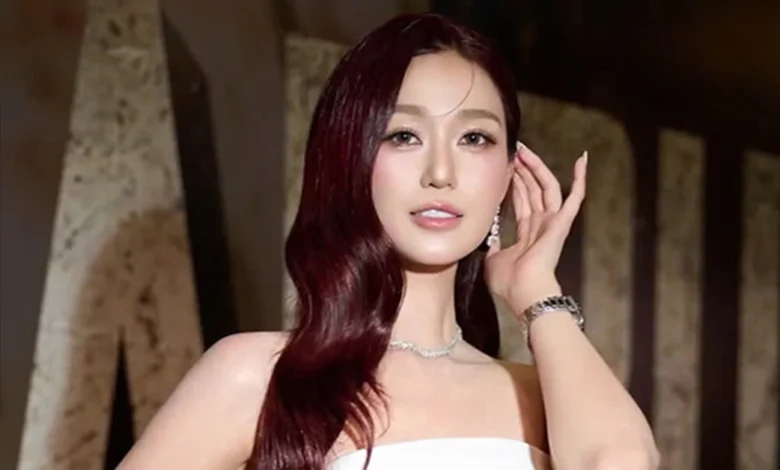
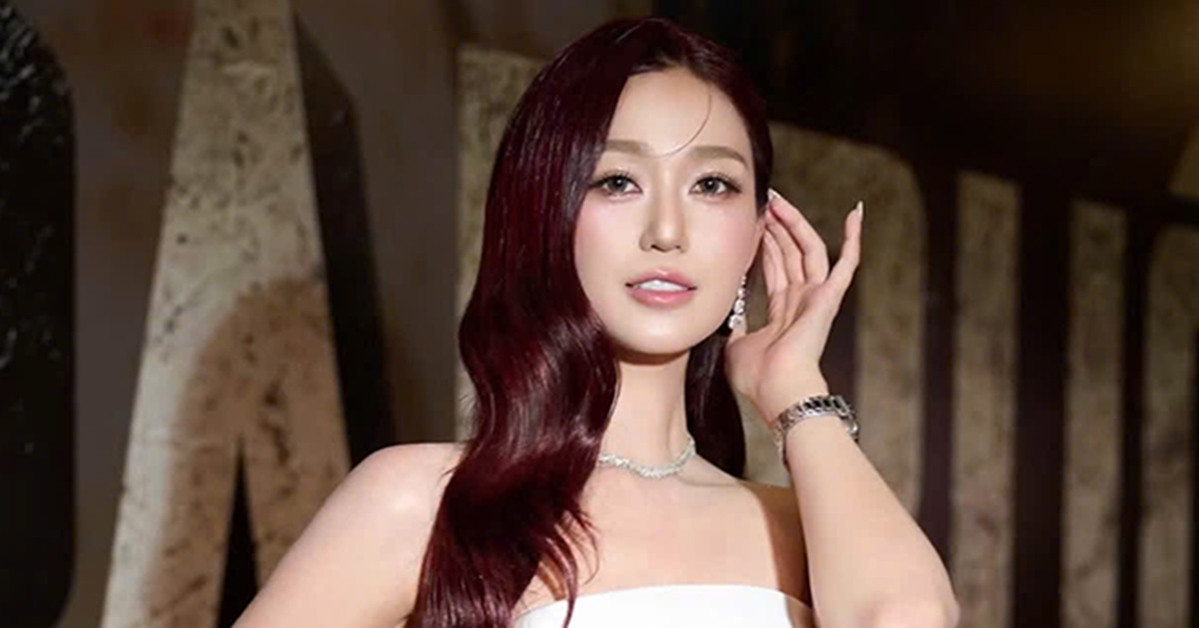
The Vietnamese entertainment industry has witnessed a series of notable comebacks in recent years, but few have generated as much quiet intrigue as the return of actress and model Khanh My. After stepping away from the spotlight for nearly a decade, the 35-year-old artist has officially re-entered the cinematic arena, taking on a harrowing and physically demanding lead role in the upcoming action-thriller Tra Buon Nguoi (Human Trafficking). This resurgence marks a significant turning point not only for her acting career but also for her personal philosophy on life, fame, and maturity.
Stepping Back into the Spotlight: A High-Stakes Return
Khanh My’s return to the silver screen is anything but ordinary. Instead of opting for a soft romantic comedy or a glamorous television drama to ease back into the public eye, she chose to dive headfirst into the gritty, high-stakes environment of an action survival film. In Tra Buon Nguoi, she portrays Diem My, a vulnerable young woman who tragically falls victim to a sophisticated human trafficking ring.
The role required extensive preparation, pushing the actress well beyond her comfort zone. To prepare for the physical and psychological intensity of the character, Khanh My spent dedicated months honing her craft at renowned acting workshops, including classes taught by industry veteran Kathy Uyen. The role demanded a grueling schedule featuring large-scale escape sequences, close encounters with fire and simulated violence, and heavy emotional processing during the film’s dramatic resolution.
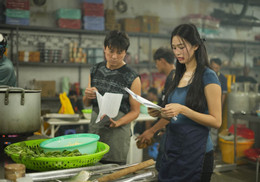
Despite not sharing the dark and dangerous background of her character, Khanh My noted that she found deep emotional resonance in the role’s exploration of grief, separation, and survival. She has expressed a strong desire for the film to transcend simple entertainment, hoping it will serve as a cautionary tale that raises public awareness about the increasingly sophisticated methods employed by modern criminal networks.
A Shift in Artistic Perspective: Redefining Success
The trajectory of Khanh My’s career before her hiatus was characterized by rapid ascent and high-profile projects. Born in Kien Giang province in 1991, she first captured public attention by winning the Gold Award at the 2011 Vietnam Supermodel Contest. Her popularity soared further when she secured the runner-up position in the highly competitive reality television program Dancing with the Stars in 2016.
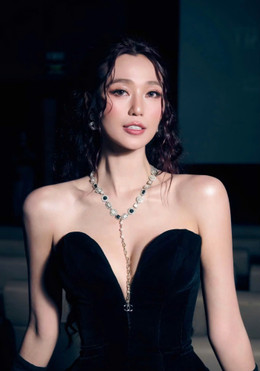
Over the following years, she built a diverse acting resume, starring in television series such as Vay Hong Tang 24 (Pink Dress at Floor 24), Tinh Xuyen Bien Gioi (Love Across Borders), and Ba Vo Cuoi Ba (Three Wives for My Husband). Her portrayal of Hong Tra in the 2018 period drama My Nhan Sai Thanh (Sai Gon Beauties) solidified her status as a leading television actress. Yet, at the height of her visibility, she made the conscious decision to step back from the entertainment circuit.
Looking back at her decision to withdraw, Khanh My explains that the hiatus was necessary to reevaluate her priorities. While she frequently received lucrative acting offers and high-profile invitations during her peak years, she made a deliberate choice to turn them down. She realized that commercial success, public fame, and financial wealth do not inherently translate to personal fulfillment unless an artist possesses a clear understanding of their true desires.

"I used to care a lot about opportunities and external validation," Khanh My shared in an interview. "Now, my motivation to appear in public has completely changed. I want to do things that have true meaning for myself and add value to others. When my work carries meaning and can help someone else, I feel a much deeper sense of happiness."
A Decade of Transformation: Navigating Personal Growth and Well-Being
The eight-year hiatus was far from an empty void; rather, it was a transformative period dedicated to family, self-reflection, and business acumen. The disruptions caused by the COVID-19 pandemic profoundly shifted the actress’s perspective on the fragility of life. During these quiet years, she immersed herself in reading, continuous learning, and intense self-observation, learning the art of slowing down.
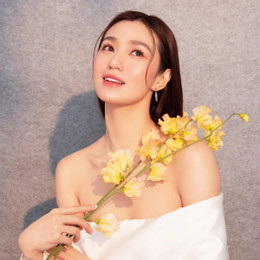
Physical wellness has played a foundational role in her daily routine. For over a decade, Khanh My has maintained a strict fitness regimen, committing to gym workouts and yoga sessions at least five times a week. When time permits, she supplements her routine with weight training, running, cycling, and mountain climbing. For her, physical training is not merely a tool for maintaining a slender physique, but an essential method for balancing mental health and emotional equilibrium.
In tandem with her physical fitness, she adopted a disciplined lifestyle centered around vegetarianism and mindful nutrition. Rather than utilizing dietary changes as a superficial public relations tactic, she views it as a personal choice that brings a sense of lightness, tranquility, and inner peace.
Entrepreneurship and Financial Independence
Beyond her artistic endeavors, Khanh My has steadily developed a successful career as an independent businesswoman. Drawing from her family’s strong mercantile traditions in her native Kien Giang province, she cultivated an early sense of financial literacy, autonomy, and long-term planning.
In 2020, she completed the construction of a seven-story commercial and residential building featuring 40 rental units located on Dien Bien Phu Street in Ho Chi Minh City. This substantial real estate investment generates a stable, recurring passive income stream, granting her the financial freedom to pursue artistic projects entirely on her own terms without commercial pressure.
While the media and public frequently label her a "wealthy lady" or a "tycoon" due to her financial independence, the actress remains grounded. She emphasizes that her success is the result of continuous learning, strategic thinking, and daily effort.
"I consider myself a fortunate person, but behind everything I have achieved is a process of continuous learning and hard work," she noted. "Business requires sharp acumen, and even though it does not involve manual labor, it can be mentally exhausting."

Guarding Personal Privacy and Embracing Contentment at 35
Now at age 35, Khanh My maintains a notably private lifestyle, particularly concerning her romantic relationships. Following the conclusion of a four-year relationship, she has chosen to keep her personal life strictly out of the public eye. While she acknowledges that she is content and emotionally secure, she prefers to focus her remaining energy entirely on her career and cinematic projects.
"My romantic life is something I want to keep exclusively for myself," she reflected. "Currently, my primary focus is on my career and film projects. If a day comes when there is genuine good news to share, I will gladly let everyone celebrate with me."
As Tra Buon Nguoi prepares for its theatrical release, Khanh My’s return serves as a reminder of the resilience required to navigate the entertainment industry. By prioritizing artistic integrity, personal growth, and mental well-being over the relentless pursuit of fame, she steps back into the cinematic world with a renewed sense of purpose, ready to connect with audiences on a deeper, more meaningful level.