The landscape of Ho Chi Minh City is undergoing a transformative shift as the municipal government accelerates the compensation and land clearance process for several critical infrastructure projects. Amidst a mid-November 2026 push, authorities from the Project Management Boards (PMBs) and local administrative offices are working in unison to resolve long-standing bottlenecks. By verifying property status, land usage rights, and ownership documentation, officials aim to unlock the necessary space to expedite construction, effectively ending years of stagnation for projects that have been delayed by site clearance hurdles.
A New Chapter for Urban Infrastructure
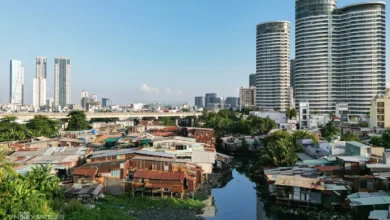
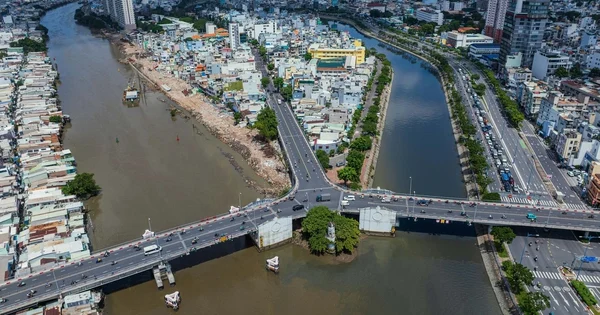
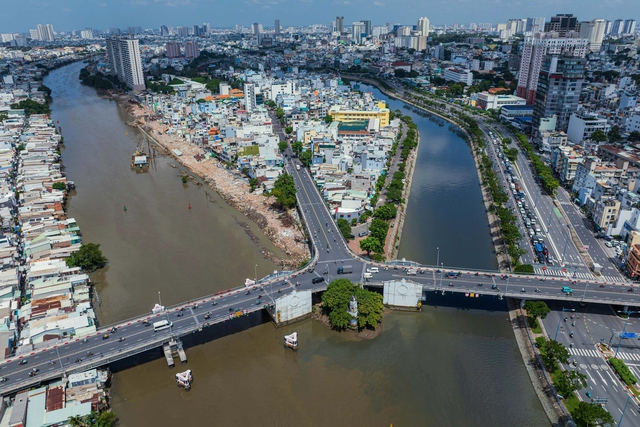
In the heart of District 8, the atmosphere is one of focused urgency. For years, residents living along the Ong Be and Doi canals have contended with severe environmental degradation and the persistent threat of flooding. The urban beautification and canal renovation projects, which have seen significant progress on one side of the Tau Hu-Ben Nghe canal, are now shifting focus toward the western banks.
For long-term residents like Le Ngoc Linh, who resides on Pham The Hien Street near the Mat Bridge, the project is a long-awaited necessity. His family’s property, which has served as both a residence and a business site for decades, has been severely affected by the pollution of the canal. The stench, coupled with the seasonal influx of rodents and insects during high tide, has made living conditions increasingly untenable. As the city moves to clear the land for the renovation of the Ong Be canal, Linh has become an active proponent of the initiative, coordinating with his neighbors to ensure the transition is as smooth as possible.
Chronology and Project Evolution
The journey to this stage of construction has been marked by significant delays and administrative adjustments. The Binh Tien Bridge project, a pivotal link intended to connect the districts through a network of major thoroughfares, offers a stark example of these challenges. Originally approved in 2011, the project faced nearly a decade and a half of setbacks related to funding shortages and shifting land-use planning.
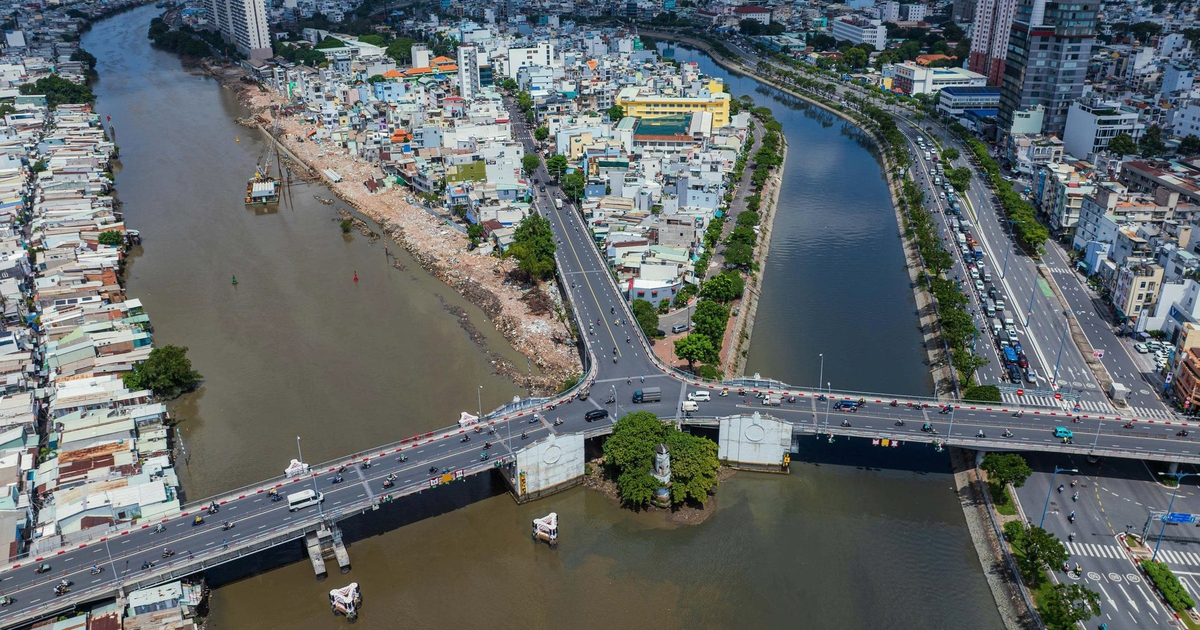
The tide finally turned in April 2025, when the Ho Chi Minh City People’s Council approved a revised investment policy for the project, with a total capital injection of nearly 6.3 trillion VND. Spanning 3.66 kilometers and traversing Binh Tien, Pham Hung, Binh Dang streets, and Binh Hung commune, the project is finally gaining the momentum needed to reach completion.
Tackling Legal Complexity and Documentation
A primary hurdle in the land clearance process remains the intricate web of legal documentation regarding land ownership and inheritance. Nguyen Anh Viet, Director of the Binh Tien Bridge Project Management Board, noted that the project affects 121 households and four organizations, occupying over 12,500 square meters.
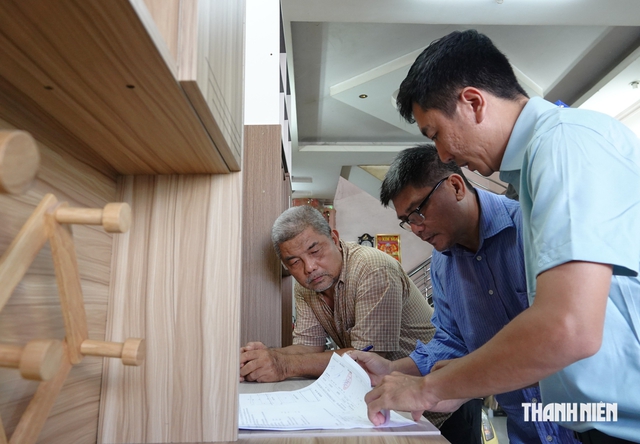
The challenge lies in the fact that many families have not updated their inheritance records or lack formalized property titles. In areas with significant populations of ethnic Chinese heritage, language barriers have occasionally complicated the process, requiring patient, repeated explanations from local officials. To address these issues, the PMB has collaborated with public notary offices, local police, and legal experts to guide residents through the process of filing inheritance claims, verifying property status, and updating land-use certificates after partial acquisition.
For cases involving disputes over ownership or inheritance, funds are placed into escrow accounts to ensure fairness and transparency. In instances where residents require relocation, the PMB has proactively petitioned the Department of Natural Resources and Environment for temporary housing solutions, such as the 18 Binh Tien apartment complex, to provide stability while legal disputes are settled. As of early November 2026, the Binh Tien Bridge project has successfully achieved 100% handover of the required land from the 121 affected households.
Data-Driven Progress in Binh Hung Commune
The progress in Binh Hung commune, which is also tied to the Binh Tien Bridge project, provides a clear metric of success. The project impacts 24 households in the area, involving the acquisition of approximately 130,700 square meters. By early November 2026, the commune had already secured 128,100 square meters, representing a 98% handover rate, while 100% of the compensation payments have been distributed. Local authorities expect the remaining land to be cleared by the end of December 2026, marking a significant milestone in the city’s broader infrastructure strategy.
The Human Element: Resettlement and Support
The city’s approach to these projects emphasizes not only technical efficiency but also social responsibility. In District 8—the area with the highest number of households slated for relocation—the municipal government is implementing flexible, "human-centric" policies. With over 800 households affected by the canal renovation projects alone, and a total compensation budget exceeding 2.46 trillion VND, the stakes are high.
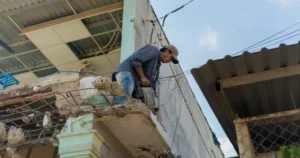
To support those being displaced, the local government has gone beyond mere financial compensation. Authorities are actively connecting residents with local enterprises for job placement, mobilizing social resources to assist with relocation expenses, and deploying youth volunteer groups to help families dismantle their homes safely. Furthermore, the local administration has worked to streamline the issuance of construction permits for new housing, ensuring that those receiving compensation can transition into their new lives with minimal disruption.
Strategic Implications for Ho Chi Minh City
The current push is part of a wider effort to revitalize the city’s core. Beyond the canal renovations and bridge projects, other critical arterial routes, including National Highway 1, National Highway 13, and National Highway 22, are currently under intensive focus for land clearance and compensation.
The scale of the task is immense. Currently, District 8 is implementing four major projects—including the dredging and renovation of the Ong Be and Ong Lon canals and two sections of the Doi canal—affecting nearly 5,500 households. The total budget for compensation and support for these projects stands at over 28.6 trillion VND.
A crucial finding from the PMB’s analysis is the high percentage of households with small living spaces—between 37.9% and 62.6% of affected properties have an area of less than 36 square meters. This reality makes the need for effective, affordable resettlement housing "critically urgent." Consequently, the District 8 PMB has strongly recommended that the Ho Chi Minh City People’s Committee and relevant departments approve compensation plans quickly and ensure an adequate supply of resettlement housing units.
Looking Toward the Future
"The speed of land clearance must keep pace with the preparation of resettlement conditions," said a spokesperson for the District 8 Project Management Board. "Our ultimate goal is not just to clear the land for construction, but to ensure that our citizens have the conditions to stabilize their lives in their new homes."
By partnering with financial institutions to provide credit packages, the city is also helping residents manage the transition period, covering expenses such as temporary rent, healthcare, and educational costs for children. This comprehensive strategy, which integrates legal support, financial assistance, and social welfare, marks a more mature and compassionate approach to urban development in Ho Chi Minh City.
As the city enters the final weeks of 2026, the progress in District 8 and beyond serves as a litmus test for the administration’s ability to navigate the complexities of modern urban planning. If the current trajectory continues, the completion of these projects will not only improve the city’s flood defenses and traffic flow but also significantly elevate the quality of life for thousands of families who have long endured the hardships of living in underdeveloped, high-density areas. The focus remains clear: transparent communication, fair compensation, and a steadfast commitment to the well-being of the displaced population.
Related posts: