Trump Claims Houthi Pledge to Halt Attacks on US Forces Amid Escalating Regional Tensions

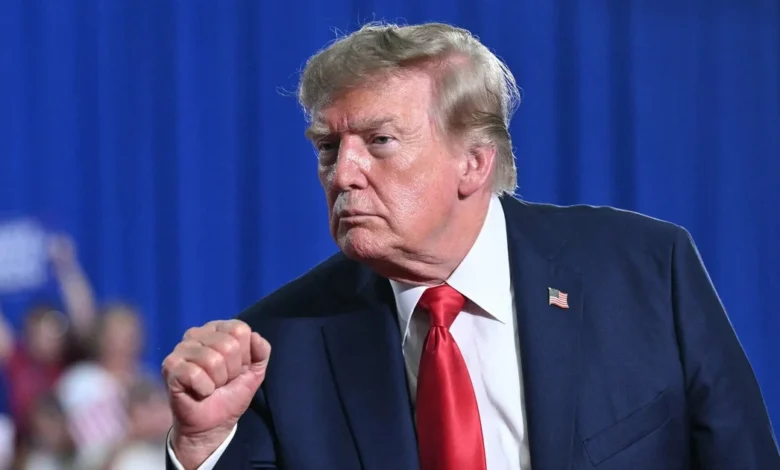
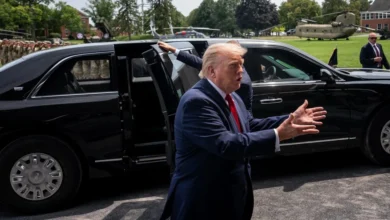
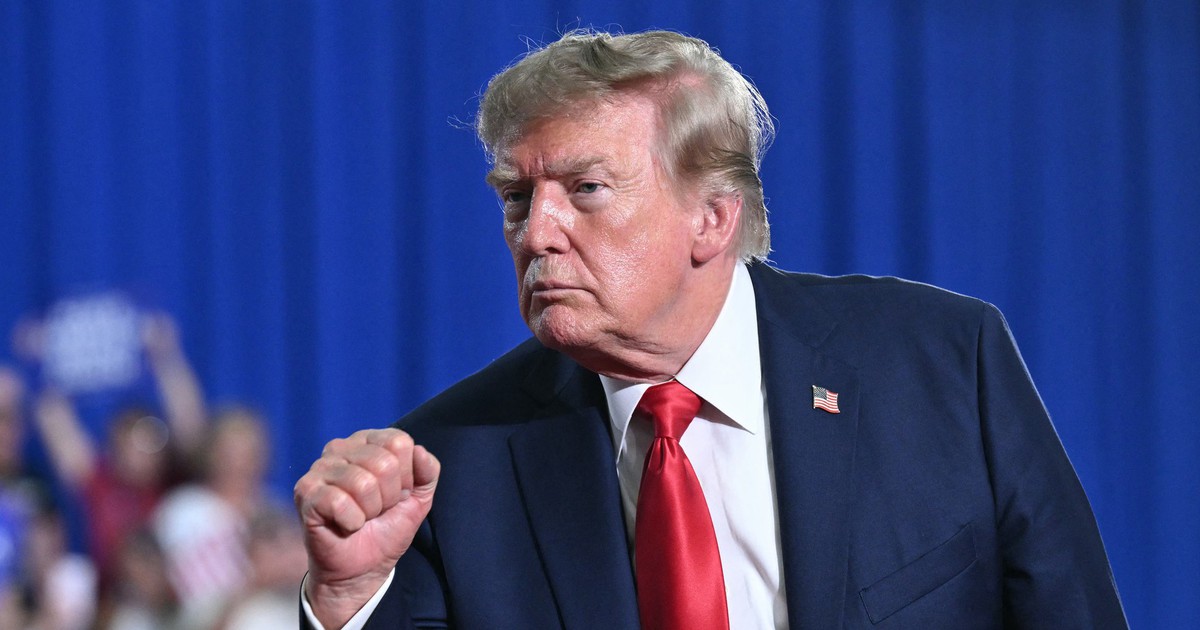
The complex and volatile geopolitical landscape of the Middle East witnessed a striking diplomatic and military development as United States President Donald Trump asserted that the Houthi movement in Yemen has agreed to halt all military actions directed against American forces and assets. Speaking in an interview with Fox News, the U.S. leader emphasized that Washington remains in frequent communication with representatives of the Yemeni group, despite the persistent friction and regional instability that continues to plague the wider region. This unfolding diplomatic narrative occurs against a backdrop of intensified military maneuvers by the Houthi movement against Saudi Arabia, a steadfast security partner of the United States, raising critical questions regarding the shifting alliances and strategic calculations of non-state actors in the Arabian Peninsula.
The assertions made by the White House administration underscore a nuanced and often contradictory dynamic on the ground. While the Houthi leadership has allegedly signaled a willingness to bypass direct confrontations with American military assets operating in regional waters and airspace, their offensive posture against neighboring regional powers has accelerated significantly. The announcement has drawn intense scrutiny from defense analysts, international relations experts, and regional governments alike, all of whom are attempting to decode the true operational intentions of the aligned factions operating under the broader geopolitical influence of the Islamic Republic of Iran.
Background Context of the Houthi Movement and Regional Proxy Dynamics
To fully comprehend the significance of President Trump’s recent statements, it is essential to examine the historical trajectory of the Houthi movement, formally known as Ansar Allah, and its emergence as a dominant force in Yemen. Originating as a traditional revivalist movement in the northern governorate of Sa’dah during the early 1990s, the group gradually evolved into a formidable armed political organization. Over successive decades of civil conflict, political marginalization, and regional intervention, the Houthis capitalized on domestic grievances to expand their territorial control, ultimately capturing the Yemeni capital of Sana’a in late 2014 and forcing the internationally recognized government into exile.
The ensuing civil war drew in a regional coalition led by Saudi Arabia, which sought to restore the ousted government and neutralize what Riyadh viewed as an existential security threat on its southern border. Throughout the conflict, the Houthis received substantial military, logistical, and financial backing from Iran, cementing their status within the so-called Axis of Resistance. This alliance has consistently posed a direct challenge to United States interests and its primary Gulf allies. While Washington has periodically engaged in direct military operations to degrade Houthi capabilities—particularly in response to threats against commercial shipping lanes in the southern Red Sea and the vital Bab el-Mandeb strait—the group has simultaneously maintained a complex posture toward Western forces, balancing escalatory rhetoric with tactical restraint when deemed strategically advantageous.
Chronology of Recent Escalations and Diplomatic Posturing
The diplomatic developments highlighted by the administration did not occur in a vacuum; rather, they followed a rapid sequence of high-stakes military escalations and verbal exchanges across the Middle East. The timeline of events leading up to the current juncture illustrates the precarious balance maintained by international and regional actors:
- Early September 2026: Intelligence reports and diplomatic channels indicated preliminary communications between regional intermediaries and Houthi representatives regarding maritime security and the avoidance of direct friction with U.S. naval assets deployed in the region.
- September 12, 2026: President Trump publicly asserted that elements within Yemen had transmitted informal messages to Washington expressing a desire to de-escalate specific theaters of conflict and avoiding direct military engagement with American personnel.
- September 19, 2026: The Houthi movement launched a coordinated series of drone and missile strikes targeting the Saudi capital of Riyadh, alongside critical petroleum infrastructure operated by Saudi Aramco at the vital Red Sea port of Yanbu. Simultaneously, ground offensives advanced along the western coastline of Yemen.
- September 20, 2026: In an extensive interview with Fox News, President Trump reiterated that the Houthi leadership had committed to refraining from attacks against U.S. interests, while simultaneously issuing sharp warnings regarding Iran’s broader regional behavior and threatening severe economic and military repercussions.
- Concurrently, senior Iranian military commanders and parliamentary officials responded to Washington’s posture by warning of immediate, sustained retaliatory measures against American military bases and regional interests should any large-scale offensive be launched against the Islamic Republic.
Strategic Implications for Saudi Arabia and Red Sea Maritime Security
The aggressive posture adopted by the Houthi movement against Saudi territory presents Riyadh with an acute strategic dilemma. By intensifying operations against the Saudi interior and expanding territorial control along the Red Sea littoral, the group has positioned itself directly astride the Bab el-Mandeb strait. This narrow body of water serves as an indispensable maritime corridor connecting the Indian Ocean to the Mediterranean Sea via the Red Sea and the Suez Canal, through which a significant portion of global commerce and energy supplies transit daily.
The ability of the Houthis to project power into this vital shipping lane grants them considerable leverage over international trade, effectively transforming local military gains into global economic pressure points. For Saudi Arabia, this reality severely complicates decision-making processes. Riyadh must constantly weigh the military necessity of conducting counter-air and counter-offensive operations to protect its sovereign territory and vital infrastructure against the risk of provoking further retaliatory strikes that could disrupt national stability, deter foreign investment, and derail ongoing domestic economic transformation initiatives. Consequently, the kingdom is frequently forced into a defensive posture, balancing the enforcement of its security red lines with cautious diplomacy designed to minimize collateral damage and avoid wider regional conflagrations.
The Broader Standoff Between Washington and Tehran
Beyond the immediate theater of Yemen, President Trump’s remarks to Fox News reflected a broader, highly confrontational strategy directed toward Tehran. Describing ongoing deliberations within the executive branch regarding the future of U.S. policy toward Iran, the president alluded to extreme punitive options, ranging from comprehensive economic strangulation to decisive military actions aimed at dismantling the regime’s strategic capabilities. These statements underscore a continuous policy of maximum pressure, designed to compel Iranian leadership to alter its regional calculus, curb its nuclear ambitions, and rein in allied militias across the Middle East.
In response, Iranian officials have adopted an increasingly uncompromising stance. The leadership in Tehran has repeatedly emphasized that any military aggression initiated by the United States or its allies will trigger a coordinated and painful regional response, utilizing an extensive network of aligned paramilitary groups spanning Iraq, Syria, Lebanon, and Yemen. Furthermore, Iranian authorities have reiterated their previous positions concerning strategic waterways such as the Strait of Hormuz, asserting that vital energy export routes will remain heavily restricted or closed unless outstanding diplomatic agreements and sanctions relief frameworks are fully honored by Washington.
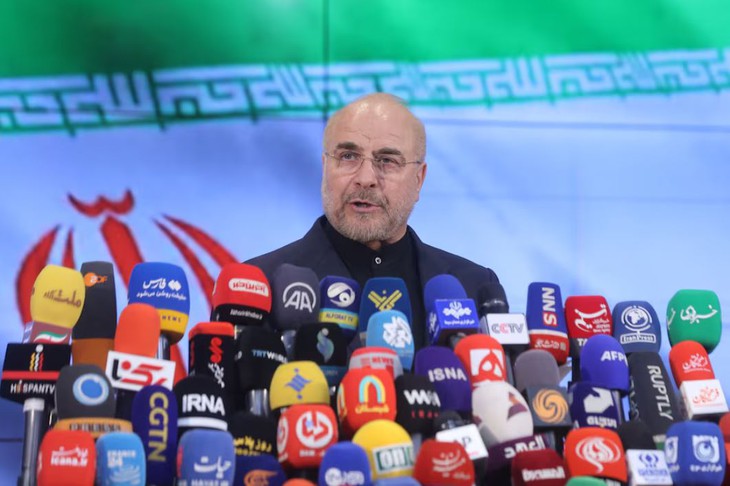
The Chairman of the Iranian Parliament, Mohammad Bagher Ghalibaf, articulated this dual-track strategy in recent public addresses, declaring that the Islamic Republic will concurrently pursue asymmetric deterrence and stubborn diplomatic engagement to counter external pressure. This delicate balancing act highlights the profound mistrust prevailing between the two nations, leaving little room for conventional diplomatic breakthroughs in the near term.
Analysis of Potential Outcomes and Regional Fallout
The intersection of Houthi tactical independence, Saudi security vulnerabilities, and the high-stakes standoff between the United States and Iran creates a volatile environment where miscalculation remains the primary danger. Several key analytical takeaways emerge from the current trajectory of events:
- Compartmentalization of Conflict: The reported understanding between the United States and the Houthi movement suggests a tactical compartmentalization where non-state actors selectively manage their list of adversaries to avoid overwhelming retaliatory responses from superpowers, while simultaneously pursuing local territorial ambitions against regional rivals.
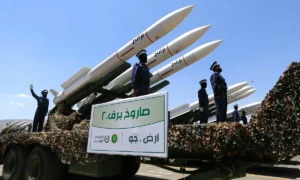
- Fragility of Regional Deterrence: The ongoing strikes against Saudi infrastructure demonstrate that traditional deterrence models are increasingly strained. As proxy capabilities advance in sophistication—incorporating longer-range precision-guided munitions and asymmetric drone swarms—conventional defense systems face unprecedented operational challenges.
- Economic Vulnerability: The strategic positioning of Houthi forces near the Bab el-Mandeb strait ensures that maritime security will remain a top priority for global shipping conglomerates and naval coalitions. Any systemic disruption to this artery risks immediate spikes in global energy prices and freight insurance rates, carrying worldwide economic repercussions.
- The Limits of Coercive Diplomacy: While maximalist rhetoric and economic sanctions remain central tools in Washington’s foreign policy toolkit, their efficacy in fundamentally altering the behavior of deeply entrenched ideological networks in Tehran and Sana’a continues to be debated by geopolitical strategists.
As diplomatic channels remain strained and military readiness along critical fault lines stays at an elevated level, the international community continues to monitor the situation closely. The delicate equilibrium between stated de-escalation understandings and active regional hostilities will undoubtedly test the resilience of Middle Eastern security frameworks in the months ahead.