The historic Vinh Citadel, a venerable landmark that has stood for over 222 years at the heart of Vinh City, Nghe An Province, is poised for a comprehensive restoration project. With a government-approved budget of 10.5 billion VND, the project aims to stabilize the structure, which has suffered from significant deterioration over the centuries. Currently, only three of the original citadel gates remain, and the site faces numerous structural challenges that have prompted urgent conservation efforts by local authorities.

A Legacy of Strategic Defense
Constructed in 1804 under the reign of Emperor Gia Long, the Vinh Citadel was originally built as a Vauban-style fortress—a revolutionary architectural design for the era characterized by its hexagonal shape, surrounding moat, and formidable stone walls. For over two centuries, the citadel served as a crucial military and administrative hub for the North Central region of Vietnam.
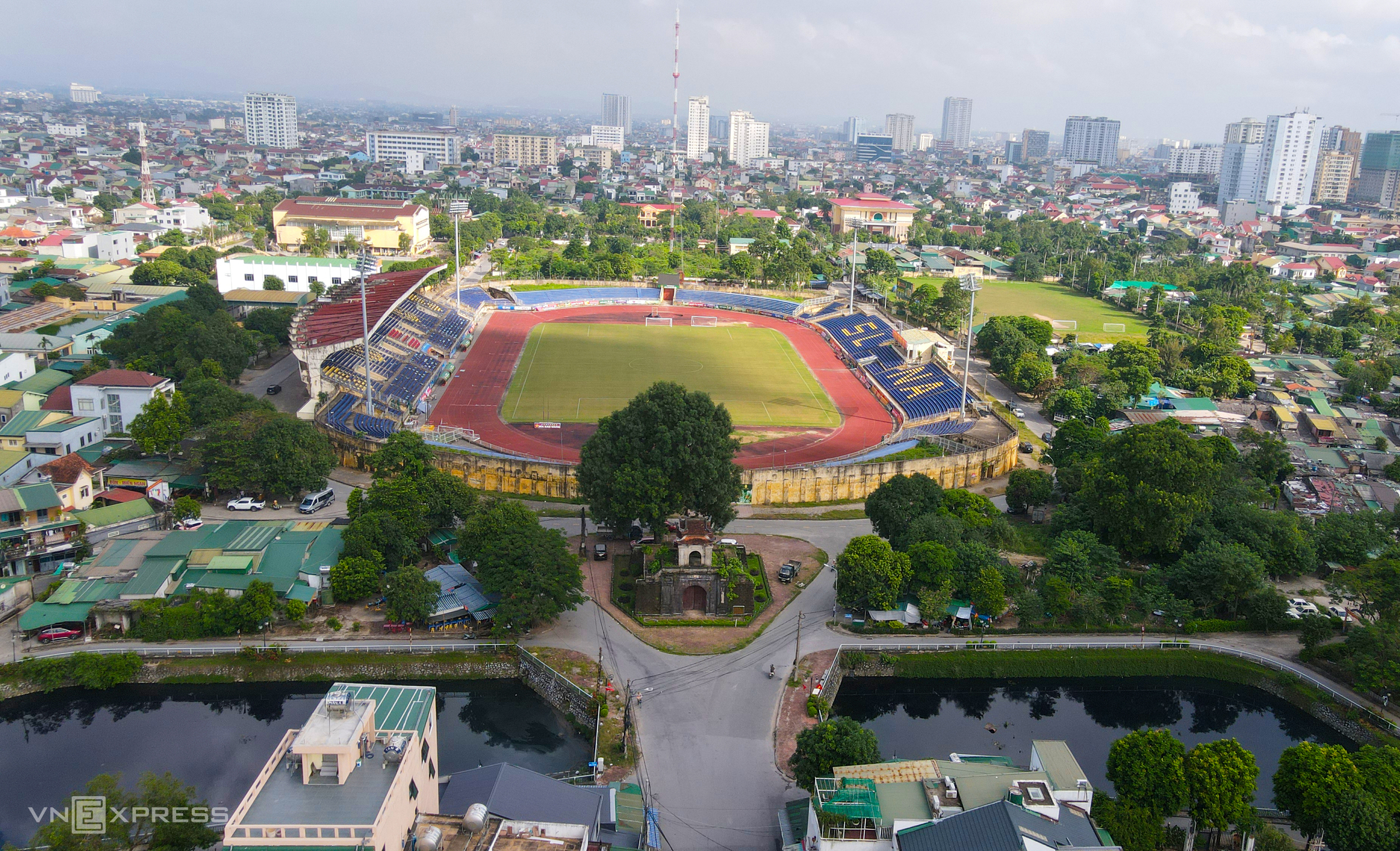
Throughout the 19th and early 20th centuries, the citadel acted as a silent witness to the turbulent history of the region. During the French colonial period, it was repurposed to house a high-security prison, notorious for detaining political activists during the Nghe Tinh Soviet uprising between 1930 and 1932. This transformation from a symbol of royal authority to a site of colonial repression cemented its status as a significant national historical and cultural monument.
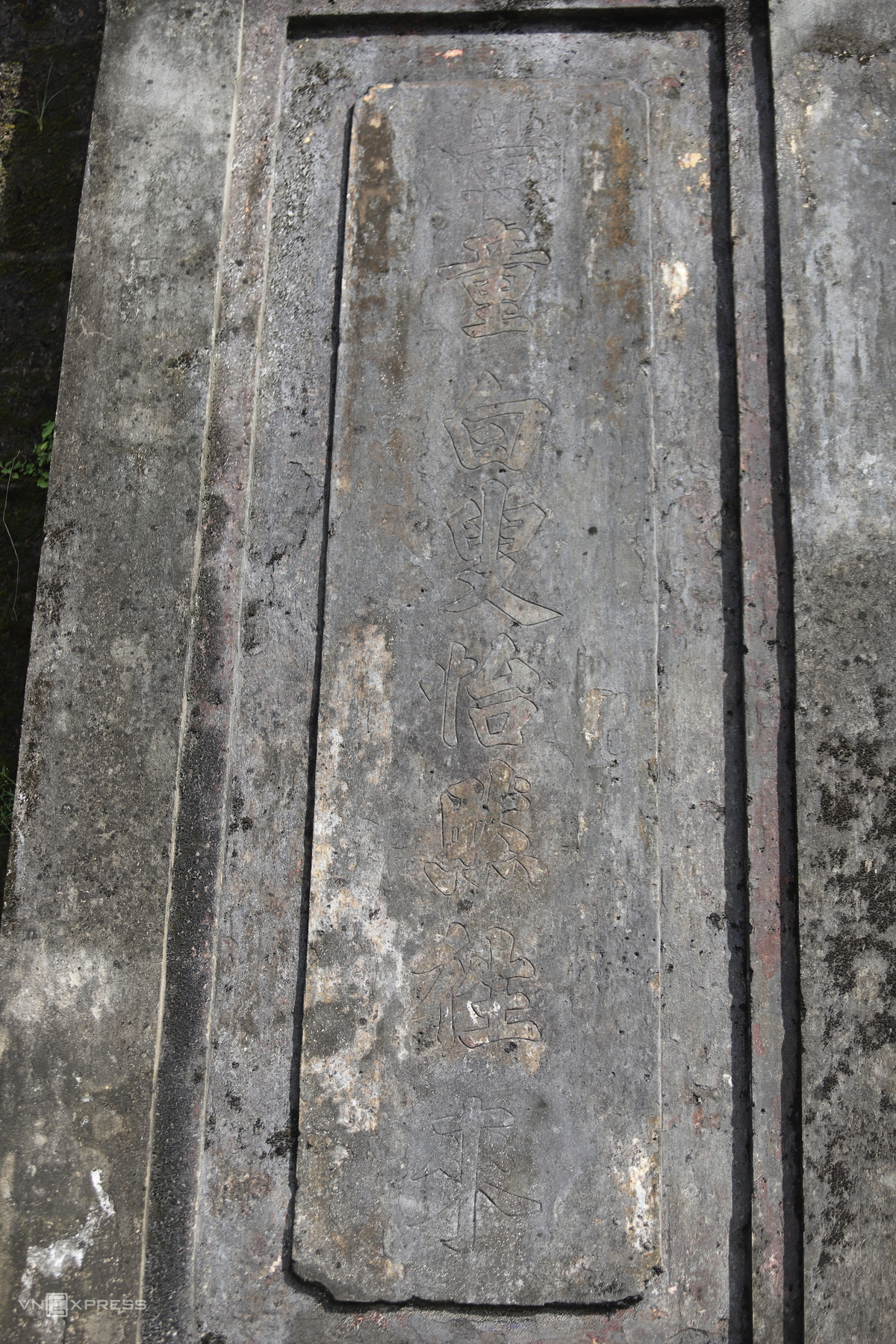
Current State of Disrepair
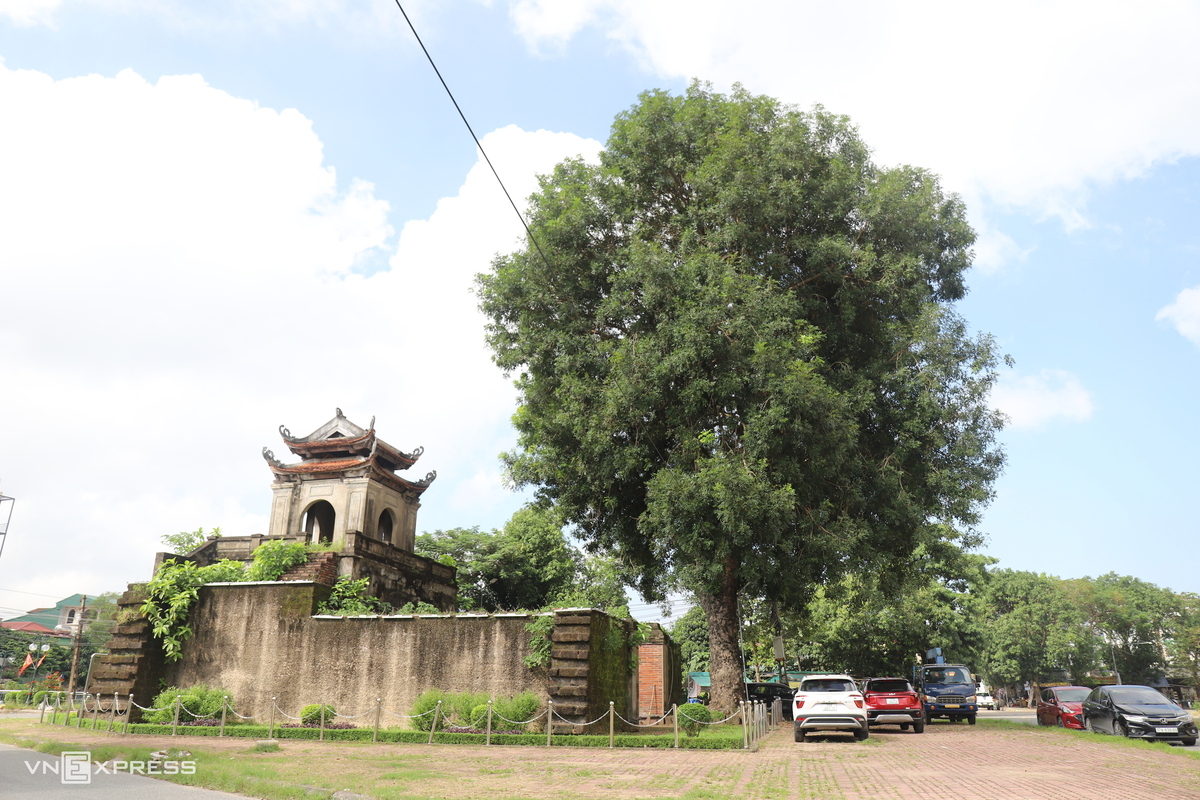
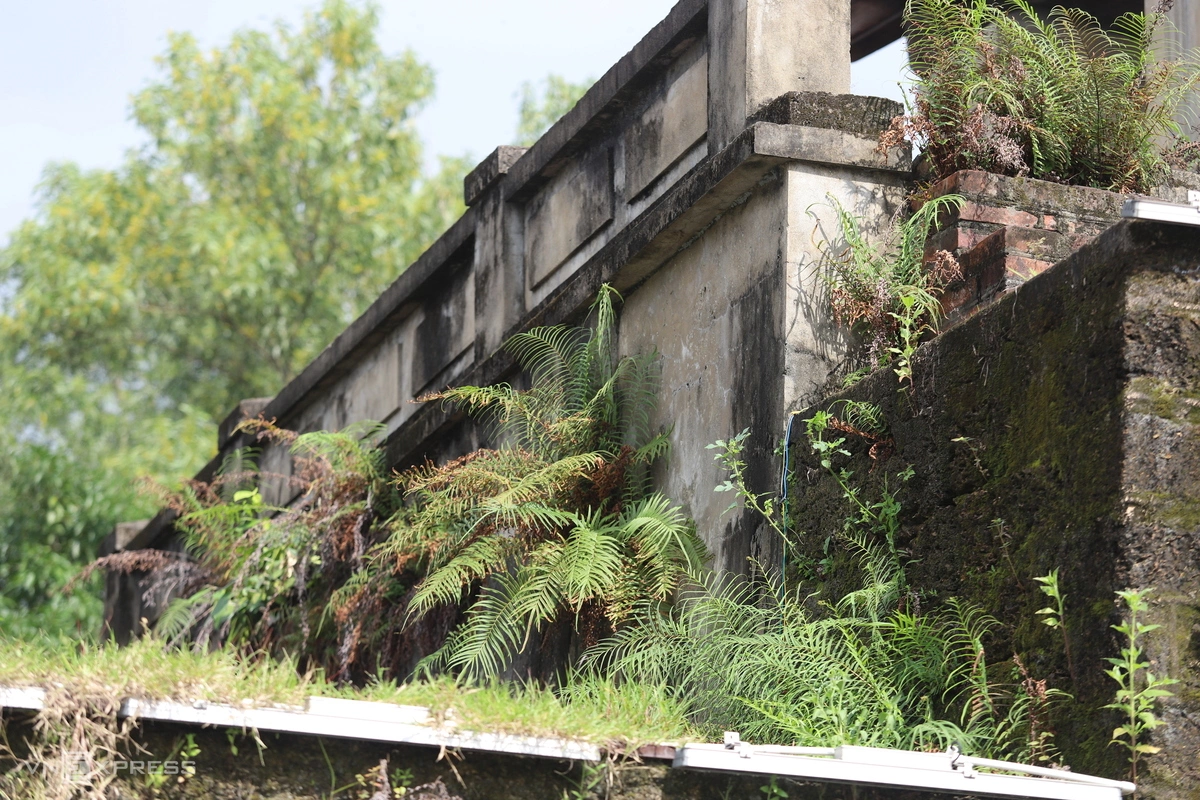
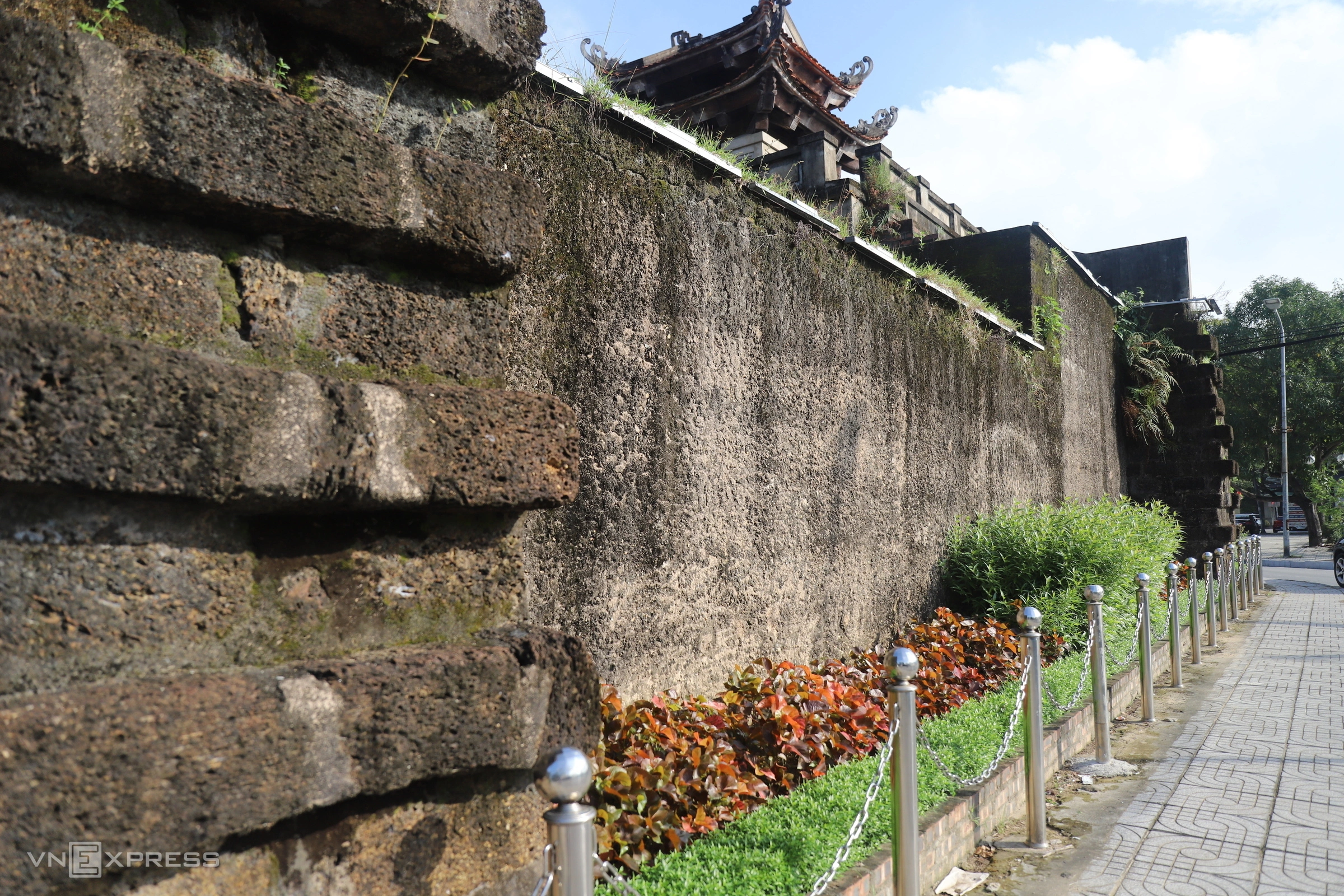
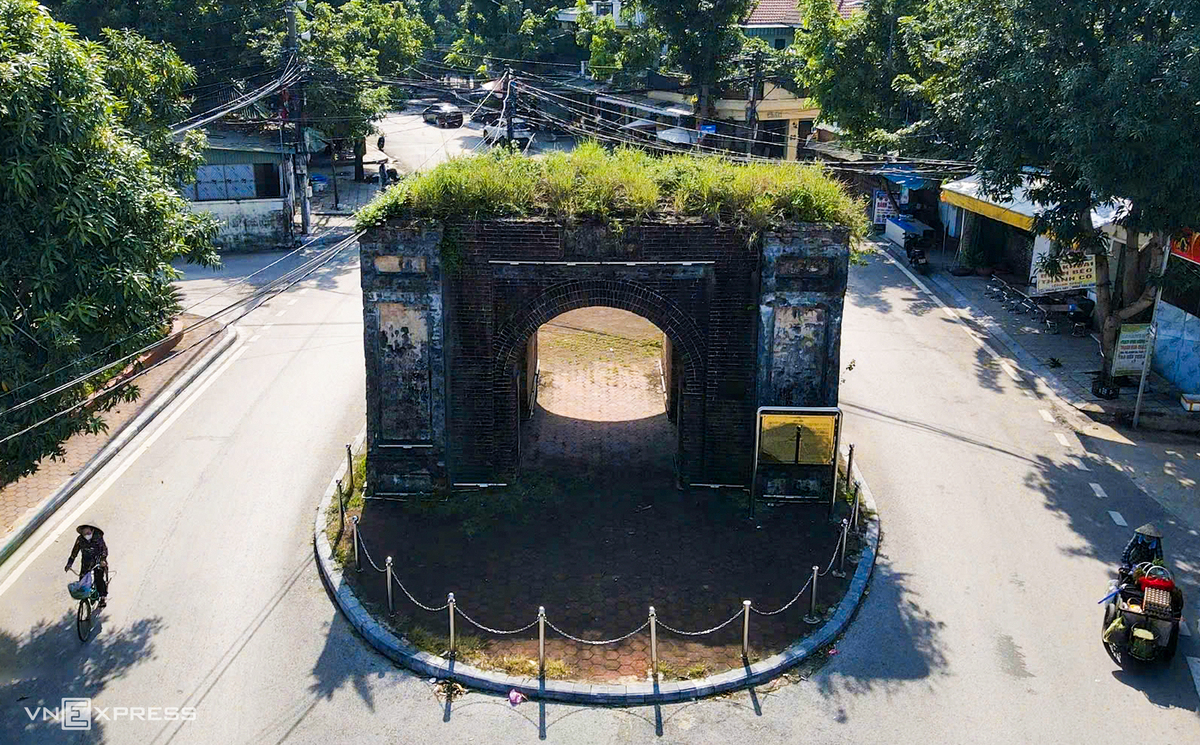
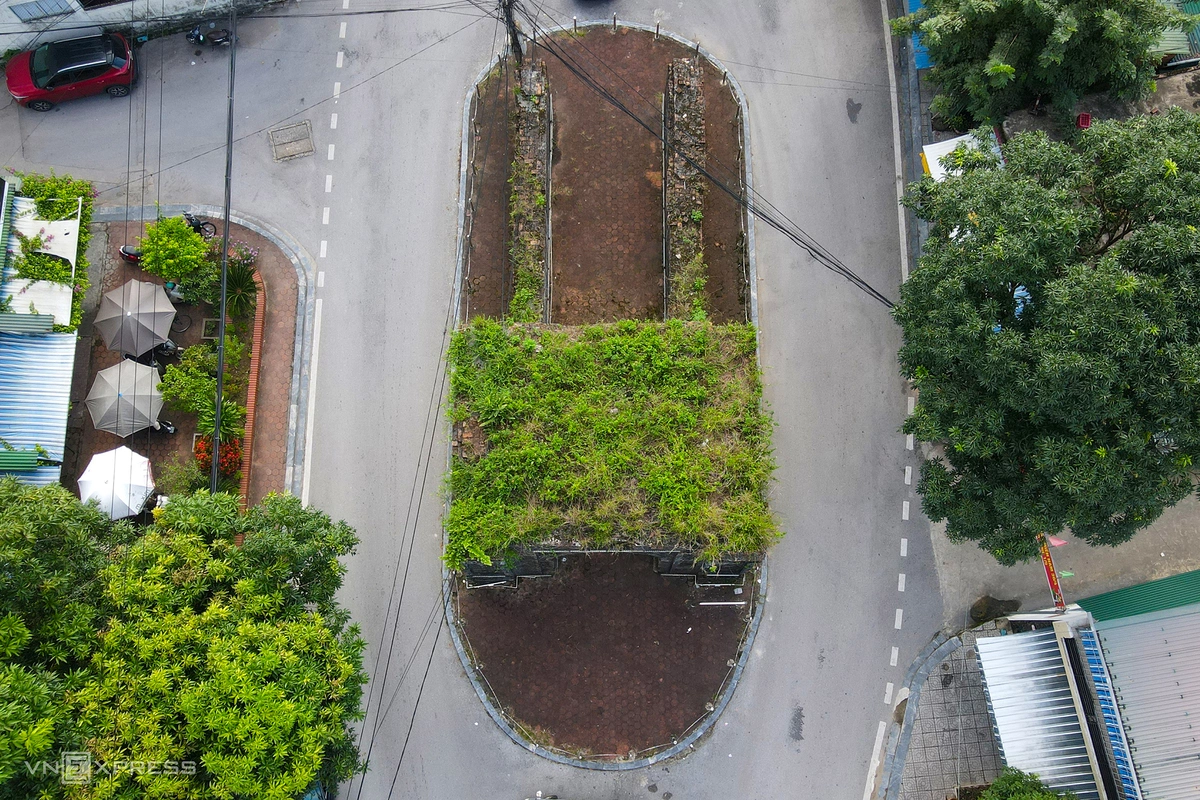
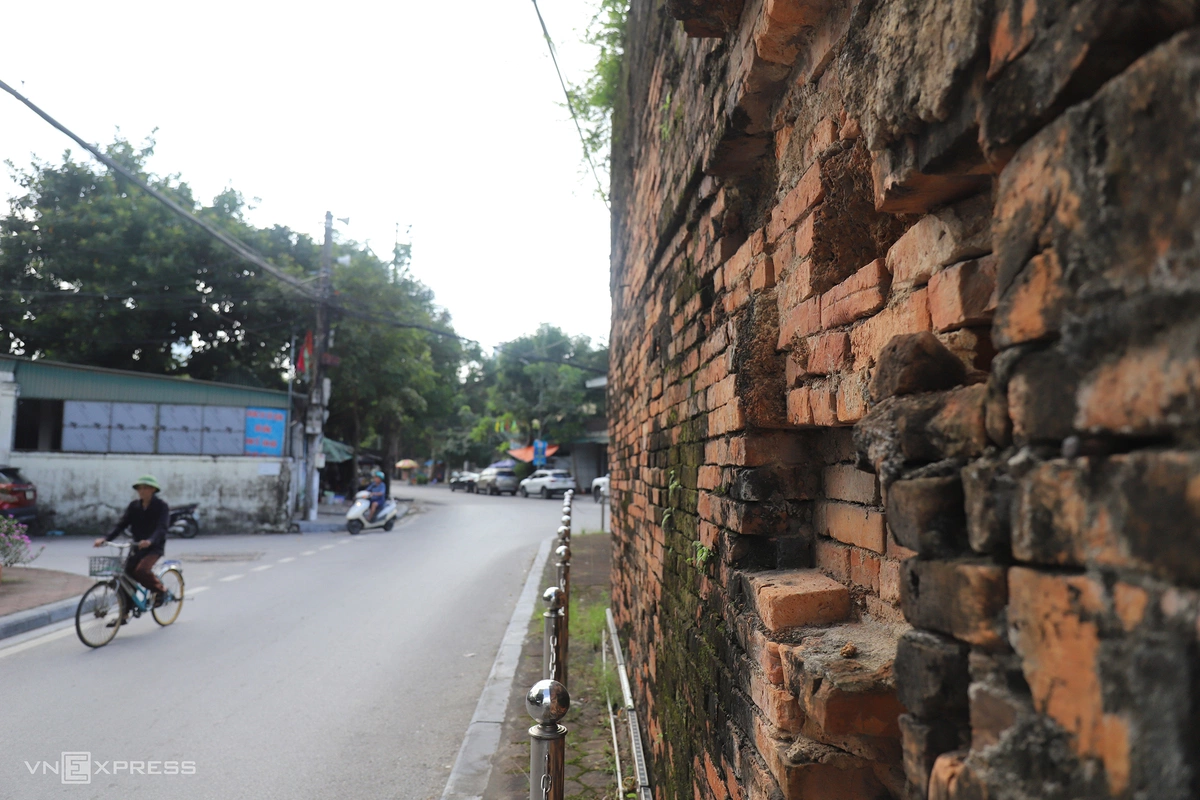
Despite its historical importance, the citadel has succumbed to the ravages of time and environmental factors. Aerial surveys and on-site inspections reveal that large sections of the masonry are crumbling, with root systems from encroaching vegetation—most notably large Sago palm trees—tearing through the historic brickwork.
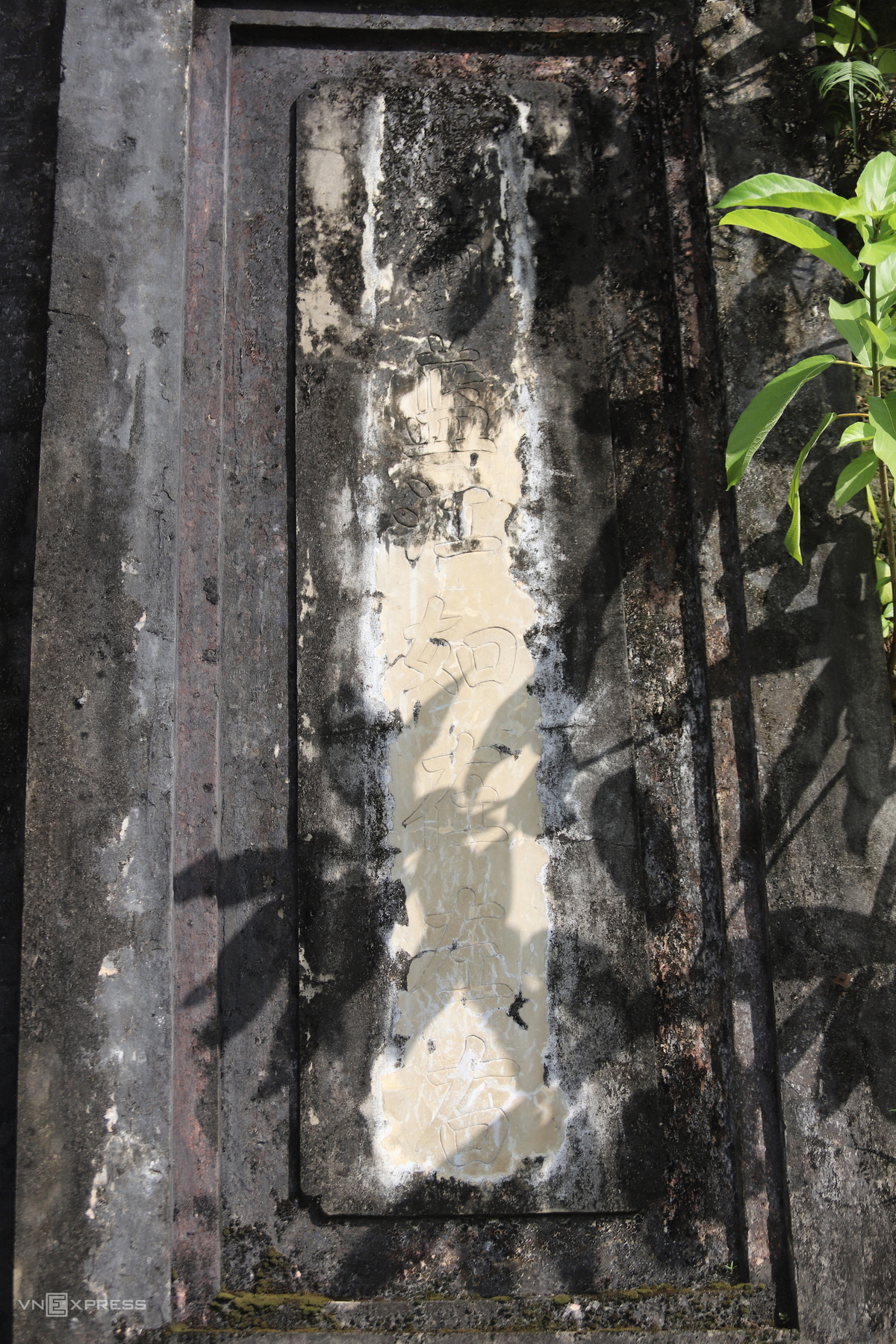
The three remaining gates—Tien Mon (South Gate), Huu Mon (Right Gate), and Ta Mon (Left Gate)—are in varying states of decay. The Tien Mon gate previously underwent structural reinforcement, but other sections, including the Huu Mon gate, remain largely untouched by modern conservation techniques. The Huu Mon gate, in particular, is currently obstructed by urban development, with nearby utility poles, signage, and unauthorized commercial structures encroaching on the perimeter, further compromising the integrity of the site.
Expert Perspectives on Conservation
The proposed restoration has sparked a rigorous debate among historians and heritage experts regarding the authenticity of the reconstruction. Pham Xuan Can, a researcher and former Deputy Director of the Nghe An Department of Science and Technology, has been a vocal proponent of a conservative approach to the restoration.
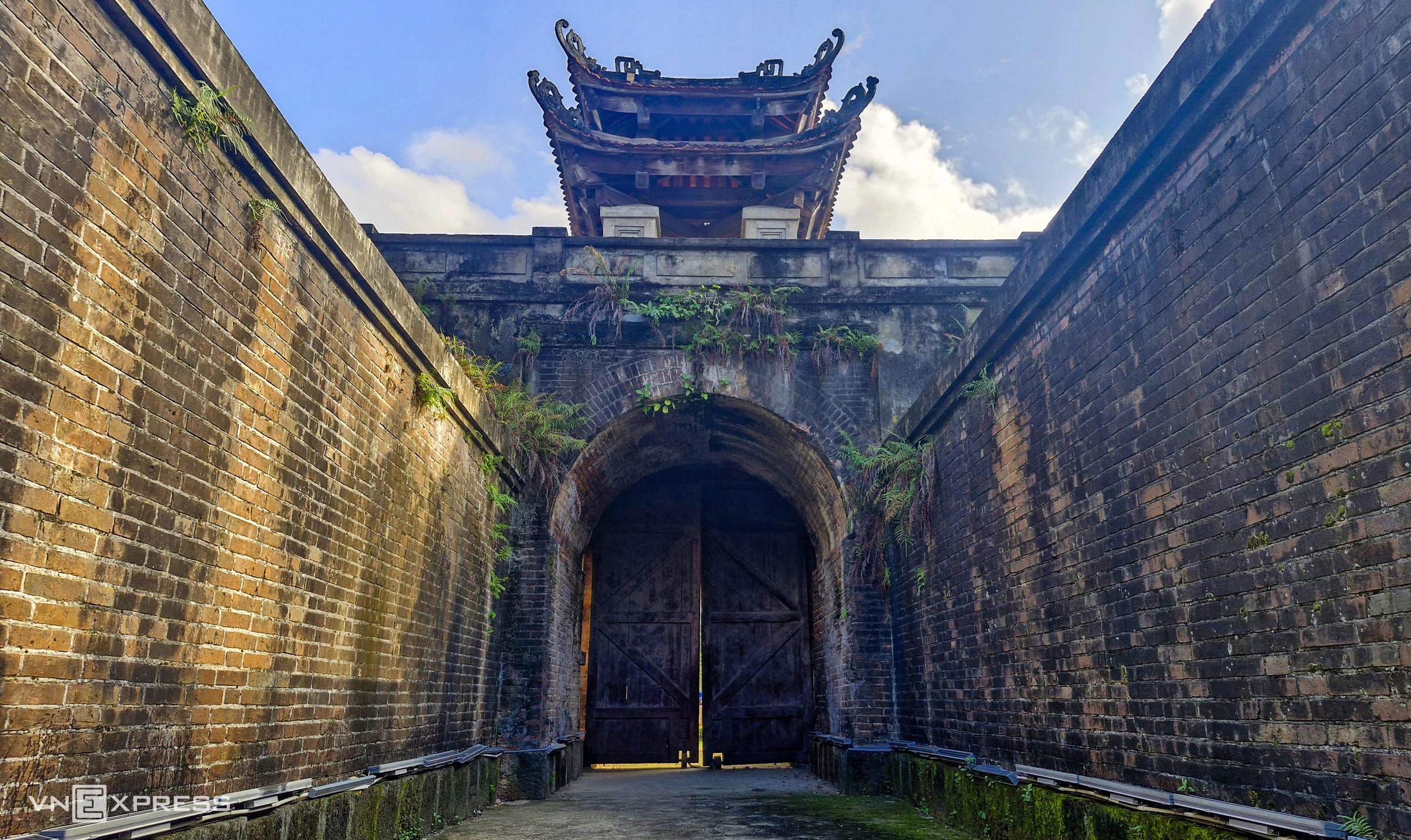
"The primary challenge is determining the original design of the gates, particularly the Huu Mon," Can stated. "Archival photographs suggest that not all gates featured watchtowers. While the Tien Mon gate, as the primary entrance facing south, clearly required a watchtower for royal use, historical evidence does not support the same architectural feature for the secondary gates."
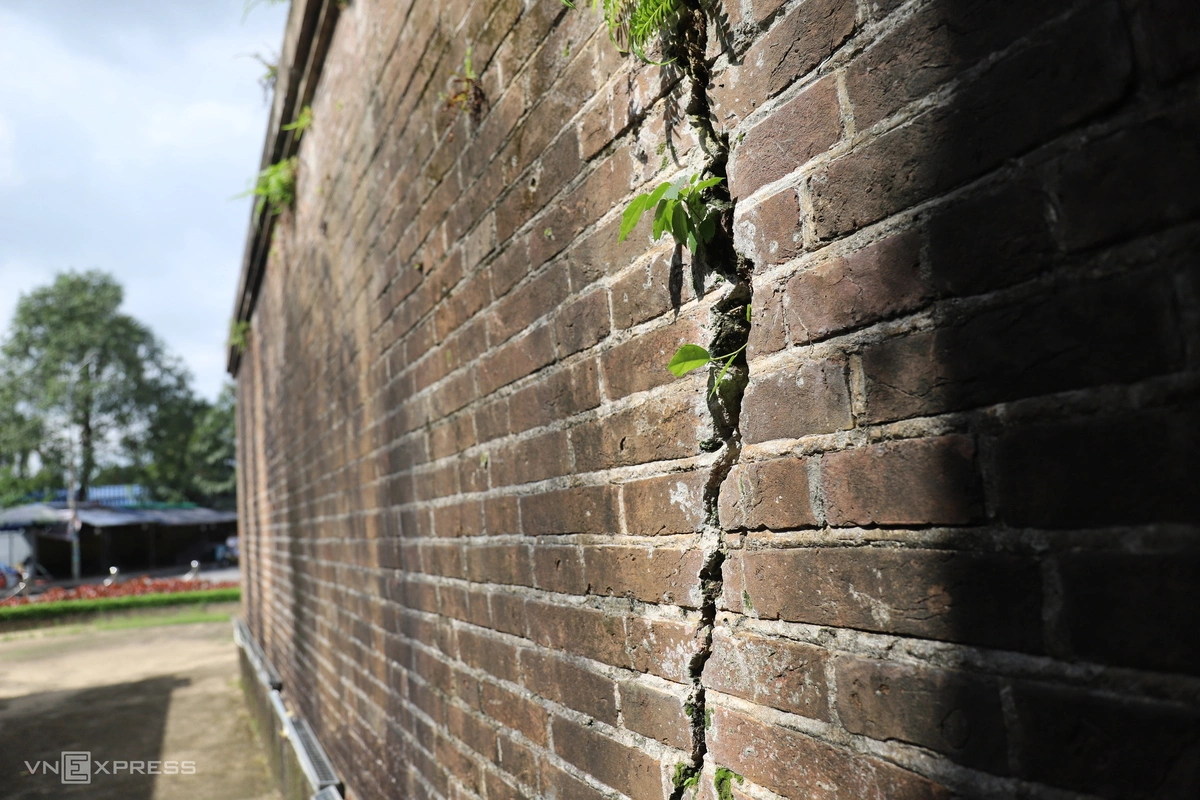
Can argues that the restoration should prioritize structural stabilization and the preservation of original materials over the aesthetic addition of period-style features that may not have existed historically. He cautions against "over-restoring" the site, suggesting that the goal should be to maintain the structural stability of the vaulted brickwork while removing the modern debris and vegetation that threaten the ruins.
Timeline of Development and Preservation
- 1804: Construction of the Vinh Citadel commences under Emperor Gia Long.
- 1930–1932: The citadel is utilized as a prison for political dissidents during the Nghe Tinh Soviet movement.
- Late 20th Century: The site is recognized as a national heritage, yet suffers from urban encroachment and lack of maintenance.
- 2026: Official approval of the 10.5 billion VND budget for comprehensive restoration and site management.
- Current Phase: Preliminary clearing of vegetation and site surveying are underway to prepare for the main construction phase.
Broader Implications and Urban Management
The restoration project is not merely an architectural endeavor but a test of urban planning and heritage management for the Vinh City administration. The citadel is currently under the jurisdiction of the Thanh Vinh Ward People’s Committee. The project’s scope includes the relocation of encroaching businesses and the removal of hazardous infrastructure, such as power lines and concrete structures, that have been built in close proximity to the fortress walls.
One of the most pressing concerns for local residents is the safety of the surrounding area during the work. There is a palpable fear that the removal of large trees—which have grown into the walls over decades—could trigger a structural collapse if not executed with extreme precision. The project management board has indicated that specialized engineering teams will be employed to prune and remove vegetation without disturbing the deep-seated root systems that have intertwined with the original mortar and brickwork.
Economic and Cultural Value
Beyond the historical significance, the restoration is expected to have a positive impact on the tourism sector in Nghe An. Vinh City has long sought to diversify its economy beyond industrial and commercial activities, and the revitalization of the citadel represents a central pillar in its cultural heritage tourism strategy.
By reclaiming the citadel grounds, the city aims to create a public space that educates the younger generation on the sacrifices made during the 20th-century independence struggles while preserving the architectural aesthetics of the Nguyen Dynasty. The proximity of the citadel to the Nghe An – Ha Tinh Soviet Museum creates a natural "heritage circuit," which city planners hope will increase foot traffic and extend the length of visitor stays in the city.
Strategic Recommendations
As the project moves into the implementation phase, the following points remain critical for success:
- Archival Alignment: Strict adherence to historical documentation is required to avoid the common pitfall of "modernizing" antique structures.
- Environmental Mitigation: A phased approach to tree removal is essential to prevent sudden shifting in the soil and wall pressure.
- Community Engagement: Local residents in the surrounding wards must be kept informed, as the restoration will inevitably affect traffic patterns and local commerce on Dao Tan Street.
- Long-term Maintenance: The 10.5 billion VND investment will be wasted if a sustainable management plan—ensuring the site remains free of new encroachments—is not implemented post-restoration.
The restoration of the Vinh Citadel is an ambitious effort to reconcile the city’s rapid urban expansion with its deep historical roots. As the project begins to reshape the landscape of the city center, the eyes of the preservation community will be on the balance between modern engineering and the respectful stewardship of Vietnam’s architectural heritage. Whether the project succeeds in reviving the glory of the old citadel or simply stabilizes a fading memory will depend largely on the adherence to professional standards and the transparency of the oversight committee throughout the next several months of construction.