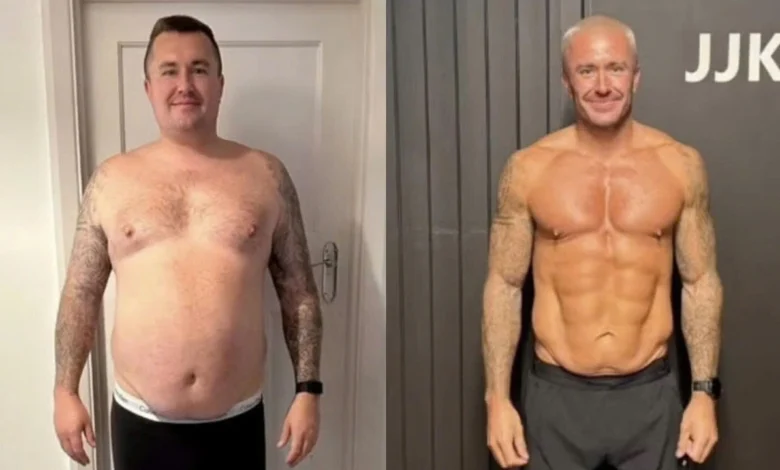
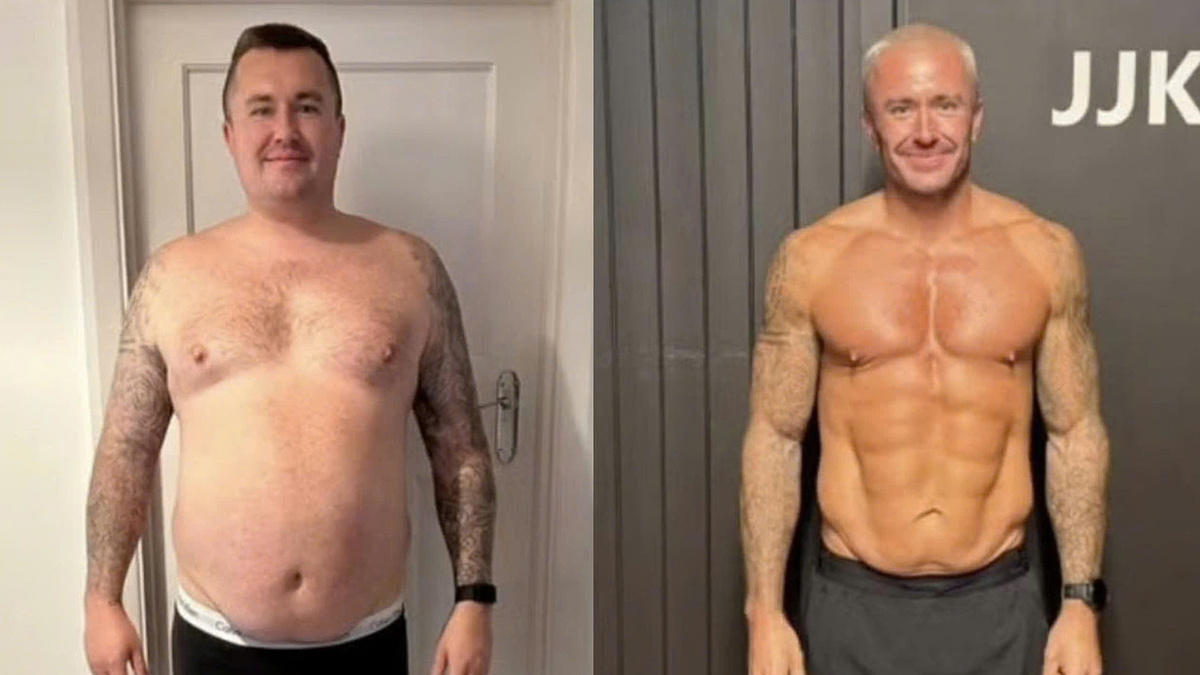
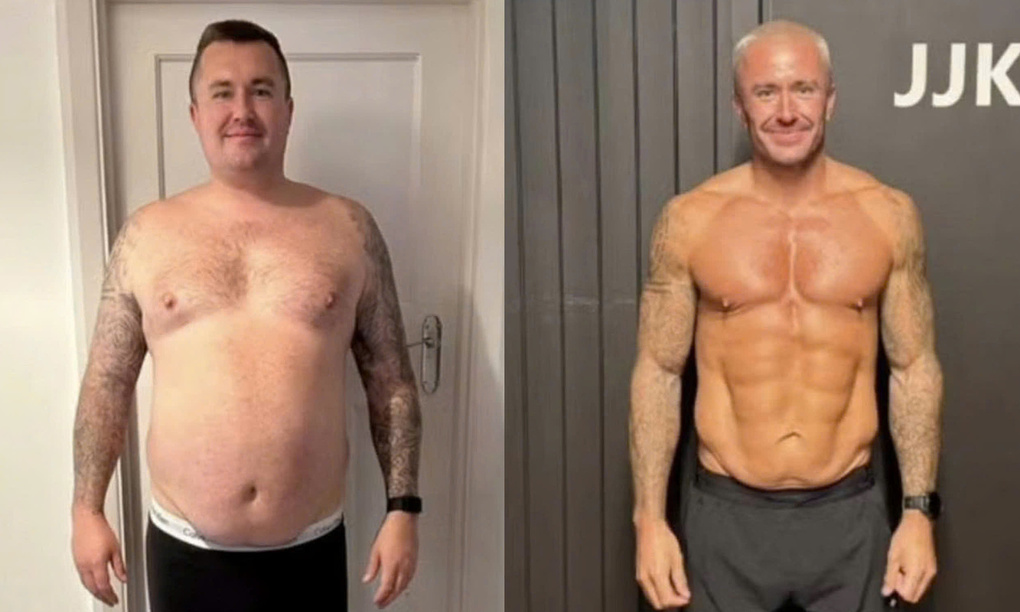
In a remarkable display of physical and mental transformation, Danny Marshall, a 41-year-old father of two from the United Kingdom, has successfully shed 47 kilograms, descending from 139 kg to 92 kg over the course of two years. His journey, which began as an attempt to regain control over a lifestyle consumed by professional burnout and sedentary habits, has since evolved into a testament to the efficacy of sustainable, habit-based fitness strategies. By integrating functional training with a simplified nutritional approach, Marshall has not only reclaimed his health but has also become an advocate for sustainable lifestyle changes for busy professionals.
The Catalyst for Change: From Burnout to Breaking Point
For years, Marshall lived a cycle common to many working parents: high-stress work demands followed by a total neglect of physical health. "I only knew how to work," Marshall recounted. "Each visit to the gym was a performative act. I would go through the motions, walk on a treadmill for a few minutes, and then immediately stop at a convenience store to purchase bread, butter, and cookies."
His reliance on "stress eating" and an inability to regulate his diet resulted in a state of chronic fatigue and physical deterioration. At his peak weight, he suffered from persistent knee pain, which was later clinically diagnosed as a combination of meniscus tearing and a Baker’s cyst—a fluid-filled sac behind the knee. This physical limitation created a "Catch-22" scenario: the more weight he gained, the less mobile he became, and the less he moved, the more his health declined.
Chronology of the Transformation
The journey to weight loss was not linear. Marshall’s initial attempts involved hiring an online personal trainer, which yielded a modest loss of 16–19 kg. However, the lack of a structured, community-based environment led to a relapse. A specific incident at his daughter’s school sports day served as a major turning point; the realization of his physical limitations and the subsequent three-month period of regression forced him to reassess his strategy.
- Phase 1 (The Initial Attempt): Engagement with remote coaching, resulting in moderate but unsustainable weight loss.
- Phase 2 (The Regression): A period of three months characterized by a return to old habits, triggered by a loss of motivation and a lack of accountability.
- Phase 3 (The Structural Shift): Joining a functional fitness gym that combined CrossFit and Hyrox methodologies, providing the community support and professional guidance necessary for long-term adherence.
- Phase 4 (Sustainability): Refining his nutrition to focus on high-protein meal replacements and simplified, calorie-controlled meals, effectively ending his cycle of impulsive snacking.
Nutritional Strategy: The ‘Lazy’ Approach
Marshall’s success is largely attributed to his decision to abandon complex meal preparation, which he found overwhelming. Instead, he adopted a "low-friction" nutrition plan. By utilizing protein shakes and pre-portioned meal replacements, he removed the decision-making fatigue that often leads to unhealthy choices.
"If I left a single chocolate bar open, I would inevitably eat the entire package," Marshall explained. By creating a system where the "default" choice was a nutrient-dense, pre-planned meal, he successfully controlled his caloric intake without the need for constant, agonizing willpower. This approach underscores a growing trend in behavioral health: reducing the cognitive load of dieting is often more effective than restrictive calorie counting.
The Role of Functional Fitness and Community
The transition from solitary workouts to a group-based functional fitness environment was pivotal. Functional fitness, which incorporates movements essential for daily living—such as lifting, squatting, and endurance running—allowed Marshall to adapt his training to his physical capacity.
Initially, the intensity of CrossFit and Hyrox—a competitive fitness race that combines eight rounds of one-kilometer running with functional movement stations—was intimidating. Marshall often felt like the least fit person in the room. However, the presence of a coach and a supportive peer group provided the accountability he had previously lacked. Over time, he progressed from struggling through a single session to becoming one of the most consistent members of the gym.
Physical and Mental Implications
Beyond the aesthetic transformation, the health implications of Marshall’s weight loss have been profound. Reducing his body mass by nearly 34% significantly alleviated the pressure on his joints, allowing his knee injuries to stabilize. Furthermore, the mental shift associated with consistent exercise has provided a new source of energy and confidence that permeates his professional and personal life.
The impact has extended to his family. His daughter, having observed her father’s commitment to training over the last two years, has now developed an interest in functional fitness herself. This generational shift suggests that lifestyle changes, when modeled by parents, have a lasting impact on the health behaviors of their children.
Broader Impact and Expert Perspectives
From a public health standpoint, Marshall’s story aligns with current research suggesting that community-based exercise programs are superior to individual home-based regimens for long-term weight management. The "social glue" provided by the gym environment—where participants are encouraged by peers and guided by professional coaches—acts as a safeguard against the isolation that often triggers emotional eating.
Furthermore, Marshall’s transition to "hybrid training"—blending resistance training with cardio—is a recognized gold standard for body recomposition. Resistance training helps maintain muscle mass during a calorie deficit, while endurance work (such as his sub-1 hour 40 minute half-marathon) builds the cardiovascular resilience necessary to sustain long-term health.
Future Goals and Philanthropy
Marshall is currently preparing for his next set of athletic challenges, including the London Marathon 2027. His goal is not merely personal achievement; he aims to raise £2,500 for Mind, a mental health charity in the UK. This initiative highlights the intersection of physical health and psychological well-being, a theme that has been central to his own transformation.
Lessons for the ‘Time-Poor’
For those seeking to emulate his success, Marshall emphasizes the importance of starting small and prioritizing consistency over perfection. "You don’t need to wake up at 3:00 AM like I do," he notes. "Whether it’s morning, noon, or night, even 30 minutes of walking or using a stair climber is a valid starting point."
His advice centers on three core pillars:
- Remove Friction: If meal prepping is a barrier, find simpler, healthier alternatives that don’t require significant time or effort.
- Seek Community: Environments where others share similar goals provide the necessary accountability to stay on track during difficult periods.
- Adopt a ‘Just Start’ Mindset: Perfection is the enemy of progress. The most important step is the first one, and the body will eventually adapt to the new stimulus if the commitment is maintained.
As Marshall continues his journey, he serves as a reminder that major physical transformations are not just about the number on the scale, but about the systemic change of habits and the cultivation of a life that prioritizes sustainable health. His story serves as a template for other working professionals who may feel that their career and family responsibilities preclude them from achieving peak physical condition. By reframing fitness as a manageable, community-integrated activity, Marshall has proven that the "impossible" is merely a series of small, consistent actions taken over time.
Related posts: